
Are you looking for a natural way to boost your garden’s health and growth? Horse manure might be the secret ingredient you’ve been missing.
When used correctly, it can transform your soil, making your plants thrive like never before. But using it the wrong way can cause problems instead of benefits. You’ll discover the best way to use horse manure in your garden to get the most out of it—without any hassle or risk.
Keep reading, and you’ll soon unlock a simple, effective method to turn your garden into a green paradise.
Benefits Of Horse Manure
Horse manure is a natural and valuable resource for gardeners. It improves plant growth and soil health. Using it correctly can boost your garden’s productivity and sustainability.
Horse manure breaks down slowly, providing nutrients over time. It enriches the soil and helps retain moisture. Its benefits go beyond simple fertilization.
Nutrient Content
Horse manure contains essential nutrients like nitrogen, phosphorus, and potassium. These nutrients support strong plant growth. They help plants develop healthy roots and vibrant leaves. Manure also adds trace minerals important for plant health.
Soil Structure Improvement
Adding horse manure improves soil texture and structure. It helps sandy soil hold water better. It also loosens clay soil, improving drainage and aeration. Good soil structure promotes root growth and microbial activity.
Eco-friendly Fertilizer
Using horse manure reduces the need for chemical fertilizers. It recycles natural waste into useful garden material. This practice lowers environmental impact and supports organic gardening. It is safe for plants, pets, and people when composted properly.

Credit: www.gardenersworld.com
Preparing Horse Manure For Garden Use
Preparing horse manure for garden use is an essential step to ensure healthy plants and rich soil. Raw manure can harm plants and carry weeds or diseases. Proper preparation makes the manure safe and nutrient-rich. It also improves soil texture and water retention. Follow these simple steps to prepare horse manure effectively.
Composting Process
Start by piling horse manure in a designated compost area. Turn the pile regularly to add air. This helps break down the manure quickly. Add dry materials like straw or leaves to balance moisture. The compost pile should stay warm, between 130°F and 150°F. This temperature kills harmful bacteria and seeds. Keep the pile moist but not soggy. Composting takes about 3 to 6 months to complete.
Avoiding Fresh Manure Risks
Never use fresh manure directly in the garden. It contains strong ammonia and pathogens that can burn plants. Fresh manure also attracts pests and spreads weed seeds. Using fresh manure can cause nutrient imbalances in soil. Wait until manure is fully composted before applying it. This reduces the risk of plant damage and soil contamination.
Proper Curing Time
After composting, allow the manure to cure. Curing means letting it rest for a few more weeks. This process stabilizes nutrients and improves texture. During curing, the manure cools down and becomes safe to use. The curing time ranges from 1 to 3 months. Well-cured manure is dark, crumbly, and smells earthy. Apply cured manure in spring or fall for best results.
Methods To Apply Horse Manure
Horse manure is a valuable resource for gardeners. It improves soil health and supports plant growth. There are several ways to apply horse manure in your garden. Each method offers unique benefits. Choose the one that fits your garden needs and routine.
Direct Soil Application
Apply well-aged horse manure directly to the soil. It enriches the soil with nutrients and organic matter. Spread a thin layer, about 1 to 2 inches thick. Work it into the top 6 to 8 inches of soil. Avoid using fresh manure to prevent plant damage. Let it rest for a few months before planting.
Compost Tea
Compost tea is a liquid fertilizer made from manure. Soak aged horse manure in water for 24 to 48 hours. Stir occasionally to release nutrients into the water. Strain the mixture to remove solids. Use the liquid to water plants or spray on leaves. This method feeds plants quickly and boosts soil life.
Mulching With Manure
Use manure as mulch around plants and trees. Spread a 2 to 3 inch layer of aged manure on the soil surface. Mulching helps retain moisture and suppress weeds. It slowly releases nutrients as it breaks down. Keep mulch a few inches away from plant stems to avoid rot.

Credit: thehorse.com
Best Plants For Horse Manure Fertilization
Horse manure is a natural fertilizer full of nutrients. It enriches soil and helps plants grow strong. Some plants respond best to horse manure. Knowing which plants benefit the most can improve your garden’s health and yield. Below are the best types of plants for horse manure fertilization.
Vegetable Gardens
Vegetables thrive with horse manure. It adds nitrogen, phosphorus, and potassium. These nutrients help roots grow deep and healthy. Leafy greens like lettuce, spinach, and kale grow lush. Tomatoes, peppers, and cucumbers also show better fruit. Horse manure improves soil texture, making it easier for vegetables to absorb water and nutrients.
Flower Beds
Flower beds benefit greatly from horse manure. It boosts flowering and leaf growth. Perennials like daisies, coneflowers, and daylilies bloom more brightly. Annuals such as marigolds and petunias grow fuller and stronger. The manure helps maintain moisture in the soil. It also encourages beneficial microbes that support plant health.
Fruit Trees And Shrubs
Fruit trees and shrubs grow well with horse manure. It improves soil fertility around roots. Apples, pears, and peaches produce sweeter, larger fruit. Berry bushes like blueberries and raspberries develop better yields. Horse manure supports the slow release of nutrients. This steady feeding helps trees and shrubs stay vigorous through seasons.
Precautions When Using Horse Manure
Using horse manure in the garden helps improve soil and plant health. It provides valuable nutrients and organic matter. But some precautions keep your garden safe and healthy. Careful handling avoids problems like weeds, too much fertilizer, and health risks. Follow simple steps to get the best results from horse manure.
Avoiding Weed Seeds
Horse manure may contain weed seeds from the horse’s diet. Fresh manure has more live seeds that can sprout in your garden. Compost manure for at least six months to kill most seeds. Turn the pile regularly to keep it hot and active. Using well-aged manure reduces weed growth and helps your plants thrive.
Preventing Over-fertilization
Horse manure is rich in nutrients but can burn plants if used too much. Over-fertilization leads to yellow leaves and weak growth. Mix manure with soil or compost to dilute its strength. Apply in moderate amounts and space applications over time. Testing your soil helps know how much manure your garden needs.
Handling Manure Safely
Horse manure can carry bacteria and parasites harmful to humans. Wear gloves and wash hands after handling manure. Avoid using manure on edible plants just before harvest. Store manure in a dry place to prevent runoff and smells. Proper handling protects your health and keeps your garden clean.
Enhancing Manure Benefits With Additives
Using horse manure in the garden improves soil health and plant growth. Adding certain materials can boost these benefits. These additives help break down manure faster and add more nutrients. They also improve soil structure and support beneficial microbes. Enhancing manure with additives makes your garden richer and more fertile.
Mixing With Other Organic Materials
Combine horse manure with leaves, straw, or grass clippings. These materials balance the nitrogen in manure. They help create a well-rounded compost mix. This mix breaks down more evenly and smells better. It also prevents the manure from becoming too strong for plants. Mixing different organics improves soil texture and moisture retention.
Adding Microbial Inoculants
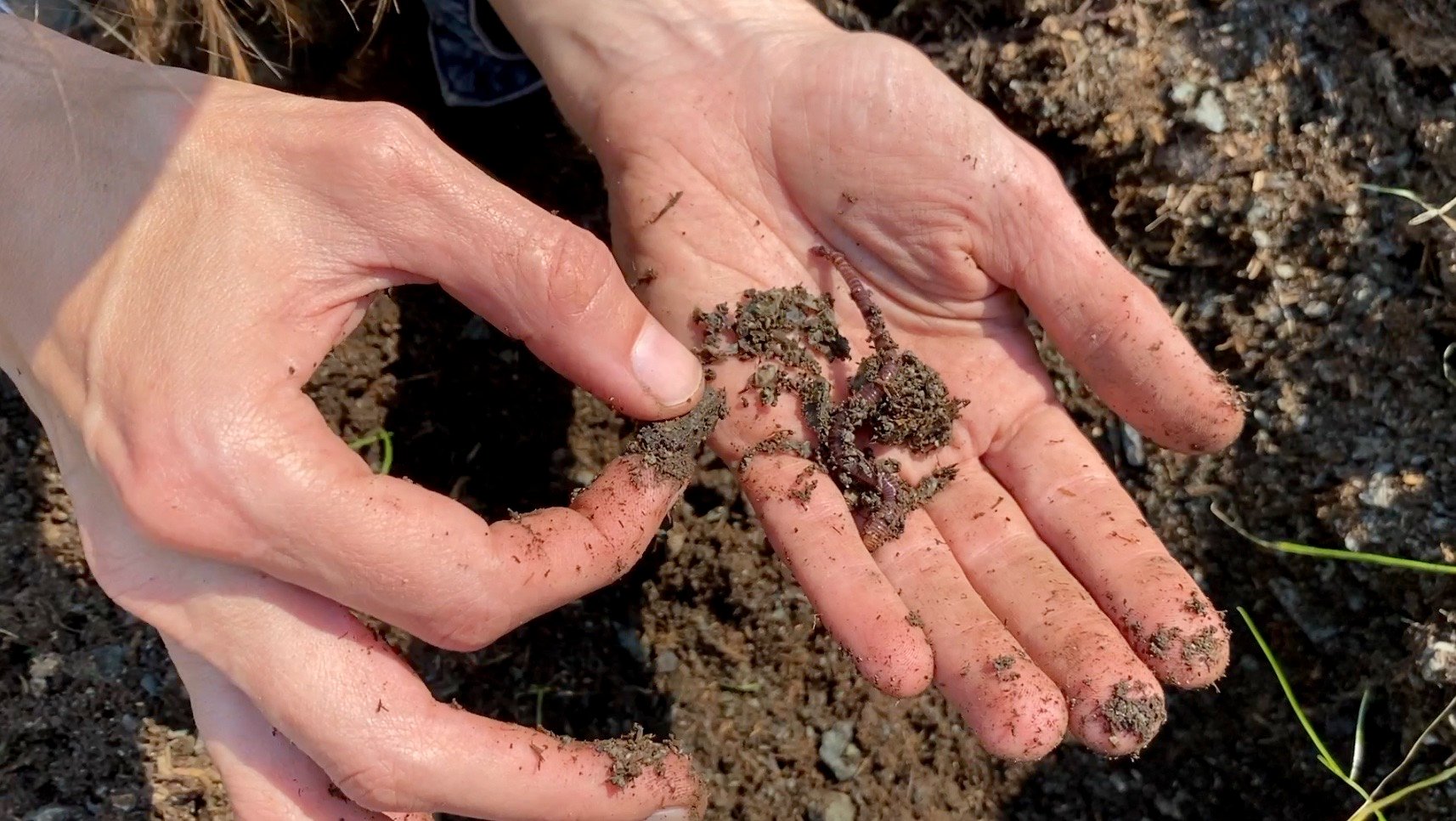
Microbial inoculants are natural bacteria and fungi. They speed up the composting process. These microbes help turn manure into rich humus quickly. Adding them increases nutrient availability for plants. They also improve soil health by supporting natural soil life. Use inoculants to make manure safer and more effective in your garden.
Credit: listentoyourhorse.com
Frequently Asked Questions
What Is The Best Way To Compost Horse Manure?
The best way to compost horse manure is to pile it in a well-ventilated area. Turn the pile regularly to speed decomposition. Ensure it heats up to kill weed seeds and pathogens before using it in your garden.
How Long Should Horse Manure Be Aged Before Use?
Horse manure should be aged or composted for at least 6 months. This allows harmful bacteria and weed seeds to break down. Using aged manure prevents burning plants and improves soil health safely.
Can Horse Manure Be Used Directly On Garden Plants?
Fresh horse manure should not be used directly on plants. It can burn roots due to high nitrogen and heat levels. Always compost or age manure before applying it to your garden for safe, effective use.
What Are The Benefits Of Using Horse Manure In The Garden?
Horse manure enriches soil with organic matter and nutrients like nitrogen and phosphorus. It improves soil structure, water retention, and promotes healthy plant growth. Properly composted manure is an eco-friendly fertilizer for vibrant gardens.
Conclusion
Using horse manure in the garden helps plants grow strong and healthy. It adds important nutrients to the soil. Make sure to compost it well before use. This reduces odors and kills harmful germs. Spread it evenly to feed all plants.
Remember, fresh manure can burn young roots. Patience pays off with rich, dark soil. Your garden will thank you with better blooms and bigger harvests. Give horse manure a try for natural, simple garden care.