
Imagine how different life would be if a powerful, graceful animal suddenly became part of your daily world. Horses Introduced to Native Americans,For Native Americans, the introduction of horses changed everything.
It transformed how they hunted, traveled, and connected with each other. If you’ve ever wondered how this incredible bond between horses and Native Americans began, you’re about to discover a story full of adventure, survival, and deep cultural impact. Keep reading, and you’ll see why the horse isn’t just an animal in history it’s a key to understanding a whole way of life.
Credit: louisiane.cheminsdelafrancophonie.org
Arrival Of Horses In The Americas
The arrival of horses changed life in the Americas. Native peoples had never seen horses before. These animals brought new ways to travel and hunt. Horses became part of many Native cultures quickly.
Horses helped tribes move faster across vast lands. They also made hunting large animals easier. This new relationship shaped history and culture deeply.
Spanish Exploration And Horse Introduction
Spanish explorers first brought horses in the late 1400s. They arrived on ships from Europe. These horses were used for war, work, and travel. The Spanish kept horses on their missions and settlements.
Many horses escaped or were left behind. These horses formed wild herds over time. The spread of these horses marked a new era.
Early Spread Across Native Lands
Native Americans began capturing and taming wild horses. Tribes learned to ride and breed them. Horses spread quickly across the plains and deserts.
They changed hunting and warfare styles. Tribes traveled farther to trade and fight. Horses became a symbol of wealth and power.
Impact On Native American Cultures
Horses changed many parts of Native American life. These animals became very important quickly. They helped people hunt better and travel farther. They also changed how tribes fought and protected themselves. The arrival of horses shaped culture in many ways.
Life became faster and easier. People learned new skills. The horse became a symbol of power and freedom. It affected daily life and traditions deeply.
Changes In Hunting Practices
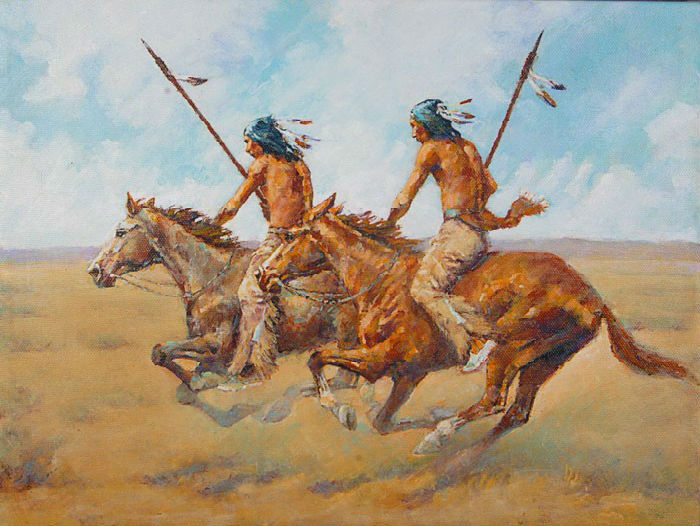
Horses helped Native Americans hunt more efficiently. They could follow herds of buffalo for longer times. Hunters moved faster and caught more animals. This meant more food and materials for tools and clothes. Hunting became a group activity, with riders working together. Horses made hunting safer by allowing quick escapes from danger.
Transformation Of Transportation
Travel on horseback replaced walking long distances. Tribes could explore new lands and trade with others. Horses carried heavy loads, easing the movement of goods. People visited distant relatives and formed new alliances. Travel became faster and less tiring. The horse connected different tribes across wide areas.
Influence On Warfare And Defense
Horses changed how Native Americans fought in battles. Warriors could attack quickly and retreat easily. They used speed to surprise enemies and avoid traps. Horses gave an advantage in defending villages and lands. Battles became more strategic with mounted fighters. The horse became a key part of tribal defense.
Economic And Social Effects
Horses had a big impact on Native American life. They changed how people lived, worked, and traded. Horses helped tribes become stronger and richer. The arrival of horses brought new chances and challenges. Life was never the same after horses arrived.
Trade And Horse Economy
Horses became valuable trade items among Native tribes. People traded horses for goods like tools and food. Owning many horses meant wealth and power. Some tribes used horses to carry heavy loads. This made trading easier and faster. Horse trading connected distant tribes and created new markets.
Shifts In Social Status And Roles
Horses changed who had power in many tribes. Skilled horse riders gained respect and higher status. Warriors on horseback were stronger in battles. Leaders with many horses could influence decisions. Some roles, like horse trainers and breeders, became important. Life on the plains became more mobile and dynamic.

Credit: www.history.com
Adaptation And Breeding
Horses changed Native American life deeply. They brought new ways to travel, hunt, and trade. Over time, Native Americans adapted horses to their needs. They learned which horses fit best for different tasks. Breeding became a key skill to create strong, fast, and smart horses.
Selective Breeding Practices
Native Americans chose horses with good traits. Speed, strength, and calmness mattered most. They bred horses that survived harsh climates and long rides. Careful selection helped create horses suited for war and work. This made horse herds stronger with each generation. The practice showed deep knowledge of animal care.
Development Of Distinct Horse Cultures
Different tribes developed unique horse traditions. Some focused on fast horses for hunting buffalo. Others bred larger horses for carrying loads. Horses became part of tribal identity and culture. Tribes held special ceremonies to honor their horses. These customs showed respect and deep bonds with animals. Each group’s horse culture reflected their lifestyle and environment.
Legacy Of The Horse In Native Communities
The horse holds a deep and lasting place in Native American history. After horses arrived in the Americas, many Native groups quickly embraced them. Horses changed their ways of life, travel, and hunting. Over time, horses became symbols of strength and freedom.
This legacy continues today in many Native communities. The horse is more than an animal; it is part of culture and identity. Stories, art, and traditions often celebrate the horse’s role in Native life.
Cultural Traditions And Ceremonies
Horses appear in many Native ceremonies and rituals. They are seen as spiritual beings. Some tribes hold horse dances to honor the animal’s power. Horses also play a role in rites of passage and healing ceremonies.
Traditional stories often feature horses as helpers and guides. They teach lessons about respect and courage. Many Native artists use horse images in their work. This keeps the connection alive across generations.
Modern-day Significance
Today, horses remain vital in many Native communities. They support farming, ranching, and cultural events. Horseback riding brings families together. It helps pass on traditions to younger members.
Horse events and races attract many participants. They build community pride and unity. The horse also inspires Native youth to learn about their heritage. It stands as a symbol of resilience and hope.

Credit: www.science.org
Frequently Asked Questions
Horses Introduced to Native Americans
How Did Horses Reach Native American Tribes?
Horses were introduced to Native Americans by Spanish explorers in the 16th century. They brought horses to the Americas, which spread through trade and escape. Native tribes quickly adopted horses for transportation, hunting, and warfare, transforming their cultures and lifestyles significantly.
Why Were Horses Important To Native American Culture?
Horses revolutionized Native American life by improving mobility and hunting efficiency. They enhanced trade routes and warfare strategies. Horses became symbols of wealth and status. This animal’s introduction deeply influenced social structures, economy, and daily activities among many tribes across the Great Plains and beyond.
When Did Horses Become Widespread Among Native Americans?
Horses became widespread among Native Americans by the late 1600s to early 1700s. After initial introduction by the Spanish, horses gradually spread through tribes via trading and breeding. By the 18th century, many Plains tribes fully integrated horses into their way of life.
What Impact Did Horses Have On Native American Hunting?
Horses dramatically improved Native American hunting by increasing speed and range. They allowed hunters to track and chase bison herds efficiently. This led to better food supplies and resource management. Horses also enabled new hunting techniques and boosted tribal economies based on buffalo products.
Conclusion
Horses changed life for many Native American tribes. They helped with hunting and travel across large lands. Tribes could trade more and connect with others. Horses also brought new skills and traditions. This animal became part of their culture and daily life.
The arrival of horses shaped history in many ways. It shows how animals and people can grow together. Understanding this helps us appreciate Native American heritage more. The story of horses and Native Americans remains important today. Read Thanks “Horses Introduced to Native Americans”
Why is Grooming Horses Important