
Have you ever wondered where the green and golden bell frog habitat calls home? Understanding its habitat is key to protecting this unique and beautiful creature.
You’ll discover exactly what makes the perfect environment for these frogs to thrive. By learning about their natural surroundings, you’ll see how small changes can make a big difference in helping their populations grow. Keep reading to find out how you can play a part in preserving the green and golden bell frog’s habitat and why it matters to you and the world around you.
Green And Golden Bell Frog Habitat
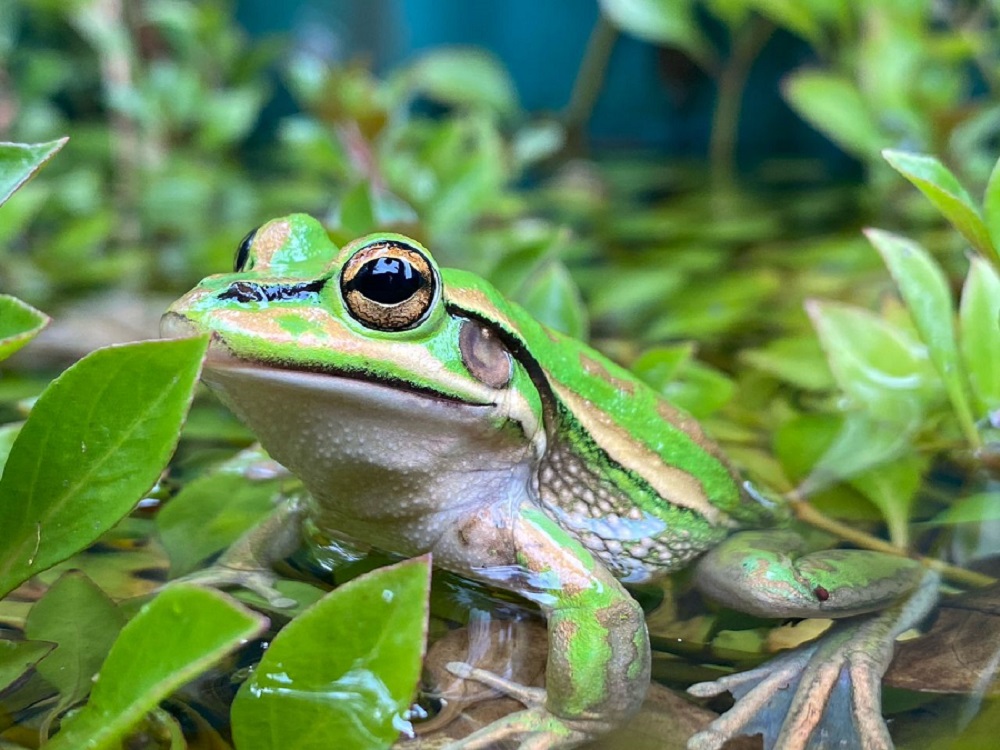
The Green and Golden Bell Frog is a colorful amphibian native to Australia. Its habitat plays a vital role in its survival and growth. Understanding where this frog lives helps protect it better.
This frog prefers areas that offer water, shelter, and food. These places support its life cycle and daily activities. Let’s explore the key aspects of its habitat.
Natural Environment
The Green and Golden Bell Frog lives near ponds, lakes, and wetlands. It needs fresh water for drinking and breeding. The frog also likes grassy and open areas close to water.
This environment provides shelter from predators and harsh weather. Plants and rocks offer hiding spots and resting places. The frog’s green and gold colors help it blend in well.
Climate Preferences
This frog thrives in warm and mild climates. It prefers temperatures between 15°C and 30°C. Too cold or too hot weather can harm the frog’s health.
Rainfall is important too. Regular rain keeps water bodies full and supports insect life. Dry spells reduce water availability and food sources.
Breeding Sites
The Green and Golden Bell Frog lays eggs in calm, shallow water. Ponds and slow-moving streams are ideal places. Vegetation in the water offers protection for eggs and tadpoles.
Clear water is best for breeding. Polluted or muddy water can harm the eggs. The frog returns to the same breeding sites each season.
Common Threats
Habitat loss is the biggest threat to this frog. Urban development and farming reduce wetland areas. Pollution from chemicals affects water quality.
Invasive species like fish and weeds compete or prey on the frog. Climate changes cause droughts and floods, making survival harder. Protecting habitats is key to saving this species.
Habitat Requirements
The Green and Golden Bell Frog needs specific habitat conditions to thrive. Their survival depends on clean water, suitable plants, safe shelter, and enough food. These frogs live near water bodies but require certain features in their surroundings. Understanding their habitat needs helps protect and support their populations.
Water Quality Needs
These frogs need clean, fresh water to live and breed. Water should not have pollution or harmful chemicals. Calm, shallow water areas are best for laying eggs. Water temperature must stay moderate, not too hot or cold. Clear water helps tadpoles grow strong and healthy.
Vegetation Types
Green and Golden Bell Frogs prefer native plants near water. Plants like reeds, rushes, and sedges provide cover and breeding spots. Floating plants give shade and help keep water cool. Vegetation also attracts insects, the frog’s main food. A mix of tall and low plants creates a good habitat.
Shelter Options
These frogs need places to hide from predators and harsh weather. Logs, rocks, and dense plants offer safe shelter. Burrows and cracks near water also provide protection. Shelter spots help frogs rest during the day. Good shelter increases their chances of survival.
Food Sources
Their diet mainly includes insects like flies, beetles, and moths. Aquatic invertebrates are also important food sources. A habitat rich in insects supports a healthy frog population. Frogs catch food near water and among plants. Plenty of food helps frogs grow and reproduce well.
Conservation Challenges
The Green and Golden Bell Frog faces many threats to its survival. These threats make protecting its habitat difficult. Conservation efforts must address several key challenges. Understanding these helps us support the frog better.
Habitat Loss
Urban development removes wetlands where the frog lives. Roads and buildings break up their living areas. This loss makes it hard for frogs to find food and mates. Wetland drainage reduces safe places for eggs and tadpoles. Without enough habitat, frog populations shrink quickly.
Pollution Impact
Water pollution harms the Green and Golden Bell Frog. Chemicals from farms and cities enter ponds and streams. Polluted water affects frog health and breeding success. Toxins can kill tadpoles or cause deformities. Clean water is essential for their survival.
Invasive Species
Non-native animals threaten the frog’s habitat. Fish and other predators eat frog eggs and young frogs. Invasive plants change wetland environments. These changes reduce shelter and food availability. Controlling invasive species is vital for frog conservation.
Disease Risks
Diseases like chytrid fungus spread quickly among frog populations. This fungus attacks skin and disrupts breathing. Infected frogs often die before reproducing. Disease outbreaks cause rapid declines in numbers. Monitoring and managing disease helps protect the species.
Credit: kustreview.com
Effective Conservation Strategies
Effective conservation strategies protect the green and golden bell frog’s habitat. These efforts help increase their numbers and improve survival chances. Protecting the natural environment is key. Several approaches work together to support these frogs.
Habitat Restoration
Restoring wetlands and ponds is vital for the frogs. Removing invasive plants and pollution improves water quality. Creating safe areas with native plants gives frogs shelter. Restored habitats provide food, breeding sites, and protection.
Captive Breeding Programs
Captive breeding helps increase frog populations. Frogs are bred in safe environments away from threats. Young frogs are later released into suitable habitats. This method boosts numbers and genetic diversity.
Community Involvement
Local communities play a big role in conservation. People learn how to protect frog habitats. Volunteers help with clean-ups and monitoring efforts. Awareness encourages respect and care for nature.
Monitoring And Research
Scientists track frog populations and health regularly. Research helps understand threats and frog behavior. Data guides better conservation actions and policies. Monitoring ensures the strategies remain effective over time.
How To Support Conservation
Supporting the conservation of the Green and Golden Bell Frog helps protect this unique species. Small actions by many people can make a big difference. Everyone can contribute to creating a safer habitat for these frogs.
Creating Frog-friendly Gardens
Plant native plants that provide shade and shelter. Add a small pond with clean water for breeding. Avoid steep edges in ponds to help frogs enter and exit easily. Create damp spots with leaf litter and logs for hiding places.
Reducing Chemical Use
Stop using pesticides and herbicides in your garden. Chemicals harm frogs by polluting water and soil. Choose organic or natural pest control methods. Keep water sources free from harmful substances to protect frog health.
Participating In Citizen Science
Join local frog monitoring programs and report sightings. Help researchers track frog populations and health. Use apps or websites to submit your data. Your observations support conservation efforts and increase knowledge.
Advocating For Policy Changes
Support laws that protect frog habitats and water quality. Contact local leaders to express your concerns about habitat loss. Join community groups focused on environmental protection. Strong policies help maintain healthy environments for frogs.

Credit: www.abc.net.au

Credit: blogs.thatpetplace.com
Frequently Asked Questions
What Type Of Habitat Does The Green And Golden Bell Frog Prefer?
The Green And Golden Bell Frog prefers wetlands, ponds, and grassy areas near water. It thrives in freshwater environments with abundant vegetation. These habitats provide shelter, breeding grounds, and food sources essential for their survival.
Where Are Green And Golden Bell Frogs Commonly Found?
They are native to eastern Australia, mainly in New South Wales and Queensland. Their populations are often found in coastal regions with suitable wetland habitats. Urban development has reduced their natural range.
How Does Habitat Loss Affect Green And Golden Bell Frogs?
Habitat loss leads to population decline and fragmentation. Wetland drainage and urban expansion reduce breeding sites and food availability. Conservation efforts focus on protecting and restoring their natural habitats to prevent extinction.
What Plants Support The Green And Golden Bell Frog Habitat?
Native grasses, reeds, and aquatic plants support their habitat. These plants offer shelter and breeding sites. Healthy vegetation also sustains the insects that frogs feed on.
Conclusion
The green and golden bell frog needs safe, clean water to live. Wetlands and ponds provide shelter and food for them. Protecting their habitat helps keep their numbers strong. People can help by not polluting water areas. Small actions make a big difference for these frogs.
Nature depends on each living creature, including this frog. Saving their homes means saving nature’s balance. Let’s care for their habitat to keep them alive. This frog’s future depends on our choices today.
Clicker Training Method: Simple Steps to Train Your Pet