
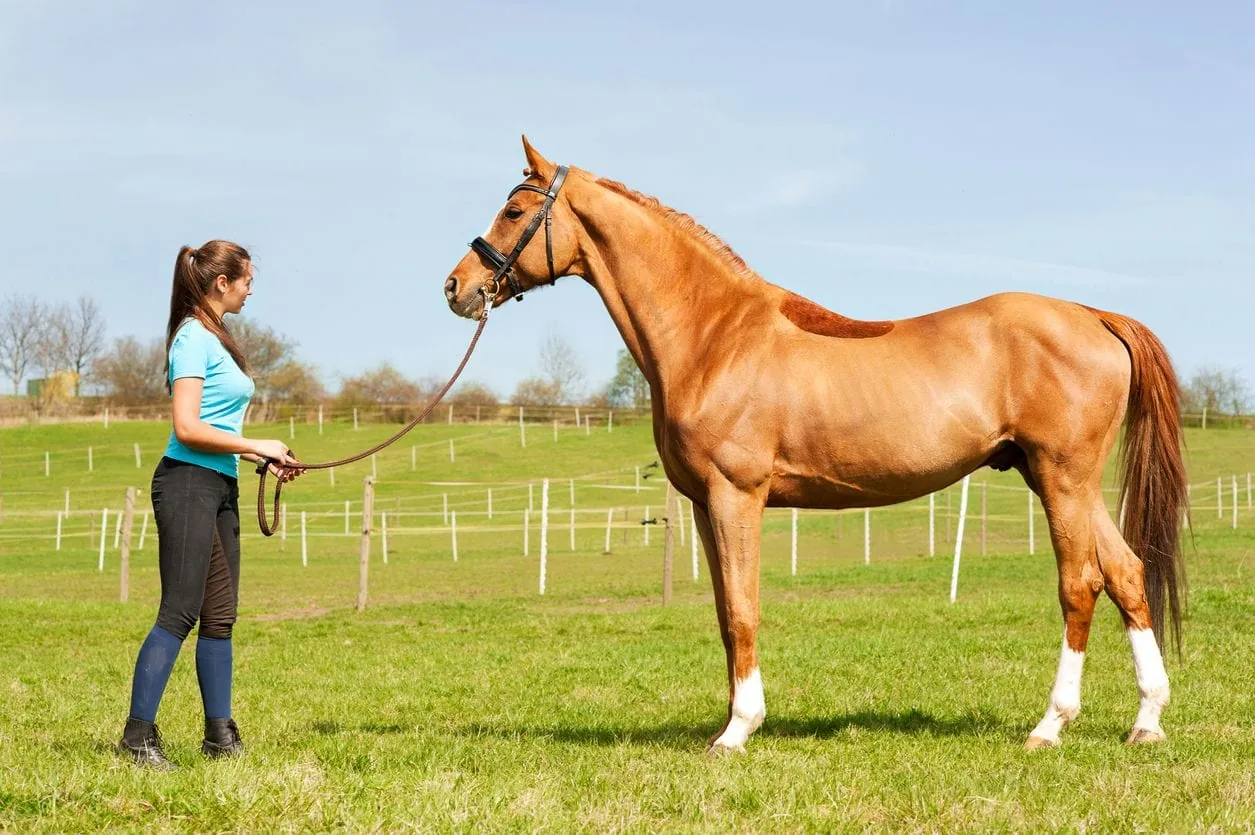
Horse conformation is the way a horse’s skeleton, muscles, and joints are put together, and it directly shapes how the animal moves, how much weight it can carry, and how long it can stay sound. Good conformation doesn’t guarantee a perfect horse, but poor conformation increases the odds of lameness, uneven wear, and early retirement.
Key Takeaways
- Match conformation to the discipline you plan to ride before you buy.
- Check legs, back, neck, and feet for symmetry and straightness.
- Poor conformation raises the risk of lameness and uneven joint wear.
- No horse is perfectly built; many manageable flaws need only smart care.
- Have a veterinarian perform a prepurchase exam before finalizing any purchase.
- Reassess conformation as a young horse grows or an older horse changes condition.
Why Horse Conformation Matters
Conformation describes the skeleton, joints, and muscles. It determines how a horse carries weight and absorbs stress. Balanced horses distribute force evenly, while flaws concentrate pressure on joints.
Pro Tip: Look at the horse standing square on level ground before you judge any single part. A horse standing camped out or with a head high can hide or exaggerate flaws.
Conformation and Soundness
Soundness is the ability to perform without pain. Conformation is a strong predictor of long-term soundness. Management, nutrition, and training also affect soundness.
Certain conformations are associated with specific risks:
- Long, sloping pasterns may increase strain on the suspensory ligament and flexor tendons.
- Upright, short pasterns can increase concussion on joints and the navicular region.
- Back at the knees often places extra stress on the front flexor tendons.
- Over at the knees may predispose a horse to stumbling or knee strain.
- Cow hocks can create uneven hock joint wear and interfere with hind limb propulsion.
- Sickle hocks may strain the plantar ligament and curb area.
No single flaw automatically means a horse will go lame. Many horses with imperfect conformation live useful lives when their workload matches their build.
Warning: Conformation assessment can’t predict the future. A horse that passes a vet check can still develop an injury, and a horse with visible flaws can remain sound for years with good management.
How to Evaluate Conformation
Evaluate the horse as a whole, then examine key regions. Stand the horse square on a firm, level surface with good lighting. View it from the front, side, and rear, and watch it walk and trot away from and toward you.
Head and Neck
The head should balance on the neck. The throatlatch should allow flexion at the poll. A neck that’s too short or ewe-necked limits balance, while a long, thin neck may lack strength.
Shoulder and Withers
The shoulder angle influences stride length and the ability to elevate the forehand. A steep, upright shoulder often produces a shorter, choppier stride, while a sloping shoulder generally allows a longer reach. Withers should hold a saddle securely without creating pressure points.
Back, Loin, and Croup
A strong back and short, muscular loin transfer power forward. A long, weak back may sag and is prone to soreness. The croup should be level or slightly sloping; a steep croup limits engagement, while a flat croup reduces power.
Legs and Feet
Legs should appear straight with aligned knees and hocks. Cannons should be short and clean. Feet should be proportionate with healthy frogs, balanced heels, and no cracks. Hoof balance affects force distribution.
Movement
Watch the horse move. Look for straight tracking, equal stride length, and fluid joint movement. Winging, paddling, forging, or brushing can indicate conformational quirks that may or may not matter depending on the intended work.
Conformation for Different Disciplines
No single build suits every job. The ideal horse for reining differs from the ideal horse for show jumping or endurance. The table below pairs common disciplines with conformational traits that typically help, though individual horses vary widely.
| Discipline | Helpful Conformation Traits | Traits That May Limit Performance |
|---|---|---|
| Show jumping | Sloping shoulder, strong hindquarters, good hock angle | Very upright shoulder, weak loin, sickle hocks |
| Dressage | Uphill build, flexible neck, engaged hind leg | Downhill build, short neck, straight hocks |
| Western pleasure/reining | Low head carriage, strong hindquarters, level croup | Very long back, ewe neck, steep croup |
| Endurance | Sound feet, efficient stride, good bone, deep heart girth | Tiny feet, very upright pasterns, narrow chest |
| Trail riding | Sure-footedness, calm mind, sturdy feet | Extremely long toes, weak back, poor lung capacity |
Discipline-specific conformation is a guide, not a rulebook. Many successful horses deviate from the ideal in one area and compensate with athleticism, temperament, and training.
Common Conformation Faults and What They Mean
Faults are deviations from the ideal for a given purpose. Some are cosmetic, while others affect soundness or performance.
- Base narrow or base wide: Feet set closer together or farther apart than ideal can alter how weight loads the legs.
- Toed in or toed out: Hooves pointing inward or outward often cause winging or paddling and may lead to uneven hoof wear.
- Buck knees (over at the knee): The knee appears bent forward when standing; may increase tripping risk in some horses.
- Calf knees (back at the knee): The knee appears bent backward; associated with increased tendon strain.
- Post-legged: Straight hind legs with little hock angle can concuss the hock and stifle joints.
- Roach back: An arched, rigid back may limit flexibility and collection.
- Sway back: A dipped back, common in older horses or those with weak toplines, can make saddle fitting difficult.
- Ewe neck: The neck dips below the topline, making it harder to develop a rounded frame.
Not every fault needs correction.
Conformation in Growing Horses
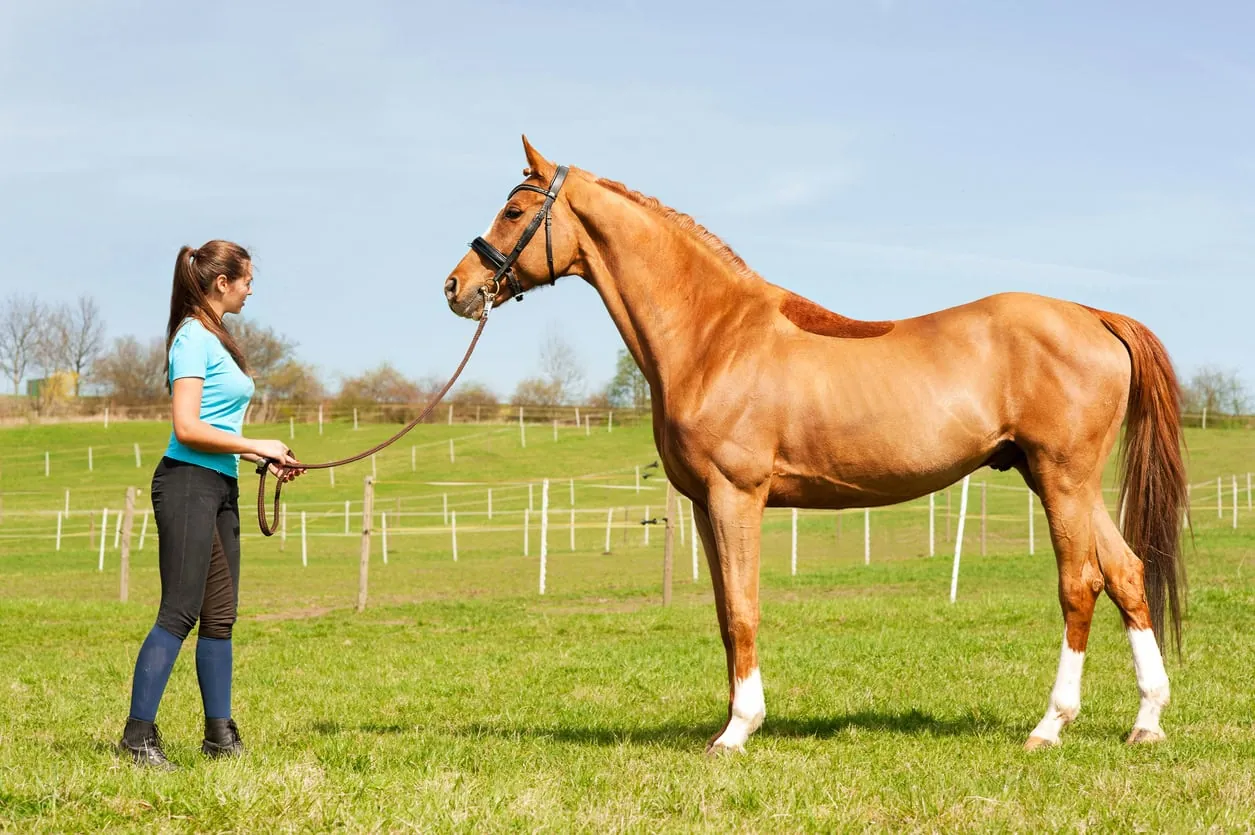
Young horses change rapidly. A foal or yearling that looks downhill, crooked, or coarse may mature into a balanced adult, and the reverse is also true. Growth plates close at different ages, and nutrition, exercise, and injury during development can influence final structure.
Avoid making permanent decisions about a young horse’s career based solely on a snapshot at six months. Regular farrier visits, balanced nutrition, and appropriate turnout support healthy development. If a young horse shows severe angular limb deformities or other obvious structural concerns, an equine veterinarian can assess whether early intervention is warranted.
Conformation and the Older Horse
As horses age, conformation can change. Muscle loss, arthritis, pituitary dysfunction, or old injuries may alter posture and movement.
Older horses benefit from regular reassessment. Saddle fit, hoof balance, and workload should be adjusted to match the current body, not the body the horse had ten years earlier. A veterinarian can help distinguish normal aging changes from problems that need treatment.
Farrier Care and Conformation
Hoof care is where conformation meets daily reality. A farrier trims and shoes to support the horse’s natural angles and to correct imbalances when possible. A horse with upright pasterns may need different support than one with long, sloping pasterns.
Work with a farrier who understands your horse’s discipline and conformation. Regular trimming on a consistent schedule—often every six to eight weeks, though intervals vary—helps maintain balance. If your horse has significant conformational challenges, ask your farrier and veterinarian to coordinate care.
Rider Fit and Conformation
Conformation also affects how well a horse carries a particular rider. A horse with a short back may struggle with a long saddle or a tall, heavy rider. A narrow horse may be uncomfortable for a rider with a wide seat. Withers shape, back length, and barrel width all influence saddle fit and rider balance.
Nutrition, Conditioning, and Conformation
Good conformation can’t overcome poor nutrition or conditioning, and poor management can damage even a well-built horse.
Conditioning builds the muscles that support joints and bones. Gradual, consistent work strengthens the topline, hindquarters, and core, helping the horse carry itself and a rider more effectively.
Buying a Horse: Using Conformation in Your Decision
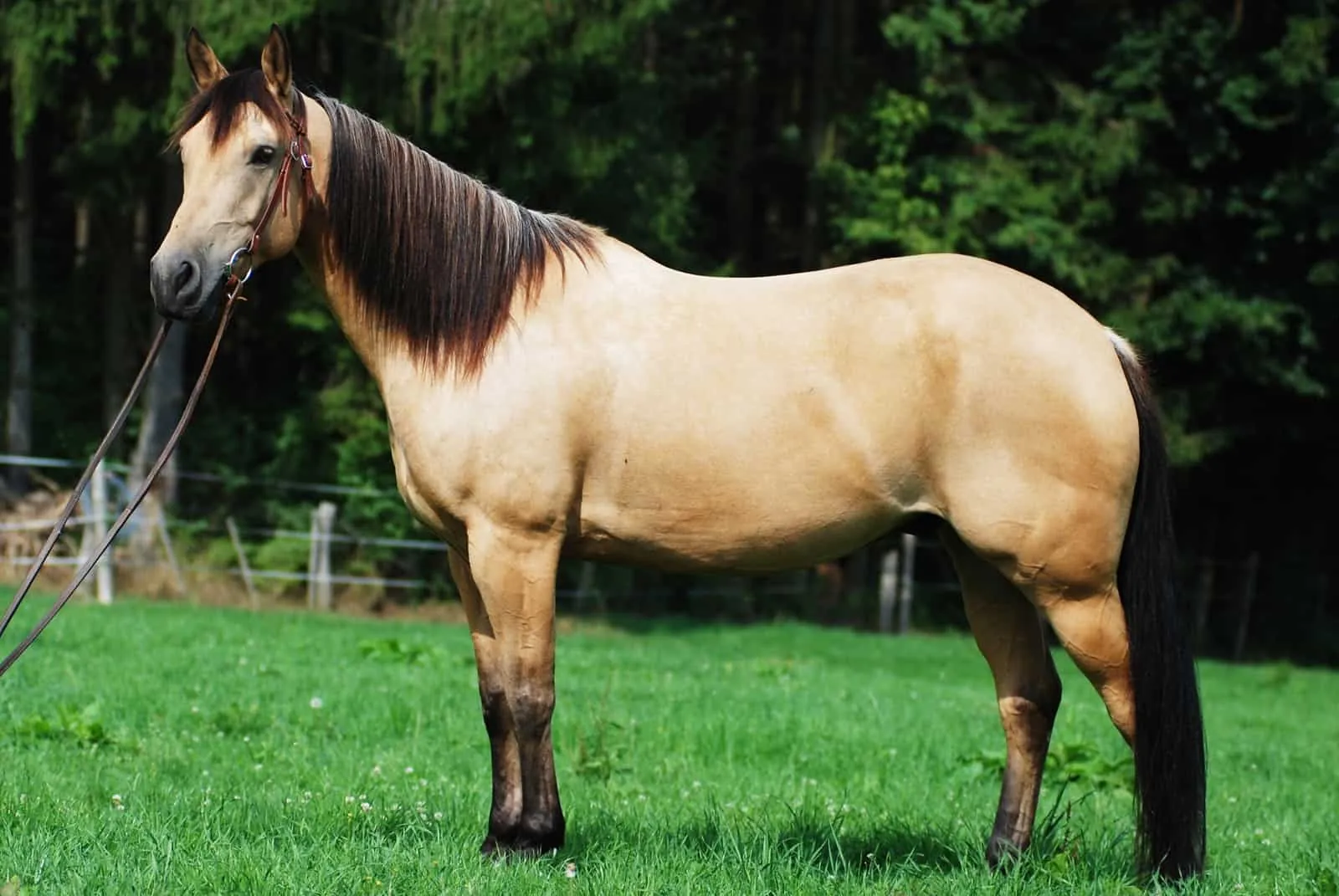
When buying a horse, use conformation as one piece of the puzzle, alongside temperament, training history, health records, and the intended job. A prepurchase veterinary exam is the best way to turn a visual assessment into actionable information. Ask the vet to evaluate the specific demands you plan to place on the horse.
Bring a knowledgeable trainer or instructor to viewings. They can help you see whether a horse’s build suits your goals and whether any flaws are likely to matter for your level of riding.
Frequently Asked Questions
Can a horse with poor conformation still be ridden?
Yes. Many horses with conformational flaws live comfortable, useful lives when their workload matches their build and they receive good farrier, veterinary, and nutritional care. The key is matching the horse to the job and respecting its limits rather than assuming perfect structure is required.
Does conformation affect how long a horse stays sound?
Conformation can influence soundness because structure affects how force moves through joints, tendons, and ligaments during movement. However, management, footing, training intensity, and farrier care also play major roles, so conformation alone doesn’t determine whether a horse will remain sound.
Should I base a purchase decision on conformation alone?
No. Conformation is important, but temperament, training, health history, and suitability for your goals matter just as much. Always include a prepurchase veterinary exam before buying, and bring a trainer or instructor to help evaluate whether the horse fits your needs.
Can conformation change as a horse gets older?
Yes. Aging, injury, arthritis, muscle loss, and conditions such as pituitary dysfunction can alter posture, topline, and how a horse stands. Older horses should be reassessed periodically for saddle fit, hoof balance, and appropriate workload.
Conclusion
Conformation is the foundation of how a horse moves and carries weight, but it’s only one part of the picture. Use it to guide your buying decisions, match a horse to the right discipline, and plan realistic care. The best next step is to have a qualified equine veterinarian perform a prepurchase exam on any horse you’re seriously considering, so you understand its structure and risks before you commit.