
Have you ever wondered when your horse will reach its full size? Knowing when horses stop growing is important for their care, feeding, and training.
If you want to make sure your horse stays healthy and strong, understanding their growth stages can help you make better decisions. Keep reading, and you’ll discover the key signs and timelines that show when your horse has finished growing.
This knowledge will give you confidence in how you care for your equine friend every step of the way.
Growth Stages In Horses
Horses grow through clear stages, each with unique changes. Understanding these stages helps owners care better for their animals. Growth affects their diet, training, and health needs.
Knowing when horses reach maturity can prevent problems. Each stage shows how much the horse is changing and what to expect next.
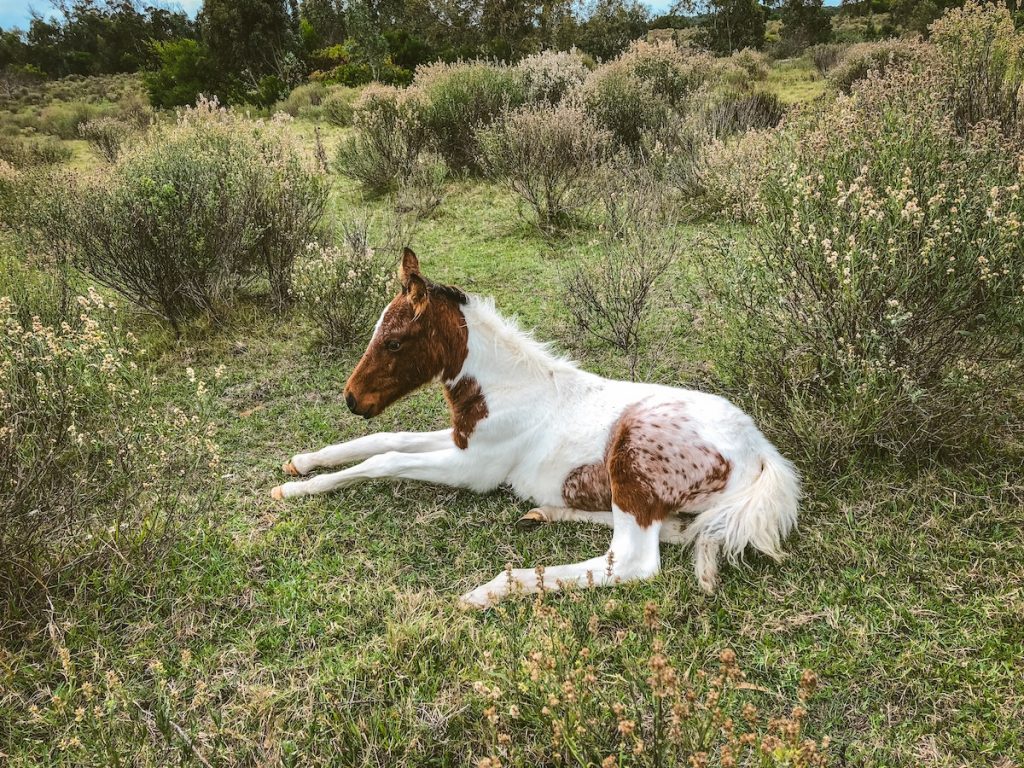
Foal Development
Foals grow very fast in their first year. They learn to stand and walk within hours after birth. Their bones and muscles develop quickly. Nutrition is key to support this rapid growth. Foals start eating grass and grain but still nurse from their mothers.
Yearling Changes
Yearlings are horses between one and two years old. Growth slows but continues steadily. Their body shape becomes more balanced. Teeth and bones strengthen during this time. Owners should provide good food and gentle training. This stage sets the base for adult health.
Maturity Benchmarks
Most horses reach full height around four to five years old. Muscle and bone density continue to improve after height stops. Some breeds mature faster or slower than others. Full maturity means the horse is ready for heavy work. Regular check-ups help track development and keep horses healthy.
Credit: yourhorsefarm.com
Age Milestones For Growth
Horses grow at different speeds during their early years. Understanding their age milestones helps know when growth happens. This section explains key stages in a horse’s growth journey.
Tracking these milestones shows how horses develop physically. Growth is not constant. There are times of fast change and times of slow change.
Growth Spurts
Growth spurts happen mainly in the first two years. During this time, horses gain height and weight quickly. Bones grow longer and muscles get stronger. These spurts are crucial for overall size and strength.
Foals can grow several inches in just a few months. Nutrition and care affect the speed of these growth spurts. Proper feeding supports healthy development during these bursts.
Plateau Phases
Plateau phases are periods when growth slows down or stops. These phases occur after each growth spurt. The body focuses on strengthening rather than growing taller.
During plateaus, horses may look stable in size. Internal changes still occur, such as muscle and bone hardening. These phases prepare the horse for the next growth spurt.
Final Height Achievement
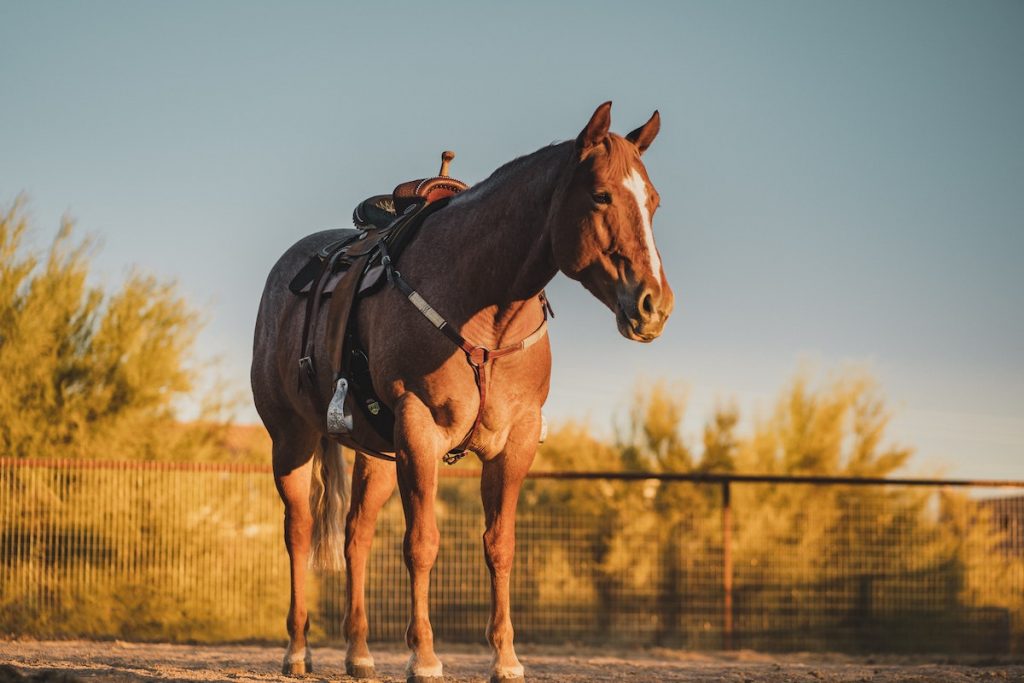
Most horses reach their final height between 4 and 6 years old. Some larger breeds may take longer. After this age, height growth stops, but weight and muscle can still increase.
Knowing when a horse reaches full height helps with training and care. It marks the end of major physical growth. The horse is ready for full work or competition.
Factors Influencing Growth
Horses do not all grow at the same rate. Several factors decide how long and how much they grow. These factors shape their size and strength. Understanding these helps owners care for their horses better.
Growth in horses is a mix of nature and nurture. Some parts depend on the horse’s genes. Other parts depend on what the horse eats and its living place.
Breed Differences
Different horse breeds grow at different speeds. Small breeds like ponies stop growing earlier. Large breeds, like draft horses, grow longer. Their growth periods can last several years. Breed size sets the basic growth limit.
Nutrition Impact
Good food helps horses grow strong and healthy. Balanced nutrition supports bone and muscle growth. Poor diet can slow down growth or cause problems. Feeding young horses the right nutrients is very important. Vitamins and minerals play key roles too.
Health And Environment
Health issues can affect growth. Illness or injury might stunt growth. Clean and safe living spaces promote good growth. Stress from poor environment slows development. Regular vet care helps keep growth on track.
Credit: yourhorsefarm.com
Signs Growth Has Ended
Knowing when a horse stops growing helps owners care for their animals properly. Signs that growth has ended show in the horse’s body and behavior. These signs help tell if the horse is fully mature.
Bone Development
One clear sign is the horse’s bone growth. Young horses have soft growth plates in their legs. These plates harden and close as the horse matures. Once closed, bones stop growing longer. Vets can check these plates with X-rays. Solid bones mean the horse’s skeleton is fully developed.
Muscle Maturation
Muscle growth is another sign. Young horses have less muscle mass and softer muscles. Mature horses show firm, well-defined muscles. Their bodies look strong and balanced. Proper exercise helps muscles develop fully. When muscles reach full size, growth has mostly ended.
Behavioral Indicators
Behavior changes also show growth is over. Young horses may be restless or jumpy. Adult horses tend to be calmer and more focused. They handle training better and stay steady under pressure. These behavioral shifts mean the horse is mentally mature too.
Care During Growth Periods
Taking care of horses during their growth periods is very important. Growing horses need special attention to stay healthy. Their bodies change quickly. Proper care supports strong bones, muscles, and overall health. This care includes feeding, exercise, and regular veterinary checks. Each part plays a key role in healthy growth.
Feeding Guidelines
Young horses need balanced meals for good growth. Provide high-quality hay or pasture as the main food. Add grain or pellets designed for growing horses. These foods have extra protein and nutrients. Avoid overfeeding to prevent weight problems. Fresh water must always be available. Feed small amounts several times a day. This helps digestion and energy levels.
Exercise Recommendations
Exercise helps build strong muscles and bones. Allow horses to move freely in a safe area daily. Light riding or lunging can start as they grow. Avoid hard work or long rides until fully grown. Too much exercise can cause injury. Watch for signs of tiredness or soreness. Rest days are as important as active days.
Veterinary Monitoring
Regular vet visits keep growth on track. Vets check teeth, joints, and overall health. Vaccines and deworming protect against diseases. Early detection of problems stops serious issues. Discuss growth rate and nutrition with your vet. Keep records of weight and height changes. This helps adjust care as needed.

Credit: www.springlaneranch.com
Frequently Asked Questions
When Do Horses Typically Stop Growing In Height?
Most horses stop growing in height between 4 and 5 years old. Some breeds may take longer, up to 6 years. Growth slows significantly after 3 years but continues subtly until full maturity.
How Long Do Horses Grow In Weight?
Horses usually continue gaining weight and muscle until they are about 5 to 6 years old. Weight gain happens gradually even after height growth slows down.
Do All Horse Breeds Stop Growing At The Same Age?
No, growth rates vary by breed. Larger breeds like draft horses grow longer, up to 6 years. Smaller breeds mature faster, often finishing growth by 4 years.
Can Nutrition Affect When Horses Stop Growing?
Yes, proper nutrition supports healthy growth and development. Malnutrition can delay growth, while balanced diets help horses reach their full size on time.
Conclusion
Horses grow mostly during their first five years. Their height stops growing around age five. Some horses fill out until they are seven. Growth depends on breed, diet, and health. Understanding horse growth helps in training and care. Watching their development keeps your horse healthy.
Growth is a natural part of horse life. Patience and good care make a big difference. Keep learning about your horse’s needs daily. Growth may slow, but their spirit stays strong.
1 thought on “When Do Horses Stop Growing: Key Ages and Growth Insights”