
The cost to buy a horse typically ranges from $2,000 to $10,000 for a healthy pleasure-riding animal, though the market for these animals varies widely based on training and lineage.
What horses actually cost to buy
- Basic pleasure horses generally sell between $2,000 and $10,000 depending on age and training.
- Competition-level horses frequently cost $15,000 to $75,000 due to their advanced skill sets.
- Professional pre-purchase exams typically cost $300 to $800, which is essential to avoid hidden medical costs.
- Transporting a horse across state lines often adds $1,000 to $3,000 to your total initial investment.
- Young, untrained horses cost less to purchase but require significant financial resources for professional training later.
- Always check the American Association of Equine Practitioners guidelines to understand what a professional health screening includes before you commit to a purchase.
Why Purchase Prices Vary So Much
The primary factor driving the price of a horse is the level of professional training it has already received. A horse that is “green” or untrained requires hundreds of hours of work, which makes it cheaper to purchase initially. Conversely, a horse that’s already trained to compete in dressage or jumping saves the buyer years of effort, commanding a much higher market premium.
Genetics and bloodlines also play a massive role in the final price tag. Horses bred from champion lines often carry a “brand” value that increases their cost regardless of their current athletic performance. You’ll find that these animals are priced for their potential breeding value, which is a significant factor for those looking to enter the professional breeding market.
Age is another critical variable that determines the cost of a horse. Prime-age horses between seven and twelve years old are usually the most expensive because they’re physically mature and possess the necessary experience for work. Older horses are often significantly cheaper, but they may come with higher long-term veterinary bills that you must consider.
Finally, geography influences the price you pay. Horses located in areas with high density of equestrian facilities often have higher price tags due to local demand and the cost of keeping them in that region. If you live in a rural area with many breeders, you might find more affordable options, but you’ll likely face higher transport costs to get the animal home.
Variations in Horse Pricing
| Situation | What changes | What to do instead |
|---|---|---|
| Breeding quality | High price premium | Buy for performance only |
| Untrained horses | Low purchase price | Budget for professional training |
| Senior horses | Lower upfront cost | Expect higher medical bills |
| Rare breeds | Significant price increase | Choose common, local breeds |
| Private sales | Lower transaction fees | Hire an independent inspector |
The initial purchase price is often a deceptive indicator of the total investment required. A horse with elite bloodlines may command a premium, yet that value remains purely speculative if the animal lacks the temperament or physical soundness for your specific goals. Focus on proven performance records rather than pedigree alone.
When considering an untrained horse to save money, remember that the cost of professional instruction often exceeds the initial savings. You’re essentially financing the animal’s education over time. Similarly, senior horses appear affordable, but their maintenance frequently requires specialized feed and frequent veterinary oversight.
Private sales eliminate the overhead of a commercial stable, but they also remove the layer of professional accountability found in larger operations. Always secure an independent veterinarian to perform a pre-purchase exam. This step identifies hidden issues that could turn a bargain into a long-term financial burden.
How to Buy a Horse Properly
- Define your specific goals, such as trail riding or local competition, so you know exactly what level of training you need to look for in a horse.
- Set a total budget that includes the purchase price plus a 20% buffer for immediate supplies like saddles, bridles, and initial veterinary checkups.
- Search for horses within your region to minimize transport costs and allow for multiple visits to see how the horse behaves under different conditions.
- Schedule a pre-purchase exam with a licensed veterinarian who has no connection to the seller to ensure the horse is sound and healthy.
- Observe the horse being caught, groomed, and saddled to check for behavioral issues that could make handling difficult or dangerous for a novice owner.
- Test ride the horse in a familiar environment to ensure its personality matches your riding ability and that you feel comfortable with its current energy level.
- Review all medical records and vaccination history provided by the seller to ensure the animal has been maintained according to standard veterinary practices.
Common Mistakes When Buying Horses
Skipping the pre-purchase exam leads to expensive, surprise medical bills for pre-existing conditions that you can’t easily fix later. Always hire an independent veterinarian who has no prior relationship with the seller to ensure an objective assessment of the horse’s soundness.
Buying a horse that’s too advanced for your current riding skill creates a dangerous environment for both you and the animal. Be honest about your limitations, as a mismatch often forces a quick, emotional resale.
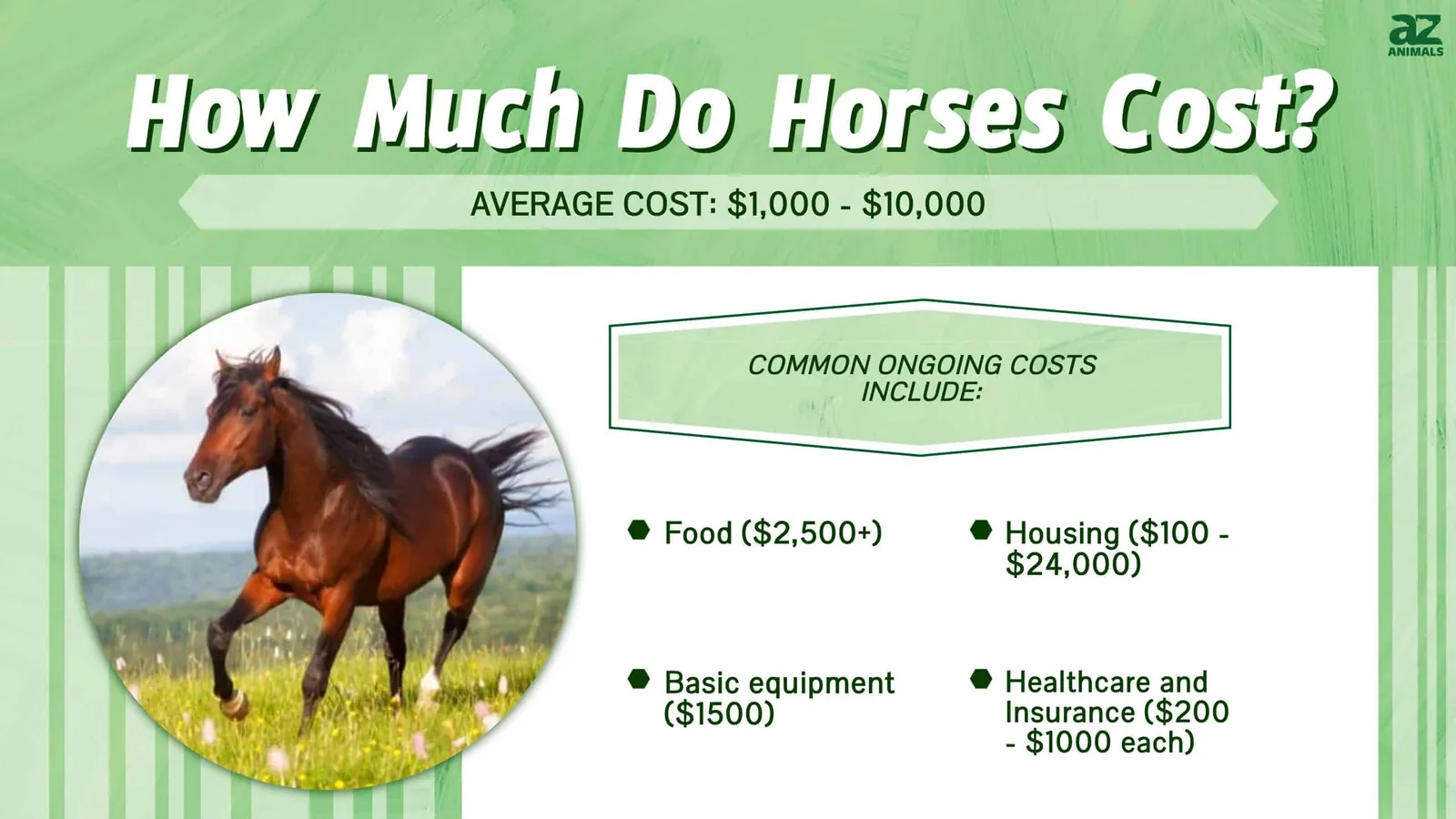
Ignoring the cost of ongoing board and feed means you might have to sell the horse when you run out of funds. Factor in emergency vet visits and farrier work before committing.
Failing to check the horse’s temperament in a variety of settings leads to surprises when you move them to your own barn. Test the animal in high-traffic areas or during loading to confirm they remain calm under pressure.
Frequently asked questions
How much do horses cost to buy if they’re rescues?
Rescue horses usually cost between $500 and $2,000, which covers the organization’s administrative and rehabilitation expenses. While the purchase price is lower than buying from a breeder, you should be prepared for potential gaps in their training history. Always ask the rescue group for a full disclosure of the horse’s medical and behavioral background before you decide to adopt.
Is it safe to buy a horse without a vet check?
It isn’t safe to buy a horse without a professional pre-purchase exam because you risk inheriting expensive, chronic health issues. A veterinarian can identify hidden lameness or respiratory problems that aren’t visible to an untrained eye. If you skip this step, you’re legally and financially responsible for any medical conditions the horse has from the moment you take ownership.
How much does it cost to transport a horse?
Transporting a horse typically costs between $1.50 and $4.00 per loaded mile, depending on the distance and whether you use a professional carrier. This price varies based on the size of the trailer and the number of horses being moved at once. Always verify that your chosen carrier has valid insurance and a good safety record before booking your transport.
How long does it take to find the right horse?
Finding the right horse usually takes between three and six months of consistent searching and trial rides. This timeline allows you to visit enough animals to understand the market and compare different temperaments. If you rush the process, you’re more likely to choose an animal that doesn’t fit your needs, which often leads to a costly resale process later.
Does it matter where I buy my horse?
It does matter where you buy because purchasing from a reputable breeder offers more transparency regarding the horse’s health and training history. Buying from a private seller might be cheaper, but you lack the consumer protections often provided by established businesses. Always check the seller’s references and look for a track record of ethical treatment before you hand over any money.
What happens if I buy a horse I can’t ride?
If you buy a horse that’s too difficult for your skill level, you’ll likely need to pay for a professional trainer to work with the animal. This can cost $500 to $1,500 per month depending on your local market rates. If training doesn’t resolve the issue, you may have to sell the horse, which often results in a financial loss.
Conclusion
Owning a horse is a long-term commitment that goes far beyond the first check you write. Before you bring a new companion home, it’s a great idea to spend time volunteering at a local stable. You’ll gain valuable hands-on experience, and you’ll quickly see if you’re ready for the daily responsibility.