
The primary risks associated with the plant include digestive irritation, skin sensitivity, and potential toxicity from raw components, which is why it’s important to understand the disadvantages of horse chestnut before any use.
Common forms of horse chestnut products

| Form | Best for | Example |
|---|---|---|
| Seed extract | Chronic venous insufficiency | Standardized aescin tablets |
| Topical gel | Reducing leg swelling | Aescin-based cooling gel |
| Raw plant | Ornamental landscape use | Unprocessed garden seeds |
| Bark infusion | Traditional skin remedies | Dried herbal bark |
Standardized extracts are the most common form because they isolate the active compound, aescin, while removing toxic elements found in the raw plant. These tablets allow for precise dosing, which is critical when managing vascular conditions.
Topical gels offer a localized approach for surface-level swelling. They’re often preferred by those who experience digestive sensitivity to oral supplements.
Conversely, raw plant parts and bark infusions lack the processing required to neutralize harmful substances like esculin. While these forms appear in traditional folk practices, they carry a significantly higher risk of accidental poisoning. Always verify that your chosen product has undergone industrial refinement to ensure safety before consumption or application.
Standardized seed extracts
Standardized extracts are the most common form found in supplements intended for circulatory health. These products undergo manufacturing processes to remove toxic compounds like aesculin, leaving behind the active component known as aescin. They’re designed for adults managing venous insufficiency under the guidance of a healthcare professional.
- They support healthy blood flow in the lower legs.
- They help reduce the sensation of heavy or tired limbs.
- They provide consistent doses of active ingredients per capsule.
If you’re taking blood-thinning medication, consult your doctor before starting these extracts to avoid interactions. A standard dose often ranges from 250mg to 300mg of standardized seed extract taken twice daily, but you must check the specific label on your product for the manufacturer’s recommended dosage.
Topical gels and creams
Topical applications provide a targeted way to address local swelling without the risks of internal ingestion. These products are formulated to be absorbed through the skin, typically targeting superficial veins or minor bruising. They suit individuals who experience localized discomfort but prefer to avoid systemic supplements.
- They offer a cooling sensation upon application to the skin.
- They minimize the risk of gastrointestinal side effects.
- They’re easy to apply directly to the affected calf or ankle.
You should apply a thin layer of the gel to the affected area, usually two to three times per day. If you notice any redness, itching, or rash after application, wash the area with mild soap and water immediately. Stop using the product if these symptoms persist, as this indicates a sensitivity to the ingredients.
Raw seeds and unprocessed parts

Raw horse chestnut seeds, leaves, and bark are highly toxic if consumed in their natural state. Unlike processed extracts, these raw materials contain high levels of glycosides that cause severe gastrointestinal distress and potential neurological symptoms. They aren’t intended for human consumption or internal use in any form.
- They cause vomiting and abdominal pain when ingested.
- They pose a significant risk of poisoning if mistaken for edible chestnuts.
- They contain high concentrations of natural toxins that aren’t removed without industrial processing.
The National Capital Poison Center warns that eating raw seeds can lead to serious poisoning symptoms, including muscle weakness and loss of coordination. If someone consumes raw seeds, call emergency services or a local poison control center immediately. Never attempt to prepare remedies from raw plant parts at home, as you can’t safely remove the harmful compounds yourself.
Common garden varieties
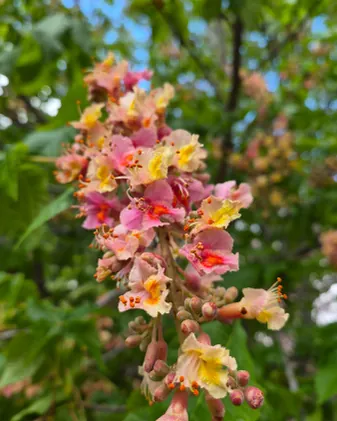
Horse chestnut trees are frequently planted in public spaces and gardens for their shade and large, showy flowers. While the trees themselves are harmless to touch, the seeds they drop in the autumn are often gathered by children or pets. These seeds should be treated as ornamental only and never brought into the kitchen or used in food preparation.
- They provide dense shade for parks and large residential yards.
- They produce unique, spiky husks that protect the seeds on the ground.
- They serve as a decorative feature in many temperate climates.
If you have pets or small children, clear the fallen seeds from your lawn regularly to prevent accidental ingestion. The risk here is purely accidental, so keeping the area clean is the most effective way to manage the hazard.
Other herbal alternatives
- Witch hazel: Often used as a topical astringent for skin soothing, it’s an alternative for those who find horse chestnut gels too irritating for sensitive skin.
- Butcher’s broom: This herb is frequently used in supplements for circulation, serving as a substitute for individuals who can’t tolerate the specific compounds found in horse chestnut.
- Grape seed extract: This is used for antioxidant support, providing a different approach to vascular health for those seeking non-aescin-based options.
Choosing the right approach
Deciding between these options depends on your specific health goal and your current medical status. If you’re looking for relief from leg swelling, standardized seed extracts are the most common choice, provided you have no existing liver or kidney conditions. If your skin is sensitive, you should opt for a topical gel instead of an oral supplement to avoid potential stomach upset.
Finally, if you’re currently taking anticoagulants or have a history of bleeding disorders, avoid these products entirely. These options are rarely meant to be combined; picking one, such as a topical gel for minor swelling, is usually sufficient to see if it provides the relief you need without adding unnecessary complexity to your health routine.
Related guides
- What are the Disadvantages of Horse Chestnut: Risks and Side Effects
- How Do Horses Get Colic: Causes and Digestive Risks Explained
- Is It Safe to Horse Ride While Pregnant: Essential Safety Tips
Frequently asked questions
Is it safe to use horse chestnut daily?
Long-term safety data beyond this period is limited, so regular breaks are recommended to avoid potential accumulation of compounds or unexpected side effects.
What happens if a child eats a raw seed?
Ingestion of a raw seed usually causes immediate nausea, vomiting, and abdominal pain within 1 to 6 hours. If you suspect a child has swallowed a seed, contact your local poison control center or emergency services immediately to receive instructions based on the child’s age and weight.
Does it matter if I take it with food?
Taking your supplement with food is the best way to reduce the risk of stomach irritation. If you experience nausea even with food, try taking the dose at bedtime, but ensure you follow the specific instructions provided on your product’s label regarding timing and dosage.
Can I use this for spider veins?
There’s no strong clinical evidence that it effectively eliminates spider veins. It’s primarily studied for chronic venous insufficiency, and you should speak with a dermatologist if your goal is purely cosmetic reduction of visible surface veins.
Why was I refused this at the pharmacy?
You may be refused if your medical history includes liver disease, kidney disease, or the use of blood-thinning medications. Pharmacists restrict these products to prevent dangerous interactions and to protect those with underlying conditions that could be worsened by the active ingredients in the plant.
Is it safe for pregnant women?
No, it isn’t considered safe for use during pregnancy or while breastfeeding. There’s insufficient research to guarantee the safety of the active compounds for a developing fetus, so it’s strictly advised to avoid these products during this time.
Conclusion
Start by identifying the specific symptom you want to address, such as leg swelling or tired veins. Once you select a product, begin with the lowest recommended dose on the label to monitor for any digestive sensitivity. If you experience persistent abdominal pain, dizziness, or a skin rash, stop using the product immediately and contact your doctor for further guidance.