
Yes, it’s true that horses can be used to make glue, although this practice is largely a thing of the past. Collagen from animal hides and connective tissues historically served as the primary base for industrial adhesives. You should know that modern manufacturing has moved almost entirely to synthetic polymers.
How horses were used to make glue
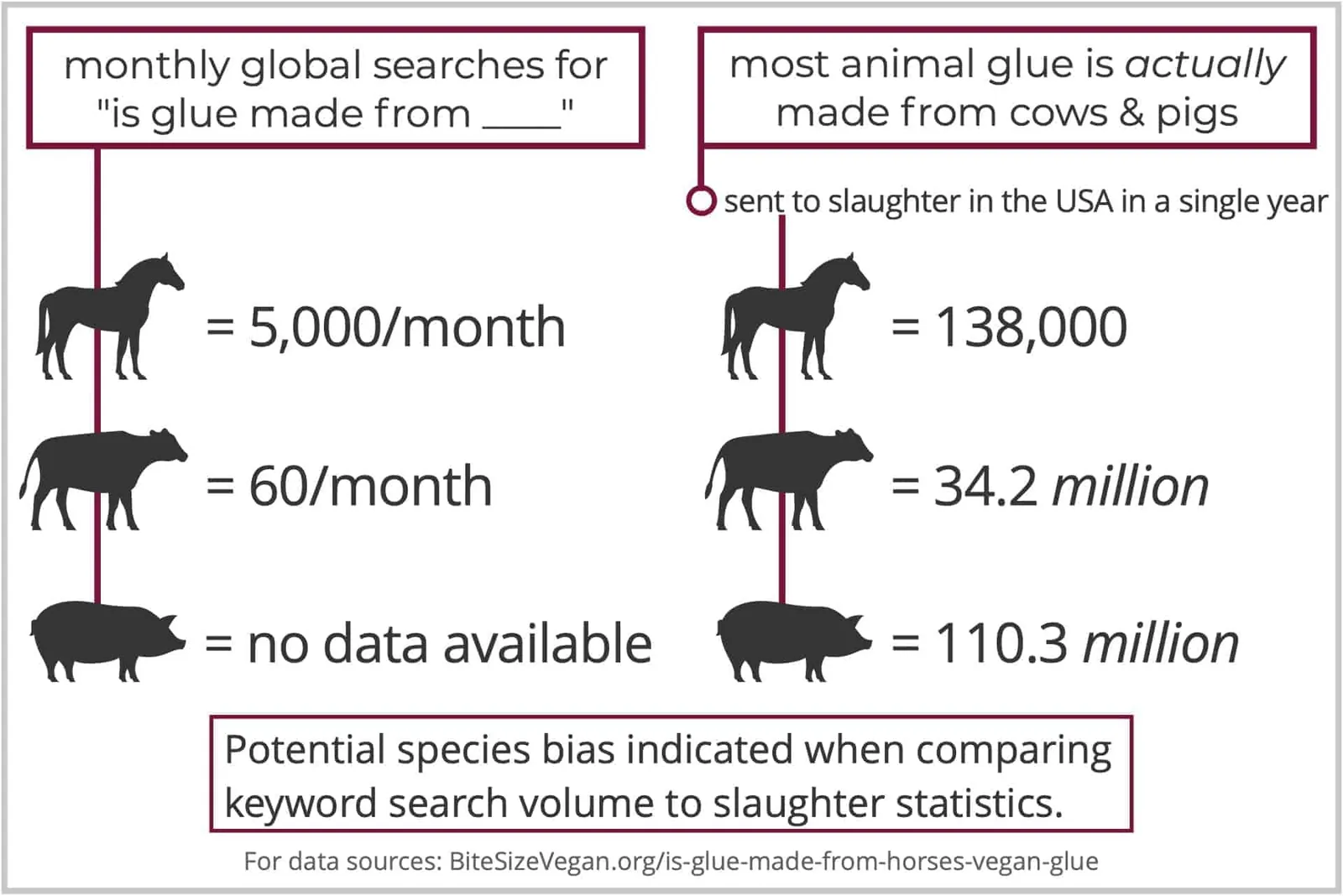
The production of animal glue, often called hide glue, was once a common industrial process for creating strong, reversible bonds in woodworking and bookbinding. Manufacturers extracted protein from collagen-rich parts of the animal, such as skin, tendons, and connective tissue, through a process of boiling and refining.
| Situation | Answer | Why |
|---|---|---|
| Traditional woodworking | Yes | Hide glue provides superior strength. |
| Modern mass manufacturing | No | Synthetic glues are cheaper to produce. |
| Specialized instrument repair | Yes | It’s historically accurate and reversible. |
| Industrial bookbinding | No | Modern chemical adhesives are faster. |
| Home DIY repairs | No | Synthetic glues are safer and easier. |
| Fine art restoration | Yes | The material is stable and reversible. |
This method relies on the thermal properties of collagen proteins. These proteins melt when heated and set into a rigid, amorphous gel as they cool, which creates a bond that’s often stronger than the wood itself.
Why Animal Glue Is Rare Today
The decline of animal-based adhesives stems from the rise of chemical engineering and mass production. Synthetic glues, such as polyvinyl acetate or cyanoacrylate, offer consistent quality and longer shelf lives. These modern products don’t require the labor-intensive boiling and filtering of animal parts, making them far more cost-effective for factories.
Safety and hygiene also play a major role in this shift. Animal-based products are organic and can support bacterial growth if not processed or stored correctly. The United States Department of Agriculture oversees the handling of animal byproducts to ensure that such materials don’t pose public health risks.
Economic factors determine the choice of adhesive in most modern workshops. If you’re doing general repairs, synthetic glue is the standard; if you’re restoring a 17th-century antique, only traditional hide glue will do.
Handling Natural Adhesive Materials
If you decide to work with traditional hide glue for restoration projects, you must follow specific steps to ensure the bond holds. These materials are sensitive to temperature and moisture, which dictates how you must prepare your workspace.
- Soak the dry granules in cold water for at least 4 hours until they swell into a jelly-like consistency.
- Heat the mixture in a double boiler, keeping the temperature between 140°F and 150°F to prevent the proteins from breaking down.
- Apply the adhesive quickly while it’s still warm, as it begins to thicken the moment it touches a cooler surface.
- Clamp the pieces tightly together for at least 12 hours to allow the moisture to evaporate and the bond to set.
- Check the joint for excess glue, which you can wipe away with a damp cloth before it fully hardens.
The success of the bond depends entirely on keeping the temperature within the range recommended by the adhesive manufacturer. If the glue is too hot, it loses its strength; if it’s too cold, it won’t penetrate the wood fibers properly.
The Common Mistake in Adhesive Selection
A major mistake people make is assuming that all “animal glue” is the same, which often leads to using the wrong strength for their specific task. Manufacturers grade these glues by their gram strength, which indicates how much force is required to break a test sample of the material.
Using a high-strength glue for a delicate, reversible repair can cause the wood to split before the glue gives way. You must match the adhesive’s structural integrity to the flexibility of the substrate. If the glue is stronger than the wood fibers themselves, the material will fail under seasonal humidity shifts.
Always check the technical data sheet for the specific gram strength of the product you have purchased. If a project requires future disassembly, choose a lower gram strength to ensure the bond remains the weakest link in the assembly, protecting your original materials from permanent damage.
When to Seek Professional Help

Working with traditional animal adhesives requires specialized knowledge of temperature control and material compatibility. You should stop attempting this work yourself if you encounter these signs:
The glue fails to set after 24 hours, which often indicates the proteins have been overheated or are too old. Such failures often mean the organic structure has broken down beyond the point of recovery.
The wood surfaces show signs of staining, which requires professional chemical cleaning to resolve. These dark marks often penetrate deep into the grain, making standard sanding ineffective and potentially harmful to the piece.
The project involves structural load-bearing components where a failed bond could lead to injury. Because animal glues are sensitive to humidity, they may weaken unexpectedly in non-climate-controlled environments.
The item is a high-value historical artifact, as improper application can permanently damage the wood fibers. Professional conservators are the only ones equipped to handle these items safely. They have the training to identify the original adhesive and apply the correct historical formula without causing further degradation. Their intervention ensures the object remains stable for future generations.
Frequently asked questions
Does hide glue still exist today?
Yes, hide glue is still available today for specialized woodworking and musical instrument repair. It’s sold by niche suppliers who cater to luthiers and fine furniture makers who prioritize historical accuracy and the ability to reverse bonds later.
How strong is animal glue compared to modern wood glue?
Animal glue creates a bond that’s as strong as the wood itself, often exceeding the strength of modern synthetic alternatives. Its primary advantage is that it can be softened with steam or heat, allowing for future repairs that synthetic glues usually prevent.
Is it safe to use animal glue at home?
Yes, it’s safe to use at home provided you use a double boiler to keep the temperature stable. You must avoid direct heat, which can burn the glue and release unpleasant odors, and always ensure your workspace has proper ventilation.
How long does animal glue last in the bottle?
Liquid hide glue, which contains additives to keep it fluid, typically lasts 12 to 18 months when stored in a cool, dark place. Traditional dry granules, however, can remain stable for years if they’re kept in an airtight container away from moisture.
Can I mix different types of glue?
No, you should never mix animal glue with synthetic adhesives because they have different chemical structures and curing processes. Doing so will result in a weak, unstable bond that will likely fail under pressure or change in humidity.
Why does my hide glue smell bad?
The smell indicates that the glue has begun to decompose, usually because it was left at a warm temperature for too long. Once the bacterial growth starts, the protein structure is compromised and the adhesive will no longer provide a reliable bond.
How much glue do I need for a chair repair?
You generally need about 1 to 2 ounces of dry granules for a standard chair repair, which will yield enough liquid adhesive for multiple joints. Always mix only what you need for the immediate task, as the material can’t be reheated indefinitely.
Starting Your Adhesive Project
Begin by identifying the specific type of material you’re repairing to determine if traditional hide glue is necessary. These natural proteins bond best with porous surfaces like wood or leather, rather than synthetic plastics or metals.
You’ll know the process is working when the adhesive flows smoothly and sets firmly within a few hours. If the glue remains tacky or develops an odor, stop immediately and discard the batch to prevent damage to your project.
Test your mixture on a small, hidden area of the material first. This ensures the pH levels of the hide glue don’t discolor or warp delicate fibers. If the surface darkens significantly, adjust your application technique or switch to a modern alternative.