
Buying a horse is a big decision. The cost is not just about the price tag you see at the sale. There are many things to think about: the breed, the horse’s age, training level, ongoing care, and where you live. For anyone dreaming of owning a horse, understanding the real expenses is key. This guide will walk you through everything you need to know about how much horses cost to buy, from initial purchase to hidden fees, so you can plan wisely and avoid surprises.
What Affects The Price Of A Horse?
Many people think a horse is just a luxury animal, but prices vary for several reasons. The cost can range from a few hundred dollars to hundreds of thousands. Let’s look at the most important factors.
Breed
Some breeds are more expensive due to their popularity or special abilities. For example, Thoroughbreds and Warmbloods used for sports can cost much more than Quarter Horses or Arabians. Rare breeds or those with champion bloodlines are also pricier.
For instance, a Thoroughbred bred for racing may have a high price because of its bloodline and speed potential. Warmbloods are often sought after for jumping and dressage, so their value rises if they have proven talent. On the other hand, Quarter Horses are popular for ranch work and everyday riding, so their prices stay more stable and affordable.
Some breeds also come with extra expenses after purchase. Friesians, for example, need special grooming due to their long, thick manes and tails. If you buy a rare breed, expect higher costs for registration and sometimes for finding proper feed or equipment.
Age
Young horses are usually cheaper than trained adults. Foals (baby horses) can cost less, but they need years of training and care. Older horses, especially those well-trained, are more expensive because they’re ready to ride.
An older horse with a calm temperament and solid training is ideal for beginners, but you pay more for this “ready-to-go” quality. Young horses (under 3 years old) may be tempting due to their low price, but the cost of training and time investment can be much higher in the long run.
Age also affects insurance costs; older horses may have higher medical expenses, while young horses can be riskier due to unpredictable behavior.
Training And Experience
A horse trained for a specific discipline (like dressage or jumping) costs more. The better the horse’s skills, the higher the price. Horses with show records, awards, or professional training often sell for a premium.
For example, a horse with a proven record in competitions can cost tens of thousands more than a similar horse without show experience. If you need a horse for a special activity (like barrel racing or eventing), be ready to pay for the training and reputation.
Horses trained to work with children or beginners are also more expensive, as their safety and reliability are highly valued.
Location
Prices differ by region. In areas with lots of horse farms, prices may be lower. In cities or places where horses are rare, expect to pay more.
If you live in a rural state like Kentucky, you may find horses for lower prices than in urban California. Transport fees also increase if you buy from a distant area. Climate affects costs too; horses in cold regions may need more care (blankets, heated barns), which adds to the price.
Health And Temperament
Healthy horses with a calm, friendly attitude are more desirable. Horses with health issues, injuries, or aggressive behavior are cheaper, but may cost more in the long run.
A horse with a clean vet record and gentle behavior is worth paying extra for. Some health issues are not obvious at first, so a pre-purchase vet check is vital. Temperament affects safety—an anxious or aggressive horse can be dangerous and costly to train.
If you buy a horse with health problems, prepare for higher vet bills and special diets.
Insight: Many beginners forget to check the horse’s temperament. Even an expensive horse can be hard to handle if it’s nervous or aggressive. Always spend time with the horse before buying and ask for a trial period if possible.
Average Purchase Prices By Type
To give you a clear idea, here’s a look at typical prices for different types of horses in the US.
| Horse Type | Average Price (USD) | Typical Purpose |
|---|---|---|
| Backyard/Pleasure Horse | $1,000 – $5,000 | Casual riding |
| Young Untrained Horse | $500 – $3,000 | Training needed |
| Trained Trail Horse | $3,500 – $10,000 | Trail riding |
| Show Horse (Dressage, Jumping) | $10,000 – $50,000+ | Competitions |
| Racehorse (Thoroughbred) | $25,000 – $500,000+ | Racing |
| Rescue Horse | $300 – $2,000 | Adoption |
As you can see, prices depend heavily on the type and purpose of the horse. Many first-time buyers choose pleasure or trail horses, which are more affordable.
Keep in mind that prices can change quickly. For example, a backyard horse may cost less in winter when fewer people are buying, but more in spring. Show horses’ prices often rise after big competitions, especially if they win awards.
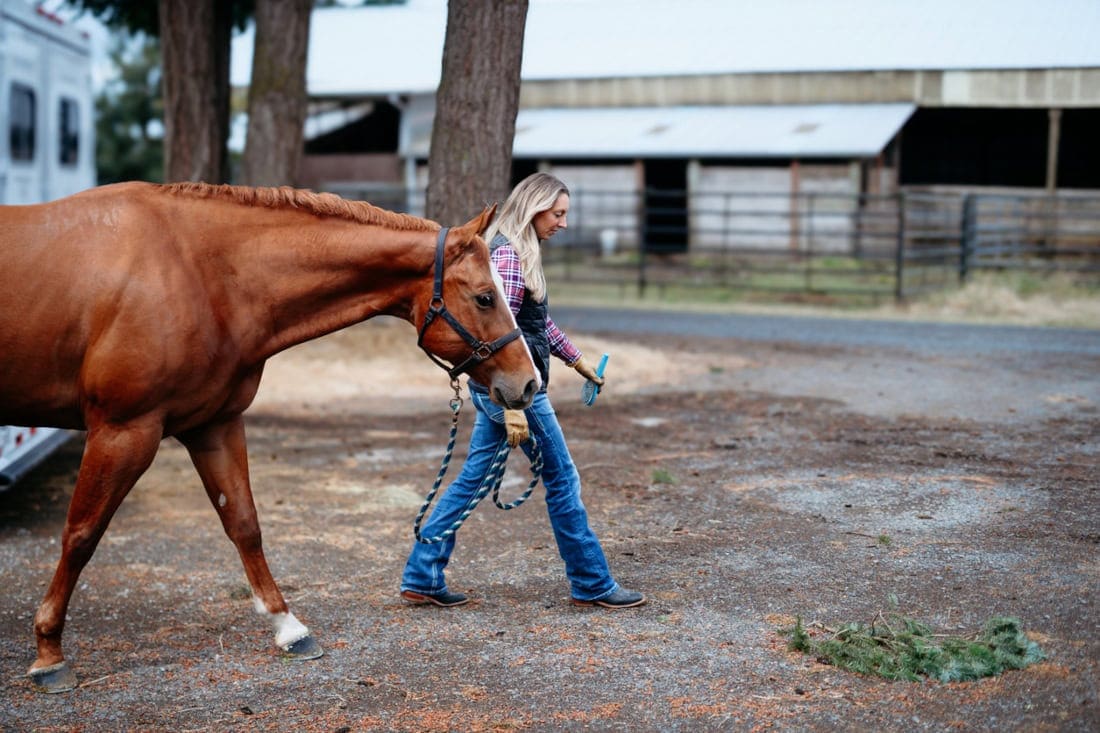
Credit: madbarn.com
Additional Costs Beyond Buying
Owning a horse is much more than the purchase price. You must plan for ongoing expenses and one-time fees.
Vet Checks And Medical Costs
A smart buyer will get a vet check before buying. This cost ranges from $200 to $500, but it can save thousands by spotting health problems.
After buying, regular vet care is needed:
- Vaccinations: $50–$200/year
- Dental care: $75–$250/year
- Emergency care: Variable, but can easily reach $1,000+
Most horses need annual shots for diseases like flu or tetanus. Dental care prevents painful mouth problems—horses chew all day, so healthy teeth are crucial. Unexpected injuries, like cuts or colic, can lead to high emergency bills. Some owners buy extra insurance to cover these risks.
If you plan to show or compete, your horse may need extra health checks, blood tests, or travel health papers. These add to your yearly medical costs.
Transport And Delivery
Moving a horse isn’t like moving a pet. Shipping costs depend on distance and method:
- Local transport: $100–$500
- Long-distance (across states): $1,000–$3,000
Professional horse haulers charge by the mile and may add fees for overnight stops. If your horse needs special care during transport (like medication or calmers), costs rise. International transport can cost $10,000 or more, including quarantine.
Some buyers try to move their horse themselves, but this requires a safe trailer and experience. If you’re new, using a professional hauler is safer for both you and the horse.
Insurance
Horse insurance isn’t required, but it’s wise for expensive animals. It covers accidents, illness, and sometimes theft.
- Basic mortality insurance: $300–$600/year
- Major medical insurance: $250–$900/year
If you compete or travel, extra coverage for liability (injuries caused by your horse) can be smart. Insurance prices depend on your horse’s value, age, and activities. Owners of high-value horses often buy full coverage to protect their investment.
Registration And Paperwork
Purebred horses often need registration. Fees vary by breed but usually cost $50–$200. Transferring ownership can add another $50–$100.
Some breeds require DNA testing or proof of lineage, which adds to the paperwork cost. If you want to breed or show your horse, registration is essential. Double-check that the papers match the horse you’re buying—mistakes here can cause problems later.
Non-obvious insight: Many buyers forget about registration fees, especially when buying from auctions or private sellers. It’s easy to overlook, but registration proves your horse’s identity and may be needed for insurance or shows.
Ongoing Monthly And Yearly Costs
Once you buy a horse, regular care is needed. Let’s break down typical expenses.
Boarding
If you don’t have your own stable, you’ll pay for boarding:
- Basic pasture boarding: $150–$400/month
- Full-care stable: $400–$1,200/month
Full-care includes feeding, cleaning, and daily checks.
Some stables offer “partial care,” where you do some chores yourself, saving money. If you keep your horse at home, costs shift to feed, fencing, and maintenance. Boarding also affects your horse’s health—good facilities reduce stress and sickness.
Feed And Supplements
Horses eat a lot. Hay, grain, and supplements add up:
- Hay: $40–$100/month
- Grain: $30–$80/month
- Supplements: $20–$50/month
Feed costs can change based on the horse’s size, activity, and health.
Larger horses or those in heavy work need more food. Some horses need special supplements for joint health, shiny coats, or energy. Feed quality matters—a cheap diet can lead to health issues later.
If your area has drought or poor hay supply, prices may spike. Always ask your stable manager for advice on feeding.
Farrier (hoof Care)
Horses need hoof trims every 6–8 weeks:
- Trim only: $40–$80/visit
- Shoes: $80–$200/visit
A working horse usually needs shoes, increasing the cost.
Hoof care is essential—bad feet can cause pain and lameness. Some horses, like those used for jumping or trail riding, need special shoes. If you skip farrier visits, you risk expensive vet bills later.
Tack And Equipment
You’ll need saddles, bridles, and grooming tools. Good quality gear costs:
- Saddle: $500–$2,500
- Bridle: $50–$300
- Grooming kit: $25–$100
These are one-time costs but may need replacing.
Cheap tack can break and cause injury. Investing in good gear helps both horse and rider. You may also need blankets, fly masks, and halters. Over time, tack needs repair or replacement, so budget for this.
Training And Lessons
If you’re new to horses, riding lessons and training are vital:
- Riding lessons: $40–$100/hour
- Professional horse training: $500–$1,500/month
Some horses need special training after purchase.
Lessons improve your skills and safety. Even experienced riders take lessons to learn new skills or fix bad habits. If your horse is young or nervous, professional training is a must. Training costs depend on the trainer’s reputation and the horse’s needs.
Practical tip: Budget for at least 6 months of lessons if you’re a beginner. It helps with safety and handling. If you skip lessons, you risk accidents and higher vet bills.
Miscellaneous Expenses
There are always surprise costs:
- Horse shows/competitions: $50–$500/event
- Emergency repairs (fence, stall): $100–$1,000
- Grooming, blankets, fly sprays: $100–$300/year
You may need to buy extra gear for different seasons (winter blankets, fly sheets). Horses can damage fences or stalls, especially if bored or nervous. If you travel with your horse, costs for hotels, fuel, and entry fees add up.

Credit: mynewhorse.equusmagazine.com
Comparing Cost Of Ownership: Buy Vs Lease
If buying a horse sounds expensive, leasing is another option. Leasing means you pay to use the horse for a set time, often for riding or competition.
Here’s a simple comparison:
| Factor | Buying | Leasing |
|---|---|---|
| Initial Cost | $1,000–$500,000+ | $500–$1,500/month |
| Long-term Commitment | Years | Months to a year |
| Responsibility | Full care | Shared or limited care |
| Ownership Benefits | Full control | Limited |
| Unexpected Costs | High risk | Lower risk |
Leasing is good for beginners who want to try horse ownership without the big financial risk.
Some leases include lessons or training, making them ideal for new riders. A “free lease” means you only pay for care, while a “paid lease” has monthly fees. Always read the lease contract carefully—some require you to pay for injuries or repairs.
Non-obvious insight: Leasing can help you learn about real costs and horse care before committing to ownership. It’s also a way to try different breeds or disciplines.
Cost Differences: Buying From Private Sellers, Dealers, Or Auctions
Where you buy your horse changes the price and experience.
Private Sellers
Buying from a private owner can be cheaper. You can ask about the horse’s history and personality. Prices are often negotiable, but there’s less protection if something goes wrong.
You may be able to spend time with the horse and ask about its daily routine. However, private sales can lack formal health guarantees. If the horse has hidden problems, it’s harder to get a refund.
Dealers
Horse dealers are professionals. They offer many options and sometimes guarantees. Prices are higher because dealers make a profit. You may get help with paperwork and transport.
Dealers may offer trial periods or exchange options. They often have connections for vet checks and can arrange transport for you. However, dealer horses are sometimes “prepped” for sale, making it important to ask about the horse’s real behavior.
Auctions
Auctions often sell horses at lower prices. However, there’s less chance to check the horse’s health or temperament. Some buyers get great deals, but others end up with unexpected problems.
Horses at auctions are sometimes nervous due to the busy environment, so their behavior may not reflect their true personality. It’s easy to get caught up in bidding and pay more than planned. If you buy at auction, bring an experienced friend or trainer.
Non-obvious insight: Horses at auctions may be stressed. Their real behavior may not show during the sale. Always plan for extra vet checks after an auction purchase.
Common Mistakes When Buying A Horse
Even experienced buyers can make errors. Here are pitfalls to avoid:
- Skipping the vet check: This leads to hidden health issues.
- Ignoring ongoing costs: Many focus only on the purchase price and forget monthly expenses.
- Choosing based on looks: A beautiful horse isn’t always the best match.
- Not considering experience level: Beginners should avoid high-energy or young horses.
- Overestimating skills: Buying a “hot” or highly trained horse without proper experience can be dangerous.
Advice: Always match the horse to your skill and budget. Take time to research, ask for help, and never buy on impulse.
Hidden Costs Many Buyers Miss
There are extra costs that catch many first-time buyers off guard:
- Horse trailer purchase: $2,000–$20,000 if you want to transport your own horse.
- Stable repairs: Maintenance is needed for fences, stalls, and equipment.
- Legal fees: Contracts, insurance, or disputes may need a lawyer.
- Extra vet bills: Horses can get sick or injured at any time.
Even small costs add up over time. Some buyers forget about costs like fly spray, winter blankets, or saddle fitting. If you compete, entry fees, travel, and special gear can surprise you.
Cost Of Owning Different Breeds
Let’s compare a few popular breeds and their typical costs, including purchase and care.
| Breed | Average Purchase Price | Yearly Care Cost | Common Uses |
|---|---|---|---|
| Quarter Horse | $2,500–$10,000 | $3,000–$6,000 | Riding, ranch work |
| Arabian | $5,000–$20,000 | $3,000–$7,000 | Endurance, shows |
| Thoroughbred | $8,000–$50,000+ | $4,000–$8,000 | Racing, jumping |
| Warmblood | $10,000–$100,000+ | $5,000–$10,000 | Dressage, jumping |
| Miniature Horse | $1,000–$4,000 | $2,000–$4,000 | Pets, shows |
Some breeds cost more to feed and care for, especially bigger horses or those used in sports. Warmbloods and Thoroughbreds often need higher-quality feed and more vet care. Miniature horses are cheaper to keep but may need special diets or care due to their size.
Real World Examples
Example 1: Buying A Trail Horse
Maria buys a 10-year-old Quarter Horse for $5,000. She boards it at a stable ($600/month), pays for feed ($100/month), and hoof care ($60/month). She spends $500/year on vet care.
- Yearly cost: Boarding ($7,200), feed ($1,200), farrier ($720), vet ($500) = $9,620
Maria also invests in tack ($800) and takes riding lessons ($600/year). Over time, she learns that small expenses like grooming tools and fly spray add up to about $200/year. By planning ahead, she avoids surprises.
Example 2: Adopting A Rescue Horse
John adopts a rescue horse for $1,000. He boards it at home but spends extra on medical care ($1,000/year) and training ($1,200/year).
- Yearly cost: Medical ($1,000), training ($1,200), feed ($600), farrier ($400) = $3,200
John saves money by boarding at home but spends more on vet bills due to the horse’s past injuries. He learns that rescue horses need patience and sometimes extra supplements to recover.
Example 3: Buying A Show Horse
Sara buys a Warmblood for $25,000. She pays for full-care boarding ($1,100/month), insurance ($600/year), feed ($150/month), and training ($1,000/month).
- Yearly cost: Boarding ($13,200), insurance ($600), feed ($1,800), training ($12,000), farrier ($1,500), vet ($1,000) = $30,100
Sara also spends on show entry fees ($2,000/year) and travel ($1,000/year). She realizes that competition horses require a bigger budget for gear, travel, and unexpected costs.
Insight: The cost of owning a horse often surprises buyers, especially with competition horses. Planning for all expenses helps avoid stress and keeps the horse healthy.

Credit: a-z-animals.com
How To Save Money When Buying A Horse
There are smart ways to reduce costs without sacrificing quality:
- Buy locally: Avoid high transport fees.
- Consider older horses: Mature horses are often cheaper and still great for casual riding.
- Adopt or rescue: Rescue horses can be less expensive, but may need extra care.
- Share ownership: Co-owning with a friend splits costs.
- Lease before buying: Try leasing to understand real expenses.
Ask trainers about horses for sale—they often know good deals. Look for horses needing homes due to owner changes, as prices may be lower. Always negotiate and ask for a trial period.
Tip: Never rush the buying process. Take time to research and ask for advice. A careful buyer saves money and finds the right horse.
Financing And Payment Options
Horses are expensive, so many buyers look for financing options.
- Loans: Some banks offer loans for horses, especially for high-value animals.
- Payment plans: Sellers may offer monthly payments.
- Horse clubs: Some clubs help with group buying or lease-to-own programs.
Some sellers offer “installment sales,” where you pay over time and take ownership after final payment. Always check for hidden fees or penalties if you miss payments.
Read contracts carefully. Ask about interest rates and what happens if you want to sell the horse before paying off the loan. Financing can help, but only if your budget allows for steady payments.
How To Choose The Right Horse For Your Budget
To avoid financial stress, match your choice to your resources.
- Decide your main purpose: Riding, shows, breeding, or companionship.
- Set a realistic price range, including ongoing costs.
- Think about your experience level. Beginners should look for gentle, trained horses.
- Factor in location. Local horses save on shipping.
- Plan for emergencies and hidden fees.
Ask trainers or experienced owners to help you set your budget. Make a list of must-haves and nice-to-haves. If you want to breed or show, expect higher costs.
Mistake to avoid: Buying a horse that’s “almost affordable.” Always leave room in your budget for surprises. If you use all your money for the purchase, you may struggle with care costs later.
Where To Find Horses For Sale
There are several ways to find horses:
- Online platforms: Websites like Equine.com or HorseClicks list many horses.
- Local barns and clubs: Visit stables and talk to trainers.
- Horse shows and events: Meet sellers and see horses in action.
- Rescue organizations: Adopt horses needing homes.
You can also check community boards or ask your vet for leads. Sometimes word-of-mouth is the best way to find honest sellers. Always visit the horse in person and ask for a trial ride.
Resource: For more details, see Wikipedia’s Horse page.
Legal Considerations When Buying A Horse
Buying a horse is a legal process. Always use a written contract with these details:
- Horse’s name, breed, age, and registration
- Price and payment terms
- Health and vet records
- Return or refund policy
Contracts protect both buyer and seller. Include details about delivery, insurance, and what happens if the horse gets sick soon after sale. If buying with a friend, outline how costs and decisions are shared.
If possible, ask a lawyer to review the contract. This protects both buyer and seller.
Advice: Never rely on verbal promises. Written contracts prevent misunderstandings. If you buy from a dealer, make sure the contract meets your needs.
Buying A Horse As A Beginner: What To Know
If you’re new to horses, here are some key points:
- Start with riding lessons before buying.
- Ask trainers for help during the buying process.
- Choose older, gentle horses with solid training.
- Visit the horse multiple times before buying.
- Bring an experienced friend or trainer to inspect the horse.
Take notes during visits and ask many questions. Watch the horse interact with different people and in new situations. Test ride if possible, and see how the horse behaves in the stable.
Insight: Many beginners get excited and buy too soon. Slow down and make sure the horse fits your skills. Ask about the horse’s daily routine, feeding, and care needs.
Frequently Asked Questions
How Much Does A Basic Riding Horse Cost?
A basic riding horse costs about $1,500 to $5,000 in the US. This price is for casual riding horses, usually older and well-trained. Young or highly trained horses can cost more.
What Is The Cheapest Way To Buy A Horse?
The cheapest way is often adopting from a rescue. Prices range from $300 to $2,000. However, these horses may need extra medical care or training.
Are There Monthly Costs After Buying A Horse?
Yes. Common monthly costs include boarding ($150–$1,200), feed ($50–$150), and hoof care ($40–$200). Total monthly expenses usually range from $300 to $2,000 depending on care level.
Can I Finance A Horse Purchase?
Many sellers or banks offer loans or payment plans for expensive horses. Always check terms and interest rates before agreeing.
What Should I Check Before Buying A Horse?
Always check the horse’s health, temperament, training, and paperwork. A vet exam is important. Ask about the horse’s history and reasons for sale.
Owning a horse is a rewarding experience, but it takes careful planning and budgeting. By understanding the real costs, making smart choices, and asking for expert advice, you can enjoy a happy partnership with your new horse — without unexpected financial stress.
1 thought on “How Much Do Horses Cost to Buy: Complete Price Guide 2024”