
Horses are strong, graceful animals, but they can suffer from serious hoof problems. One of the most damaging is founder, also known as laminitis. This condition causes pain, swelling, and sometimes permanent changes in the hoof. If you own, care for, or work with horses, understanding how long founder lasts is essential for their health and recovery. Let’s explore how founder affects horses, what influences its duration, and how you can help a horse through this challenging condition.
What Is Founder In Horses?
Founder is a term used when a horse has severe laminitis that leads to lasting changes in the hoof. Laminitis itself means inflammation of the laminae, which are the soft tissues connecting the hoof wall to the bone inside. If the laminae are damaged, the hoof can become unstable, and the bone may rotate or sink. Founder is the result of this damage becoming chronic.
Common signs of founder include:
- Reluctance to move or walk
- Standing with weight shifted off the front feet
- Warm hooves
- Strong pulse in the feet
- Pain, often visible when walking
Founder is not a disease that goes away quickly. The damage can be long-lasting, sometimes permanent, and can deeply affect a horse’s comfort and ability to live normally.
It is important to understand that founder is not just a hoof problem. The condition affects the entire horse. The pain can lead to stress, loss of appetite, and changes in behavior. Horses may become withdrawn or aggressive due to discomfort.
In some cases, founder may affect both front feet, which makes movement even harder. The severity of signs depends on how much the laminae are damaged and how quickly treatment begins.
Causes Of Founder And Laminitis
Founder almost always starts with laminitis, but the reasons vary. Some common causes include:
- Overeating grain or rich pasture – Sudden access to high-sugar food can trigger laminitis.
- Obesity – Too much weight puts extra stress on the feet.
- Severe infections or illnesses – Sometimes toxins in the body cause inflammation in the hooves.
- Excessive work on hard surfaces – Hard ground can increase hoof stress.
- Hormonal problems – Conditions like Cushing’s disease can lead to founder.
Sometimes, other factors add risk. For example, horses that have had laminitis before are more likely to founder again, especially if their diet is not carefully managed. Horses with metabolic syndrome or insulin resistance also face greater danger. Environmental stress, like sudden weather changes, can play a part in triggering laminitis in sensitive horses.
Understanding the cause is important because it shapes treatment and influences how long founder lasts. For example, founder from a sudden overload of rich food might improve faster than founder caused by long-term hormonal issues.

Credit: extension.oregonstate.edu
How Long Does Founder Last In Horses?
Founder is not a simple injury with a fixed timeline. The duration depends on:
- Severity of the laminitis and damage
- Cause of the founder
- Treatment quality and speed
- Horse’s age and health
- Type of hoof damage (rotation, sinking, or both)
Acute Vs Chronic Founder
Acute founder refers to the early stage—often days or weeks—when the laminae are inflamed but before major hoof changes occur. If caught early and treated aggressively, some horses recover in 4–6 weeks. However, they may still need months before returning to normal work.
Chronic founder develops when the hoof structure is damaged, and the bone inside rotates or sinks. Horses with chronic founder often need months to recover, and some never return to their previous level of activity.
The difference between acute and chronic founder is important. Acute cases have a better chance for full recovery, especially if treatment starts quickly. Chronic cases often involve physical changes in the hoof that cannot be reversed. Horses may walk differently or need special care for life.
Recovery Timeline
Let’s look at typical founder duration:
- Mild cases: 2–3 months, but may be longer if complications arise.
- Moderate cases: 3–6 months, often with special care and shoeing.
- Severe cases: 6–12 months, sometimes longer. Some horses may have permanent lameness.
A horse’s comfort and ability to move may improve sooner, but the hoof takes time to regrow and stabilize. Hooves grow about 0.25 inches per month, so full recovery can take up to a year if the hoof is badly damaged.
It’s important to remember that “recovery” does not always mean the horse returns to full athletic ability. Some horses can be comfortable at rest or light work, but never resume jumping, racing, or heavy riding. Owners should set realistic goals and discuss them with their vet and farrier.
Data Table: Founder Recovery Estimates
Here’s a comparison of founder recovery times by severity:
| Severity | Typical Duration | Chance of Full Recovery |
|---|---|---|
| Mild | 2–3 months | High (80–90%) |
| Moderate | 3–6 months | Moderate (50–70%) |
| Severe | 6–12 months | Low (10–30%) |
These numbers depend on many factors, but they give a general idea of what to expect.
Factors That Affect Founder Duration
No two cases of founder are the same. Here are the main factors that change how long founder lasts:
1. Cause Of Founder
If founder is caused by a single event (like overeating grain), and treated quickly, recovery is often shorter. Chronic founder from hormonal problems or obesity can linger for months or years.
For instance, a horse that develops founder from eating too much grain may recover faster than a horse with Cushing’s disease causing repeated laminitis. In chronic cases, the underlying problem must be managed, or founder will return.
2. Speed Of Treatment
The sooner treatment starts, the better the outcome. Delays let damage worsen, extending recovery time. Immediate action can sometimes save the hoof from permanent harm.
Many owners make the mistake of waiting to see if the horse improves on its own. Even a short delay can allow the bone inside the hoof to rotate or sink, making recovery much longer.
3. Severity Of Damage
If the hoof bone rotates or sinks, founder lasts longer. Mild inflammation without bone movement heals faster.
The degree of damage is often measured by X-rays. Horses with less rotation usually recover faster and have fewer long-term problems. Severe cases may need special shoes, surgery, or even lifelong care.
4. Horse’s Age And Health
Older horses or those with other health problems (like arthritis or metabolic disease) heal slower.
Younger, healthy horses often recover better, but age is not the only factor. Horses with strong immune systems and good overall health respond well to treatment.
5. Quality Of Care
Proper hoof trimming, bedding, medications, and diet all help horses recover. Horses with poor care often develop chronic problems.
The skill of the farrier and vet matters. Expert care can make the difference between a horse returning to work or living with chronic pain.
6. Genetics
Some breeds, like ponies and draft horses, are more prone to founder. Genetics can influence how quickly the hoof heals.
Ponies, for example, often develop founder from rich grass. Their recovery can be slower if the underlying cause is not controlled.
7. Environmental Factors
Wet, muddy ground can slow healing. Dry, clean bedding helps recovery.
Environmental stress, such as standing on hard or uneven surfaces, can worsen pain and delay healing. Good stable management speeds recovery.
Comparison Table: Factors Impacting Founder Duration
| Factor | Effect on Duration | Example |
|---|---|---|
| Cause | Single event = shorter; chronic issue = longer | Grain overload vs Cushing’s disease |
| Treatment speed | Faster treatment = shorter duration | Immediate vet care vs delayed care |
| Severity | More damage = longer recovery | Rotation/sinking vs mild inflammation |
| Age/Health | Older/sick horses heal slower | Young healthy horse vs senior horse |
| Care quality | Better care = faster recovery | Expert farrier vs inexperienced owner |
Stages Of Founder Recovery
Recovery from founder happens in distinct stages. Recognizing these helps set realistic expectations.
1. Acute Stage
This is the early phase, lasting days to weeks. The horse is often in pain, reluctant to move, and the hoof is warm and swollen. Immediate veterinary care is critical. Anti-inflammatory drugs, cold therapy, and strict diet changes are common.
During this stage, horses may need stall rest to avoid further injury. Owners should monitor vital signs and keep the horse calm. The use of deep bedding can make standing more comfortable.
2. Stabilization
After the acute phase, the horse’s hoof stabilizes. Pain may lessen, but the hoof is still damaged. This stage lasts weeks to months. Regular hoof trimming, special shoes, and controlled exercise help.
This stage often involves regular check-ups with the vet and farrier. Adjustments to shoeing or trimming may be needed as the hoof regrows. Horses may be allowed limited movement, but careful monitoring is important.
3. Regrowth And Remodeling
This is the longest phase. The hoof slowly regrows, and the laminae repair. Horses may need months before the hoof is fully stable. Some horses never return to their original performance.
Hoof regrowth can be monitored by measuring the new hoof wall. Owners should check for signs of abnormal growth, such as rings, cracks, or changes in shape. Using supplements for hoof health may be helpful, but always ask your vet first.
4. Long-term Management
If founder causes permanent changes, the horse may need lifelong care. Special trimming, diet control, and monitoring are essential.
Horses in this stage may need regular pain management and may not do intense exercise again. Owners should learn to spot early signs of relapse and adjust care as needed.
Treatment Methods And Their Impact On Recovery Time
Different treatments can shorten or lengthen founder duration. Here are common strategies:
Medication
Vets often use NSAIDs (non-steroidal anti-inflammatory drugs) like phenylbutazone to reduce pain and inflammation. In severe cases, special drugs to improve blood flow are used.
Sometimes, vets prescribe medications to manage underlying conditions, such as pergolide for Cushing’s disease. Using the right medication at the right time is key to reducing founder’s duration.
Hoof Care
Expert farriers may use special shoes or pads to support the hoof and reduce strain. Regular trimming keeps the hoof balanced and encourages healthy regrowth.
The choice of shoe depends on the severity of founder. Some shoes help relieve pressure on the damaged laminae. Hoof boots can be used for added protection during recovery.
Diet Changes
Feeding low-sugar, low-starch diets is critical. Removing grain and lush grass can speed healing.
Owners should avoid treats with sugar or starch. Hay is usually safer, but check with a nutritionist or vet to ensure proper balance.
Exercise Restrictions
Horses with founder need limited movement, especially in the early stages. Controlled exercise may be introduced later to aid recovery.
Too much movement can worsen hoof damage. Some owners use small paddocks or stalls to limit activity until the horse is ready for more exercise.
Cold Therapy
Applying ice to the feet in the early stages can reduce inflammation and limit damage.
Ice packs or buckets of cold water are commonly used. Consistent cooling during the first 48 hours is most effective. This method is often overlooked but can make a big difference.
Surgery
In rare cases, surgery is needed to release tension in the hoof or correct bone position. Recovery from surgery is long and sometimes unpredictable.
Surgical options include deep digital flexor tenotomy or hoof wall resection. Surgery is considered only when other treatments fail, and the horse’s quality of life is at risk.
Comparison Table: Treatment Impact On Founder Recovery
| Treatment | Typical Effect | Recovery Speed |
|---|---|---|
| Medication | Reduces pain/inflammation | Faster if started early |
| Hoof care | Supports regrowth | Speeds recovery |
| Diet change | Stops further damage | Critical for healing |
| Cold therapy | Limits early damage | Best in acute stage |
| Surgery | Fixes severe cases | Variable speed |
Non-obvious Insights About Founder Duration
Many horse owners miss subtle points about founder:
- Hoof regrowth is slow – Even if pain improves, the hoof may need 6–12 months to return to normal. Owners often expect faster healing.
- Relapse is common – Horses that recover from founder are at high risk for future episodes, especially if diet or care lapses.
- Early intervention saves time – Starting treatment before the hoof bone moves drastically cuts recovery time. Waiting even a day can worsen the outcome.
- Chronic founder can be managed, not cured – Some horses live with founder for years. Managing pain and hoof health is possible, but full recovery may never happen.
- Environment matters – Clean, dry bedding and regular hoof checks speed healing more than many realize.
Another insight is that small changes in management can make big differences. For example, switching to dust-free bedding can help reduce inflammation. Also, using hoof supplements, like biotin or zinc, may support regrowth, but always consult your vet before adding new products.
What Determines If Founder Becomes Permanent?
Not all founder cases heal fully. Here’s what makes founder permanent:
- Rotation or sinking of the coffin bone – When the bone inside the hoof moves, it rarely returns to normal.
- Repeated founder episodes – Multiple attacks damage the hoof beyond repair.
- Poor management – Neglect or improper care can turn mild founder into lifelong lameness.
- Genetic predisposition – Some horses are genetically prone to chronic founder.
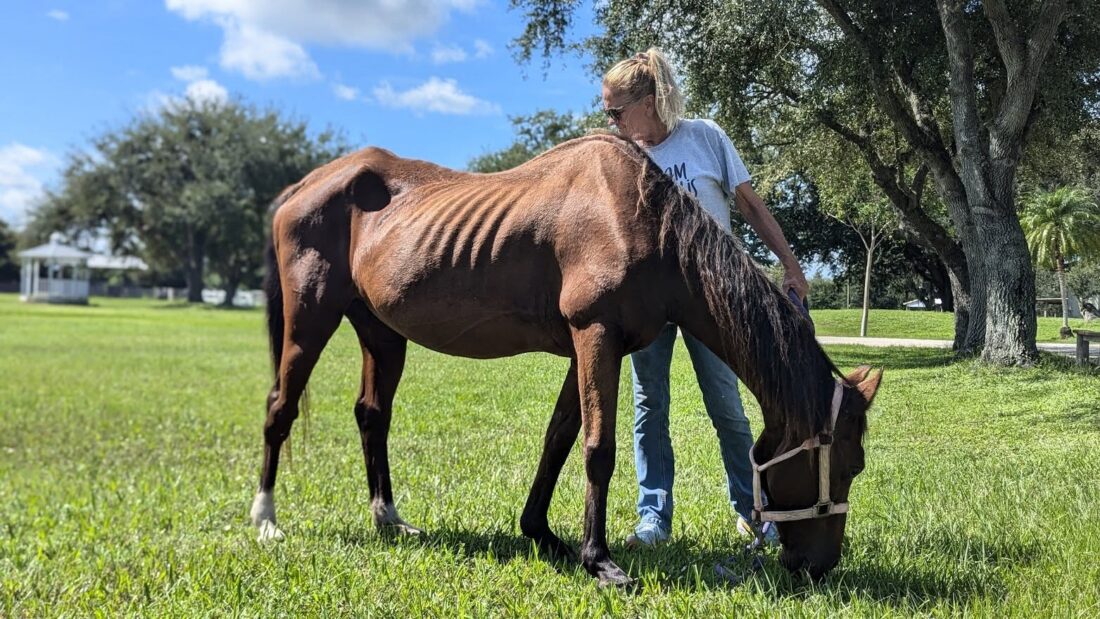
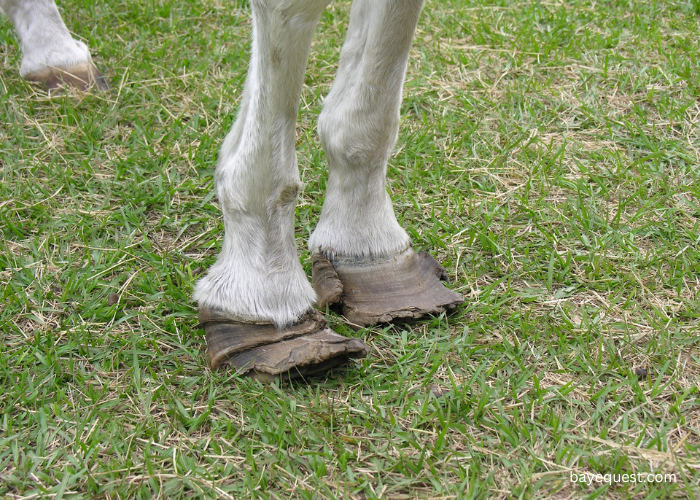
Permanent founder often shows as a “dished” hoof shape or a change in the horse’s gait. Horses may walk with a shortened stride or appear stiff. Owners should recognize these signs early and adjust management for comfort.
Horses with permanent founder usually need special shoes, pain management, and sometimes retire from regular work.
Credit: www.capecoralbreeze.com
Preventing Founder And Reducing Its Duration
Prevention is always better than cure. Here’s how to lower the risk and shorten founder if it occurs:
- Limit grain and rich pasture – Avoid sudden changes in diet.
- Keep horses at healthy weight – Overweight horses are at high risk.
- Regular hoof care – Trim hooves every 6–8 weeks.
- Monitor for early signs – Quick action at the first hint of pain or warmth in the feet.
- Manage underlying diseases – Treat Cushing’s, insulin resistance, and other issues quickly.
- Provide clean, dry bedding – Wet environments slow healing.
- Work with experts – Veterinarians and farriers can spot problems early.
It’s also helpful to keep a hoof health diary. Record any changes, treatments, and signs of pain. This can help your vet and farrier track progress and adjust care as needed.
Real-life Example: A Founder Recovery Story
Consider the case of a 12-year-old Quarter Horse mare named Daisy. Daisy developed founder after escaping into a lush pasture. She showed classic signs—limping, warm feet, and reluctance to move. Her owner called the vet immediately.
The vet started anti-inflammatory drugs, iced Daisy’s feet, and recommended a low-sugar diet. A skilled farrier fitted special shoes to support her damaged hooves. Daisy spent two months in a stall on soft bedding.
After three months, Daisy could walk comfortably, but her hoof still showed signs of rotation. Over six months, her hoof regrew, and she returned to light work. Daisy’s recovery was possible because her owner acted quickly, and she had good care.
Horses whose founder is managed slowly often suffer much longer or never fully recover.
Daisy’s story highlights the importance of teamwork. Her owner, vet, and farrier worked together, adjusting treatment as needed. Regular check-ups and detailed records helped them spot problems early. Not every horse recovers as well as Daisy, but quick action and expert care give the best chance.
Long-term Effects Of Founder
Even after recovery, founder can leave lasting marks. Horses may:
- Have misshapen hooves (long toes, low heels)
- Walk differently
- Need special shoes forever
- Be prone to future founder episodes
- Suffer from chronic pain
Some horses return to full activity, but others retire to light work or pasture. Owners should always monitor for signs of relapse and continue preventive care.
Long-term effects are often subtle. Horses may appear comfortable but still move differently or tire quickly. It’s important to watch for small changes in behavior or movement. Regular vet and farrier visits help catch problems before they get worse.
How To Monitor Recovery
Owners and vets use several ways to check founder progress:
- X-rays – Show bone rotation or sinking.
- Hoof growth checks – Measure how much new hoof grows each month.
- Pain and movement tests – Watch for improved walking and reduced lameness.
- Pulse checks – Strong digital pulses mean ongoing inflammation.
Hoof testers are also used to check for pain in specific areas. Owners can monitor appetite, attitude, and willingness to move as signs of improvement. Keeping notes and photos helps track changes over time.
Recovery is not just about pain relief. True healing means healthy hoof regrowth and stable movement.
Common Mistakes That Slow Recovery
Many beginners unknowingly extend founder duration by:
- Allowing horses to graze on rich pasture too soon
- Missing early signs of laminitis
- Neglecting regular hoof trimming
- Ignoring underlying health issues
- Delaying veterinary care
- Using the wrong bedding (wet, hard, or dirty)
- Failing to change diet after founder
Another mistake is overusing painkillers without solving the root cause. Pain relief is important, but addressing diet, hoof care, and environment is vital for real recovery.
Avoiding these mistakes speeds recovery and improves the chance of full healing.
When Is Euthanasia Considered?
Founder can be so severe that humane euthanasia is discussed. Reasons include:
- Uncontrollable pain – If pain cannot be managed, the horse’s quality of life suffers.
- Severe bone sinking – When the hoof bone sinks, the hoof may not support the horse.
- Repeated founder attacks – Multiple episodes cause lasting lameness.
Euthanasia is rare but sometimes necessary for the horse’s welfare.
Owners should talk openly with their vet about quality of life. The decision is never easy, but putting the horse’s comfort first is always the right choice.
Credit: www.bayequest.com
Frequently Asked Questions
How Can I Tell If My Horse Has Founder?
Look for signs like reluctance to walk, warm hooves, strong pulses in the feet, and a horse standing with its weight shifted backward. If you see these symptoms, call a vet immediately.
Is Founder The Same As Laminitis?
Founder is a severe, chronic form of laminitis. Laminitis is the inflammation of the hoof tissues. Founder means lasting damage, often with bone rotation or sinking.
Can A Horse Fully Recover From Founder?
Some horses recover completely, especially if founder is caught early and treated well. However, severe cases may leave permanent hoof changes or pain. Recovery depends on the cause, severity, and care.
How Long Should A Horse Rest After Founder?
Most horses need weeks to months of rest. Return to work should be slow, guided by a vet and farrier. Hoof regrowth takes time; rushing can cause relapse.
Can Founder Be Prevented?
Yes, founder is often preventable. Limit grain, control pasture access, keep horses at healthy weight, and provide regular hoof care. Managing underlying conditions is also important.
Taking founder seriously and acting quickly is the best way to shorten its impact. For more scientific information, see this Wikipedia article on laminitis.
Founder is a challenging problem, but with knowledge and care, horses can recover and live comfortably. If you suspect founder, work with your vet and farrier right away. Early action, proper management, and ongoing monitoring are the keys to minimizing founder’s duration and impact.