
Pregnancy brings excitement and hope, but it also comes with unexpected challenges. One common complaint among expecting mothers is the sudden, sharp muscle pain known as charley horse. These painful cramps, especially in the legs and feet, can strike at night or during rest. If you are pregnant and keep waking up with your calf muscles tightening uncontrollably, you are not alone. Many women experience these muscle cramps, sometimes so intense that they disturb sleep or make walking difficult.
But why do charley horses seem to target pregnant women? The answer is not simple—several factors combine to make muscle cramps more likely during pregnancy. Understanding these reasons can help you manage the discomfort, get better sleep, and know when to seek help.
In this article, we will explore the causes of charley horse in pregnancy, how to ease the pain, prevention tips, and what makes pregnancy cramps different from regular cramps.
What Is A Charley Horse?
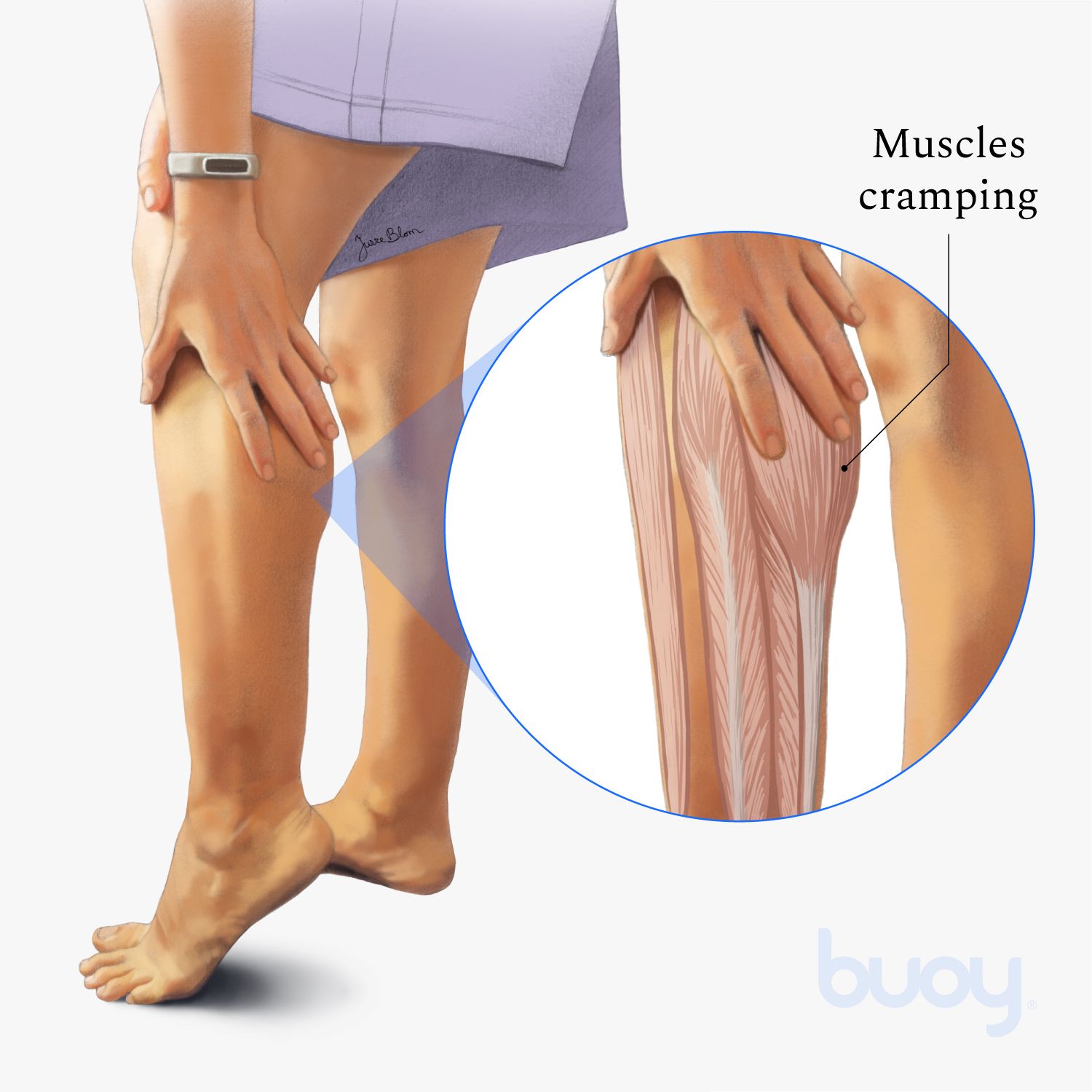
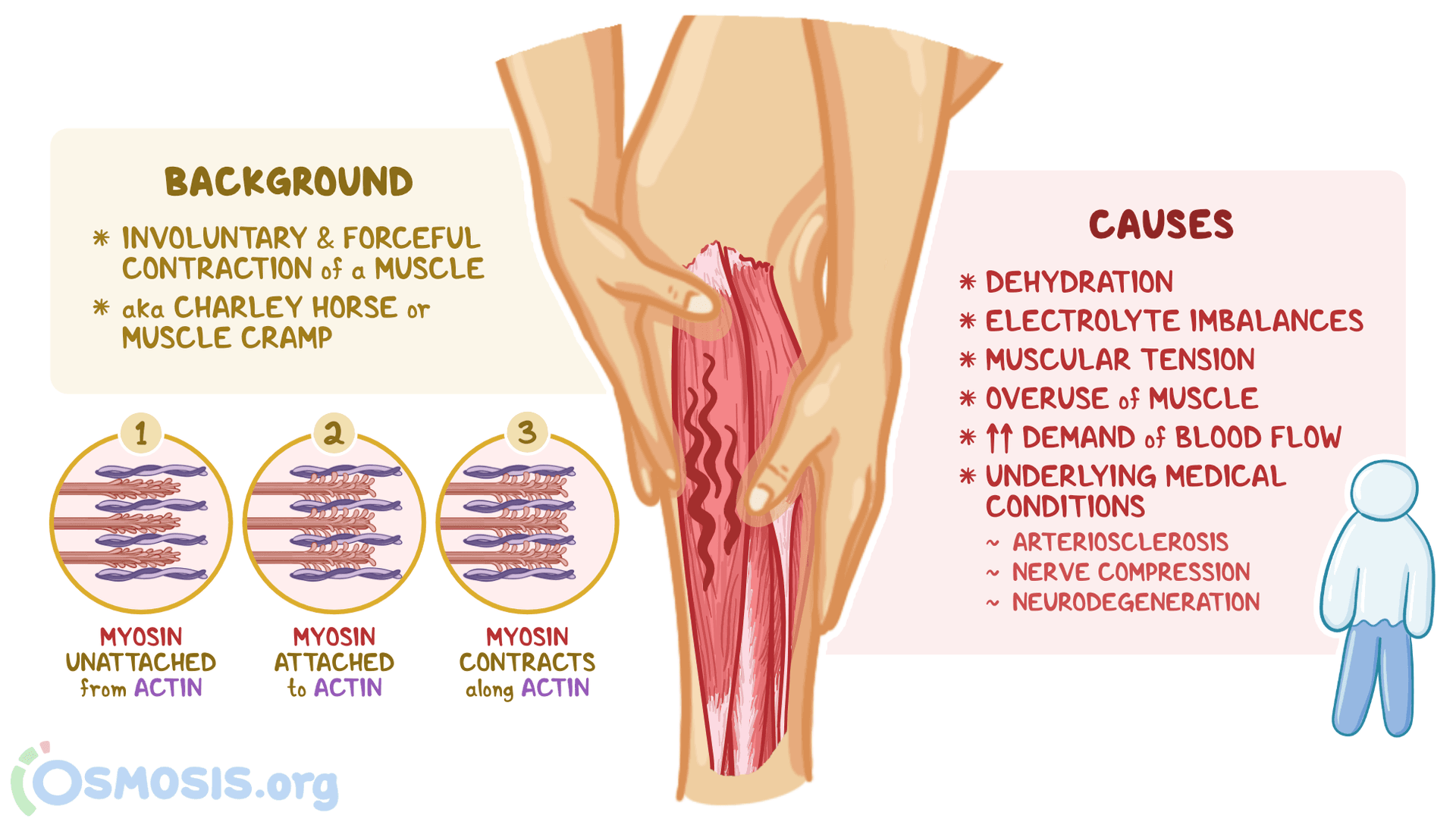
A charley horse is a sudden, involuntary spasm or tightening of a muscle, most often in the legs. This cramp can last from a few seconds to several minutes. The pain can be sharp, intense, and sometimes lingers even after the muscle relaxes. While anyone can get a charley horse, they are especially common during pregnancy, usually in the second and third trimesters.
How Does A Charley Horse Feel?
Most women describe it as a strong, tight pain in the calf muscle, sometimes spreading to the foot or thigh. The muscle may feel hard to the touch and difficult to move. Some people also experience soreness after the cramp ends.
When Do Charley Horses Usually Occur?
During pregnancy, these cramps often happen at night, disturbing sleep. They can also occur during rest or after a long period of sitting or standing. Nighttime cramps are so common that many women begin to fear stretching in bed.
Why Are Charley Horses Common During Pregnancy?
Charley horse cramps are far more common in pregnancy, especially after the first trimester. Studies show that up to 60% of pregnant women experience leg cramps, compared to only 7% of non-pregnant women in the same age group. Several reasons explain this increased risk.
Changes In Circulation
One key reason is circulatory changes. During pregnancy, the body produces more blood to support the growing baby. However, the veins in the legs work harder to move this extra blood back to the heart, especially as the uterus gets larger and presses on the pelvic veins. This can slow blood flow and lead to pooling of blood in the lower legs, making cramps more likely.
Fluid And Electrolyte Imbalance
Another important factor is fluid and electrolyte balance. Pregnancy causes the body to hold more fluid, but the balance of important minerals—like calcium, magnesium, potassium, and sodium—can shift. Even small changes in these minerals can trigger muscle cramps. For example, lower magnesium levels are linked to more frequent cramps.
Common Pregnancy-related Electrolyte Changes
| Electrolyte | Role in Muscle Function | Pregnancy Effect |
|---|---|---|
| Calcium | Helps muscle contraction and relaxation | May decrease due to baby’s needs |
| Magnesium | Prevents overactive muscle contraction | Often decreases in late pregnancy |
| Potassium | Balances fluid and nerve signals | Can drop with dehydration or vomiting |
| Sodium | Maintains fluid balance | Usually stable, but can shift with diet |
Increased Weight And Pressure
As pregnancy progresses, a woman gains weight, and the growing uterus places extra pressure on the blood vessels and nerves in the lower body. This pressure can reduce blood flow to the leg muscles, making them more likely to cramp. The added weight also increases muscle fatigue, especially in the calves.
Physical Activity And Fatigue
Pregnant women often experience more muscle fatigue because of extra weight and the effort needed to move. Standing or sitting for long periods can worsen this fatigue, leading to cramps. Ironically, both too little and too much physical activity can be a trigger.
Hormonal Changes
Pregnancy hormones, especially progesterone, relax the muscles and ligaments throughout the body. This helps prepare for childbirth but can also make muscles more sensitive to cramping. Hormones may also change how the body uses calcium and magnesium.
Poor Circulation At Night
Many women notice charley horses strike when they are in bed. Lying down for hours can slow blood flow in the legs, especially if you sleep on your back. This poor circulation increases the chance of a muscle cramp.
Credit: www.buoyhealth.com
Main Causes Of Charley Horse In Pregnancy
While many factors combine to cause cramps, some triggers are more common than others. Understanding them can help you avoid the worst pain.
1. Dehydration
Not drinking enough water makes muscle cramps more likely. The body needs enough fluid to move nutrients and minerals to the muscles. Even mild dehydration, which is common in pregnancy, can trigger a charley horse.
2. Mineral Deficiency
Low levels of magnesium, calcium, or potassium can make muscles contract suddenly. The growing baby uses these minerals for bones and nerves, so the mother’s supply can run low.
3. Poor Blood Flow
Sitting or standing for long periods, especially with legs crossed, slows blood return from the legs. Swelling, common in pregnancy, can make this worse. Poor blood flow means less oxygen for the muscle, leading to cramps.
4. Sudden Movements
Stretching your leg in bed, especially with toes pointed, can quickly trigger a cramp. The calf muscle is most sensitive to this.
5. Excess Weight
Gaining a healthy amount of weight is normal in pregnancy, but extra pounds put more pressure on the legs. This strain can lead to muscle fatigue and cramping.
6. Exercise Patterns
Both too little and too much exercise can be a problem. Muscles that are not used enough become weak, while overworked muscles can become fatigued and prone to cramping.
7. Cold Temperatures
Sleeping in a cold room or having cold feet can make muscles contract more suddenly. Some women notice more cramps during colder nights.
What Does Science Say About Pregnancy Cramps?
Doctors and researchers have studied charley horse during pregnancy for decades. While the exact cause is still debated, certain findings are clear.
- Magnesium deficiency is linked to a higher risk of leg cramps in pregnancy.
- Women with low calcium intake are more likely to report cramps.
- Nighttime leg cramps are most common in the second and third trimesters.
- Up to 75% of pregnant women will experience at least one leg cramp by the end of pregnancy.
A well-known study published in the “American Journal of Obstetrics and Gynecology” found that women who took magnesium supplements had fewer and less severe cramps. However, not all studies agree, and supplements should be taken only with a doctor’s advice.
How To Stop A Charley Horse When It Happens
When a charley horse strikes, the pain can be overwhelming. Here are practical steps to relieve the cramp quickly:
- Stretch the muscle: Straighten your leg and gently pull your toes toward your head. This stretches the calf and helps the muscle relax.
- Massage: Rub the cramped muscle with firm, gentle pressure.
- Walk around: If you can, stand up and walk slowly. Movement increases blood flow.
- Heat or cold: Place a warm towel or heating pad on the muscle. Some women find relief with a cool compress instead.
- Hydrate: Drink water after the cramp passes to help prevent another one.
Example Nighttime Routine
If you often wake with cramps, keep a small towel and water bottle by your bed. When a cramp starts, sit up, stretch your leg, and massage the muscle. Drink a few sips of water, then try to relax before returning to sleep.
Preventing Charley Horses During Pregnancy
While you cannot always prevent cramps, you can lower your risk by following these steps:
1. Stay Hydrated
Drink at least 8-10 cups of water each day, or more if you are active or it is hot. Proper hydration supports muscle and nerve function.
2. Eat A Balanced Diet
Include foods rich in magnesium (nuts, seeds, whole grains), calcium (dairy, leafy greens), and potassium (bananas, oranges, potatoes). These minerals keep muscles working well.
3. Gentle Exercise
Walking, swimming, and prenatal yoga keep your muscles strong and improve circulation. Aim for at least 20-30 minutes of activity most days, but do not overdo it.
4. Stretch Regularly
Stretch your calf muscles before bed and after long periods of sitting. A simple stretch: stand facing a wall, place your hands on the wall, step one foot back, and gently press your heel to the floor.
5. Avoid Standing Or Sitting For Long Periods
Change your position often. If you must sit, try not to cross your legs and stand up to move every hour.
6. Wear Supportive Shoes
Choose shoes with good arch support and avoid high heels. Supportive shoes reduce leg fatigue.
7. Sleep Position
Sleep on your left side with a pillow between your knees. This improves circulation and reduces pressure on blood vessels.
8. Elevate Your Legs
When resting, prop your feet up on a pillow or stool. This helps blood return to your heart.
9. Warm Baths
A warm bath before bed can relax your muscles and help prevent cramps.
10. Discuss Supplements With Your Doctor
If you have frequent cramps, ask your doctor about magnesium or calcium supplements. Do not start supplements on your own, as too much can be harmful.
What Makes Pregnancy Charley Horses Different?
Pregnancy cramps are not exactly the same as those experienced by non-pregnant people. Several features make them unique:
- Frequency: Pregnant women get cramps more often, sometimes several times per week.
- Timing: Most cramps occur at night, often during the second half of pregnancy.
- Intensity: The pain can be sharper and last longer.
- Location: Calves are most common, but feet and thighs can also be affected.
- Duration: The tendency to cramp may continue until delivery, then usually goes away.
When To Be Concerned About Leg Cramps
Most charley horses are harmless, but sometimes they can signal a more serious problem.
Warning Signs
- Swelling, redness, or warmth in one leg
- Severe pain that does not go away
- Cramp with fever or other unusual symptoms
These signs could mean a blood clot (deep vein thrombosis) or another issue. Pregnant women are at higher risk for blood clots, so always mention new, severe, or unusual leg pain to your doctor right away.

Credit: www.webmd.com
How Doctors Diagnose And Treat Pregnancy Cramps
Most of the time, doctors can diagnose charley horse by listening to your symptoms. They may ask:
- When do the cramps happen?
- How often?
- What makes them better or worse?
- Do you have swelling or redness?
If your cramps are severe or last for hours, your doctor may check your electrolyte levels with a blood test. Rarely, an ultrasound is needed to rule out a blood clot.
Treatment Options
- Advice on stretching and hydration
- Recommending a balanced diet
- Suggesting safe supplements if needed
- Rarely, medication for severe, frequent cramps
Practical Tips For Managing Charley Horses In Daily Life
Charley horses can make everyday life difficult, especially if they disrupt sleep or mobility. Here are some practical tips to handle them:
At Home
- Keep a water bottle nearby and sip throughout the day.
- Use a heating pad on sore muscles, but avoid placing it directly on your belly.
- Try gentle prenatal yoga or stretching classes.
At Work
- Take breaks to walk and stretch every hour.
- Use a footrest to elevate your feet when sitting.
- Wear compression socks if your doctor recommends them.
While Traveling
- On long car rides or flights, stand up and stretch every 1-2 hours.
- Wiggle your toes and flex your ankles while sitting.
- Stay hydrated, even if bathroom breaks are frequent.
Common Myths About Charley Horse In Pregnancy
Pregnancy is full of advice from friends and family. Not all of it is true. Let’s clear up some myths:
Myth 1: Charley Horses Mean You Are Unhealthy Or Doing Something Wrong.
Fact: Most pregnant women get cramps, even with a perfect diet and exercise plan.
Myth 2: Eating Bananas Will Always Prevent Cramps.
Fact: Bananas provide potassium, but cramps have many causes. No single food can guarantee prevention.
Myth 3: Only Women Who Do Not Exercise Get Cramps.
Fact: Both active and less-active women can experience cramps. Balance is important.
Myth 4: Leg Cramps Mean Your Baby Is At Risk.
Fact: While cramps are painful, they rarely signal a problem with the baby. Severe or unusual pain should be checked by a doctor.
Comparing Charley Horse In Pregnancy To Other Cramps
Pregnancy-related cramps are different from other types, like those from exercise or dehydration outside pregnancy. Here’s a comparison to help you understand the differences:
| Type of Cramp | Common Triggers | Who Gets Them | Pain Level | Prevention |
|---|---|---|---|---|
| Pregnancy Charley Horse | Nighttime, stretching, low minerals | Mainly pregnant women (2nd/3rd trimester) | Moderate to severe | Hydration, minerals, gentle exercise |
| Exercise-Induced Cramp | Overuse, dehydration, heat | Athletes, active people | Mild to moderate | Warm-up, hydration, rest |
| Nocturnal Leg Cramp | Unknown, sometimes age-related | Older adults, non-pregnant | Mild to moderate | Stretching, hydration |
Credit: www.osmosis.org
Role Of Diet In Reducing Leg Cramps
Eating the right foods can help minimize cramps. Here are some examples of foods rich in the key minerals:
Magnesium-rich Foods
- Pumpkin seeds
- Almonds
- Spinach
- Black beans
Calcium-rich Foods
- Milk and yogurt
- Cheese
- Broccoli
- Tofu
Potassium-rich Foods
- Bananas
- Oranges
- Sweet potatoes
- Avocados
How Hydration Affects Muscle Cramps
Staying hydrated is one of the simplest ways to prevent cramps. During pregnancy, your body needs extra water to support the baby and increased blood volume.
- Signs of dehydration: Dry mouth, dark urine, dizziness, headache.
- Tips: Drink water with every meal and snack. Carry a water bottle when you go out.
Hydration Comparison: Pregnant Vs. Non-pregnant Needs
| Status | Recommended Water Intake (per day) | Reason |
|---|---|---|
| Pregnant | 8-10 cups (2-2.5 liters) | Extra fluid for baby and blood volume |
| Non-Pregnant | 6-8 cups (1.5-2 liters) | Normal body needs |
The Emotional Impact Of Charley Horses
Frequent cramps can cause more than just physical pain. They can lead to:
- Sleep loss: Night cramps can interrupt rest, leading to tiredness and irritability.
- Anxiety: Some women worry cramps are a sign of a problem.
- Frustration: Repeated pain can make daily life harder.
Talk to your doctor if cramps affect your mood or sleep. Support from healthcare providers and loved ones can make a big difference.
Recovery After Pregnancy
Most women find that charley horses disappear soon after the baby is born. The body’s fluid and mineral balance returns to normal, and the extra pressure on the legs is gone. If cramps continue for weeks after delivery, mention this to your doctor.
When To Call Your Doctor
Always reach out to your healthcare provider if you notice:
- Severe or persistent pain
- Swelling, redness, or heat in one leg
- Fever or other unusual symptoms
- Cramps that do not improve with home care
These symptoms could signal a more serious condition, like a blood clot, and need quick attention.
Key Takeaways
- Charley horse is very common in pregnancy, especially in the second and third trimesters.
- Causes include circulation changes, mineral imbalance, weight gain, hormones, and muscle fatigue.
- Prevention includes hydration, a balanced diet, gentle exercise, and stretching.
- Most cramps are harmless, but some symptoms require a doctor’s attention.
- Cramping usually goes away after birth.
For more information on pregnancy health and muscle cramps, you can visit the Mayo Clinic.
Frequently Asked Questions
What Is The Main Cause Of Charley Horse During Pregnancy?
The main cause is a mix of circulation changes, mineral imbalance, and extra weight. The growing uterus presses on veins, slowing blood flow, while hormonal and mineral changes make muscles more likely to cramp.
Are Charley Horses During Pregnancy Dangerous?
In most cases, they are not dangerous and do not harm the baby. However, if you notice swelling, redness, or severe pain, call your doctor to rule out serious problems like blood clots.
Can Eating Certain Foods Prevent Charley Horses?
Yes, eating foods rich in magnesium, calcium, and potassium can help. Examples include nuts, dairy, leafy greens, bananas, and sweet potatoes. A balanced diet supports healthy muscles.
How Can I Quickly Relieve A Charley Horse At Night?
Stretch your leg by pulling your toes toward your head, massage the muscle, and apply heat or cold. Stand up and walk if possible. Drink water after the cramp passes.
Will The Cramps Stop After I Give Birth?
For most women, yes. Leg cramps usually go away within weeks after delivery as the body returns to normal. If they continue, check with your doctor.
Pregnancy charley horses are common, but with the right steps, you can manage them and enjoy a healthier, more comfortable pregnancy.