Every horse owner worries about their animal’s health. One of the most common threats horses face is internal parasites, or worms. These tiny creatures can cause big problems, often without obvious signs at first. If you know what to look for, you can catch a worm problem early and protect your horse’s health.
But how do you know if a horse has worms? The answer is not always simple. This guide will help you understand the signs, risks, testing methods, and steps you should take to keep your horse worm-free.
Why Worms Are A Serious Threat For Horses
Worms are more than just a nuisance for horses. Some worm species can damage the gut, steal nutrients, and even cause life-threatening problems. Horses of all ages can get worms, but young foals and older horses are especially at risk.
Horses can pick up worms from grazing, contaminated water, or even shared grooming tools.
What many new owners miss is that a horse can carry worms and seem perfectly healthy. Sometimes, the first clear sign appears only when the problem is advanced. That’s why it’s important to recognize even the subtle hints that something may be wrong.
Types Of Worms That Affect Horses
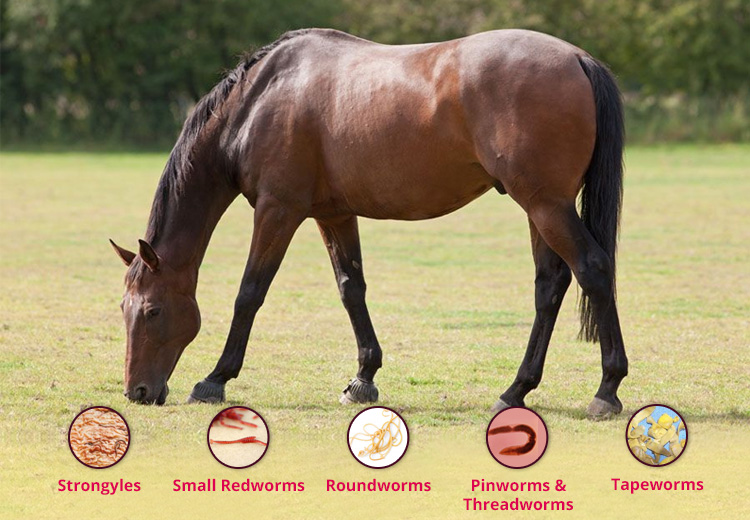
Not all worms are the same. Different types affect horses in different ways. Here are the main types you should know:
- Small Strongyles (Cyathostomins): The most common worms in adult horses. They can cause weight loss, diarrhea, and colic.
- Large Strongyles: Less common now due to modern dewormers, but very dangerous if present. They can damage blood vessels and intestines.
- Ascarids (Roundworms): Mainly affect foals and young horses. They can cause blockages and respiratory problems.
- Tapeworms: Linked to colic and other digestive issues.
- Pinworms: Cause itching around the tail.
- Bots: Flies lay eggs on the horse’s coat, and the larvae migrate inside. Usually cause less damage, but can irritate the stomach.
- Threadworms: Mostly a problem for foals, leading to diarrhea and slow growth.
Each type has its own lifecycle and symptoms. Understanding these differences helps you target the right treatment.
How Horses Get Worms
Horses pick up worms from their environment. Worm eggs are passed in manure and contaminate pasture, hay, or water. When a horse grazes or drinks, it can swallow these eggs. The eggs hatch inside the gut, and the cycle continues.
A key insight is that not all horses in a herd will carry the same worm burden. Some act as “super shedders,” spreading more eggs and increasing the risk for others. Regular testing and smart pasture management can lower infection rates.
Common Signs A Horse Has Worms
Worms often hide inside a horse’s body, making them hard to spot. However, several signs may warn you of a possible worm problem:
1. Weight Loss
A horse losing weight despite eating well may have worms stealing nutrients. This is a classic but sometimes overlooked sign. Worms can cause malabsorption, meaning the horse cannot use the food it eats properly.
2. Poor Coat Condition
A healthy horse has a shiny, smooth coat. If the coat becomes dull, rough, or patchy, worms may be to blame. This is especially true if good nutrition and grooming do not help.
3. Diarrhea Or Loose Droppings
Worms can irritate the gut lining, leading to diarrhea. Chronic loose manure, especially in young horses, should raise suspicion.
4. Colic Symptoms
Some worms, like large strongyles and tapeworms, can cause colic (abdominal pain). Signs include rolling, pawing, or looking at the belly. Colic is a medical emergency, so always call a vet if you see these signs.
5. Lethargy Or Poor Performance
Horses with heavy worm burdens may seem tired, unwilling to work, or slow to recover after exercise. This happens because worms compete for energy and nutrients.
6. Pot-bellied Appearance
Young horses, especially foals, with a swollen belly and thin body may have roundworms. This is a classic sign, but not always present.
7. Tail Rubbing
Pinworms cause intense itching around the tail. Horses may rub their tails on fences or stall walls, leading to hair loss and sores.
8. Coughing Or Nasal Discharge
Roundworm larvae can travel through the lungs, causing coughing and sometimes a runny nose. This is more common in young horses.
9. Slow Growth In Foals
Foals with worms may grow more slowly than expected. They may also develop a rough coat and thin frame.
10. Visible Worms In Manure
Sometimes, you may see worms in the horse’s manure, especially after deworming. This is a clear sign of infestation, but not seeing worms does not mean the horse is worm-free.
Non-obvious insight: Many horse owners expect to see worms in manure, but most worm species do not show up unless the burden is heavy or after deworming. Regular manure checks are useful but not enough for diagnosis.

Credit: wormguide.com.au
How Vets Diagnose Worms In Horses
Self-diagnosis is risky. The best way to know if a horse has worms is through proper testing.
Fecal Egg Count (fec)
This is the most common test. A small manure sample is sent to a lab, where the number of worm eggs per gram (EPG) is counted. This helps estimate how many adult worms are present.
How Fec Works
- Collect fresh manure (ideally less than 12 hours old).
- Send a sample to your vet or a lab.
- The lab counts the eggs under a microscope.
FEC is most useful for strongyles and ascarids. It is less useful for tapeworms and bots, which shed eggs less regularly.
Other Diagnostic Tests
- Fecal Egg Count Reduction Test (FECRT): Checks how well a dewormer works by comparing egg counts before and after treatment.
- Blood Tests: Can show signs of inflammation or organ damage, but not specific to worms.
- Saliva or Serum Tests: Newer tests can detect tapeworm proteins.
Rectal Exam
In some cases, a vet may perform a rectal exam to feel for abnormal masses or thickened intestines, which can suggest tapeworms or heavy infestations.
Non-obvious insight: Fecal tests do not detect every worm type. Combining tests and watching for clinical signs gives a clearer picture of your horse’s health.
Comparing Diagnostic Tools For Equine Worms
To understand the strengths and weaknesses of each method, consider this comparison:
| Diagnostic Method | Detects Most Worms? | Cost | Speed | Best For |
|---|---|---|---|---|
| Fecal Egg Count | Strongyles, Ascarids | Low | 1-2 days | Regular screening |
| FECRT | Strongyles | Medium | 2-3 weeks | Checking dewormer effectiveness |
| Tapeworm Saliva Test | Tapeworms | Medium | Few days | Suspected tapeworm cases |
| Blood Test | General health | High | 1-2 days | Serious or unclear cases |

Credit: extension.okstate.edu
Risk Factors For Worm Infestation
Some horses are more likely to get worms than others. Key risk factors include:
- Age: Foals and old horses are more vulnerable.
- Herd size: Larger groups increase exposure.
- Pasture management: Overgrazed or dirty pastures spread worms faster.
- Deworming history: Horses not dewormed on a schedule, or with overuse of one drug, face more problems.
- Travel and new arrivals: Bringing new horses into a herd can introduce new worm strains.
Understanding these risk factors helps you plan better prevention and monitoring.
What To Do If You Suspect Worms
If you notice signs of worms, don’t panic—but don’t delay either. Here’s what you should do:
- Contact a vet: Describe the signs and ask about testing.
- Collect a manure sample: If advised, collect fresh manure for a fecal egg count.
- Isolate the horse: If possible, keep the horse away from others until you know more, especially if diarrhea or colic is present.
- Avoid random deworming: Do not give just any dewormer without guidance. Some worms are resistant to common drugs, and the wrong treatment can make things worse.
- Monitor all herd members: If one horse is affected, others may be at risk.
Credit: www.petcaresupplies.com
Treatment: How To Get Rid Of Worms
Treating worms in horses is not just about giving a dewormer and forgetting about it. Smart, targeted treatment works better and helps prevent drug resistance.
Dewormer Types
There are several classes of dewormers (anthelmintics) used in horses:
- Benzimidazoles (Fenbendazole, Oxibendazole): Good for ascarids and some strongyles.
- Macrocyclic lactones (Ivermectin, Moxidectin): Broad-spectrum; effective against most worms and bots.
- Pyrantel: Works against roundworms and tapeworms (double dose needed for tapeworms).
- Praziquantel: Specific for tapeworms, often combined with other drugs.
Deworming Schedules
Years ago, horses were dewormed every 2-3 months, but this led to drug resistance. Today, targeted deworming is best. This means:
- Test first, treat only when needed.
- Focus on high shedders.
- Deworm foals and young horses more often.
- Treat for tapeworms once or twice a year, as advised by your vet.
Example Deworming Plan
For an average adult horse:
- Spring: Fecal egg count, treat if high.
- Summer: Repeat fecal egg count.
- Fall: Deworm for tapeworms and bots.
- Winter: Fecal egg count if needed.
Note: Always follow your vet’s advice, as climate, pasture, and horse age can change the plan.
Preventing Worms: Best Practices
Prevention is more effective than constant treatment. Here’s how you can reduce the risk:
1. Manure Management
Clean stalls and paddocks regularly. Remove manure from pastures at least twice a week to lower egg contamination.
2. Pasture Rotation
Move horses to new fields regularly, and allow pastures to rest. This breaks the worm lifecycle.
3. Avoid Overcrowding
Too many horses on too little land increases the risk of infection.
4. Quarantine New Horses
Keep newcomers separate until they have been tested and, if necessary, dewormed.
5. Separate Young And Old Horses
Foals and young horses are more vulnerable. If possible, keep them on separate pastures to limit exposure.
6. Use Feeders
Offer hay and feed in bins or racks, not on the ground, to avoid manure contamination.
7. Regular Fecal Testing
Test all horses at least twice a year. High shedders may need more frequent checks.
8. Track Results
Keep records of each horse’s test results and treatments. This helps spot trends and adjust care.
9. Rotate Dewormer Classes
If deworming is needed, rotate between drug classes to prevent resistance, but only with vet guidance.
Practical tip: Deworming too often, or with the same drug, leads to resistant worms. Always test first and treat only when necessary.
Comparing Dewormers: Effectiveness And Uses
Choosing the right dewormer matters. Here’s how the main options compare:
| Dewormer Class | Effective Against | Resistance Concerns | Best Use |
|---|---|---|---|
| Benzimidazoles | Strongyles, Ascarids | High for strongyles | Foals, targeted use |
| Macrocyclic Lactones | Strongyles, Bots | Growing for ascarids | Adult horses, bots |
| Pyrantel | Strongyles, Tapeworms | Some strongyle resistance | Tapeworm treatment |
| Praziquantel | Tapeworms | Low | Annual tapeworm control |
What Happens If Worms Go Untreated?
Untreated worm infestations can lead to:
- Severe weight loss
- Chronic diarrhea
- Colic (sometimes fatal)
- Stunted growth in foals
- Organ damage
- Death (in extreme cases)
Even mild infestations can lower performance, cause discomfort, and increase vet bills. Early action saves your horse from long-term problems.
Myths And Misunderstandings About Equine Worms
Many owners believe old advice or internet myths. Here are some common misunderstandings:
- “If I don’t see worms in manure, my horse is fine.” (False. Most worms are invisible.)
- “All horses need the same deworming schedule.” (False. Needs vary by age, location, and testing.)
- “Natural remedies work as well as drugs.” (Not proven. Always ask a vet before using herbal products.)
- “More deworming is better.” (False. Overuse causes resistance.)
Key insight: Blindly deworming every horse, every season, is outdated and can cause more harm than good.
When To Call The Vet
Call your vet immediately if:
- The horse shows signs of colic or severe diarrhea.
- There is sudden weight loss or a big drop in appetite.
- You see large numbers of worms in manure.
- A foal is coughing, not growing, or seems weak.
- Fecal egg counts are high, or dewormers seem ineffective.
A vet can guide you through testing, treatment, and prevention for your specific situation.
A Real-world Example
Imagine a boarding stable with twenty horses. The owner notices one horse losing weight and rubbing its tail. They test all horses and find that three have high egg counts, while the rest are low. By treating only the high shedders and improving manure management, the stable sees healthier horses, lower worm counts, and less need for medication.
This targeted approach saves money, reduces resistance, and keeps all horses safer.
The Role Of Resistance
One of the biggest challenges in horse health today is dewormer resistance. This means some worms are no longer killed by common drugs. Resistance builds up over time if drugs are overused or misused.
To slow resistance:
- Always test before treating.
- Use the right drug for the right worm.
- Rotate drug classes only if advised by your vet.
- Never underdose (use the correct weight for dosing).
Advanced insight: A small group of “super shedders” in your herd may spread most of the eggs. Focus testing and treatment on these animals to control the whole group.
How Environment And Season Affect Worms
Worms thrive in warm, wet conditions. Egg numbers usually rise in spring and fall. In cold climates, winter may give a short break from worm pressure, but do not ignore testing and prevention.
- Wet pastures: More eggs survive and infect horses.
- Dry, hot weather: Fewer eggs survive, but some worms can hide inside the horse’s gut.
Adjust your testing and management plan based on the climate and pasture conditions in your area.
Working With Your Vet: Building A Yearly Plan
The smartest horse owners work closely with their vets to create a custom parasite control plan. This plan should include:
- Regular fecal testing for each horse
- Scheduling treatments based on results, not the calendar
- Tracking which drugs are used and when
- Monitoring for signs of resistance
Your vet may also recommend new tests, like saliva kits for tapeworms, as science advances.
Key Takeaways For Horse Owners
- Not all worm signs are obvious. Watch for subtle changes in weight, coat, and behavior.
- Testing is better than guessing. Fecal egg counts are easy and affordable.
- Prevention works. Good manure management, pasture rotation, and quarantine protect your herd.
- Targeted treatment saves money and keeps drugs working. Treat the right horse at the right time.
- Work with your vet. They have the latest advice and can help you avoid costly mistakes.
For more in-depth science about equine parasites, visit the Wikipedia Equine Parasites page.
Frequently Asked Questions
How Often Should I Test My Horse For Worms?
Most experts suggest testing at least twice a year, in spring and fall. In large herds or high-risk areas, more frequent testing may be needed. Always adjust the schedule based on your vet’s advice.
Can I Use The Same Dewormer Every Time?
No. Using the same drug over and over increases resistance. Rotate classes only when necessary, and always test before treating. Your vet will help you choose the right product.
Is It Safe To Deworm Pregnant Mares Or Foals?
Most dewormers are safe for pregnant mares, but always check the label and ask your vet. Foals need special care—some drugs are not safe for very young horses. Deworm foals at 2-3 months and follow a plan made with your vet.
Why Do Some Horses Never Seem To Get Worms?
Some horses have stronger immune systems and shed fewer eggs. Others may have natural resistance. However, even low shedders can get worms, so regular testing is important for all horses.
Should I Worry If I See Worms In My Horse’s Manure After Deworming?
Not always. It is normal to see dead worms in manure after treatment, especially with a heavy infestation. If you see large numbers or live worms, or if your horse shows illness, call your vet.
Caring for your horse means staying alert to the hidden dangers of worms. By learning the signs, testing regularly, and using smart prevention, you can keep your horse healthy, happy, and performing at their best.