
Many people are fascinated by the deep connections between humans and animals, especially horses. Horses have been close companions to humans for thousands of years. They help us with work, sports, therapy, and even emotional support. But sometimes, questions arise about the nature of this relationship, especially when it comes to attraction. One question that often stirs curiosity and confusion is: Can horses be sexually attracted to humans? This topic may seem strange or uncomfortable, but it’s important to explore it with honesty, science, and care for both animals and people.
Understanding this subject is not just about curiosity. It helps protect both horses and humans from misunderstandings and ensures that our interactions remain healthy and respectful. If you care for horses, work with them, or just want to learn more, this article will give you a clear and complete answer.
We’ll look at horse biology, behavior, psychology, and the science behind animal attraction. We’ll also discuss myths, social issues, and the responsibilities of horse owners. By the end, you’ll have a deep and practical understanding of the topic—without confusion or misinformation.
What Does Sexual Attraction Mean?
Before diving into the main question, it’s important to understand what sexual attraction really means. In simple terms, sexual attraction is when one individual feels a desire or urge to mate with another, usually for reproduction. For humans, sexual attraction can be complex. It includes not just physical signals, but also emotions, thoughts, and social factors.
For animals, sexual attraction is usually more straightforward. It is guided mainly by instincts, hormones, and breeding cycles. In most animals, sexual attraction is driven by the need to reproduce and is aimed at members of their own species. This means horses are naturally attracted to other horses, not to humans, dogs, or other animals.
Horse Biology: How Horses Experience Attraction
Instinct And Reproduction
Horses are mammals, and like most mammals, their sexual behaviors are controlled by hormones and instincts. Mares (female horses) and stallions (uncastrated males) show signs of attraction to each other, especially during the mare’s “heat” or estrus period. This is the time when she can become pregnant. Stallions respond to the scent and behavior of mares in heat, and their bodies release hormones like testosterone, which increase mating urges.
The Role Of Scent, Sound, And Body Language
Horses use a mix of scent, sound, and body language to communicate interest in mating. For example, a mare in heat may urinate more often and raise her tail. A stallion may sniff, nuzzle, or make special sounds called “nickers” or “whinnies.” These signals are designed for other horses, not for humans or different species.
Can Horses Cross Species Boundaries?
In biology, the term species barrier means that animals are naturally attracted to their own kind for mating. This ensures the survival of each species. While there are a few rare exceptions in the animal kingdom (such as mules, which are crosses between horses and donkeys), sexual attraction across very different species, like horses and humans, is not part of natural behavior.
Credit: www.psychologytoday.com
Human-horse Relationships: Trust And Bonding
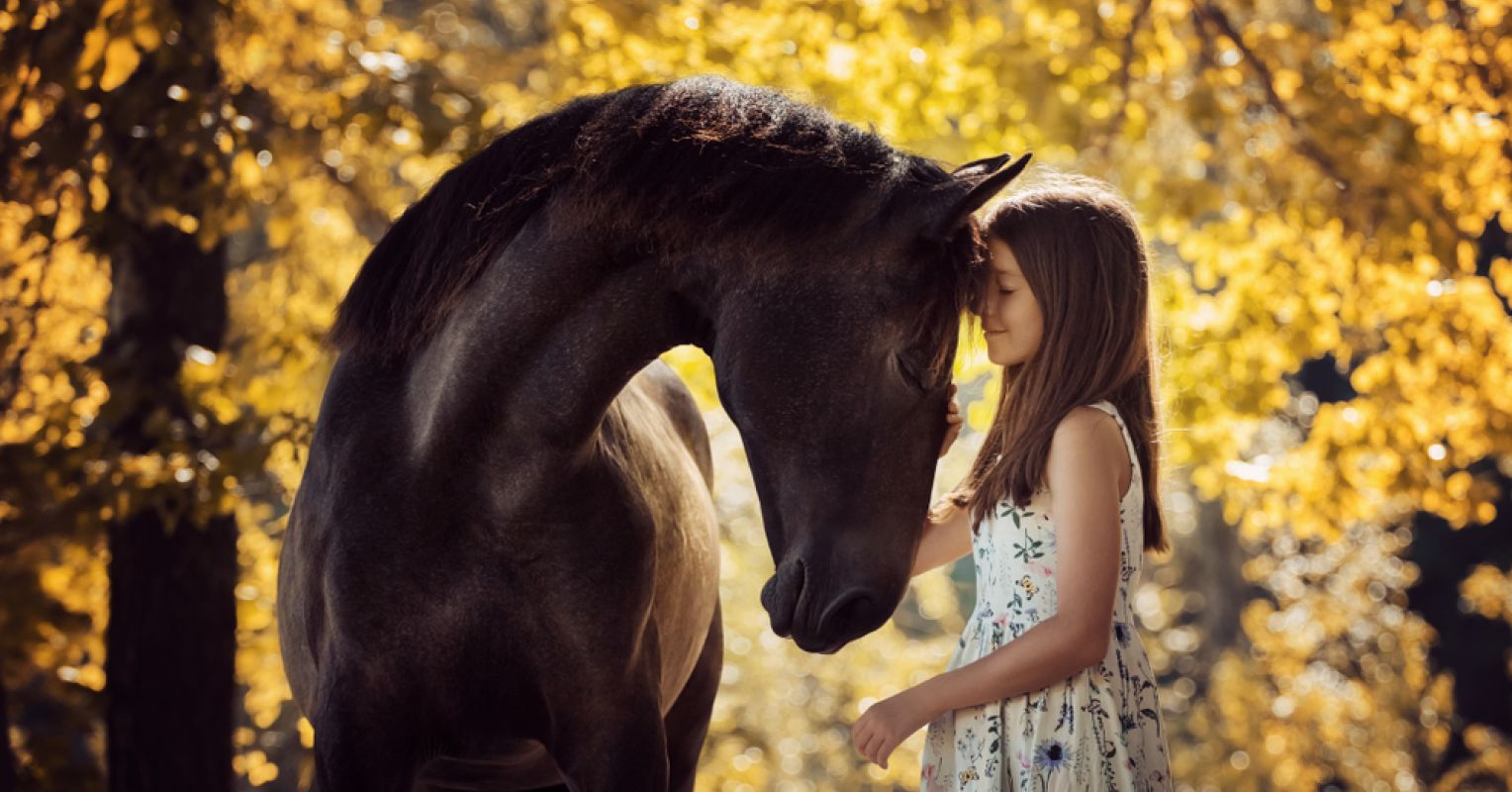
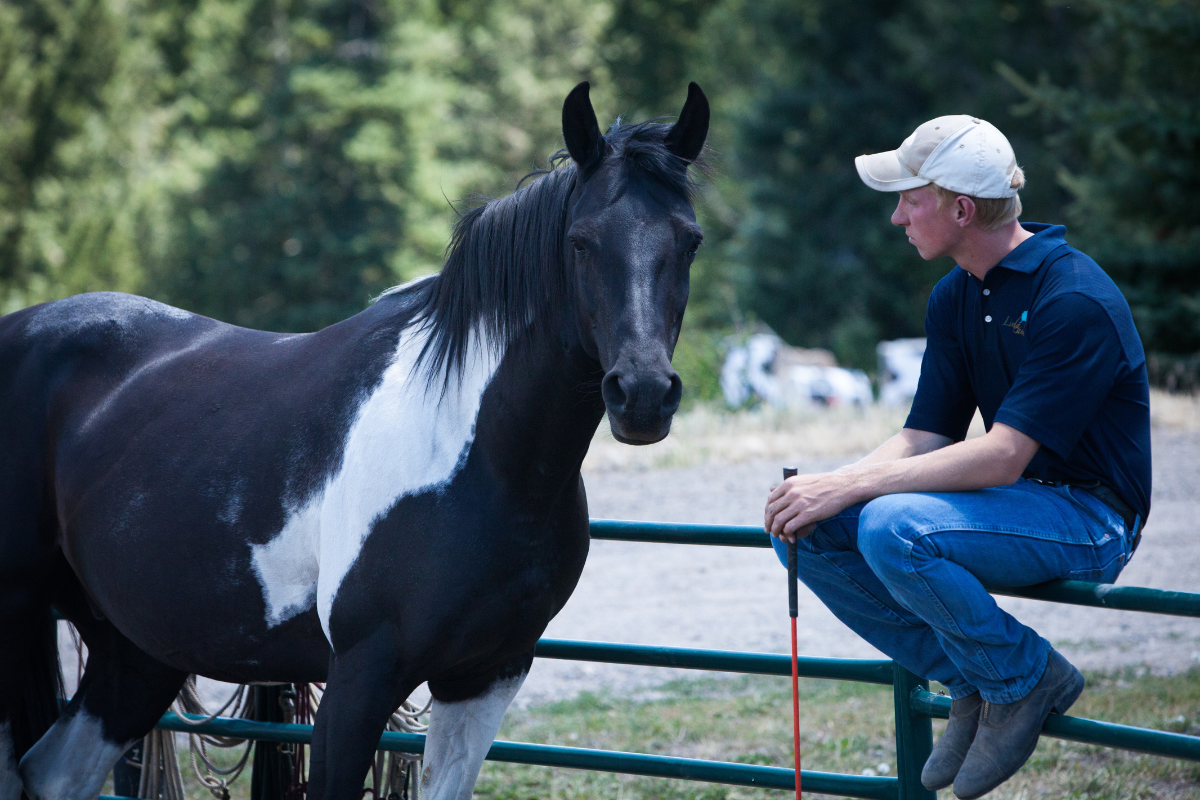
Horses can form very strong bonds with humans. These bonds are based on trust, comfort, and routine. Horses recognize their owners, respond to their voices, and seek attention or treats. It’s not unusual for a horse to follow a favorite person around, nuzzle them, or show affection. However, these behaviors are signs of friendship or affection, not sexual attraction.
Why Do Horses Seem “flirty” Sometimes?
Some horse behaviors can be misunderstood. For example, a horse might nudge, nibble, or follow a person. These are usually signs of curiosity, playfulness, or searching for food—not romance. Sometimes, a horse may mount another horse as a display of dominance, not attraction.
Very rarely, a horse might try to mount a person, but this is usually due to confusion, excitement, or poor training—not sexual desire.
Scientific Research On Cross-species Attraction
What Does Science Say?
So far, there is no credible scientific evidence that horses are sexually attracted to humans. Animal behavior experts, veterinarians, and animal psychologists agree that sexual attraction between horses and humans does not occur in a natural or healthy way.
Researchers who study animal behavior use tools like observation, hormone testing, and experiments to learn how animals think and feel. In these studies, sexual behavior is always linked to the animal’s own species. Horses do not show the signs of mating interest toward humans that they show to other horses.
Brain Differences
The horse brain is wired to recognize the shape, scent, and signals of other horses. The parts of the brain that control attraction simply do not respond to human cues in the same way. This is a key reason why cross-species sexual attraction is not possible for horses.
Hormones And Breeding Cycles
Horses have very specific hormone cycles that control when they are interested in mating. These cycles are connected to daylight, seasons, and the presence of other horses. Humans do not trigger these cycles in horses. Even in close contact, a horse’s body does not react to humans as it does to another horse.
Common Myths And Misunderstandings
Myth 1: Horses Can Fall In Love With Humans
Some people believe that horses can “fall in love” with their owners in a romantic way. This is a misunderstanding. Horses can become attached to humans, but this is similar to how a dog bonds with its owner—based on trust, routine, and positive experiences, not sexual feelings.
Myth 2: Certain Behaviors Mean Attraction
If a horse nuzzles, licks, or follows a person, it may seem “flirty. ” In reality, these are normal horse behaviors. They often mean the horse is looking for treats, attention, or play. It’s easy to misread animal behavior if you do not understand the signals.
Myth 3: Stallions Are More Attracted To Women
There is a rumor that stallions are especially attracted to women because of their scent or appearance. However, there is no scientific support for this. Stallions may be more interested in people who feed them or spend time with them, but this is not sexual attraction.
Myth 4: Horses Can Imitate Human Romance
Movies, books, and stories sometimes show horses acting in a romantic way with humans. This is fiction, not reality. While horses can form deep bonds, they do not experience romance or sexual attraction toward humans.
The Psychology Behind Animal Attraction
Instinct Vs. Learning
Horse behavior is guided mostly by instinct, not by learning or imagination. Horses do not have the same complex emotions as humans. They cannot “decide” to be attracted to something outside their natural instincts.
The Role Of Imprinting
Young animals sometimes form strong attachments to the first thing they see after birth, a process called imprinting. In rare cases, a foal raised only by humans might show unusual behaviors, but this is not the same as sexual attraction. Instead, the animal may see humans as a source of safety or food.
Can Horses Be Confused?
Horses can be confused by certain situations—especially if their social needs are not met. For example, a stallion kept alone may try to mount objects or even people. This is a sign of stress or poor management, not attraction. Owners need to provide proper socialization for their horses.
Animal Behavior And Human Interpretation
Why Do People Misread Animal Behavior?
Humans often anthropomorphize animals, which means they give human traits to animal actions. For example, if a horse puts its head on your shoulder, you might think it is being romantic. In reality, the horse may just be seeking comfort, warmth, or attention.
The Danger Of Misinterpretation
Misreading animal behavior can be dangerous for both people and animals. If someone thinks a horse is “in love” with them, they may act in risky ways. This can lead to injuries or stress for the horse. Understanding the true meaning of horse behaviors helps keep both parties safe.
Legal And Ethical Issues
Laws Against Animal Abuse
In most countries, sexual contact between humans and animals is illegal and considered a serious crime. This is called bestiality, and it is both unethical and harmful. Horses cannot give consent, and such acts cause physical and psychological harm to the animal.
Animal Welfare And Owner Responsibility
As a horse owner or caretaker, your main job is to protect your horse’s well-being. This includes understanding their needs, respecting their boundaries, and never putting them in stressful or unnatural situations. Good horse owners learn to read their horse’s signals and provide proper care, socialization, and training.
The Role Of Education
Educating people about natural horse behavior helps prevent abuse and misunderstandings. Trainers, vets, and animal welfare groups work hard to teach the public about the right way to care for horses.
Comparing Animal Attraction: Horses And Other Animals
To better understand how unique the human-horse bond is, let’s compare sexual attraction in horses with other common animals.
| Animal | Sexual Attraction Toward Humans? | Common Human-Animal Bond |
|---|---|---|
| Horse | No | Trust, affection, partnership |
| Dog | No | Loyalty, companionship |
| Cat | No | Comfort, affection |
| Dolphin | No (rare exceptions in captivity, but not true attraction) | Play, cooperation |
| Parrot | No | Mimicry, attachment |
As this comparison shows, animals form strong bonds with people, but these are not sexual in nature.
Horse Behavior: Signs Of Affection Vs. Signs Of Attraction
It’s important to know the difference between affection and attraction in horses. Here’s a side-by-side look at common horse behaviors:
| Behavior | Meaning (Affection or Attraction?) | Typical Context |
|---|---|---|
| Nuzzling | Affection | Friendship, seeking attention |
| Licking | Affection | Trust, comfort |
| Following | Affection | Looking for treats, play, or routine |
| Mounting another horse | Attraction or dominance (if same gender) | Breeding, herd hierarchy |
| Mounting a human | Confusion, stress, or poor training | Rare, usually a management issue |
The Role Of Training And Socialization
Why Training Matters
Proper training is crucial for safe and healthy human-horse relationships. Horses are large, powerful animals. Without good training, they can become pushy or confused. For example, a stallion that is not handled correctly may show unwanted behaviors, such as biting or mounting objects.
Training teaches horses how to behave around humans and other animals.
The Importance Of Herd Life
Horses are herd animals. They need the company of other horses to learn social rules and express natural behaviors. Keeping a horse alone can cause stress, boredom, and abnormal actions. Owners should make sure their horses have regular contact with others of their kind.
Common Training Mistakes
- Not setting boundaries: Horses need clear rules to feel secure.
- Using food as the only reward: This can lead to pushy or “mouthy” behavior.
- Ignoring signs of stress: Horses may act out if they are anxious or lonely.
If you see odd behavior in your horse, consult a professional trainer or vet. Don’t try to handle serious problems by yourself.
Historical And Cultural Perspectives
Horses In History
Throughout history, horses have played a big role in human culture. They were used for travel, farming, and war. Many cultures view horses as symbols of strength, freedom, or beauty.
Myths And Legends
Some old stories and legends describe magical bonds between humans and horses. In reality, these are just stories. Today, books and movies sometimes blur the line between fact and fiction. It’s important to separate cultural myths from scientific reality.
The Dangers Of Romanticizing Animals
Romanticizing the human-animal bond can lead to confusion. Animals have their own needs and limits. Treating them as romantic partners is not healthy or respectful.
Credit: www.webmd.com
Unusual Cases: When Boundaries Are Crossed
Abnormal Behavior In Horses
In rare cases, a horse may act in strange ways toward humans. For example, a horse with a hormone imbalance or brain injury might show odd behaviors. However, these are medical issues, not signs of sexual attraction.
When Humans Cross The Line
Sadly, there are cases where people act inappropriately with animals. This is always wrong, both legally and ethically. It causes harm and suffering to the animal. Owners must be aware of the signs of abuse and report any concerns to authorities.
Protecting Both Horses And Humans
Animal shelters, vets, and rescue groups work to protect horses from harm. Education and awareness are key to stopping abuse and misunderstanding.
Data On Horse-human Interaction
Let’s look at some data about horse-human relationships:
| Aspect | Data / Statistic | Source / Note |
|---|---|---|
| Number of horses worldwide | Over 60 million | Food and Agriculture Organization (FAO) |
| Common uses | Sport, therapy, work, companionship | Global survey |
| Reports of sexual attraction to humans | 0 credible cases | Peer-reviewed research |
| Horse abuse cases (all types) | Thousands per year | Animal welfare groups |
The data confirms that while horses are a valued part of human life, there is no scientific support for sexual attraction toward humans.
The Science Of Animal Boundaries
Why Boundaries Matter
Animals, including horses, have clear biological boundaries. These boundaries keep animals healthy and safe. For example, horses cannot breed with humans or other unrelated species. Their bodies and minds are not made for this.
Recognizing And Respecting Limits
As caretakers, it’s our job to recognize and respect these boundaries. This means providing proper care, safe handling, and healthy social environments for our horses.
When To Seek Help
If a horse shows unusual or troubling behavior, it’s important to seek help from a vet or animal behaviorist. Don’t ignore the problem or try to solve it alone.
The Human Side: Why Do People Ask This Question?
Curiosity And Misinformation
People often ask unusual questions about animals out of curiosity or confusion. Sometimes, movies, books, or the internet spread myths that are not true. It’s important to check facts with experts.
The Role Of The Internet
Online forums and social media can make myths spread quickly. Always look for information from trusted sources, like vets, animal behaviorists, or official organizations. For more on animal behavior, you can read the Wikipedia page on animal sexual behavior.
Why It Matters
Talking openly about these topics helps keep animals safe and helps people learn. It’s better to ask questions and get real answers than to make mistakes based on myths.
Practical Tips For Horse Owners And Lovers
- Learn horse body language: Study how horses communicate so you can understand what your horse is really saying.
- Avoid anthropomorphizing: Remember that horse behaviors are not the same as human behaviors.
- Provide social contact: Make sure your horse has other horses or animal friends.
- Train with kindness and rules: Use positive, consistent training methods.
- Seek expert help: If you notice odd behavior, consult a vet or behaviorist.
Following these tips keeps both you and your horse happy, safe, and healthy.
Frequently Asked Questions
Can Horses Develop Romantic Feelings For Humans?
No, horses cannot develop romantic feelings for humans. They can bond deeply and show affection, but this is not romantic or sexual. Their brains and instincts only allow for sexual attraction to other horses.
Why Do Some Horses Act “flirty” With People?
When horses act “flirty,” they are usually being playful, curious, or looking for attention or food. These behaviors are signs of affection or habit, not sexual attraction.
Is It Safe For Children To Spend Time With Horses?
Yes, it is safe for children to spend time with horses if proper rules are followed. Supervision, good training, and safe handling are important. Horses are gentle when handled correctly.
What Should I Do If My Horse Tries To Mount Me?
If your horse tries to mount you, it is likely confused, stressed, or poorly trained. Move away safely and call a professional trainer or vet to address the problem. Do not punish the horse harshly.
Are There Any Animals That Are Sexually Attracted To Humans?
No, there are no credible cases of animals being sexually attracted to humans in a natural or healthy way. Animals are attracted to their own species for reproduction.
Credit: shopus.parelli.com
Final Thoughts
Horses are amazing animals that can become true friends, partners, and helpers. They show trust, loyalty, and affection, but their feelings are not the same as human romance or sexual attraction. Science, experience, and animal welfare experts all agree: horses cannot be sexually attracted to humans. Understanding this helps us build healthier, safer, and more respectful bonds with our four-legged companions.
If you love horses, focus on learning their language, caring for their needs, and respecting their boundaries. That’s the best way to honor the incredible connection between people and horses.