
Many horse owners love giving their animals a little treat now and then. When you’re looking for something healthy and different, it’s normal to wonder about foods you have at home. You might see a cucumber sitting in your kitchen and ask yourself, “Will horses eat cucumbers?
” This simple question actually opens up a lot of interesting facts about horse diets, food safety, and what happens if you introduce new snacks. Understanding what horses can and cannot eat is important for their long-term health and happiness.
Let’s explore whether horses will eat cucumbers, what benefits or risks come with this crunchy green vegetable, and how to safely add them to your horse’s diet. We’ll also cover how horses typically react to new foods, why variety matters, and what other owners have experienced.
By the end, you’ll know exactly how cucumbers fit into a horse’s menu and what to do if you want to give this veggie a try.
Do Horses Like To Eat Cucumbers?
Horses are curious animals, especially when it comes to food. Some will eagerly try almost anything you offer, while others are more cautious. When it comes to cucumbers, many horses enjoy their mild flavor and crisp texture. Most horses have no problem munching on sliced cucumbers, especially if they are used to getting treats like apples or carrots.
However, not all horses react the same way. Some may sniff a cucumber and walk away, especially if they have never seen or tasted one before. Taste preference can vary from horse to horse. Factors such as age, previous experiences, and even the horse’s mood can play a role.
In barns where cucumbers are offered regularly, horses often learn to love them. But for a horse that has only ever eaten hay and standard grains, a cucumber might seem odd at first.
If you want to know whether your horse will eat cucumbers, offer a small piece and watch their reaction. Don’t force them. Sometimes, horses need to taste something a few times before deciding if they like it.
Are Cucumbers Safe For Horses To Eat?
The good news is that cucumbers are not toxic to horses. In general, they are considered a safe snack when given in moderation. Cucumbers contain a lot of water, some fiber, and a few vitamins and minerals. They are low in sugar, which is helpful for horses that need to watch their weight or have metabolic issues.
But, there are a few safety points to consider:
- Pesticide residue: Cucumbers from the store can carry chemicals. Always wash them well or peel the skin if you are worried.
- Choking risk: Large pieces can get stuck in a horse’s throat, especially if the horse eats quickly.
- Digestive upset: Introducing any new food can cause mild stomach upset, especially in sensitive horses.
- Allergic reactions: Rare, but possible. Watch for swelling, hives, or changes in behavior.
When you keep these points in mind, cucumbers are a safe treat for most horses. Always start with a small amount to see how your horse reacts.
Nutritional Value Of Cucumbers For Horses
Cucumbers might seem like a simple vegetable, but they do offer certain nutrients. Here’s a look at what’s inside a typical cucumber and why it can be a good snack for your horse.
| Nutrient | Amount in 100g Cucumber | Benefit for Horses |
|---|---|---|
| Water | ~95g | Helps hydration, especially in hot weather |
| Fiber | 0.5g | Aids digestion, supports gut health |
| Vitamin K | 16.4 mcg | Supports blood clotting |
| Vitamin C | 2.8 mg | Antioxidant support |
| Potassium | 147 mg | Muscle function, nerve support |
| Sugar | 1.7g | Low sugar, safe for most horses |
Cucumbers are not a main source of nutrition, but as a snack, they are much lower in sugar than apples or carrots. This makes them a good choice for horses with weight concerns or insulin resistance.
How To Feed Cucumbers To Horses Safely
If you’ve decided to try giving your horse cucumbers, it’s important to do it the right way. Here’s how you can safely offer this veggie:
- Wash thoroughly: Remove any dirt and pesticide residue from the skin.
- Cut into small pieces: Slice the cucumber into thin rounds or sticks. This reduces choking risk.
- Remove seeds for sensitive horses: While cucumber seeds are not harmful, some horses with sensitive stomachs might do better without them.
- Limit the amount: Start with a few pieces. For a new food, less is always better.
- Watch for reactions: After feeding, check for any signs of colic, diarrhea, or swelling.
A practical tip: Try mixing cucumber with other favorites like carrots or apples. This can help picky horses try something new.
How Much Cucumber Can Horses Eat?
While cucumbers are safe, you should only give them in moderation. Treats should make up no more than 10% of a horse’s daily food intake. For cucumbers, this means:
- A few thin slices (up to one small cucumber) per day for a normal-sized horse
- Less for ponies or miniature horses
Too much cucumber could cause loose stool or mild digestive upset. If your horse has never had cucumbers before, start with just a couple of pieces and see how they handle it. Horses with sensitive stomachs or those prone to colic should have new treats introduced even more slowly.
Comparing Cucumbers With Other Common Horse Treats
Many horse owners rely on fruits and vegetables for treats. But how do cucumbers compare to favorites like apples or carrots? Let’s look at some key differences.
| Treat | Sugar (g/100g) | Calories (kcal/100g) | Hydration Value |
|---|---|---|---|
| Cucumber | 1.7 | 16 | Very high |
| Apple | 10.4 | 52 | High |
| Carrot | 4.7 | 41 | Medium |
| Banana | 12.2 | 89 | Low |
As you can see, cucumbers are much lower in sugar and calories than apples, carrots, or bananas. They also help with hydration, making them a smart choice in hot weather or after exercise. However, they don’t provide as much taste excitement as some fruits, so not every horse will love them.
The Benefits Of Feeding Cucumbers To Horses
Horses can get a few unique benefits from eating cucumbers as an occasional treat:
- Hydration: Since cucumbers are 95% water, they can help a horse stay hydrated in summer. This is especially useful for horses that don’t drink enough.
- Low sugar: Horses prone to laminitis, insulin resistance, or equine metabolic syndrome need treats with less sugar. Cucumbers fit well here.
- Dental health: Chewing on crunchy cucumber pieces can help clean teeth, though not as much as hay or grass.
- Variety: Adding new tastes and textures keeps horses interested and mentally stimulated.
It’s important to remember that cucumbers are not a substitute for hay, grass, or a balanced diet. They are best used as a small, healthy snack.
Risks And Side Effects Of Feeding Cucumbers
While most horses do fine with cucumbers, there are some risks if you don’t feed them correctly:
- Choking: Horses can choke on large or oddly shaped pieces. Always cut cucumbers into small, manageable sizes.
- Digestive upset: Too much cucumber can lead to loose stool, especially in horses with sensitive stomachs.
- Pesticide exposure: Non-organic cucumbers may have chemical residues. Wash or peel them before feeding.
- Allergic reactions: While rare, some horses may develop hives, swelling, or itchiness after eating cucumbers.
If you ever notice signs of colic, difficulty swallowing, or swelling after your horse eats a cucumber, contact your veterinarian immediately.
Real-life Experiences From Horse Owners
Many horse owners have tried offering cucumbers as a snack. Here are some real experiences:
- “My gelding loves cucumbers almost as much as apples. He hears me slicing them and comes running to the fence.”
- “My older mare wouldn’t touch cucumbers at first, but after a week of mixing them with carrots, she started eating them happily.”
- “I gave my pony too much cucumber one summer and she had loose manure for a day. Now I stick to small amounts.”
These examples show that horses, like people, have individual tastes. Some will love cucumbers right away, some need a few tries, and some will never enjoy them. The key is to pay attention to your own horse’s reaction and adjust accordingly.
Can All Horses Eat Cucumbers?
For most horses, cucumbers are a safe treat. However, there are a few exceptions:
- Horses with special dietary needs: Some horses with severe digestive problems or metabolic diseases may need special diets. Always check with your vet before giving new treats.
- Young foals: Foals should stick to their mother’s milk and specialized feeds until their stomachs mature.
- Old horses with dental problems: If a horse has trouble chewing, only offer soft, peeled cucumbers or avoid them.
If you are ever unsure, it’s best to ask your vet. They can tell you if cucumbers are right for your horse.
How Horses React To New Foods
Horses are creatures of habit. Some are very open to new foods, while others are cautious. When you introduce cucumbers for the first time, your horse may:
- Sniff and nibble the piece, then drop it
- Eat a small amount, then look for more
- Ignore it completely
- Try it and spit it out
This is normal. Some horses need to see a food several times before they decide it’s safe to eat. You can encourage them by offering cucumbers alongside their favorite treats.
A good tip is to never hide medication in a new treat. If your horse tries the cucumber and finds medicine inside, they may avoid cucumbers in the future.
Best Ways To Serve Cucumbers To Horses
Presentation matters more than you might think. Here are some creative ways to offer cucumbers:
- Simple slices: The easiest way is to cut cucumbers into thin rounds or sticks.
- Mix with other treats: Combine cucumber pieces with carrots, apples, or celery for a colorful snack.
- Frozen cucumber treats: In the summer, freeze cucumber chunks for a cool and crunchy treat.
- In a feed bucket: Dice cucumbers and sprinkle them on top of regular feed.
Always supervise your horse the first few times you offer cucumber, especially if they tend to gulp their food.
Practical Tips For Feeding Cucumbers
If you want to add cucumbers to your horse’s snack list, keep these tips in mind:
- Introduce slowly, especially if your horse has a sensitive stomach.
- Use organic cucumbers if possible, or wash them very well.
- Cut into manageable pieces to reduce choking risk.
- Store cucumbers in a cool place to keep them crisp.
- Avoid giving pickled or flavored cucumbers—they contain salt and spices that are not good for horses.
Over time, you’ll learn your horse’s favorite way to enjoy this vegetable.
When To Avoid Feeding Cucumbers
While cucumbers are safe for most horses, you should avoid them in certain situations:
- If your horse is on a very restricted diet for medical reasons
- If your horse has recently had colic or digestive upset
- If your horse has severe dental problems and can’t chew well
- If you notice any allergic reaction or change in stool
Always trust your instincts. If something feels off, stop feeding cucumbers and talk to your vet.

Credit: equineinstitute.org
Horses And Human Foods: What Else Is Safe?
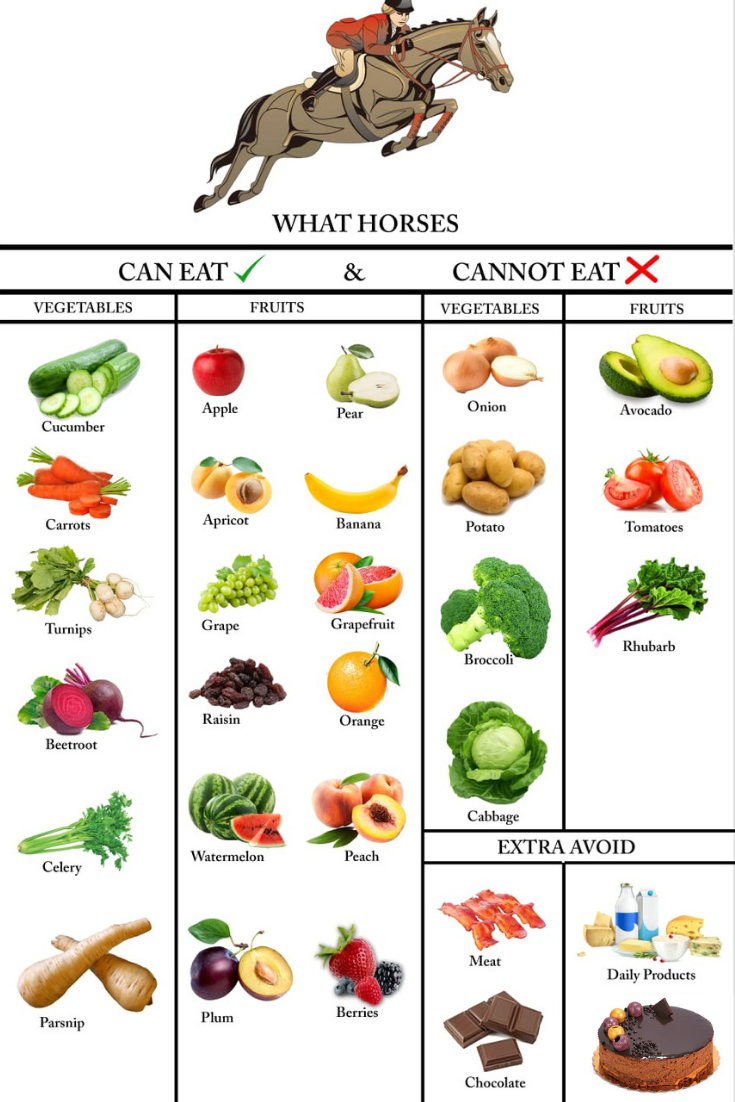
Many owners are curious about which human foods are safe for horses. Here is a quick overview:
| Food | Safe for Horses? | Notes |
|---|---|---|
| Cucumber | Yes | Low sugar, high water |
| Apple | Yes | Remove seeds, moderate sugar |
| Carrot | Yes | High in beta-carotene |
| Potato | No | Can be toxic |
| Tomato | No | Contains solanine, which is harmful |
| Lettuce | Yes | Safe in small amounts |
| Bread | No | Can cause digestive upset |
Not every food that is safe for people is safe for horses. Always double-check before introducing something new.
What About Cucumber Peels And Seeds?
Many people wonder if cucumber peels and seeds are safe. For most horses, both the peel and seeds are fine in small amounts. However, there are some things to consider:
- Peel: Contains fiber and nutrients, but may hold more pesticide residue. Wash well or peel if you have concerns.
- Seeds: Generally harmless. For horses with sensitive digestion, you can remove them, but most horses will not have a problem.
If you notice any change in your horse’s appetite or manure after giving peels or seeds, adjust how you serve cucumbers next time.
Do Wild Horses Eat Cucumbers?
Wild horses do not eat cucumbers in nature. Cucumbers are not native to most regions where wild horses live. Instead, wild horses graze on grasses, herbs, and shrubs. However, wild horses do eat a wide range of plants, and if they found cucumbers growing in a garden, they would likely try them out of curiosity.
This difference shows how domesticated horses can enjoy a wider variety of foods thanks to their owners. It also reminds us to be careful when offering new foods, since horses’ digestive systems are built for grazing, not for eating a lot of fruits or vegetables.
What To Do If Your Horse Doesn’t Like Cucumbers
If your horse refuses cucumbers, don’t worry. There is no need to force this treat. Horses have individual tastes, just like people. Some alternatives include:
- Sliced carrots
- Apple chunks (without seeds)
- Celery
- Pears (seedless)
Try offering cucumbers again in a few weeks, or mix them with another favorite treat. Some horses change their minds over time.

Credit: www.equestroom.com
The Importance Of Variety In A Horse’s Diet
Variety is important for a horse’s mental and physical health. Offering different safe treats can:
- Prevent boredom, especially for horses on stall rest
- Encourage natural foraging behavior
- Provide small amounts of different nutrients
But, variety should never replace the basics: good quality hay, fresh water, and the right concentrates for your horse’s age and activity level.
When To Call The Vet
Sometimes, even a safe treat can cause trouble. Call your veterinarian if you notice:
- Colic symptoms (rolling, sweating, pawing)
- Swelling around the mouth or throat
- Severe diarrhea
- Coughing or gagging
These symptoms are rare after feeding cucumbers but should always be taken seriously. Better safe than sorry.
Credit: www.equestroom.com
Expert Opinions On Feeding Cucumbers
Most equine nutritionists agree that cucumbers are a safe, low-sugar treat when used in moderation. According to the American Association of Equine Practitioners, the main risks come from overfeeding or not cutting vegetables into small pieces. There is no evidence that cucumbers cause long-term harm to healthy horses.
A useful resource for more about horse diets is the Wikipedia page on Equine Nutrition.
Frequently Asked Questions
Can Horses Eat Cucumber Leaves Or Vines?
It’s best to avoid feeding cucumber leaves or vines. While the fruit is safe, the leaves and vines can contain bitter compounds (called cucurbitacins) that may upset a horse’s stomach. Stick to the fruit itself.
Are Pickled Cucumbers (pickles) Safe For Horses?
No, horses should not eat pickles. Pickled cucumbers contain salt, vinegar, and spices, which can upset a horse’s digestive system and lead to dehydration or other issues.
How Often Can I Give Cucumbers To My Horse?
You can give cucumbers 2–3 times per week as a treat. Make sure the amount stays small and that treats do not make up more than 10% of your horse’s daily food intake.
Can Miniature Horses And Ponies Eat Cucumbers?
Yes, but in smaller amounts. Miniature horses and ponies have smaller bodies and more sensitive digestive systems. Offer just a slice or two at first and watch for any signs of digestive upset.
What Are Signs Of Cucumber Intolerance In Horses?
Signs include loose manure, mild colic, swelling around the mouth, or refusing to eat. If you see these symptoms, stop feeding cucumbers and call your vet if they continue.
Horses can safely enjoy cucumbers as a refreshing, healthy snack. They offer hydration, low sugar, and a bit of variety. By starting slow, preparing them carefully, and watching your horse’s reaction, you can add cucumbers to your treat list with confidence.
Every horse is unique—what matters most is paying attention to your animal’s needs and keeping their diet balanced and safe.