
Can Horses Be Diabetic? Understanding Equine Diabetes In Depth
Most people know diabetes as a human disease, but can horses be diabetic? This question is becoming more common as horse owners notice changes in their animals’ health that seem similar to diabetes in humans or dogs. Horses are complex creatures, and their bodies process sugar differently from ours.
Still, some horses can develop conditions that look and act like diabetes. In this article, you’ll discover what diabetes means for horses, how it shows up, and what horse owners need to know to keep their animals healthy. We’ll dive into medical facts, signs, treatments, and common misunderstandings, so you get a complete picture.
What Is Diabetes?
Diabetes is a disease where the body cannot control blood sugar (glucose) levels properly. In humans, there are two main types:
- Type 1: The body does not make enough insulin.
- Type 2: The body does not use insulin well.
Insulin is a hormone made by the pancreas. It helps move glucose from the blood into cells, where it is used for energy. When insulin doesn’t work right, glucose builds up in the blood. High blood sugar can cause damage to many organs.
Can Horses Get Diabetes?
The simple answer is: true diabetes is rare in horses. Most horses do not develop diabetes the same way humans or dogs do. However, horses can suffer from conditions that look like diabetes or share similar features. These conditions include:
- Insulin resistance
- Equine metabolic syndrome (EMS)
- PPID (Pituitary Pars Intermedia Dysfunction), also known as Cushing’s Disease
These problems affect how the horse’s body uses and controls glucose. While classic diabetes (Type 1 or 2) is almost unheard of in horses, the symptoms and risks can be similar, especially for older or overweight animals.
How Horse Metabolism Differs From Humans
Horses are grazing animals. Their bodies are designed to eat small amounts of food throughout the day. Their digestive system slowly releases glucose from grass and hay. This means horses rarely experience sudden spikes in blood sugar like humans do after eating sweets.
The horse’s pancreas produces insulin to keep blood glucose steady. If a horse eats too many sugary feeds (like grains or sweet treats), it can strain the system. Over time, some horses develop insulin resistance, where their cells stop responding properly to insulin. This is not full diabetes, but it can lead to dangerous health problems.
Insulin Resistance In Horses
Insulin resistance is the most common diabetes-like condition in horses. In this state, the horse’s body still makes insulin, but the cells ignore it. As a result, the pancreas produces even more insulin to try to force glucose into cells.
Signs Of Insulin Resistance
Common signs include:
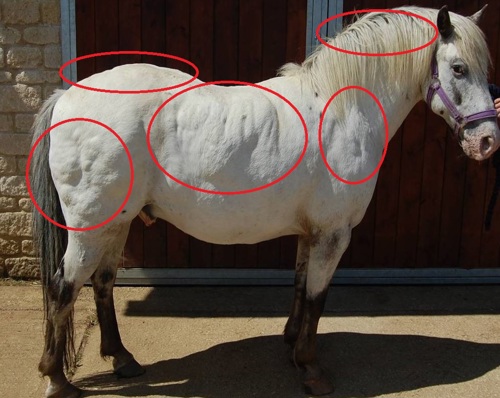
- Fat deposits: Unusual fat on the neck (cresty neck), shoulders, or above the tail.
- Laminitis: Painful inflammation of the hoof, which can cause lameness.
- Slow weight loss: Difficulty losing weight even with diet and exercise.
- Unusual thirst or urination: Less common, but can happen.
Risk Factors
Some horses are more likely to develop insulin resistance:
- Ponies and certain breeds (e.g., Morgans, Paso Finos)
- Overweight horses
- Horses fed high-sugar feeds
- Older horses
How It Is Diagnosed
Veterinarians check for insulin resistance using blood tests. They measure:
- Blood glucose levels
- Insulin levels
Sometimes, they do special tests after feeding the horse sugar to see how the body reacts. A horse with high insulin but normal glucose is likely insulin resistant.

Credit: benefabproducts.com
Equine Metabolic Syndrome (ems)
Equine metabolic syndrome is a complex disorder involving insulin resistance, obesity, and a high risk of laminitis. It is considered the horse version of metabolic syndrome in humans.
Key Features Of Ems
- Obesity: Especially in certain areas (neck, shoulders).
- Insulin resistance
- Laminitis
- Abnormal blood values: High insulin, sometimes high triglycerides.
EMS is most common in adult horses, especially those kept in pastures with rich grass. Ponies and “easy keeper” breeds are at higher risk.
Ems Vs. Diabetes
EMS is not exactly diabetes. The main difference is that horses with EMS still produce insulin, but their bodies do not use it well. True diabetes in horses (where the pancreas cannot produce insulin at all) is extremely rare.
Ppid (cushing’s Disease) And Diabetes-like Symptoms
PPID, formerly called Cushing’s Disease, is another common condition in older horses. It affects the pituitary gland, which controls many body functions.
Symptoms Of Ppid
- Long, curly coat that doesn’t shed in summer
- Loss of muscle, especially along the back
- Fat deposits, sometimes similar to EMS
- Excessive drinking and urination
- Increased risk of infections
PPID can cause insulin resistance and sometimes high blood sugar, making it look like diabetes. Blood tests can help diagnose PPID.
True Diabetes In Horses: Rare Cases
While insulin resistance and EMS are common, true diabetes (where the pancreas fails to produce insulin) is almost unheard of in horses. Only a few cases have been reported worldwide.
Why Is Diabetes So Rare In Horses?
- Horses rarely suffer from autoimmune diseases attacking the pancreas.
- Their natural diet and slow digestion do not stress the insulin system.
- Genetic factors protect most horses.
In rare cases, horses may develop diabetes due to:
- Severe infections
- Tumors in the pancreas
- Long-term steroid use
These cases are usually seen in older horses or those with other health problems.
Diagnosing Diabetes-like Conditions In Horses
When a horse shows signs of insulin resistance or diabetes-like symptoms, veterinarians use several methods:
- Physical exam: Checking for fat deposits, coat changes, laminitis.
- Blood tests: Measuring glucose, insulin, ACTH (for PPID), and triglycerides.
- Glucose tolerance test: Giving the horse sugar and measuring how blood levels change.
Early diagnosis is key. Many owners miss the signs until the horse develops laminitis, which is painful and can be difficult to treat.
Treatment And Management
Even though true diabetes is rare, horses with insulin resistance or EMS need special care. Managing these conditions helps prevent serious problems like laminitis.
Diet Changes
The most important step is to reduce sugar and starch in the horse’s diet:
- Feed mostly hay, avoiding rich grass or sweet feeds.
- Limit grain and commercial feeds high in sugar.
- Use slow feeders to mimic natural grazing.
Exercise
Regular exercise helps improve insulin sensitivity:
- Daily walking or light riding
- Avoid sudden, hard work for horses with laminitis
Weight Management
Reducing body fat lowers the risk of insulin resistance:
- Monitor body condition score (BCS)
- Adjust feed based on weight
- Use a grazing muzzle if needed
Medications
Some horses may need medication, especially for PPID:
- Pergolide for PPID (Cushing’s)
- Metformin for severe insulin resistance (though not always effective in horses)
- Pain relief for laminitis
Veterinarians will decide if medicine is necessary based on blood tests and symptoms.
Common Mistakes Owners Make
Many owners misunderstand these conditions. Here are some mistakes to avoid:
- Feeding sugary treats: Even small amounts can trigger laminitis in sensitive horses.
- Ignoring fat deposits: Fat on the neck or above the tail is a warning sign.
- Skipping exercise: Exercise is one of the best ways to improve insulin sensitivity.
- Not monitoring blood values: Regular tests help catch problems early.
Credit: www.bhs.org.uk
Prevention: Keeping Horses Healthy
Preventing diabetes-like conditions is easier than treating them. Simple steps include:
- Feed a balanced diet with low sugar and starch
- Keep horses at a healthy weight
- Provide regular exercise
- Watch for early signs (fat deposits, coat changes, laminitis)
- Test blood values in at-risk horses
Breeds prone to these conditions need extra care. Ponies and easy keepers should have limited grass access and no sugary feeds.
Data And Statistics
Research shows that:
- Up to 30% of adult horses may have insulin resistance or EMS, especially in certain breeds.
- Laminitis is a leading cause of death in older horses, often linked to EMS or PPID.
- Only a handful of true diabetes cases have been reported worldwide.
Comparing Human Vs. Equine Diabetes
Here is a simple comparison of diabetes in humans and horses:
| Feature | Humans | Horses |
|---|---|---|
| Common Types | Type 1, Type 2 | Insulin resistance, EMS, PPID |
| True Diabetes | Common | Rare |
| Diet | Varied, high sugar possible | Mostly hay, grass |
| Symptoms | Thirst, urination, fatigue | Laminitis, fat deposits, coat changes |
| Treatment | Insulin, diet, exercise | Diet, exercise, pergolide (PPID) |
Practical Examples: How Owners Manage Diabetes-like Conditions
Let’s look at how real horse owners deal with these problems.
Example 1: Managing Ems In A Pony
A pony named Bella began to show a cresty neck and became overweight. Her owner noticed she struggled to walk and seemed uncomfortable. The vet diagnosed EMS.
- Bella’s diet was changed to only hay, no pasture.
- She wore a grazing muzzle when turned out.
- Her owner started daily walks and light exercise.
- Bella lost weight, and her symptoms improved.
Example 2: Ppid In An Older Horse
An older gelding, Max, stopped shedding his winter coat and drank more water than usual. He developed laminitis. Blood tests showed high ACTH, confirming PPID.
- Max started pergolide medication.
- His diet was adjusted to reduce sugar.
- Careful hoof trimming helped his laminitis.
- Within months, Max’s coat improved and laminitis was under control.
What Veterinarians Look For
Veterinarians play a key role in diagnosing and managing diabetes-like conditions in horses. Here’s what they focus on:
- History and breed: Some breeds are more prone.
- Physical signs: Fat deposits, abnormal coat, laminitis.
- Blood tests: Glucose, insulin, ACTH, triglycerides.
- Response to diet change: Horses who improve with diet often have EMS or insulin resistance.
- Other health issues: Tumors, infections, or medications can affect glucose control.
Myths And Misunderstandings
There are many myths about diabetes in horses. Clearing them up helps owners make better decisions.
- Myth: Horses can eat sugar without problems.
Fact: Sensitive horses can get laminitis from even small amounts.
- Myth: Only old horses get these conditions.
Fact: Young horses, especially ponies, can develop EMS.
- Myth: True diabetes is common in horses.
Fact: True diabetes is extremely rare; most cases are insulin resistance or EMS.
- Myth: Laminitis is only caused by injury.
Fact: Most laminitis cases are linked to metabolic problems.
Comparing Ems, Ppid, And Diabetes In Horses
These conditions can look similar. Here’s a comparison to help you understand the differences:
| Condition | Main Features | Age Group | Treatment |
|---|---|---|---|
| EMS | Obesity, insulin resistance, laminitis | Adult horses | Diet, exercise, weight management |
| PPID | Long coat, muscle loss, laminitis, insulin resistance | Older horses | Pergolide, diet, hoof care |
| True Diabetes | High blood sugar, thirst, urination | Rare, any age | Insulin (rarely used in horses) |
Non-obvious Insights Most Owners Miss
- Fat deposits are not just cosmetic. A cresty neck or fat above the tail signals deeper metabolic trouble, not just extra weight.
- Laminitis can be a sign of metabolic disease, not just hoof injury. Many owners treat laminitis as a hoof problem, but it often starts with insulin resistance or EMS.
- High-sugar hay can be risky. Even hay can have hidden sugars that trigger symptoms in sensitive horses.
- PPID can develop in horses as young as 15 years. Many think only very old horses get PPID, but early cases are possible.
Future Research And Changes
Veterinary science is still learning about diabetes-like conditions in horses. New studies focus on genetics, diet, and prevention. Owners should stay updated, as recommendations may change.
For more in-depth medical details, visit Wikipedia: Equine Metabolic Syndrome.

Credit: www.foxdenequine.com
Frequently Asked Questions
What Is The Main Difference Between Diabetes And Insulin Resistance In Horses?
Diabetes means the body cannot produce enough insulin, leading to high blood sugar. In horses, insulin resistance is more common, meaning cells do not respond well to insulin, but the body still makes it. Insulin resistance can cause similar problems but is not true diabetes.
How Can I Prevent My Horse From Developing Diabetes-like Conditions?
Feed a balanced diet with low sugar and starch, keep your horse at a healthy weight, and provide regular exercise. Watch for early signs like fat deposits or laminitis. Ponies and “easy keepers” need extra care.
Is Laminitis Always Caused By Diabetes Or Ems?
No, laminitis can happen for other reasons (injury, infection), but most cases in adult horses are linked to insulin resistance or EMS. Treating the underlying metabolic problem helps prevent future episodes.
Can Horses With Ems Or Ppid Live Normal Lives?
Yes, with proper management. Diet changes, regular exercise, and medication (for PPID) help most horses live comfortably. Owners must stay vigilant and adjust care as the horse ages.
Are There Any Breeds More Prone To Diabetes-like Conditions?
Ponies, Morgans, Paso Finos, and “easy keeper” breeds are more likely to develop EMS and insulin resistance. Owners of these breeds should monitor diet and body condition closely.
Keeping horses healthy takes knowledge and attention. While true diabetes is rare, the risks from insulin resistance, EMS, and PPID are real. With careful management and early action, horse owners can protect their animals and enjoy many years together.