
A sudden, painful muscle cramp can stop you in your tracks, often striking at night or during exercise. This type of spasm is commonly called a charley horse. If you have experienced one, you know how distressing and disruptive it can be. While a charley horse usually goes away in a few minutes, the soreness can linger, making it hard to move comfortably. Thankfully, you can take clear steps to prevent these cramps from happening as often—or even at all. Understanding why charley horses occur and how to stop them is the first step toward a pain-free life. This guide provides everything you need: from what triggers these cramps to the best prevention methods, practical lifestyle tips, and advice for different age groups. Whether you are an athlete, a busy professional, or simply want better sleep without cramps, this article will help you stay one step ahead of the pain.
What Is A Charley Horse?
A charley horse is a sudden, involuntary muscle spasm or cramp, most often affecting the legs—especially the calf, thigh, or foot. The pain can be sharp and intense, lasting from a few seconds to several minutes. While most cramps are harmless, frequent or severe charley horses may signal underlying health issues.
The term “charley horse” dates back to the late 19th century and was popularized in American baseball. Although the exact origin is unclear, it describes that “stiff leg” feeling after a strong muscle contraction.
Why Do Charley Horses Happen?
Understanding the causes of charley horses helps in preventing them. Here are some main reasons why they occur:
- Dehydration: Not drinking enough fluids reduces the body’s ability to keep muscles working smoothly.
- Electrolyte imbalances: Low levels of minerals like potassium, magnesium, calcium, and sodium can trigger cramps.
- Muscle fatigue: Overusing muscles during exercise or work, especially without warming up or stretching, can result in cramps.
- Poor blood circulation: Sitting or lying in one position for a long time restricts blood flow to the muscles.
- Certain medications: Some drugs, like diuretics or statins, can lead to muscle cramps as a side effect.
- Medical conditions: Conditions such as diabetes, nerve disorders, or thyroid problems may increase the risk of cramps.
- Pregnancy: Hormonal changes and increased weight can put extra pressure on leg muscles.
Many people don’t realize that even small changes in daily habits—like drinking less water or skipping a pre-workout stretch—can increase the risk of a charley horse.
Signs And Symptoms Of A Charley Horse
A charley horse usually announces itself with:
- Sudden sharp pain in the affected muscle
- Hard or knotted muscle that you can feel or see under the skin
- Twitching or spasms during or after the cramp
- Lingering soreness for several hours or even days
If cramps happen often, at night, or with other symptoms like muscle weakness or swelling, it may be time to talk to a doctor.
Who Gets Charley Horses?
Charley horses are common, and almost everyone will experience one at some point. However, certain groups are at higher risk:
- Older adults: Muscle mass and flexibility decrease with age, making cramps more likely.
- Athletes: Intense physical activity, especially in hot weather, raises the risk.
- Pregnant women: Hormonal changes and increased body weight can trigger cramps.
- People with chronic illnesses: Those with diabetes, kidney disease, or nerve problems may be more likely to get cramps.
- Individuals on certain medications: Some drugs, especially those affecting fluid balance, can cause cramps.
Main Prevention Strategies For Charley Horse
Preventing a charley horse is easier than treating one. Here are proven ways to reduce your risk:
1. Stay Hydrated
Water is vital for healthy muscle function. Dehydration makes muscles more likely to cramp, especially after exercise or during hot weather.
- Drink water regularly throughout the day, not just when you feel thirsty.
- Increase your intake during exercise, illness, or on hot days.
- Watch for signs of dehydration, like dark urine or dry mouth.
2. Balance Your Electrolytes
Electrolytes—potassium, magnesium, calcium, and sodium—help muscles contract and relax smoothly. Low levels can trigger cramps.
- Eat foods rich in these minerals, such as bananas, sweet potatoes, spinach, dairy products, nuts, and seeds.
- Limit processed foods that are high in sodium but low in other minerals.
- If you sweat a lot, consider a sports drink that replaces lost electrolytes (but avoid those with high sugar).
Comparison Of Key Electrolyte Sources
| Electrolyte | Best Food Sources | Daily Value (Adults) |
|---|---|---|
| Potassium | Bananas, potatoes, oranges | 3400 mg (men), 2600 mg (women) |
| Magnesium | Spinach, almonds, black beans | 420 mg (men), 320 mg (women) |
| Calcium | Milk, yogurt, cheese, tofu | 1000 mg |
| Sodium | Table salt, processed foods | 2300 mg (limit) |
3. Stretch Regularly
Stretching helps keep muscles flexible and less likely to cramp. Focus on the muscle groups that cramp most often, usually the calves and thighs.
- Stretch after exercise and before bed.
- Hold each stretch for at least 30 seconds.
- Don’t bounce—move slowly and gently.
Simple Calf Stretch Example
- Stand facing a wall, arms outstretched.
- Place one foot behind the other, keeping the back heel on the floor.
- Lean forward gently until you feel a stretch in your calf.
- Hold for 30 seconds, then switch sides.
4. Warm Up And Cool Down When Exercising
Jumping into intense activity without warming up puts stress on your muscles.
- Start with light activity (like walking or gentle cycling) for 5-10 minutes.
- Cool down with slow movements and stretching after exercise.
- This helps prepare your muscles and reduce the risk of cramps.
5. Avoid Overexertion
Pushing muscles too hard, especially when tired, increases the risk of cramps.
- Gradually increase exercise intensity.
- Take rest breaks during long activity sessions.
- Listen to your body—if you feel fatigue, stop and rest.
6. Improve Blood Circulation
Poor circulation can lead to muscle cramps, especially if you sit or stand for long periods.
- Change positions often.
- Take short walks or stretch every hour if you work at a desk.
- Elevate your legs briefly to boost blood flow.
7. Choose Proper Footwear
Wearing the right shoes is crucial, especially if you stand or walk a lot.
- Select shoes that fit well and provide good arch support.
- Avoid high heels and worn-out shoes.
- Replace shoes regularly if they lose cushioning.
8. Manage Medical Conditions
If you have a chronic illness like diabetes or kidney disease, work with your doctor to control it.
- Take prescribed medications as directed.
- Ask your doctor if your medicines could cause muscle cramps.
- Never stop or change medicine without professional advice.
9. Review Your Medication
Some drugs, like diuretics or statins, can increase the chance of cramps.
- Check with your healthcare provider if you notice frequent cramps.
- Do not change or stop medications without consulting your doctor.
- In some cases, an alternative drug or dose adjustment may help.
10. Maintain A Healthy Weight
Carrying extra weight puts more pressure on your muscles, especially in the legs.
- Aim for a healthy weight through balanced diet and exercise.
- Even small weight loss can reduce cramp risk.
11. Get Enough Sleep
Poor sleep affects muscle repair and hydration balance.
- Try to keep a regular sleep schedule.
- Avoid caffeine and screens before bed.
- If you have sleep problems, consider seeing a sleep specialist.
12. Limit Alcohol Intake
Alcohol can dehydrate your body and disturb mineral balance.
- Drink alcohol in moderation, if at all.
- Drink water alongside alcoholic beverages.
13. Address Nutrient Deficiencies
If you suspect a lack of key nutrients, consider seeing a doctor for blood tests.
- Supplements may be needed if diet alone doesn’t provide enough minerals.
- Always use supplements under medical guidance, as too much can be harmful.
Night-time Charley Horses: Special Prevention Tips
Many people experience charley horses at night, which can disturb sleep and leave muscles sore the next day. Here’s how to reduce the risk:
- Stretch before bed: A gentle calf or hamstring stretch can relax muscles.
- Warm bath: Soaking in warm water relaxes the muscles before sleep.
- Proper bedding: Use a pillow between your knees if you sleep on your side, or under your knees if you sleep on your back.
- Hydrate in the evening, but avoid over-drinking close to bedtime to prevent waking up for bathroom trips.
- Keep blankets loose: Heavy or tight bedding can hold your feet in a pointed position, raising cramp risk.

Credit: www.wikihow.com
Preventing Charley Horses During Exercise
Active people are prone to cramps, especially during intense workouts. Here are focused tips:
- Warm up and stretch before starting.
- Stay hydrated throughout the activity.
- Choose sports drinks with electrolytes if you exercise for over an hour, especially in the heat.
- Pace yourself: Increase activity level gradually.
- Wear supportive shoes to avoid extra muscle stress.
Hydration And Exercise: How Much Is Enough?
| Activity Level | Recommended Fluid Intake | When to Drink |
|---|---|---|
| Light (walking) | Half liter/hour | Before, during, after |
| Moderate (jogging) | 0.7-1 liter/hour | Before, every 20 min, after |
| Intense (running, cycling) | 1-1.5 liters/hour | Before, every 15 min, after |
Remember, individual needs vary based on sweat rate, weather, and body size.
Charley Horses In Children: How To Prevent Them
Children can get muscle cramps, too, especially during growth spurts or after lots of activity.
- Make sure kids drink enough water, especially when active.
- Encourage stretching before and after sports.
- Ensure a balanced diet with plenty of fruits, vegetables, and dairy for minerals.
- Remind them to rest if they feel tired or sore.
- For children with frequent cramps, talk to a pediatrician.
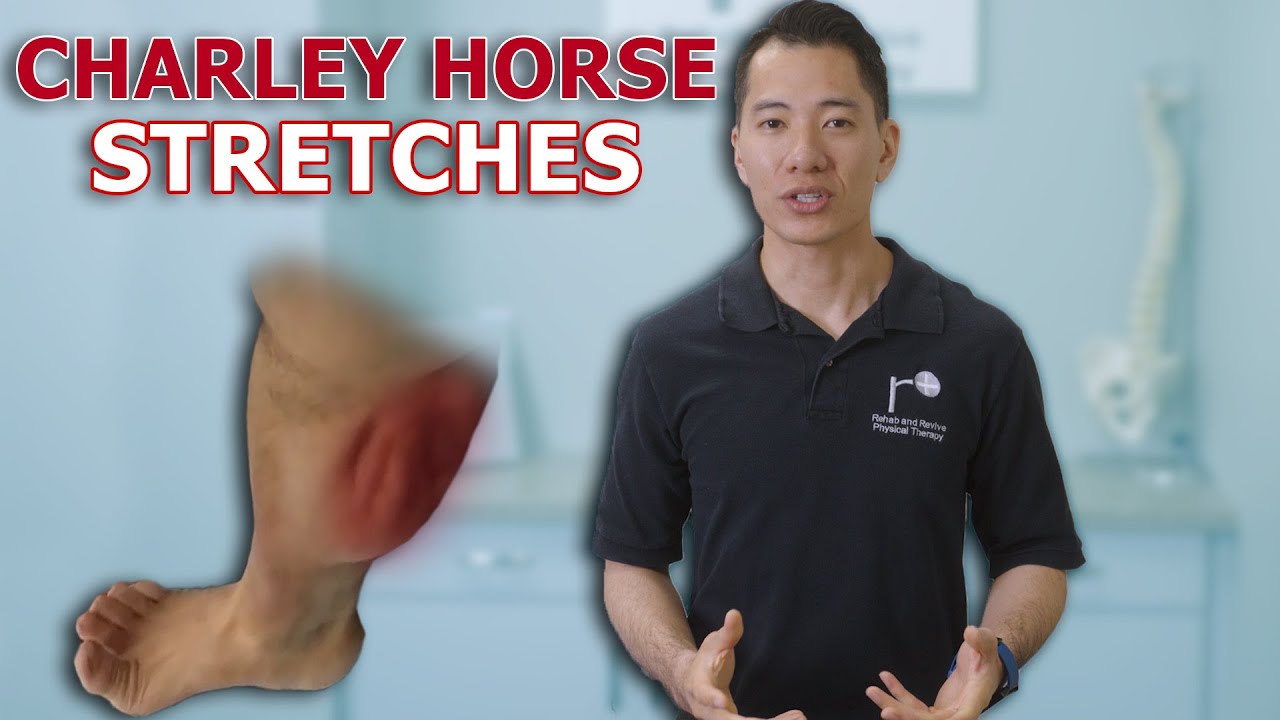
Credit: www.youtube.com
Pregnancy And Charley Horses: Extra Care
Pregnant women often suffer from night-time leg cramps, especially in the second and third trimesters. To help:
- Stretch calf muscles before bed.
- Drink water throughout the day.
- Wear supportive shoes and avoid standing for long periods.
- Elevate your feet when possible.
- Eat foods rich in calcium and magnesium.
- Prenatal vitamins can help, but only use supplements recommended by your doctor.
Myths And Misunderstandings About Charley Horses
There are many myths about what causes or prevents muscle cramps. Let’s clear up a few:
- “Only dehydration causes cramps.” While dehydration is a factor, lack of minerals, muscle fatigue, poor circulation, and medical issues also play roles.
- “Stretching always stops cramps.” Stretching helps, but may not prevent all cramps, especially if the cause is medical or medication-related.
- “Cramps mean you are unhealthy.” Most people get cramps sometimes, even with good health.
- “Bananas cure all cramps.” Bananas are rich in potassium, but other minerals are also important.
What To Do If You Get A Charley Horse
Even with the best prevention, cramps can still happen. Here’s what to do:
- Stop activity and gently stretch the cramped muscle.
- Massage the area to relax the muscle.
- Apply heat (like a warm towel or heating pad) to ease tightness.
- Apply ice if the muscle is sore after the cramp.
- Walk around or shake your leg to restore blood flow.
- Drink water if you suspect dehydration.
If cramps are frequent, severe, or come with swelling or muscle weakness, seek medical advice.
Real-world Example: Overcoming Frequent Night Cramps
Maria, a 45-year-old office worker, began waking up at night with painful calf cramps. She drank coffee during the day, skipped water, and rarely stretched. Her doctor recommended drinking more water, stretching before bed, and adding leafy greens and dairy to her meals.
Within a few weeks, her night cramps stopped almost completely. She was surprised that small lifestyle changes made such a big difference.
Many people overlook the impact of daily habits. For example, simply keeping a water bottle at your desk can help you remember to drink more often, reducing the risk of cramps.

Credit: www.spinecorrectioncenter.com
Comparing Key Prevention Methods: Which Work Best?
Each prevention method has its strengths. Here’s a summary to help you choose what to focus on:
| Prevention Method | Best For | Limitations |
|---|---|---|
| Hydration | Most people, especially athletes | May not help if cause is medication |
| Electrolyte balance | Those with poor diet or heavy sweating | Supplements can be risky without advice |
| Stretching | Night cramps, athletes | Less effective if cause is medical |
| Medical management | People with chronic illness | Needs doctor’s involvement |
Often, a combination of these methods works best.
Non-obvious Insights For Preventing Charley Horse
Some details are easy to miss, especially for beginners:
- Tight bedding or pointed toes at night: Many people don’t realize that sleeping with heavy blankets or toes pointed downward can trigger night cramps. Keep bedding loose and feet in a relaxed position.
- Sudden increases in exercise: If you quickly ramp up your activity level, your muscles may cramp more. Increase exercise intensity slowly over weeks, not days.
Another overlooked factor is caffeine intake. While moderate caffeine is usually safe, drinking lots of coffee or energy drinks can mildly dehydrate you and increase cramp risk, especially if you forget to drink water.
When To See A Doctor
While most charley horses are harmless, see a doctor if:
- Cramps are very frequent or severe
- You notice muscle weakness, swelling, or numbness
- You have underlying health issues, like diabetes or kidney disease
- Cramps started after starting a new medication
Your doctor may check for nutrient deficiencies, medication side effects, or other conditions.
Frequently Asked Questions
What Is The Fastest Way To Stop A Charley Horse?
The quickest way is to gently stretch and massage the cramped muscle. For a calf cramp, flex your foot upward (toward your knee) and hold. Massage the area and apply warmth to relax the muscle. Try to walk around a little to restore normal blood flow.
Are Charley Horses Dangerous?
Most charley horses are not dangerous and go away on their own. However, frequent or severe cramps can signal a medical problem, especially if you have other symptoms like swelling or weakness. Always check with a doctor if you are concerned.
Can Drinking More Water Prevent All Muscle Cramps?
Staying hydrated reduces the risk of cramps, but it is not a guarantee. Muscle fatigue, mineral imbalances, and medical conditions can also cause cramps. Combine hydration with stretching and a balanced diet for best results.
Do Supplements Help Prevent Charley Horses?
Supplements of magnesium, potassium, or calcium can help if you have a true deficiency, but too much can be harmful. Always talk to your doctor before starting any supplement, especially if you take medications or have health issues. For most people, a balanced diet is enough.
Can Certain Foods Really Stop Charley Horses?
Eating foods rich in potassium, magnesium, and calcium supports healthy muscles and reduces cramp risk. Examples include bananas, leafy greens, dairy products, nuts, and seeds. No food is a magic cure, but good nutrition is a key part of prevention. For more, see this Mayo Clinic article on muscle cramps.
A charley horse can be painful, but it is not something you have to live with. With the right habits—hydration, nutrition, stretching, and attention to your body’s signals—you can greatly reduce your risk. If you make these changes and still have frequent cramps, don’t hesitate to seek medical advice.
Prevention is possible, and with a little effort, you can keep your muscles happy and pain-free.
1 thought on “How to Prevent Charley Horse: Top Tips for Pain-Free Muscles”