
A sudden pain wakes you in the middle of the night. Your calf muscle is tight, hard, and aches sharply. You try to stretch, but the pain grows before it slowly fades away. This is a charley horse—a common muscle cramp that can affect anyone, from athletes to office workers to older adults. But why do these painful spasms happen? What causes them, and what can you do to prevent or treat them? By understanding the science and practical realities behind charley horses, you can take better control over your muscle health and reduce your risk of future episodes.
What Is A Charley Horse?
A charley horse is an informal term for a sudden, involuntary muscle cramp—usually in the leg, calf, or foot. The muscle contracts tightly and does not relax, causing intense pain. Cramps can last from a few seconds to several minutes. Afterward, the muscle may feel sore or tender for hours.
While charley horses are not usually dangerous, they can be distressing. They can happen during exercise, rest, or even sleep. The most common time people experience a charley horse is at night, especially in the calf muscle. Some people get them regularly, while others only experience them occasionally.
The Science Behind Muscle Cramps
Understanding why a charley horse happens requires a look into how muscles work. Muscles contract and relax because of signals from nerves and the movement of minerals like sodium, potassium, and calcium in and out of muscle cells. When these signals are disrupted, the muscle may contract and not release—leading to a cramp.
Cramping can be caused by several factors, often working together:
- Overuse or fatigue of the muscle
- Dehydration
- Mineral imbalances
- Poor blood flow
- Certain health conditions or medications
Let’s break down the most common causes in detail.
Most Common Causes Of Charley Horse
1. Muscle Fatigue And Overuse
Muscle fatigue is a leading reason for charley horses. When you exercise, especially if you push your muscles harder than usual, tiny fibers in the muscle can become overworked. This makes them more likely to cramp, especially if you:
- Exercise without warming up properly
- Suddenly increase the intensity or duration of activity
- Perform repetitive movements (like running, cycling, or swimming)
- Stand or walk for long periods
Athletes and people with physically demanding jobs often experience more cramps. However, even simple activities—like walking up stairs or working in the garden—can trigger a charley horse if your muscles are not used to that work.
2. Dehydration
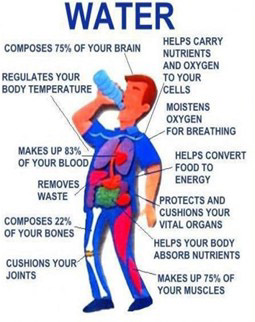
Water is essential for muscle function. Dehydration reduces the fluids and electrolytes available to your muscles. When you sweat a lot and don’t replace fluids, the risk of cramping rises.
Dehydration can happen more easily in hot weather, during intense exercise, or if you have certain health problems (such as vomiting, diarrhea, or diabetes). Even mild dehydration can make your muscles more sensitive and more likely to cramp.
3. Mineral And Electrolyte Imbalances
Muscles rely on a careful balance of minerals, also called electrolytes. The most important are:
- Potassium
- Sodium
- Calcium
- Magnesium
If your body is low in one or more of these, the electrical signals that control muscles do not work properly. This can cause the muscle to contract and stay that way—a classic charley horse.
Electrolyte imbalances can be due to:
- Sweating heavily during exercise
- Not eating enough fruits, vegetables, or dairy
- Certain medications (like diuretics or blood pressure drugs)
- Chronic health conditions (such as kidney disease)
4. Poor Circulation
Blood delivers oxygen and nutrients to your muscles. If your blood flow is poor, your muscles can become irritable and cramp more easily. Poor circulation can be caused by:
- Sitting or standing in one position for too long
- Crossed legs or other positions that compress blood vessels
- Peripheral artery disease (a problem with blood flow to the legs, common in older adults or people with diabetes)
When blood flow is reduced, muscles cannot work as efficiently and are more likely to cramp.
5. Nerve Compression Or Irritation
Sometimes, a charley horse happens because the nerves that control the muscle are pinched or irritated. This can be due to:
- Spinal problems, such as a herniated disc
- Sciatica (pressure on the sciatic nerve)
- Neuropathy (nerve damage, common in diabetes)
When nerves are not working properly, they can send confusing signals to the muscle, triggering cramps.
6. Pregnancy
Many pregnant women experience leg cramps, especially at night. The exact cause is not fully understood, but possible reasons include:
- Extra pressure from the growing uterus on blood vessels and nerves in the legs
- Changes in blood flow and body weight
- Mineral needs that are higher during pregnancy
Cramps are most common during the second and third trimesters.
7. Age
Older adults are more likely to experience charley horses. Muscles lose mass and elasticity with age. Nerve function also slows down, and circulation may not be as good. These changes make cramps more likely, especially at night.
8. Certain Medications
Some medicines can increase your risk of muscle cramps. These include:
- Diuretics (“water pills”) used for high blood pressure or heart problems
- Statins used to lower cholesterol
- Beta-blockers for heart conditions
- Some asthma medications
- Birth control pills
If you notice more cramps after starting a new medicine, let your doctor know.
9. Medical Conditions
Some health conditions make people more likely to get charley horses. These include:
- Diabetes (especially with nerve damage)
- Kidney disease
- Thyroid disorders
- Liver disease
- Peripheral artery disease
- Multiple sclerosis
If you have frequent or severe cramps, it is important to speak with a healthcare provider to rule out these conditions.
Less Common And Overlooked Triggers
While most charley horses are caused by the common factors above, sometimes the real reason is less obvious. Here are some often-missed causes:
- Cold temperatures: Swimming in cold water or sleeping in a cold room can trigger cramps.
- Alcohol use: Drinking too much can dehydrate the body and lower magnesium levels.
- Wearing high heels or unsupportive shoes: This changes how your leg muscles work and may lead to cramps.
- Vitamin deficiencies: Lack of certain vitamins, especially vitamin D, B6, and B12, can affect muscle health.
Many people overlook how small lifestyle choices—like skipping meals, not stretching, or not drinking enough water—can add up and make charley horses more likely.
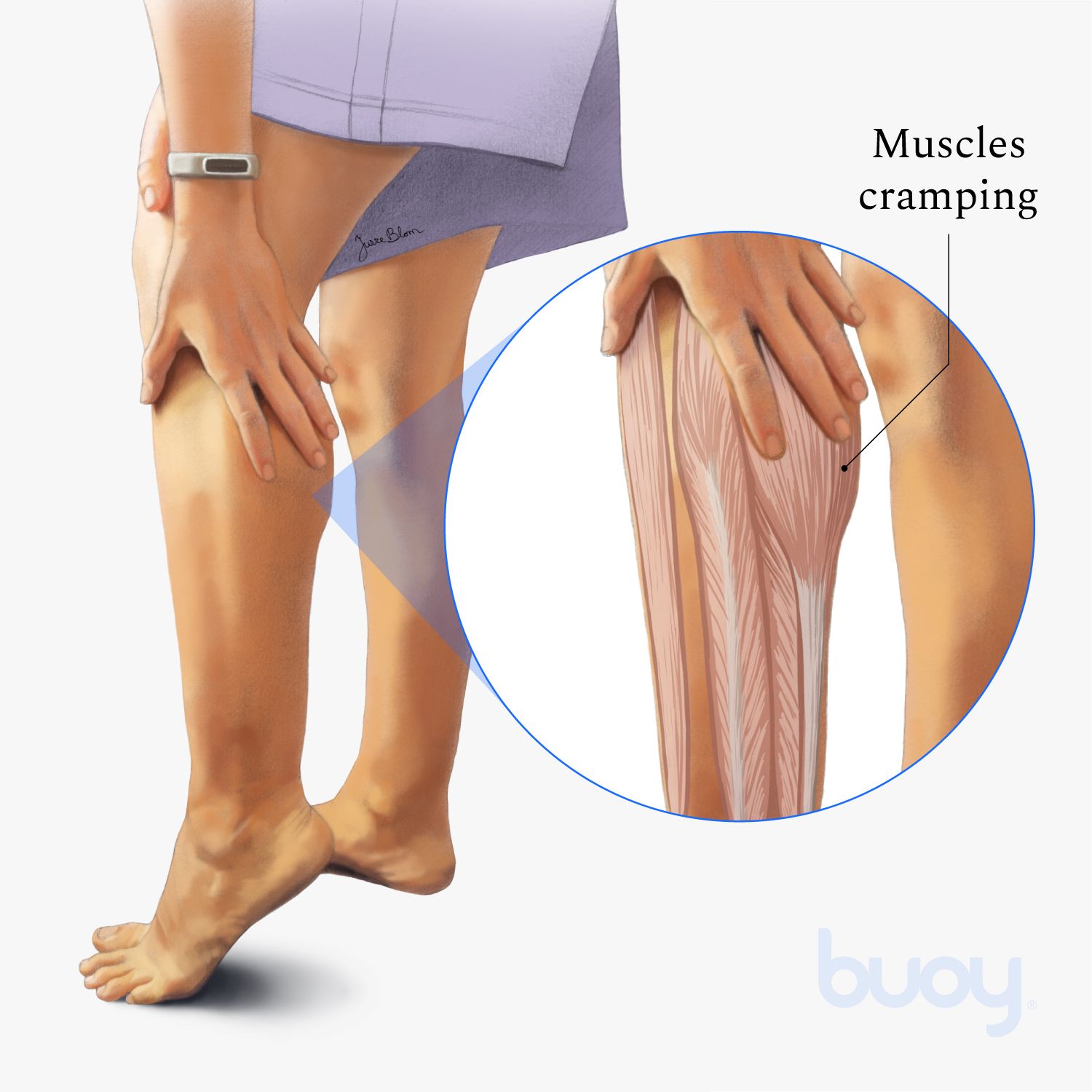
Credit: www.buoyhealth.com
Nighttime Charley Horses: Why Do They Happen In Bed?
Waking up with a painful cramp is a classic charley horse experience. Nighttime cramps are especially common in the calf or foot. But why do they often strike during sleep?
Scientists believe several factors are involved:
- Muscle inactivity: During sleep, your muscles are less active, and blood flow slows. This can make muscles more sensitive to cramping.
- Sleeping position: Pointing your toes or sleeping with your legs in a tight position can shorten the calf muscles and trigger cramps.
- Fluid shifts: Lying down changes how fluids move in your body, which can affect electrolyte balance near the muscles.
Night cramps are more common with age, in pregnancy, or in people with certain health conditions.
Who Gets Charley Horses Most Often?
Charley horses can affect anyone, but some groups are more at risk:
- Athletes: Especially those who train hard or in hot weather.
- Older adults: Muscle and nerve changes increase risk.
- Pregnant women: Higher mineral needs and circulation changes.
- People with chronic illnesses: Especially diabetes, kidney, or nerve diseases.
- People taking certain medications: As mentioned before.
Children and teens can also experience cramps, especially during “growth spurts” when their bodies are changing rapidly.
How To Treat A Charley Horse
When a charley horse strikes, your main goal is relief. Here are steps that help most people:
- Stretch the muscle: For a calf cramp, straighten your leg and gently pull your toes up toward your shin.
- Massage the area: Use your hands to rub the muscle gently.
- Apply heat: A warm towel or heating pad can relax tight muscles.
- Walk or shake your leg: Movement increases blood flow and can help the muscle relax.
- Ice after the cramp: If the area is sore, ice can reduce tenderness.
For most people, the pain fades after a few minutes. If cramps are frequent or severe, talk to your doctor.
Prevention: How To Lower Your Risk Of Charley Horses
You cannot always prevent cramps, but these strategies can make them less likely:
- Stay hydrated: Drink enough water, especially before and after exercise.
- Eat a balanced diet: Include foods rich in potassium (bananas, oranges), calcium (dairy, leafy greens), and magnesium (nuts, seeds).
- Stretch regularly: Focus on calves, hamstrings, and feet before bed and after exercise.
- Warm up and cool down: Gentle activity before and after exercise helps muscles adjust.
- Wear proper shoes: Supportive footwear protects your feet and legs.
- Avoid sitting or standing too long: Change positions often to keep blood flowing.
- Limit alcohol and caffeine: Both can increase fluid loss.
- Check your medicines: Ask your doctor if cramps could be a side effect.
| Prevention Tip | How It Helps |
|---|---|
| Hydrate well | Maintains electrolyte balance for muscle function |
| Stretch before bed | Reduces nighttime cramp risk |
| Balanced diet | Provides essential minerals |
| Proper footwear | Prevents muscle overuse and strain |
Two Non-obvious Prevention Insights
- Nightly stretching routines are especially effective for people with recurring night cramps. Even a simple two-minute routine targeting the calves and feet before bed can cut cramp frequency by half.
- Magnesium-rich snacks in the evening (like a handful of pumpkin seeds or almonds) can be helpful. Many people are low in magnesium, and small, regular increases may reduce cramps over time.
When To See A Doctor About Charley Horses
Most cramps are not serious, but you should seek medical advice if:
- Cramps are very frequent or severe
- Cramps last longer than 10 minutes
- Cramping is combined with muscle weakness, swelling, or numbness
- You notice changes in skin color or temperature
- You have other health problems like diabetes or kidney disease
These signs could indicate a more serious issue with nerves, blood flow, or underlying disease.
The Role Of Diet And Nutrition
What you eat makes a big difference in muscle health. Potassium, calcium, magnesium, and sodium are all important for preventing cramps. Here are good sources for each:
- Potassium: Bananas, oranges, potatoes, spinach, tomatoes
- Calcium: Milk, yogurt, cheese, leafy greens
- Magnesium: Nuts, seeds, whole grains, beans
- Sodium: Table salt, but most people get enough
A diet low in these minerals makes cramps more likely. However, most cramps are not due to just one missing nutrient. Balance is key.
| Mineral | Daily Need (Adults) | Richest Food Sources |
|---|---|---|
| Potassium | 2,500-3,000 mg | Bananas, potatoes, oranges |
| Calcium | 1,000 mg | Milk, cheese, yogurt |
| Magnesium | 320-420 mg | Nuts, seeds, spinach |
| Sodium | 1,500 mg | Table salt, processed foods |
Two Dietary Tips Beginners Miss
- Don’t rely only on bananas: While bananas have potassium, you need a range of fruits, vegetables, and dairy for full protection against cramps.
- Too much salt can backfire: While sodium helps muscle function, excess salt can worsen dehydration and increase risk for some people.
Real-world Examples: Who Gets Charley Horses And Why
Case 1: The Weekend Warrior
John is a 40-year-old office worker who plays soccer on weekends. After a long, hot game, he often gets a charley horse that night. Why? He’s likely dehydrated and sweating out electrolytes his body has not replaced.
Case 2: The Nighttime Cramper
Maria, age 60, wakes up several nights a week with calf cramps. She sits most of the day, does not stretch before bed, and her diet is low in magnesium. Improving her evening routine and eating more nuts and greens reduces her cramps.
Case 3: The Pregnant Woman
Sara is in her third trimester and gets leg cramps at night. Her body needs more calcium and magnesium. A supplement, plus gentle stretching, gives her relief.
Myths About Charley Horses
Many myths surround muscle cramps. Here are some common misunderstandings:
- Myth: Only athletes get cramps.
Cramps happen to everyone, not just active people.
- Myth: You need to eat more salt to prevent cramps.
Most people get enough sodium; other minerals are often the problem.
- Myth: All cramps mean a health problem.
Occasional cramps are normal; only frequent, severe, or long-lasting cramps need a medical check.
The Impact Of Charley Horses On Daily Life
Cramps are more than just a nuisance. For older adults, nighttime cramps can disturb sleep, increase the risk of falls, and reduce quality of life. For athletes, frequent cramps can interrupt training and affect performance. People with chronic cramps may become anxious or limit activity due to fear of pain.
Addressing the root causes and making small changes—like better hydration, stretching, and nutrition—can make a big difference in daily comfort.
Comparing Charley Horse To Other Muscle Problems
Not all muscle pain is a charley horse. Here is a comparison of cramps and other common muscle issues:
| Condition | Symptoms | Typical Duration | Main Causes |
|---|---|---|---|
| Charley horse | Sudden, sharp cramp; muscle hardens | Seconds to minutes | Fatigue, dehydration, electrolyte loss |
| Muscle strain | Ongoing ache, swelling, weakness | Days to weeks | Overstretching or tearing |
| Restless leg syndrome | Urge to move legs, crawling sensation | Can last hours, mostly at night | Neurological causes |
| Muscle spasm | Sudden tightening, may repeat | Seconds to minutes | Fatigue, injury, electrolyte imbalance |
Credit: www.asc3.org
Are Charley Horses Dangerous?
Most charley horses are not dangerous, but they can sometimes signal underlying problems. For example, cramps in both legs, especially with swelling or skin color changes, may mean circulation issues. In rare cases, frequent cramps can be linked to nerve or metabolic problems.
If you are worried about your cramps, or if they come with other symptoms like fever, confusion, or swelling, see a doctor right away.
Latest Research And New Treatments
Research continues to explore why charley horses happen and how best to treat them. Some findings:
- Quinine, once used for cramps, is no longer recommended due to side effects.
- Stretching and exercise are proven to reduce nighttime cramps.
- Magnesium supplements may help some people, especially older adults, but results are mixed.
For more on the science, visit the Wikipedia entry on muscle cramps.

Credit: www.joionline.net
Frequently Asked Questions
Why Is It Called A “charley Horse”?
The term “charley horse” comes from American baseball in the 1880s. It likely refers to the stiff, limping walk of a horse named Charley, and players used the term to describe sudden leg cramps.
Can Stress Or Anxiety Cause Charley Horses?
Stress itself does not directly cause cramps, but it can make you tense your muscles more and disrupt sleep or eating habits, which can increase cramp risk.
Are Charley Horses A Sign Of Poor Fitness?
No. Even fit people can get cramps, especially if they overwork their muscles, are dehydrated, or have not warmed up properly.
Do Compression Socks Help Prevent Charley Horses?
Compression socks may help some people by improving blood flow in the legs, especially during travel or long periods of sitting. However, results vary by person.
How Can I Quickly Stop A Charley Horse At Night?
The fastest way is to stretch the affected muscle. For a calf cramp, flex your ankle and pull your toes up. Massaging and applying heat can also help.
Charley horses are a common, uncomfortable problem, but understanding their causes empowers you to take action. With the right changes—hydration, nutrition, stretching, and attention to your health—you can reduce their frequency and take back your nights and days. If cramps become a bigger issue, don’t ignore them: a healthcare professional can help find solutions tailored to you.
1 thought on “Why Does Charley Horse Happen? Causes and Prevention Tips”