
Why Can Horses Eat Grass
Horses have grazed on grass for millions of years, long before people started riding or caring for them. Watching a horse calmly chew a mouthful of fresh green grass can make you wonder: why can horses eat grass, while humans and many other animals cannot? The answer is not just about a strong set of teeth or a big belly. Horses have evolved with special body systems, behaviors, and even bacteria inside their guts that allow them to survive and stay healthy on a diet that would make most animals sick or hungry.
Grass is more than just “food” for horses—it is their main source of energy, nutrition, and even comfort. But not all animals can live on grass alone. In fact, if humans tried to eat only grass, they would not get the nutrition they need and could even get sick.
Understanding why horses can eat grass helps us care for them better and shows us how unique and well-designed these beautiful animals are.
Let’s explore, in detail, how horses digest grass, what makes their bodies so special, and why grass remains the best food for them—even in a modern world full of different feeds.
The Evolution Of Horses As Grazers
To understand why horses can eat grass, it helps to look back at their history. Horses did not always look like they do today. Their ancestors were small, forest-dwelling animals with many toes. Over millions of years, as grasslands spread across the earth, horses evolved to become larger, faster, and perfectly adapted for grazing.
The horse’s teeth changed shape. Early horses had teeth for eating leaves and soft plants. As they began eating more grass, their teeth became longer and tougher. Grass contains tiny bits of silica (a hard mineral), which wears down teeth.
Horses evolved high-crowned teeth that grow throughout their lives, allowing them to keep eating abrasive grasses without losing their ability to chew.
Inside, the horse’s digestive system became longer and more complex. Grass is full of tough fibers, and it is not easy to break down. Unlike cows, horses do not have multiple stomachs, but their intestines grew to be very long, giving them more time to digest fibrous plants.
These changes did not happen overnight. It took millions of years for horses to become the specialized grazers we know today. This deep connection with grass is why a natural pasture is still the healthiest place for most horses.
What Makes Grass Unique As Horse Food
Grass might look simple, but it is a complex plant. It contains carbohydrates, proteins, vitamins, minerals, and a lot of fiber. The fiber in grass, called cellulose, is especially tough. Most animals, including humans, cannot break it down or get energy from it.
Grass also contains:
- Fructans: A type of sugar that can be tricky for some horses to handle, especially in spring.
- Silica: Hard particles that make grass blades stiff and can wear down teeth.
- Moisture: Fresh grass can be up to 80% water, which helps keep horses hydrated.
Horses are able to use the energy in grass because their bodies have developed special ways to break down these tough fibers and absorb the nutrients inside.
The Horse’s Digestive System: Built For Grass
The real secret to why horses can eat grass is inside their bellies. Horses are not ruminants like cows, but they have a unique digestive system designed for grazing all day on fibrous plants.
| Digestive Part | Main Role | Why Important for Grass |
|---|---|---|
| Mouth & Teeth | Grind and break down grass | High-crowned teeth handle tough, abrasive grass |
| Stomach | Start breaking down food with acid | Small, but works constantly since horses eat often |
| Small Intestine | Absorb sugars, proteins, vitamins | Fast absorption of simple nutrients |
| Cecum | Ferment fiber with bacteria | Main site for breaking down cellulose in grass |
| Large Colon | Continue fermentation, absorb water | Extracts more energy from grass fiber |
The Cecum: The Horse’s Fermentation Chamber
Unlike humans, horses have a huge cecum—a pouch between the small and large intestine. This is where most of the magic happens. The cecum is packed with billions of bacteria and other microbes. These tiny helpers break down the tough fibers in grass by fermenting them, turning cellulose into fatty acids. The horse then absorbs these fatty acids and uses them for energy.
This process is slow but efficient. It is why horses spend so many hours each day grazing—they need to eat a lot of fiber, and it takes time to digest.
Hindgut Fermentation Vs. Ruminant Digestion
Some people think horses are like cows, but their digestion is quite different. Cows are ruminants with four stomach compartments. They chew cud and ferment grass before it reaches the main stomach. Horses are hindgut fermenters, meaning most fiber breakdown happens after the stomach, in the cecum and colon.
Here’s a simple comparison:
| Animal | Fermentation Location | Chewing Cud? | Grass Digestion Efficiency |
|---|---|---|---|
| Horse | Hindgut (cecum, colon) | No | Moderate |
| Cow | Foregut (rumen, before stomach) | Yes | High |
| Human | None (no fermentation chamber) | No | Very Low |
This system is why horses can live on grass, but also why they are sensitive to sudden diet changes or spoiled food—bad bacteria can quickly upset the balance in their hindgut.
Specialized Teeth For Grazing
The horse’s teeth are perfectly designed for a grass diet. They have:
- Incisors at the front to bite off grass close to the ground.
- Molars and premolars in the back to grind the grass into small pieces.
Grass is tough and full of silica, which would quickly wear down the teeth of most animals. Horses’ teeth, however, keep growing throughout their lives. This constant growth replaces what is worn away. Horses that do not graze enough can develop dental problems because their teeth do not wear down evenly.
Another unique feature: horses chew in a circular motion, which helps break down fibers even more before swallowing. This is a big reason why horses spend so much time eating—chewing is the first step of good digestion.

Credit: www.oceanviewstables.com
Microbes: The Invisible Helpers
Inside the horse’s cecum and colon, billions of microbes work day and night to break down plant fibers. These include bacteria, protozoa, and even fungi. Without these helpers, horses could not get energy from grass.
The microbes:
- Turn cellulose into short-chain fatty acids, which the horse absorbs for energy.
- Produce some vitamins, like vitamin B, that the horse can use.
- Help prevent harmful bacteria from taking over the gut.
If a horse’s diet changes suddenly (for example, switching from hay to grain), the microbial balance can be disturbed. This can lead to colic or laminitis, which are dangerous digestive problems.
It’s important to remember that each horse’s gut bacteria adapt to the food they usually eat. Horses that eat only grass will have a different microbe mix than those eating grain or pellets.
Nutrients Horses Get From Grass
Grass is not just filler—it provides most of the nutrition a horse needs. When horses eat fresh, healthy grass, they get:
- Energy from sugars and fatty acids created by fermentation.
- Protein for muscle growth and repair.
- Vitamins like vitamin A, E, and some B vitamins.
- Minerals such as calcium, magnesium, and potassium.
- Water, since fresh grass contains a lot of moisture.
However, the exact nutrients in grass depend on:
- The type of grass (timothy, Bermuda, rye, etc.)
- The stage of growth (young grass is higher in protein and sugar)
- The soil it grows in
Some horses may need extra minerals or vitamins, especially if the grass is poor or if they have special health needs.
Why Other Animals (and Humans) Cannot Eat Grass
While horses thrive on grass, most other animals cannot. Humans, for example, lack both the teeth and the gut bacteria to digest cellulose. If people eat grass, they get almost no nutrition and can develop stomach pain.
Other animals, like cats and dogs, are carnivores or omnivores. Their digestive systems are short and simple, designed for meat or a mix of foods, not for breaking down tough plant fibers.
Cows, sheep, and goats are ruminants, which means they have multi-chambered stomachs and chew cud to help break down grass. But even they need the right microbes to do it.
Here’s a quick look at why grass is not food for everyone:
- Humans: Cannot digest cellulose; no fermentation chamber; teeth not suited for grinding grass.
- Carnivores: Short guts; no need for fiber digestion.
- Pigs: Some fiber digestion, but not efficient with grass.
- Chickens: Can eat some plants, but not enough to live on grass alone.
In contrast, horses are perfectly adapted for a grass diet, thanks to their teeth, gut, and microbes.
Common Misconceptions About Horses And Grass
Some people think horses can eat any kind of grass, or that all pasture is healthy. But there are important details to know:
- Not all grass is safe. Some wild grasses are high in sugars or contain toxins that can make horses sick.
- Spring grass can be risky. Early in the growing season, grass is higher in sugars (especially fructans), which can trigger laminitis in sensitive horses.
- Horses need variety. A pasture with only one type of grass may not provide all the nutrients a horse needs.
- Horses still need salt. Grass is low in sodium, so horses grazing on pasture often need a salt block.
Another common myth is that horses can switch from hay to pasture overnight. In reality, sudden changes can upset their gut microbes and lead to digestive issues.
Benefits Of Grazing For Horses
Grazing is not just about nutrition. It also supports a horse’s overall health and well-being. Some benefits include:
- Natural behavior: Grazing allows horses to eat slowly, which is how their bodies are designed to work.
- Dental health: Chewing tough grass helps wear down teeth evenly and prevents sharp points.
- Mental health: Grazing keeps horses calm and reduces boredom or stress.
- Hydration: Fresh grass is high in water, helping horses stay hydrated.
Horses that graze regularly are often healthier, happier, and have fewer digestive problems than those kept on dry feed alone.
Risks Of Grazing And How To Manage Them
Even though horses are built to eat grass, not all pasture is safe. Some common risks include:
- Laminitis: Too much sugar in spring or fall grass can cause this painful hoof problem.
- Obesity: Horses that eat rich grass and do not exercise can become overweight.
- Poisonous plants: Some weeds and wild plants in a pasture can be toxic.
- Sand colic: In sandy areas, horses can accidentally eat sand along with short grass, leading to digestive blockages.
- Nutrient imbalances: Poor-quality grass may lack certain minerals or vitamins.
To reduce these risks:
- Introduce horses to new pasture slowly, especially in spring.
- Rotate grazing areas to avoid overgrazing and allow grass to recover.
- Remove toxic plants from pastures.
- Provide a salt block and extra minerals if needed.
- Monitor horses’ weight and health regularly.
Comparing Grass To Other Common Feeds
Some horse owners use hay, pellets, or grain instead of grass, especially in winter or in areas with poor pasture. How do these feeds compare to fresh grass?
| Feed Type | Main Benefits | Main Risks |
|---|---|---|
| Fresh Grass | High moisture, natural chewing, full of fiber | Seasonal sugar spikes, possible toxins |
| Hay | Good fiber, can be stored, consistent nutrition | Lower moisture, some nutrients lost in drying |
| Pellets/Cubes | Easy to feed, balanced nutrients, dust-free | Low chewing time, possible overfeeding, less natural |
| Grain | High energy, good for working horses | Can upset gut microbes, risk of colic if overfed |
Fresh grass is still the “gold standard” for most horses. Other feeds can be useful, especially when grass is not available, but they are not a perfect substitute.
How Horses Use Grass For Energy
Unlike humans, who get energy mainly from starch and sugars, horses get most of their energy from volatile fatty acids produced by the fermentation of grass fiber. These fatty acids are absorbed in the large intestine and used for everything from walking to galloping.
Even though grass is low in starch, horses can still run fast and work hard, thanks to this unique energy system. However, horses doing heavy work may still need some extra feed, as grass alone might not supply enough calories.
How To Support Horses On A Grass Diet
If you keep or care for horses, helping them get the most from grass means:
- Providing access to safe, healthy pasture for as many hours as possible.
- Making any diet changes slowly (over 1-2 weeks).
- Watching for signs of digestive upset, such as loose manure or colic.
- Checking teeth regularly, as uneven wear can cause pain and weight loss.
- Offering clean water at all times—grazing horses still need to drink.
In some cases, a horse may need extra hay, supplements, or grain. Always talk to a knowledgeable vet or equine nutritionist before making big changes.
Surprising Facts About Horses And Grass
There are a few facts about horses and grass that many people—especially beginners—do not realize:
- Horses produce saliva only when chewing. Chewing grass produces much more saliva than eating grain, which helps protect the stomach from ulcers.
- Grass can cause “grass glands.” Some horses develop swelling under the jaw in spring from new grass, but this usually goes away on its own.
- Horses can tell good from bad grass. They will avoid patches that have been urinated on or that contain bitter-tasting plants.
- Older horses may struggle with grass. Worn-down teeth can make it hard for seniors to chew tough grass, so chopped forage may be needed.
Common Mistakes When Feeding Horses Grass
Even experienced horse owners sometimes make mistakes with grazing. Here are some to avoid:
- Letting horses gorge on new spring grass after winter. This can shock their digestive system and cause laminitis.
- Ignoring pasture quality. Weeds, poor soil, or overgrazing can reduce nutrition and increase risk of illness.
- Not providing enough water. Even when eating moist grass, horses need fresh water.
- Over-fertilizing pastures. This can make grass grow too fast and become too rich in sugars.
- Assuming all horses can eat grass safely. Ponies, senior horses, or those with metabolic issues may need special management.
The Role Of Grass In Wild Horse Health
Wild horses live almost entirely on grass and other tough plants. They travel long distances, graze for up to 18 hours a day, and rarely get overweight or develop laminitis. Their teeth are worn evenly, and their digestive systems are tuned for a high-fiber, low-sugar diet.
Domesticated horses often get less exercise and more rich feeds, which can create problems. The closer we can keep their diet and lifestyle to the wild model, the healthier most horses will be.
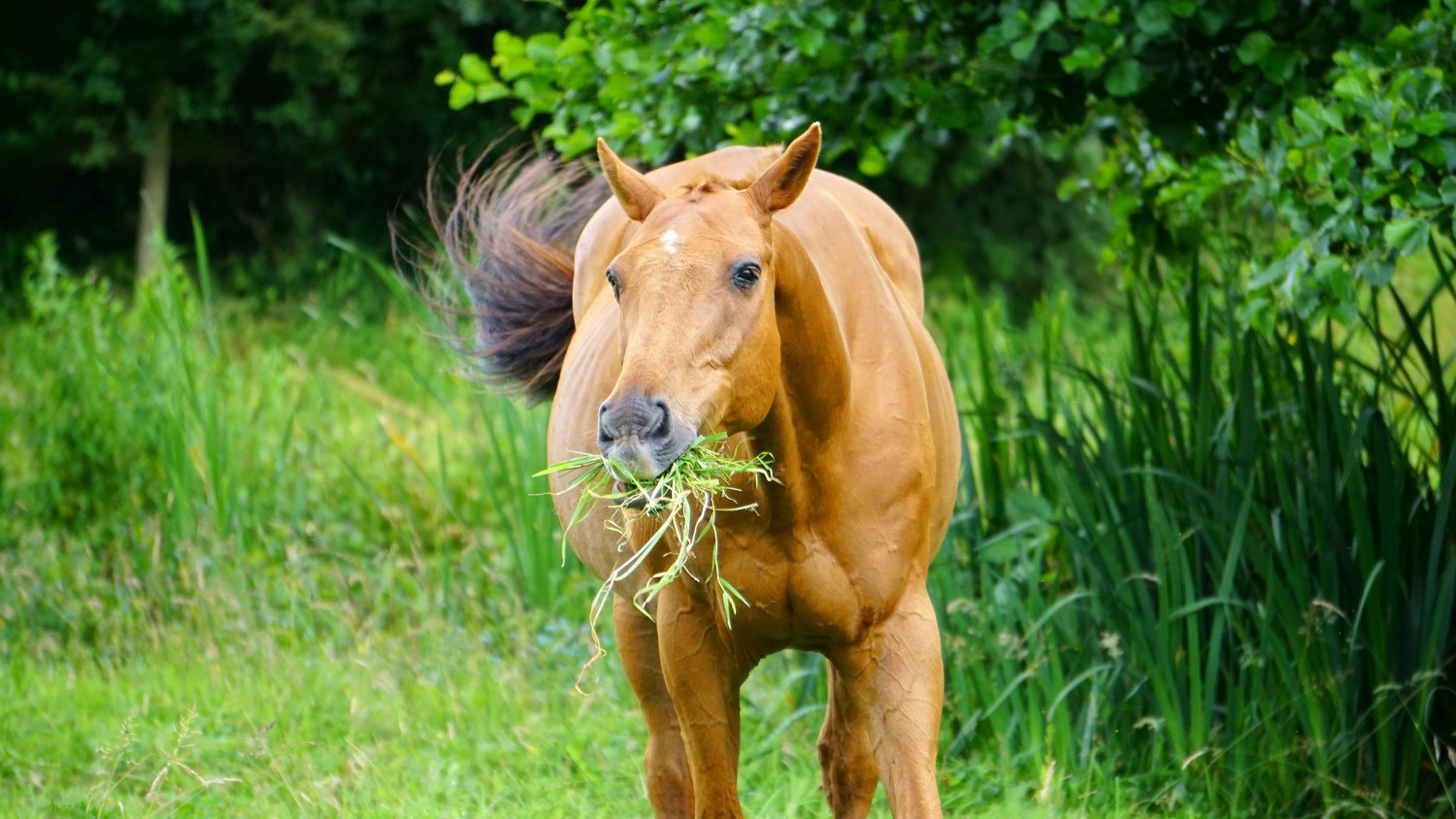
Credit: www.lawnstarter.com
Grass Through The Seasons
Grass changes with the weather and seasons. In spring, it grows fast and is high in sugar. In summer, it becomes tougher and lower in energy. In autumn, new growth can spike sugar levels again. In winter, most grass stops growing, and hay or other feeds are needed.
It’s important to adjust grazing times and diet as the seasons change to keep horses healthy and avoid sudden shifts in nutrition.
How To Tell If Your Horse Is Doing Well On Grass
A horse that is thriving on grass will show:
- Steady, healthy body weight
- Shiny coat and bright eyes
- Even, regular manure
- Calm behavior (not restless or irritable)
- Good hoof health
If you notice weight loss, dull coat, or hoof issues, it may be time to check the quality of grass, dental health, or add supplements.
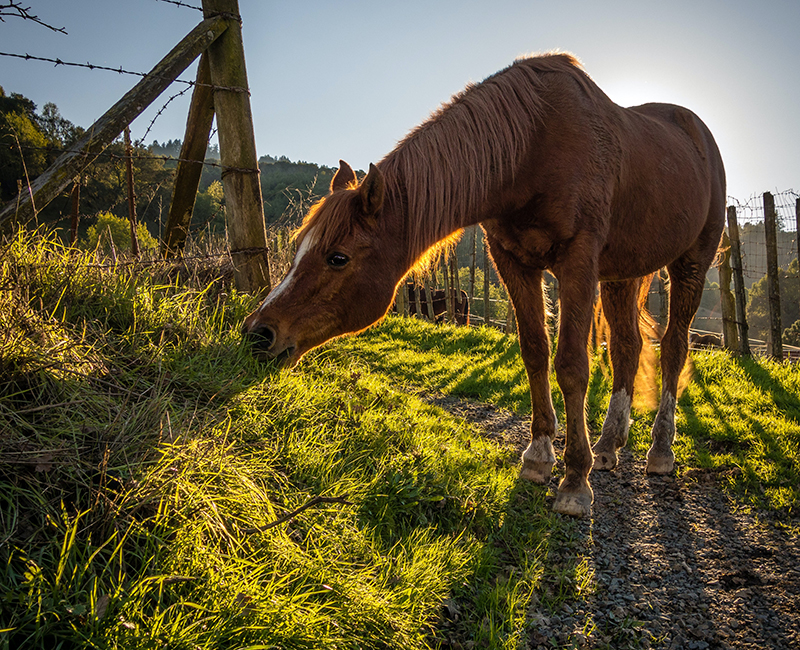
Credit: vetmed.illinois.edu
The Future Of Grazing: Grass And Modern Horse Care
Even with new feeds and supplements, grazing remains the foundation of good horse care. More studies are showing the benefits of letting horses eat and move naturally. Some horse owners are creating “track systems” to encourage movement while grazing, or sowing special grass mixes to support horse health.
For those who want more scientific details, you can read about equine nutrition and digestion on the Wikipedia Horse page.
Frequently Asked Questions
Why Can Horses Eat Grass But Not Humans?
Horses have special teeth, a long digestive tract, and billions of gut microbes that allow them to break down tough plant fibers in grass. Humans lack these features, so we cannot get nutrition from grass.
Is It Safe To Feed Horses Only Grass?
For most healthy horses, good pasture grass provides all the nutrition they need. However, poor-quality grass, special health needs, or limited pasture may require extra feed or supplements.
Can Horses Eat Too Much Grass?
Yes. Eating too much rich grass, especially in spring or autumn, can lead to obesity or laminitis. Horses should be introduced to new pasture slowly, and their weight should be monitored.
What Kind Of Grass Is Best For Horses?
Cool-season grasses like timothy, orchard, and bluegrass are often best. Avoid grasses with high sugar content or any that contain toxins. Mixed pastures with several grass types provide better nutrition.
Why Do Some Horses Get Sick From Grass?
Horses with metabolic issues, like insulin resistance, are sensitive to sugars in grass. Also, sudden changes, poor-quality grass, or the presence of toxic plants can cause digestive problems.
Horses and grass have evolved together for millions of years. Understanding why horses can eat grass helps us give them the healthiest, happiest lives possible. By respecting their natural diet and habits, we support their well-being for years to come.