
Horses have been companions to humans for thousands of years. From ancient battles to modern sports, their role has changed, but their impact remains strong. Today, people use horses for work, recreation, therapy, and even tourism. But how many people actually use horses?
The answer is complex, involving many cultures, industries, and purposes. Let’s explore the numbers, the types of use, and the reasons why horses are still important in our world.
Global Horse Population And Usage
To understand how many people use horses, we first need to look at the global horse population. The Food and Agriculture Organization (FAO) estimates there are about 60 million horses worldwide. However, the number of people using horses is much higher, because each horse often serves multiple riders, workers, or owners.
Horse Ownership And Users
According to recent data, there are around 30 million horse owners globally. But horse use extends beyond ownership:
- Many people ride horses at stables or clubs without owning them.
- Workers, trainers, veterinarians, and farriers interact with horses daily.
- Tourists and therapy patients use horses for short periods.
In the United States alone, the American Horse Council says over 7 million people are involved with horses, including owners, riders, and professionals. In Europe, horse use is widespread, with millions enjoying horse sports and leisure riding.
Breakdown By Region
Here is a summary of horse populations and estimated users by region:
| Region | Horse Population | Estimated Users |
|---|---|---|
| North America | ~9 million | ~8 million |
| Europe | ~7 million | ~5 million |
| Latin America | ~13 million | ~10 million |
| Asia | ~17 million | ~12 million |
| Africa | ~11 million | ~6 million |
| Oceania | ~2 million | ~1.5 million |
The number of users is always higher than the number of horses, because each horse is used by several people. This is especially true in riding schools and working environments.
Main Ways People Use Horses
People use horses in many different ways. Let’s look at the most common uses, and estimate how many people are involved in each.
1. Work And Transportation
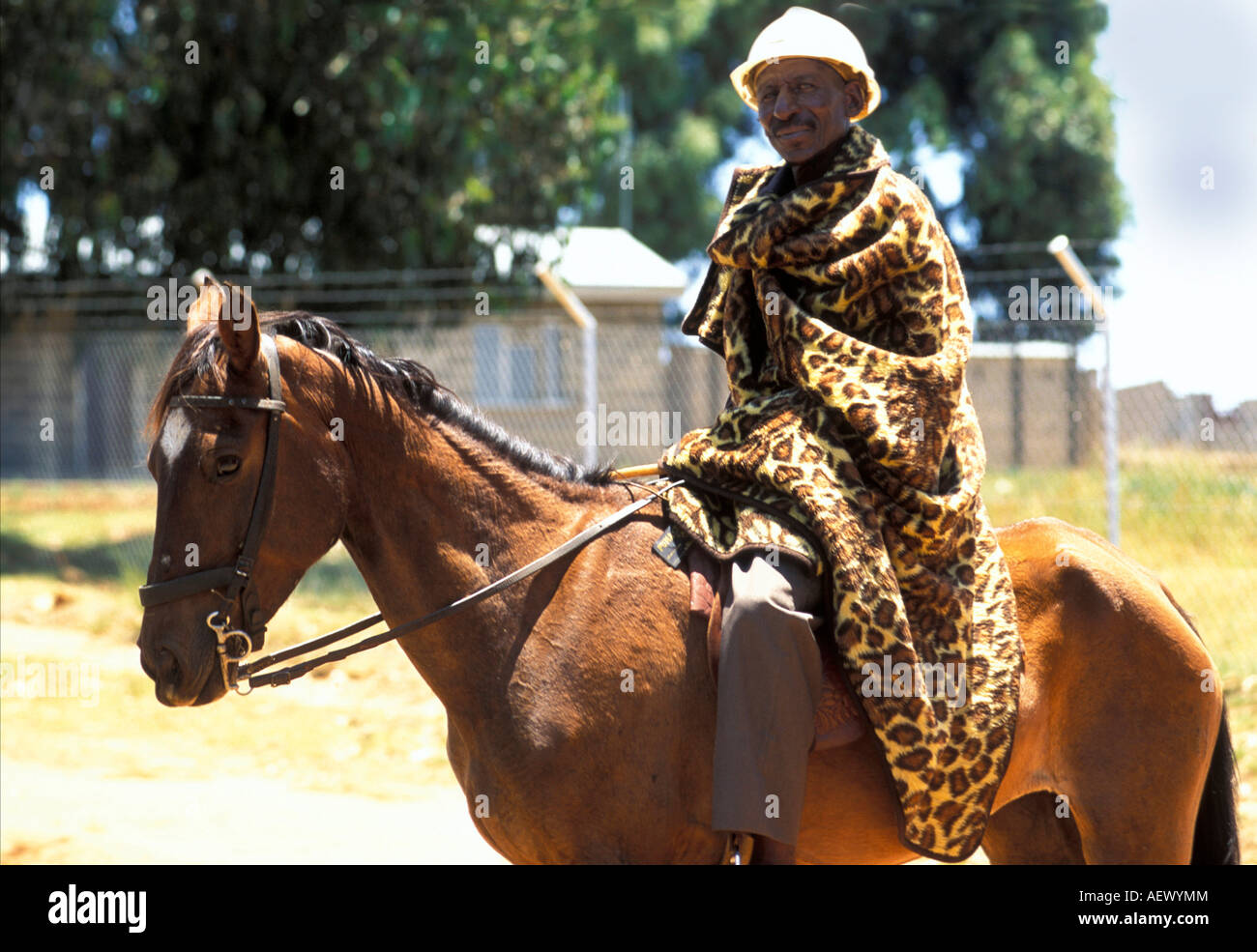
For centuries, horses have been vital for work and transportation. While machines have replaced horses in many places, they are still important in rural and developing regions.
- Agriculture: In countries like Mongolia, India, and parts of Africa, horses are used for plowing, hauling, and carrying goods. Millions depend on horses for daily work.
- Police and Military: Mounted police units exist in cities worldwide. Horses are also used for ceremonial purposes in military parades.
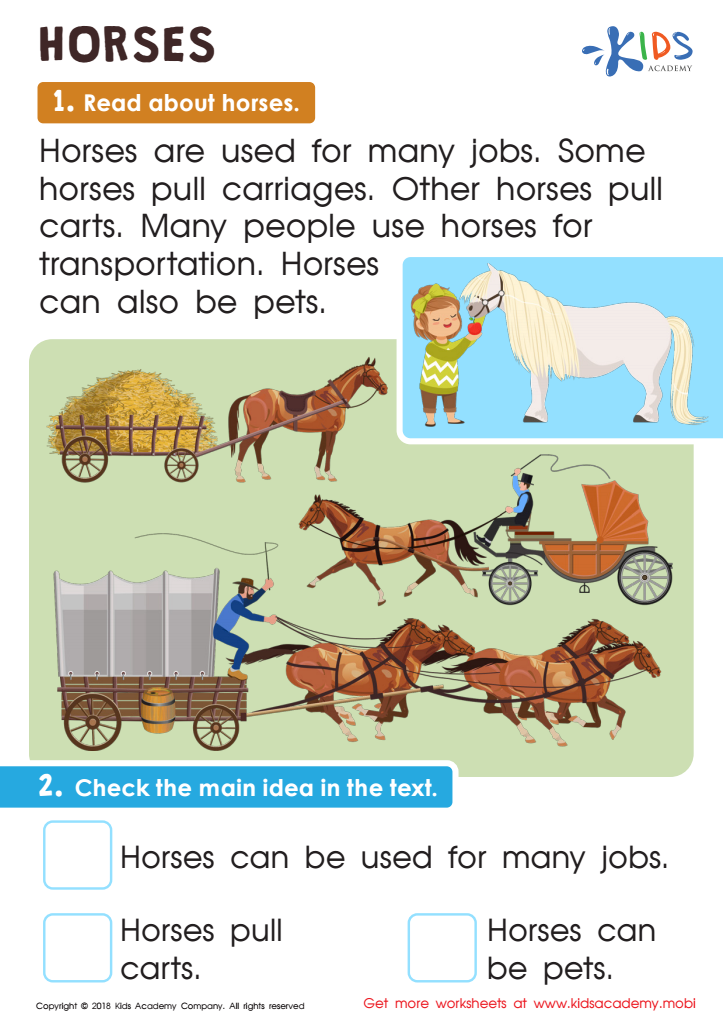
- Transportation: In tourist areas and villages, horse-drawn carriages and carts are common.
The FAO estimates that about 10 million people globally use horses for work and transportation today.
2. Sports And Recreation
Horse sports are popular in many countries. Riding, racing, jumping, and dressage attract millions of participants and fans.
- Equestrian sports: Activities like show jumping, dressage, and eventing are enjoyed by over 6 million people worldwide.
- Horse racing: Betting and watching races is big business. Hundreds of thousands of jockeys, trainers, and grooms work in the industry, with millions of fans.
- Leisure riding: Trail riding, hacking, and pony clubs involve people of all ages.
Recreational horse use is highest in North America and Europe, but growing fast in Asia and Latin America.
3. Therapy And Education
Horses are increasingly used for therapy and education. Equine-assisted therapy helps people with disabilities, trauma, and mental health challenges.
- Therapeutic riding: Over 500,000 people participate in therapeutic horse programs every year.
- Education: Riding schools, summer camps, and university programs teach millions about horse care and riding skills.
Many beginners miss how powerful horse therapy can be for people with autism, PTSD, or mobility issues. The emotional bond between horse and human is unique.
4. Tourism
Horse tourism is a growing industry. People ride horses on beaches, in mountains, and through cities.
- Guided tours: In places like Iceland, Argentina, and Morocco, thousands take horseback tours annually.
- Safari rides: Africa and Australia offer horseback safaris, mixing adventure and nature.
- Ranch vacations: In the US and Canada, dude ranches welcome tourists for riding experiences.
Horse tourism involves over 1 million travelers each year, and supports many local economies.
5. Breeding And Industry
Behind the scenes, the horse industry supports millions of jobs.
- Breeders: Over 1 million people breed horses for sport, work, and recreation.
- Veterinarians and farriers: These specialists provide care and maintenance. Thousands are employed worldwide.
- Equipment and feed suppliers: Tack shops, feed stores, and transport services are part of the horse economy.
The industry is often overlooked, but it is essential to horse use. Without breeders, vets, and suppliers, horse activities would not exist.
Cultural And Historical Uses
Horses have shaped history in many ways. Their use is still strong in cultures where tradition matters.
Native And Indigenous Communities
Many indigenous groups continue to use horses for ceremonies, hunting, and daily life.
- In North America, Native American tribes use horses for powwows and rodeos.
- In Mongolia, horses are central to nomadic culture, sports, and festivals.
- In South America, gauchos and vaqueros use horses for cattle work.
These communities often have deep knowledge of horse care and training, passed down for generations.
Festivals And Parades
Horses are featured in cultural festivals and parades around the world.
- Spain’s Feria de Abril and Jerez Horse Fair attract thousands of riders.
- India’s Marwari horse festivals celebrate local breeds.
- The Royal Edinburgh Military Tattoo in Scotland includes mounted performances.
These events involve not only riders, but also trainers, musicians, and organizers. The number of people using horses for these events is hard to measure, but likely in the hundreds of thousands annually.
Horse Use By Age And Gender
Horse use varies by age and gender. Let’s look at who is most likely to use horses, and why.
Children And Youth
Many children start riding at a young age. Pony clubs, riding schools, and summer camps offer lessons and fun.
- In Europe and North America, over 2 million children ride horses each year.
- Riding helps develop confidence, balance, and responsibility.
Adults
Adults use horses for work, sports, recreation, and therapy.
- Most horse owners are adults, and many join clubs or compete.
- Horse riding is one of the few sports where women and men compete equally.
Seniors
Older adults also use horses, often for leisure or therapy.
- Riding can help with joint health and balance.
- Therapeutic programs for seniors are growing.
Gender Comparison
Horse use is unique in that women are often more active than men, especially in riding and care.
| Activity | Women (%) | Men (%) |
|---|---|---|
| Leisure riding | 65 | 35 |
| Competition | 60 | 40 |
| Work/Transport | 40 | 60 |
| Breeding/Industry | 55 | 45 |
This shows that horse use is accessible to all genders and ages, making it a truly inclusive activity.
Horse Use In Urban Vs Rural Areas
Where people live affects how they use horses. Urban and rural horse use is very different.
Urban Horse Use
In cities, horses are used for:
- Police patrols
- Carriage rides for tourists
- Riding clubs and lessons
Urban use is limited by space, but still important for community events and tourism.
Rural Horse Use
In rural areas, horses are:
- Essential for farm work
- Used for transportation
- Part of family traditions
Rural use is higher overall, but urban areas often have more organized sports and clubs.
Comparison Table: Urban Vs Rural Horse Use
| Type of Use | Urban | Rural |
|---|---|---|
| Sports/Clubs | High | Medium |
| Work/Transport | Low | High |
| Tourism | Medium | Medium |
| Therapy | Medium | Low |
| Breeding/Industry | Medium | High |
This comparison highlights how horse use is shaped by geography.
Modern Trends In Horse Use
Horse use is changing fast. Let’s look at some modern trends and how they affect the numbers.
Technology And Horse Care
Modern technology helps people care for horses better:
- GPS tracking for riding routes
- Online training videos
- Smart feeders and waterers
These advances make horse use easier and safer, leading to more people joining the activity.
Growth Of Horse Sports
Horse sports are now broadcast globally. Events like the Olympics, Kentucky Derby, and Dubai World Cup reach millions.
- Online betting and streaming increase fans and participants.
- New disciplines, like vaulting and endurance riding, attract younger riders.
Environmental Concerns
Some people worry about the environmental impact of horses, especially in cities. Manure disposal, land use, and water management are important. Sustainable practices are becoming common, and this attracts environmentally conscious riders.
Urbanization
As cities grow, space for horses shrinks. However, riding clubs and therapy centers adapt by offering indoor arenas and creative programs.
Diversity And Inclusion
Horse use is becoming more diverse. Programs for disabled riders, low-income youth, and minority groups are expanding. This makes horse use accessible to more people, and grows the community.

Credit: www.thetrace.org
Challenges And Barriers To Horse Use
Despite its popularity, horse use faces some challenges:
- Cost: Horses are expensive to buy, feed, and care for. Many people cannot afford regular riding.
- Space: Keeping horses requires land. Urban dwellers have limited options.
- Time: Horses need daily care. Busy people struggle to fit this into their routines.
- Safety: Riding can be risky. Beginners need proper training and supervision.
- Regulations: Laws about horse welfare, land use, and transport can restrict activities.
Common mistakes for beginners include underestimating the cost and time needed, and skipping safety training. Knowing these challenges helps people plan better.
Economic Impact Of Horse Use
The horse industry is huge. In the United States, it is worth over $122 billion annually and supports over 1.7 million jobs. Globally, the industry includes:
- Boarding and training stables
- Breeders and veterinarians
- Feed and equipment suppliers
- Event organizers and media
Horse use supports rural economies, tourism, sports, and education. The indirect impact is even larger, as hotels, restaurants, and travel companies benefit from horse-related activities.
Credit: www.alamy.com
Estimating The Total Number Of People Using Horses
With so many forms of use, how many people use horses worldwide? Experts estimate that:
- At least 30 million people use horses regularly (owners, workers, riders).
- Up to 100 million people interact with horses yearly (including tourists, students, therapy patients).
This number is always changing, as new activities and programs start. The diversity of horse use makes it hard to count exact numbers, but the global impact is clear.
Non-obvious Insights About Horse Use
- Horse use is not just about riding. Many people interact with horses through care, therapy, breeding, and industry, without ever riding.
- Horse use is growing in developing countries. As economies improve, more people can afford horses for work and recreation.
- Community programs drive inclusion. Many riding schools offer free or low-cost lessons for disabled, low-income, or minority riders, expanding access beyond traditional users.
- Digital platforms connect users. Apps and online groups make it easier for people to find horse activities, share tips, and join events.
- Horse use adapts to city life. Indoor arenas, riding simulators, and therapy programs bring horse experiences to urban dwellers who cannot own horses.
Beginners often miss these trends, focusing only on riding or sports. But the real impact of horse use is much wider.
Credit: www.kidsacademy.mobi
Frequently Asked Questions
How Many People Own Horses Worldwide?
About 30 million people are estimated to own horses globally. Many more use horses through clubs, schools, or work without owning them.
What Is The Main Reason People Use Horses Today?
The main reasons are sports and recreation, followed by work and transportation in rural areas, and therapy in urban centers. The purpose depends on culture and location.
Are Horses Still Important For Work?
Yes, in many developing countries, horses are essential for agriculture and transportation. In modern economies, their work is mainly ceremonial or recreational.
Is Horse Riding Growing Or Declining?
Horse riding is growing in developing countries and stable in developed regions. Sports, therapy, and tourism are expanding, but traditional work use is declining in urban areas.
Where Can I Find More Data About Horse Populations And Use?
You can visit the Wikipedia Horse Page for more detailed statistics and global data.
Horses are more than animals—they are partners in work, sport, therapy, and culture. Millions of people use horses every year, and the numbers keep growing as new activities and technologies emerge. Understanding how many people use horses shows us the deep connection between humans and these remarkable animals.
Whether you ride, care, or simply watch, horses remain a powerful part of our world.