
Have you ever wondered if your horse would drink water that isn’t safe? You might think horses will avoid bad water, but the truth isn’t always so simple.
Your horse’s health depends a lot on the water they drink every day. If that water is dirty or contaminated, it can lead to serious problems. You’ll discover how horses react to bad water and what signs you need to watch for.
Keep reading to protect your horse and make sure they stay healthy and happy.
Horses And Water Intake
Water is essential for horses to stay healthy and active. Horses need enough water every day to support their body functions. Their water intake affects their digestion, temperature, and overall well-being.
Understanding how much water horses need and what makes them thirsty helps caretakers provide the best care. This knowledge also helps avoid problems caused by poor water quality.
Daily Water Needs
Horses usually drink between 5 to 10 gallons of water each day. The exact amount depends on their size, diet, and activity level. Hot weather or hard work can increase their water needs. Fresh, clean water must always be available for horses to drink.
Factors Affecting Thirst
Several things can change how much water a horse drinks. Warm weather and exercise make horses thirstier. Eating dry hay also raises water needs. Illness or certain medications can change thirst too. Horses may avoid water that tastes bad or smells strange.

Credit: www.reddit.com
What Qualifies As Bad Water?
Understanding what makes water “bad” is key to keeping horses healthy. Not all water that looks clear is safe for horses. Some types of water contain harmful elements that horses should avoid. These can cause health problems or make horses refuse to drink. Knowing the signs of bad water helps in providing clean, safe drinking sources.
Contaminants And Pollutants
Water may have dirt, bacteria, or chemicals that harm horses. Waste from farms or factories can pollute water. These pollutants can cause stomach issues or infections in horses. Avoid water near industrial areas or places with heavy farming waste. Regular testing helps detect harmful contaminants early.
Stagnant Vs. Fresh Water
Stagnant water often collects germs and algae. It looks dull and may have a bad smell. Fresh water is clear, cool, and flows gently. Horses prefer fresh water and drink more of it. Stagnant water can cause digestive problems and infections. Always provide fresh water to keep horses healthy.
Chemical Imbalances
Water with wrong chemical levels is bad for horses. High salt, nitrate, or mineral content can be dangerous. These chemicals may come from fertilizers or natural sources. Chemical imbalances can cause dehydration or kidney problems. Testing water helps identify harmful chemical levels quickly.
Will Horses Drink Contaminated Water?
Will horses drink contaminated water? This question worries many horse owners. Horses need clean water to stay healthy. But sometimes, water can have dirt, germs, or chemicals. Understanding how horses react to bad water helps keep them safe.
Natural Drinking Behavior
Horses usually drink fresh, clean water. They use their lips to taste and smell water first. If water smells strange or tastes bad, horses may avoid it. They prefer clear, cool water over muddy or stale water. Their natural behavior helps protect them from harmful water.
Signs Of Refusal
Horses may show signs when they dislike water. They might turn their head away or push the water container. Some horses paw at the water or try to drink less. Watch for these signs to know if your horse refuses water.
Risks Of Drinking Unsafe Water
Contaminated water can cause serious health problems. It may contain bacteria, parasites, or chemicals. Drinking bad water can lead to stomach upset, diarrhea, or infections. Long-term exposure can hurt kidneys and other organs. Always provide clean water to keep horses healthy.

Credit: www.reddit.com
Health Risks From Bad Water
Horses need clean water to stay healthy. Drinking bad water can cause many health problems. Contaminated water carries germs and harmful substances. These can affect a horse’s body in several ways. Understanding these risks helps you protect your horse’s health.
Common Diseases And Infections
Bad water can carry bacteria and viruses. These germs cause diseases like leptospirosis and salmonella. Horses can get infections in their stomach or bloodstream. Water with parasites can lead to serious illness. These infections make horses weak and tired.
Impact On Digestive System
Dirty water can upset a horse’s stomach. It may cause diarrhea or colic. Harmful chemicals in water can damage the intestines. This reduces the horse’s ability to absorb nutrients. Poor digestion leads to weight loss and low energy.
Long-term Consequences
Regular drinking of bad water harms horses over time. It can cause chronic kidney or liver problems. Horses may develop long-term infections that are hard to treat. Their overall health and performance will decline. Clean water is key to preventing these issues.
Preventing Horses From Drinking Bad Water
Preventing horses from drinking bad water protects their health and performance. Clean water is essential for hydration and digestion. Contaminated water can cause illness and discomfort. Careful management helps keep water safe and fresh. Simple steps make a big difference in water quality.
Water Source Management
Choose water sources away from chemicals and waste. Keep troughs clean and free from algae. Change water often to avoid stagnation. Use covered containers to stop dirt and insects. Proper fencing prevents horses from accessing unsafe water bodies.
Regular Water Testing
Test water regularly for bacteria and toxins. Use simple test kits or hire professionals. Check pH levels and contaminants like nitrates. Early detection prevents health risks. Record results to track water quality over time.
Alternative Hydration Methods
Offer clean water in buckets if troughs are unsafe. Provide fresh water during hot and cold weather. Use electrolyte supplements for extra hydration needs. Monitor horses to ensure they drink enough. Hydration supports energy and overall well-being.
Recognizing Dehydration And Water Issues
Horses need clean water to stay healthy. They can sometimes drink bad water. This can cause dehydration and health problems. Recognizing dehydration and water issues early helps protect your horse.
Watch your horse closely. Changes in behavior or body can signal problems. Acting quickly keeps your horse safe and comfortable.
Behavioral Changes
Horses with water issues act differently. They may drink less or refuse water. Some become restless or show signs of discomfort. A horse that usually drinks well but stops is a warning sign. Pay attention to unusual actions around water.
Physical Symptoms
Dehydration shows in a horse’s body. Dry gums and sunken eyes are common signs. Skin may lose elasticity, staying pinched when pulled. The horse might stand tired or weak. These symptoms need fast attention to prevent serious illness.
When To Call A Vet
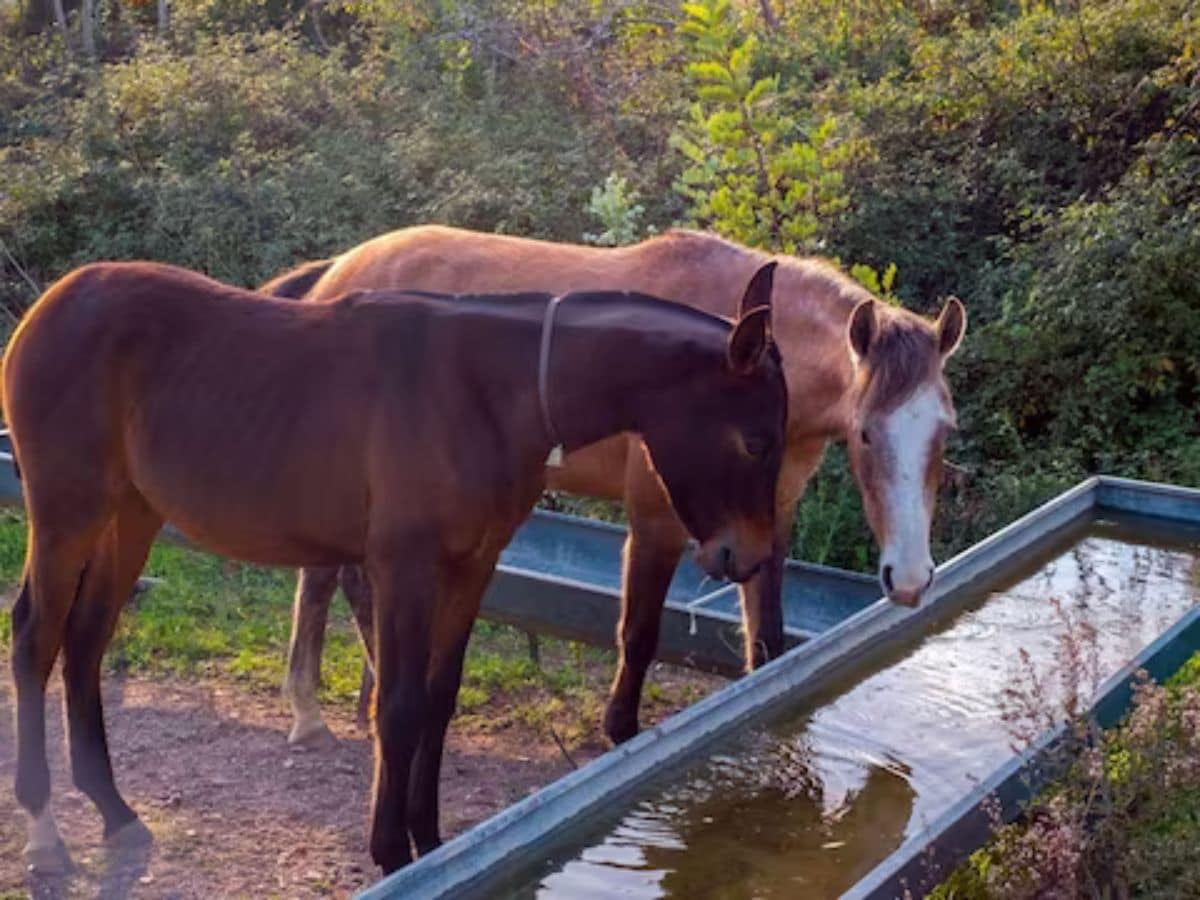
Call a vet if your horse refuses water for more than a day. Seek help if you see swelling, colic signs, or severe weakness. A vet can check for infections or blockages. Early treatment improves recovery chances and keeps your horse healthy.
Credit: www.news18.com
Frequently Asked Questions
Will Horses Drink Water That Looks Dirty?
Horses usually avoid visibly dirty or stagnant water. They prefer fresh, clean water to stay healthy and hydrated. Dirty water can carry harmful bacteria that cause illness.
Can Bad Water Harm A Horse’s Health?
Yes, contaminated water can cause digestive issues and infections in horses. Always provide clean water to prevent health problems and ensure their well-being.
How To Tell If Horse Water Is Safe?
Check water clarity, smell, and taste. Avoid water with foul odors, algae, or debris. Regularly clean water troughs to maintain safety.
Do Horses Need Filtered Water To Stay Healthy?
Filtered water is ideal but not always necessary. Clean, fresh water is most important to keep horses hydrated and prevent sickness.
Conclusion
Horses need clean water to stay healthy and strong. They may avoid water that smells or tastes bad. Drinking dirty water can make them sick. Always check your horse’s water for dirt and bacteria. Change the water often to keep it fresh.
A healthy horse drinks plenty of clean water every day. Good water helps your horse feel happy and active. Remember, water quality matters just as much as quantity. Keep your horse’s water safe to protect its health. Clean water means a happy, healthy horse.