
If your horse won’t load into the trailer, you know how frustrating and stressful it can be. You want to get going—whether it’s for a show, a vet visit, or just a trail ride—but your horse just won’t cooperate.
You might feel stuck, worried, or even overwhelmed. The good news is, you’re not alone, and there are simple steps you can take right now to solve this problem. Keep reading, because understanding why your horse resists loading and how to handle it can save you time, reduce stress, and make every trip smoother for both you and your horse.
Common Reasons Horses Refuse To Load
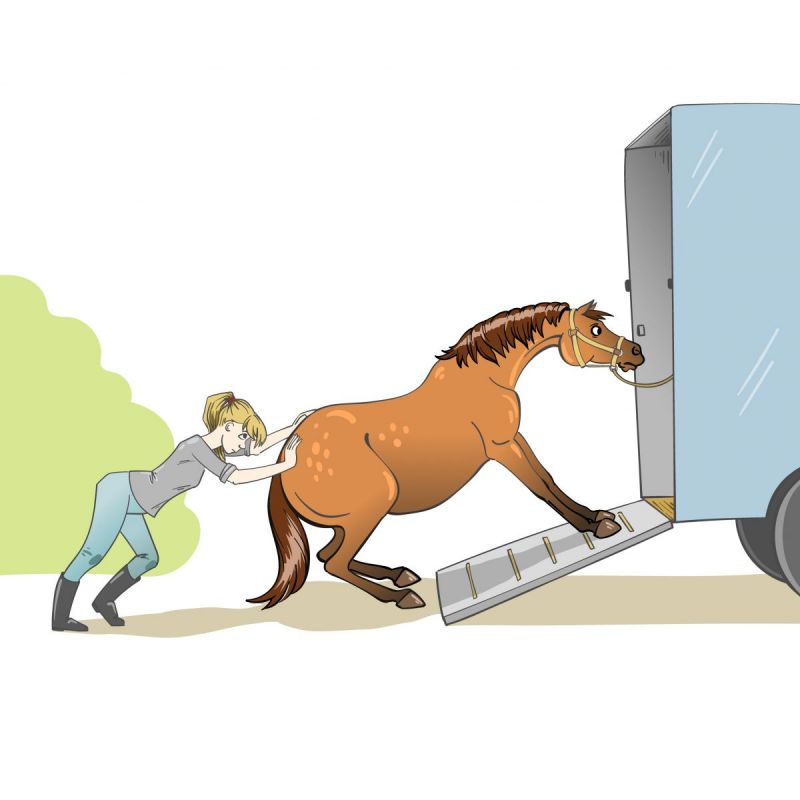
Horses may refuse to load for many reasons. Knowing these reasons helps solve the problem faster. Each horse is different, but some causes are common. Understanding these helps keep the horse calm and safe.
Fear And Anxiety
Many horses feel scared near trailers. The tight space feels strange to them. Loud noises or sudden movements increase their fear. Horses remember scary moments and avoid trailers.
Previous Negative Experiences
A horse may refuse to load after a bad event. Past accidents or rough handling cause distrust. Horses link trailers with pain or discomfort. This memory makes them hesitate or resist.
Physical Discomfort
Pain or injury can stop a horse from loading. Sore hooves, back pain, or illness cause reluctance. The horse avoids trailers to protect itself. Checking health helps find and fix problems.
Lack Of Training
Some horses do not know how to load. They need slow, gentle teaching to learn. Without practice, trailers seem confusing and scary. Patient training builds trust and good habits.
Credit: www.horsejournals.com
Preparing Your Horse For Loading
Preparing your horse for loading can ease the process and reduce stress. Horses sense your mood and react to it. Calm, steady preparation helps your horse feel safe and ready. Practice often and be patient. Small steps build success over time.
Building Trust And Confidence
Trust is key in loading your horse. Spend time near the trailer without rushing. Talk softly and use gentle touch. Let your horse explore the trailer freely. Confidence grows when your horse feels safe and calm.
Familiarizing With The Trailer
Show the trailer to your horse before loading. Walk around it together. Open the doors and let your horse peek inside. Place treats or toys near the entrance. This makes the trailer less scary and more inviting.
Using Positive Reinforcement
Reward your horse for small steps toward the trailer. Use treats, praise, or scratches. Positive signals encourage your horse to try again. Avoid punishment or force. Positive reinforcement builds willingness and trust.
Step-by-step Loading Techniques
Loading a horse can be a tough task. Many horses feel nervous or scared about entering a trailer. Using clear, calm steps helps your horse feel safe. This guide shares simple techniques to load your horse with less stress. Follow each step carefully for better results.
Patience and gentle handling make the process smoother. Small rewards can build trust and encourage your horse. These step-by-step methods create a calm experience for both you and your horse.
Approaching Calmly
Stand near your horse quietly. Avoid sudden moves or loud sounds. Speak softly and keep your body relaxed. Calmness helps your horse stay calm too. Let your horse see and smell the trailer first. Give time to explore without pressure.
Leading With Patience
Hold the lead rope firmly but gently. Walk slowly toward the trailer entrance. Stop if the horse hesitates or pulls back. Wait and breathe deeply. Let your horse set the pace. Move forward only when your horse feels ready.
Using Food And Toys As Incentives
Offer treats near the trailer door. Use a bucket of grain or favorite snacks. Toys can also catch your horse’s interest. Place these rewards inside the trailer. Encourage your horse to step forward to get them. Positive rewards create good memories.
Encouraging Voluntary Loading
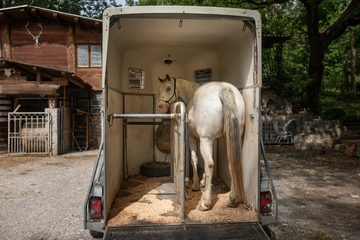
Do not force your horse inside. Let your horse enter on its own time. Praise quietly when it takes a step forward. Repeat this until your horse fully enters. Voluntary loading builds trust and reduces fear. Stay calm and patient throughout the process.
Credit: shopus.parelli.com
Handling Stubborn Horses
Handling stubborn horses during loading can be tough. Some horses resist because of fear or bad past experiences. Patience and understanding are key to helping your horse load calmly. Knowing how to read your horse’s behavior and staying calm yourself makes a big difference.
Recognizing Signs Of Resistance
Look for signs like pawing, head tossing, or backing away. These show your horse feels uneasy or scared. Ears pinned back or wide eyes mean the horse is stressed. Notice if your horse freezes or refuses to move. Recognizing these signs helps you respond better.
Calming Strategies
Stay calm and speak softly to soothe your horse. Use gentle pats or strokes to show you mean no harm. Try leading your horse with a relaxed rope, not pulling hard. Give treats as rewards when the horse moves closer. Practice short, easy steps to build trust over time.
When To Seek Professional Help
Call a trainer if your horse stays very stubborn. Professionals have skills to handle tough cases safely. They can teach you new techniques to make loading easier. Do not risk injury to yourself or your horse. Getting help early prevents bigger problems later.
Trailer And Equipment Tips
Trailer and equipment play a big role in loading your horse safely and calmly. The right setup can reduce stress and make the process smoother. Proper care and design help your horse feel secure and willing to enter the trailer.
Simple tools and good maintenance improve the experience for both you and your horse. Focus on these key areas to help your horse load without trouble.
Ensuring Proper Trailer Maintenance
Check your trailer regularly for damage or wear. Fix broken parts like latches, lights, and tires quickly. Clean the trailer floor to avoid slippery spots. A safe and sturdy trailer builds trust with your horse. Make sure doors and ramps open and close smoothly. A well-kept trailer invites your horse to step inside calmly.
Safe Trailer Design Features
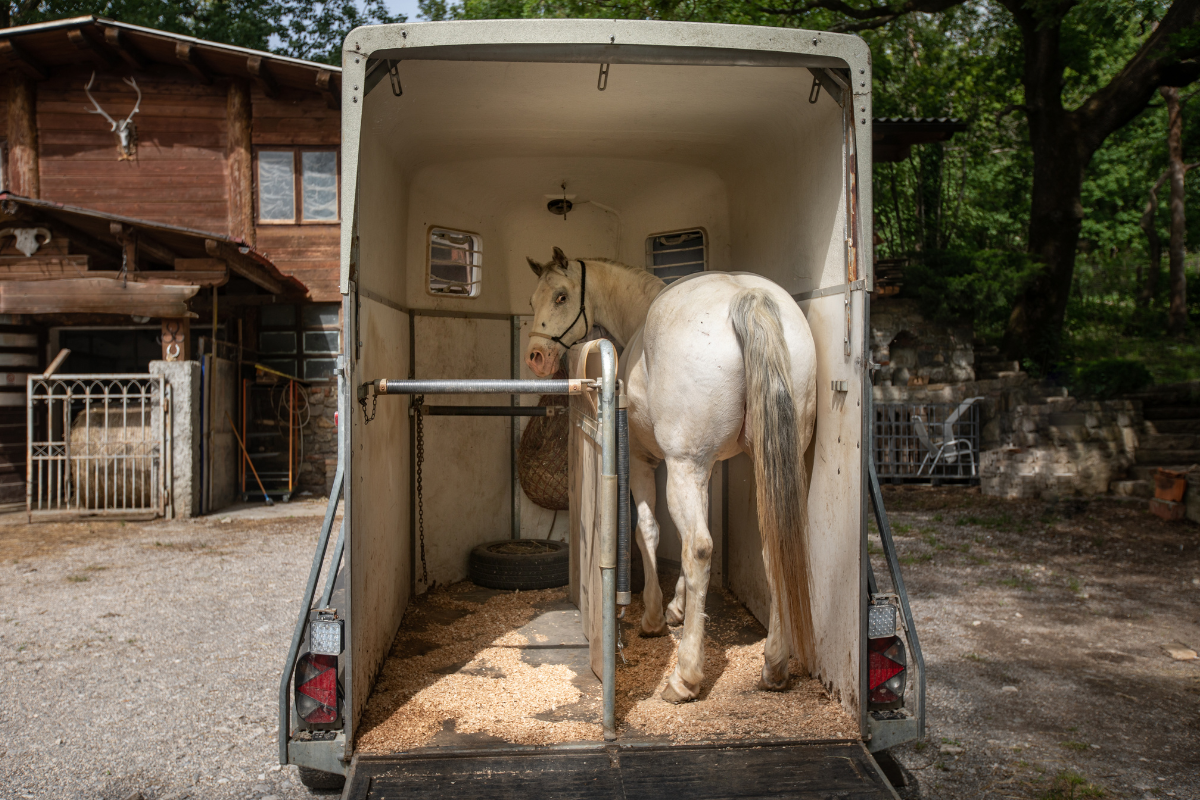
Choose a trailer with good ventilation and lighting. Bright interiors help horses see better and feel less scared. Non-slip flooring is a must to prevent slipping. Wide ramps with side rails guide your horse safely inside. Avoid trailers with sharp edges or narrow spaces. A comfortable space encourages your horse to load easily.
Using Loading Aids
Use tools like trailer flags or poles to guide your horse gently. A lead rope and halter give you control without force. Consider treats or a calm voice to encourage your horse. A loading stick can help guide hesitant horses. Keep aids simple and gentle to avoid stress. These small tools support a smooth, safe loading process.
Credit: shopus.parelli.com
Preventing Loading Problems In The Future
Preventing loading problems is key to smooth travel with your horse. Regular care and practice help your horse feel safe and calm near the trailer. Taking simple steps now can avoid stressful moments later.
Regular Practice Sessions
Practice loading your horse often. Short, calm sessions work best. Let your horse walk into the trailer without pressure. Reward good behavior with gentle pats or treats. Regular practice builds confidence and trust. This reduces fear and resistance over time.
Positive Experiences With Loading
Create happy moments around loading. Use calm voices and soft touches. Allow your horse to explore the trailer freely. Give treats inside the trailer to create a good link. Avoid rushing or forcing your horse. Positive memories make loading easier and quicker.
Monitoring Horse Health
Check your horse’s health regularly. Pain or discomfort can cause loading problems. Look for signs like limping or stiffness. Keep vaccinations and worming up to date. Healthy horses feel better and load more willingly. Consult a vet if your horse shows unusual behavior.
Frequently Asked Questions
Why Won’t My Horse Load Into The Trailer?
Horses may refuse to load due to fear, past trauma, or discomfort. Identifying the cause helps address the issue. Use calm, patient training and positive reinforcement to build trust and reduce anxiety during loading.
How Can I Make Loading Easier For My Horse?
Use gentle encouragement, treats, and a calm voice to coax your horse. Practice short, consistent sessions to build familiarity. Ensure the trailer is clean, safe, and comfortable to reduce your horse’s hesitation.
What Are Common Mistakes During Horse Loading?
Forcing or rushing your horse causes fear and resistance. Avoid loud noises or sudden movements. Neglecting to check trailer safety can also lead to refusal. Patience and positive reinforcement are key to successful loading.
When Should I Seek Professional Help For Loading Issues?
If your horse consistently refuses or shows extreme anxiety, consult a trainer. Professional help is important for severe behavioral problems or trauma. Early intervention prevents escalation and ensures safe, stress-free loading.
Conclusion
Loading a horse takes patience and calm actions. Stay gentle and keep trying small steps. Give your horse time to feel safe and trust you. Use rewards and quiet words to encourage them. Practice often to build confidence and ease.
Remember, every horse learns at its own pace. Stay positive, and loading will get easier. Your calm approach makes a big difference. Keep safety first for both you and your horse. Patience and kindness help solve loading problems.