
Horse riding has been part of human life for thousands of years. While in the past it was mostly for transportation, farming, or war, today it is a valuable activity for physical fitness, mental health, social connection, and even therapy.
Many people see horse riding as a sport or hobby, but its benefits go much deeper. Understanding why horse riding is important helps people appreciate its true value, whether for children, adults, or seniors.
Let’s explore the many reasons horse riding matters and why it continues to be a popular and respected pursuit around the world.
Physical Health Benefits Of Horse Riding
Riding a horse is much more than sitting in a saddle and letting the animal do all the work. A rider’s body is constantly engaged, balancing, adjusting, and reacting to the horse’s movement. This unique form of exercise offers several health advantages.
Core Strength And Balance
Horse riding demands a strong core. To stay upright and in control, riders use their abdominal, back, and hip muscles. The horse’s movements are unpredictable, so the rider’s body is always making micro-adjustments. Over time, this builds balance and stability.
Studies have shown that regular riding improves postural control, especially in children and older adults. Riders often notice better posture even when they are not on a horse.
Muscle Tone And Flexibility
All main muscle groups—legs, arms, and back—are active during riding. Riders use their legs to cue the horse, their hands to guide, and their backs to absorb movement. Mounting, dismounting, grooming, and tacking up also add to the physical activity.
Riders often develop strong thighs, toned glutes, and improved joint flexibility, especially in the hips and knees. Unlike many sports, horse riding works muscles in a gentle but consistent way, reducing the risk of injury.
Cardiovascular Fitness And Calorie Burn
While riding may look relaxed, it can raise the heart rate, especially during trotting, cantering, or jumping. According to the British Horse Society, a one-hour ride can burn between 200 and 600 calories, depending on the intensity.
Grooming, mucking out stalls, and carrying equipment add extra physical effort. As a result, horse riding can help with weight management and overall cardiovascular health.
Improved Coordination
Horse riding is a skill sport. Riders must coordinate their hands, legs, eyes, and posture to communicate effectively with the horse. This hand-eye coordination and body awareness can translate into better performance in other activities and daily life.
Bone Health
Weight-bearing exercise is essential for bone strength. Riding, especially at a trot or canter, gives bones a healthy amount of impact, which encourages bone growth and reduces the risk of osteoporosis.
Mental And Emotional Benefits
The connection between horse and rider is powerful. Being around horses can have a profound impact on mental health, which is one reason horse riding is used in therapy programs around the world.
Stress Reduction
Spending time with horses is calming. The barn is a place away from screens and daily worries. The repetitive motion of grooming and riding can help lower stress hormones like cortisol.
Many riders describe a sense of peace when working with horses, sometimes called “barn therapy. ” The focus required when riding helps clear the mind and improve mood.
Boosted Confidence And Self-esteem
Learning to ride and care for a horse brings a sense of achievement. Horses are large, sensitive animals, and successfully communicating with them builds self-confidence.
Riders often set small goals—like mastering a new skill or riding a new trail. Each success, no matter how small, adds to their self-esteem. For children and teens, this can be especially valuable.
Emotional Regulation
Horses can sense the emotions of people around them. If a rider is anxious or angry, the horse often reacts. To succeed, riders must learn to stay calm and control their emotions.
This feedback loop helps riders develop emotional regulation. They learn patience, responsibility, and empathy, which benefit other parts of life.
Mental Focus And Problem-solving
Riding is not passive. Riders must pay attention to their horse, their environment, and their own posture, often making quick decisions. This sharpens mental focus and decision-making skills.
Riders who compete or trail ride must plan ahead, adjust to new situations, and solve problems on the go. These mental skills are useful in school, work, and daily life.
Social Benefits Of Horse Riding
Horse riding is often a community activity. Riders learn from each other, share knowledge, and form strong friendships.
Teamwork And Communication
A successful ride requires clear communication—not just with the horse, but with instructors, other riders, and even barn staff. Riders learn to give instructions, ask for help, and listen carefully.
Events such as horse shows, group lessons, and trail rides encourage teamwork. Riders often support each other, celebrate successes, and help with challenges.
Building Friendships
The barn is a social hub. People of all ages and backgrounds come together, united by a love of horses. Riders form lasting friendships that go beyond the stable.
This social network can be especially important for children, teens, and seniors who may feel isolated in other parts of life.
Intergenerational Bonding
Horse riding brings families together. It’s common to see parents and children, or even three generations, riding and working together. This shared activity strengthens family bonds and creates lifelong memories.
Educational Value Of Horse Riding
Learning to ride is a journey. Riders acquire not just riding skills, but also knowledge about animal care, safety, and responsibility.
Responsibility And Routine
Horses need daily care—feeding, grooming, exercise, and medical attention. Riders, especially those who own or lease a horse, quickly learn the importance of a routine.
This teaches responsibility, time management, and commitment. Young riders often say that caring for a horse helps them become more organized and dependable.
Animal Science And Nature Awareness
Riding exposes people to biology, anatomy, nutrition, and animal behavior. Riders learn about equine health, nutrition, and first aid. They notice changes in their horse’s mood or health, developing observation skills.
Being outdoors also builds respect for nature and the environment. Riders learn about weather, land management, and wildlife.
Safety Awareness
Safety is a key part of riding. Riders learn to assess risks, use proper equipment, and follow rules. This safety-first mindset is valuable in other sports and activities.
Goal Setting And Achievement
Horse riding offers a clear path for progress. Riders set goals—learning to trot, canter, jump, or compete. Achieving these goals requires practice and patience.
This process teaches persistence and the value of hard work. Riders learn to handle setbacks, celebrate progress, and keep moving forward.
Therapeutic Uses Of Horse Riding
Horse riding is not just for fun or fitness. It is a powerful therapy for people with physical, emotional, or cognitive challenges.
Equine-assisted Therapy
Programs like therapeutic riding and hippotherapy use horses to help people with disabilities. The horse’s rhythmic movement mimics human walking, which helps with balance, muscle tone, and coordination.
Children with cerebral palsy, adults recovering from stroke, and veterans with PTSD have all benefited from riding therapy. It can improve motor skills, speech, and emotional well-being.
Autism And Social Development
Equine therapy is popular for children with autism. Riding and caring for a horse helps with communication, sensory processing, and social skills.
Because horses respond to non-verbal cues, children learn to use body language and develop trust.
Mental Health Support
Horses are sensitive to human emotions. People with anxiety, depression, or trauma often find comfort and healing in horse therapy. The non-judgmental presence of a horse makes it easier to open up and heal.
Recovery And Rehabilitation
Riding helps people recovering from injury or surgery regain strength and mobility. The barn environment is motivating and positive, which speeds up recovery.
Economic And Cultural Importance
Horse riding is not just a personal activity. It has a significant impact on local economies and cultures.
Economic Contribution
Horse industries—riding schools, competitions, breeding, and tourism—create jobs and support communities. In the United States, the horse industry is worth over $122 billion and supports 1.7 million jobs.
Riding centers often partner with local businesses, such as feed stores, veterinarians, and equipment shops.
Rural Development
In many rural areas, horse riding supports the local economy. Trail riding and guest ranches attract tourists, creating income for small towns. Riding helps keep open spaces and trails maintained.
Cultural Heritage
Horse riding is part of many cultures. From the American cowboy to Mongolian herders, horses have shaped history and tradition. Festivals, parades, and competitions celebrate this heritage.
Learning to ride connects people to history and culture, fostering pride and belonging.

Credit: www.horsesinsideout.com
Horse Riding As A Sport
Riding is a recognized sport, with different disciplines and competitive levels.
Olympic Sport
Equestrian events—dressage, show jumping, and eventing—are part of the Olympic Games. These sports demand skill, fitness, and teamwork between horse and rider.
Variety Of Disciplines
There are many types of riding, including:
- Dressage: Precise movements and control
- Show jumping: Speed and accuracy over obstacles
- Western riding: Skills used in cattle work
- Trail riding: Endurance and navigation
- Vaulting: Gymnastics on horseback
Each discipline offers different challenges and rewards.
Lifelong Participation
Unlike many sports, riding is possible at almost any age. Children as young as three can start, and seniors in their 80s still ride. This makes it a lifelong activity for health and enjoyment.
Environmental Impact And Conservation
Horse riding can play a positive role in the environment when managed responsibly.
Trail Stewardship
Riders maintain and protect trails, often volunteering to repair paths, remove litter, and report hazards. Responsible riding minimizes damage to natural habitats.
Promoting Conservation
Many horse owners support conservation efforts. By riding in parks and nature reserves, they help fund and protect these spaces.
Sustainable Land Use
Grazing horses can help manage grasslands, reduce fire risks, and maintain biodiversity. However, overgrazing and poor management can harm the environment, so education and balance are key.
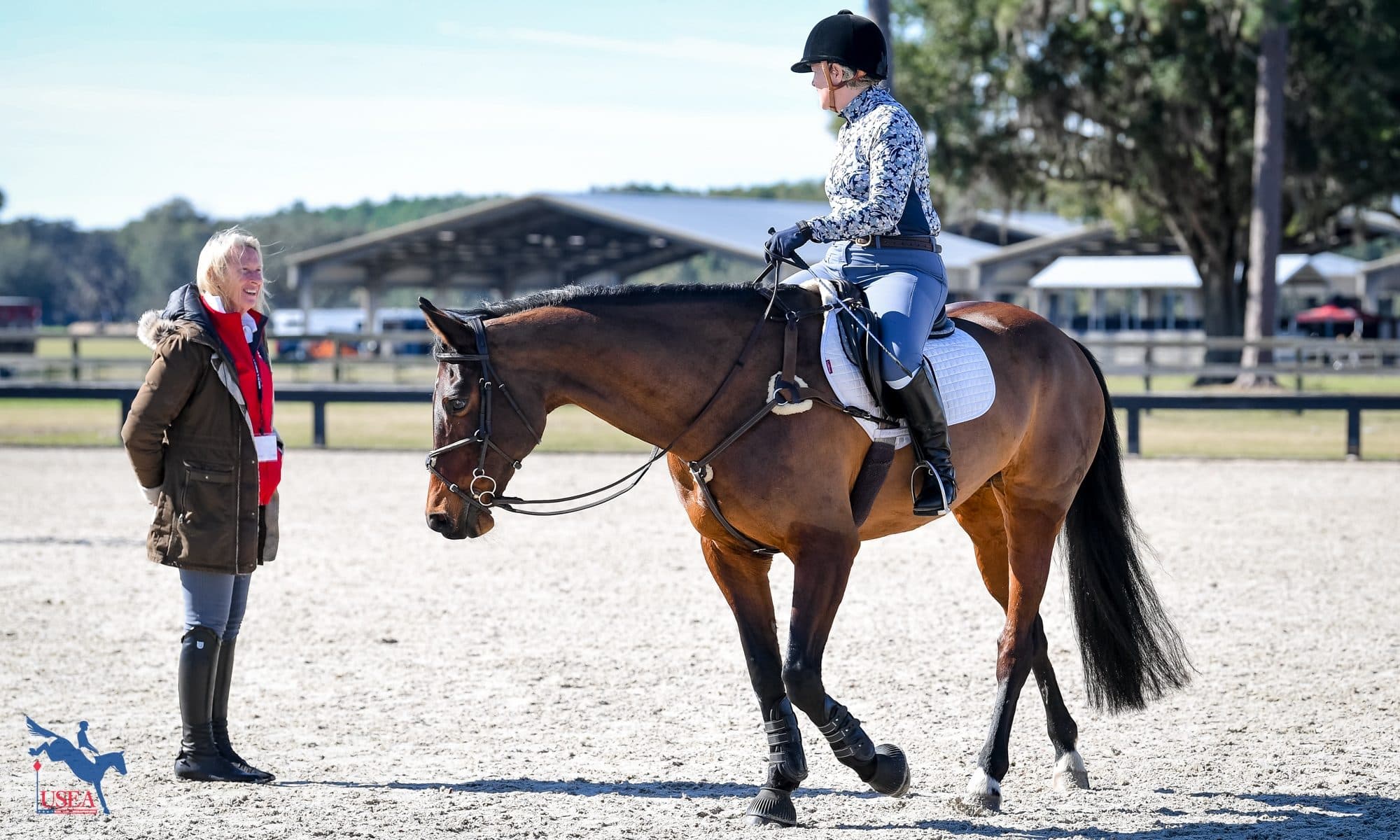
Credit: useventing.com
Comparing Horse Riding With Other Sports
To see why horse riding is unique, it helps to compare it with other common physical activities.
| Activity | Main Muscles Used | Team or Solo | Age Range |
|---|---|---|---|
| Horse Riding | Core, legs, arms, back | Both (rider & horse) | 3–80+ |
| Cycling | Legs, glutes, core | Solo or group | 5–80+ |
| Swimming | Full body | Solo | 3–80+ |
| Running | Legs, core | Solo | 5–80+ |
Horse riding stands out because it requires a partnership with an animal, offers both solo and team experiences, and is accessible across a wide age range.
Safety Considerations In Horse Riding
Horse riding has risks, like any sport. However, with proper training, equipment, and awareness, it can be safe and enjoyable.
Common Injuries And Prevention
Most riding injuries involve falls, kicks, or being stepped on. Wearing a helmet reduces head injury risk by 70%. Other key safety tips:
- Wear boots with a heel
- Use proper tack and check it regularly
- Learn from certified instructors
- Ride horses suited to your skill level
Comparing Injury Rates
How Does Horse Riding Compare To Other Sports For Injuries?
| Sport | Injury Rate per 1,000 Hours | Common Injuries |
|---|---|---|
| Horse Riding | 1–3 | Falls, fractures, sprains |
| Soccer | 2–7 | Sprains, concussions |
| Bicycling | 0.5–3 | Scrapes, fractures |
| Running | 0.5–2 | Overuse, sprains |
With proper safety measures, horse riding is no more dangerous than many other popular sports.
Emotional Safety
For beginners, the size and unpredictability of horses can be intimidating. Good instructors help riders build trust and confidence at their own pace, reducing anxiety and fear.
Access And Inclusion In Horse Riding
Horse riding is often seen as exclusive, but efforts are growing to make it more inclusive and accessible.
Riding For All Ages
Children, adults, and seniors can all enjoy horse riding. Many programs offer adaptive riding for people with physical or cognitive challenges.
Financial Accessibility
Riding can be expensive. However, many stables offer group lessons, scholarships, or volunteer-for-ride programs. Community barns and non-profits are working to reach under-served groups.
Gender Equality
Horse riding is one of the few sports where men and women compete equally at the highest levels, including the Olympics. This promotes gender equality and female empowerment.
Developing Life Skills Through Horse Riding
Riding teaches much more than how to control a horse. It develops skills that carry into every part of life.
| Skill | How Horse Riding Builds It | Life Application |
|---|---|---|
| Leadership | Directing a horse, making decisions | Work, family, sports |
| Patience | Training and building trust with a horse | Relationships, learning, work |
| Resilience | Handling setbacks and challenges | School, career, personal growth |
| Empathy | Reading the horse’s emotions and needs | Teamwork, caregiving, leadership |
Few activities offer this range of life lessons in one package.

Credit: www.happycomlysporthorses.com
Non-obvious Insights About Horse Riding
While many people understand the basic benefits of riding, there are some lesser-known advantages:
- Micro-movements for joint health: The small adjustments riders make in the saddle keep joints mobile and lubricated, which can reduce stiffness as people age.
- Learning non-verbal communication: Horses respond mostly to body language, so riders become skilled at communicating without words—a valuable social skill.
- Sensory integration: Riding helps children (especially those with sensory processing issues) integrate sound, sight, touch, and movement in a safe way.
- Building routine in chaotic times: The daily structure of horse care can be a lifeline during periods of stress or change.
Understanding these deeper benefits shows why horse riding remains relevant today.
Frequently Asked Questions
What Age Is Best To Start Horse Riding?
Most children can start basic lessons around age six, when they have enough strength and attention span. Pony rides are safe for younger kids under supervision. Adults can start riding at any age; it’s never too late to learn.
Is Horse Riding Good For Losing Weight?
Yes, horse riding can help with weight management. A one-hour ride burns 200–600 calories, depending on the activity. Grooming and barn chores add extra calorie burn. Combined with a healthy diet, riding supports a balanced lifestyle.
Is Horse Riding Dangerous?
All sports have risks. Wearing a helmet, using proper equipment, and taking lessons from qualified instructors greatly reduce the chance of injury. Statistically, riding is about as risky as cycling or soccer when safety guidelines are followed.
Can People With Disabilities Ride Horses?
Absolutely. Programs like therapeutic riding and hippotherapy help people with physical, emotional, or cognitive challenges. Horses are chosen for their gentle nature, and activities are adapted to each rider’s needs.
Where Can I Learn More About Horse Riding?
The United States Equestrian Federation is a great resource for beginners and experienced riders. Visit their site at United States Equestrian Federation for information on lessons, safety, and competitions.
Horse riding is more than a sport—it’s a path to better health, confidence, and connection with nature and others. Whether you dream of galloping across open fields or simply want a new way to stay active, the world of horses is welcoming to all.
Now is a great time to discover the joy and importance of horse riding for yourself.