
Have you ever looked at a horse and wondered why it doesn’t have a horn like a unicorn? It’s a simple question, but the answer is more fascinating than you might think.
Understanding why horses don’t have horns can change the way you see these majestic animals and nature itself. If you’re curious about the secrets behind this unique trait, keep reading—because what you’ll discover might surprise you.
Horses In The Animal Kingdom
Horses belong to a vast group of animals with many relatives. They share traits with other hoofed animals. Their place in the animal world explains their unique features.
Understanding horses helps us see why they do not have horns. Their body and behavior suit their environment well. These traits evolved over millions of years.
Classification And Relatives
Horses belong to the family Equidae. This family includes zebras and donkeys. All these animals are part of the order Perissodactyla. This order means they have an odd number of toes.
Horses do not have close relatives with horns. Most horned animals belong to a different group called Artiodactyla. This group has even-toed animals like deer and goats.
Physical Characteristics
Horses have strong legs designed for running fast. Their bodies are built for speed and endurance. They have a single hoof on each foot.
Unlike horned animals, horses lack skull structures for horns. Their heads are shaped to support large eyes and teeth. These features help them spot predators and eat grass.
Purpose Of Horns In Animals
Horns serve many important roles for animals. They are not just simple body parts. Horns help animals survive and interact in their world. These structures often show strength and status. They protect and help in fights. Horns also play a part in social life and mating. Understanding their purpose helps explain why some animals have them and others do not.
Defense Mechanisms
Horns act as natural weapons. Animals use them to defend against predators. Sharp, strong horns can stop attacks quickly. Some animals lock horns to fight rivals. Horns can also scare off threats without fighting. These tools increase chances of survival. Horns are especially useful for animals in open spaces. They rely on horns to protect themselves.
Mating And Social Status
Horns show strength and dominance in many species. Larger or more impressive horns often attract mates. Males use horns to fight for females. Winning fights means higher social rank. Social rank leads to better mating chances. Horns can also signal health and vitality. Animals with strong horns are often chosen by females. Horns play a big role in animal social life.
Evolutionary Path Of Horses
Horses have a long history that stretches back millions of years. Their bodies changed slowly to fit their changing environment. Understanding their evolutionary path helps explain why horses don’t have horns. Evolution shaped horses for running and grazing, not for fighting with horns.
Fossil Evidence
Fossils show early horses were small and had multiple toes. They looked very different from today’s horses. Over time, their bodies grew larger and their toes became fewer. Fossils do not show any signs of horns on ancient horses. This suggests horns never played a role in horse evolution.
Adaptations Over Time
Horses adapted to open grasslands, needing speed to escape predators. Their limbs evolved for fast running, not for horned combat. Instead of horns, horses developed strong teeth for grazing tough plants. Their survival depended on speed and endurance, not on body armor like horns.

Credit: wearefishes.blogspot.com
Why Horns Didn’t Develop In Horses
Horses are well-known for their speed and strength, but they do not have horns like some other animals. The reason why horses did not develop horns is linked to their environment and ways they protect themselves. Understanding these reasons helps us see how horses evolved differently from horned animals.
Environmental Factors
Horses live mostly in open fields and grasslands. These areas have few places to hide from predators. Horns can be useful in dense forests for fighting or defense. In open spaces, speed is more important than horns. Horses rely on running fast to escape danger. Their environment did not favor the growth of horns. Evolution shaped horses to be swift runners instead of horned fighters.
Alternative Defense Strategies
Horses use other ways to stay safe. They run quickly to avoid predators. Their strong legs help them cover long distances fast. Horses also live in groups. Safety comes from numbers, not horns. They watch each other for signs of danger. This teamwork helps them survive. Their teeth and hooves can defend if needed. These defense methods worked better than growing horns.
Comparison With Horned Mammals
Horses and horned mammals show clear differences despite both being mammals. Understanding why horses lack horns involves comparing them with animals that have horns. This comparison highlights key factors like habitat and genetics. These factors shape the physical traits each animal develops over time.
Differences In Habitat
Horned mammals often live in rough, open areas. These places need strong defenses against predators. Horns help them fight and protect themselves. Horses live mostly in grasslands and plains. They rely on speed and running away from danger. Horns would not help horses escape. Their habitat favors quick movement over fighting.
Genetic Factors
Genes control physical traits like horns. Horned animals have specific genes for horn growth. Horses do not carry these genes. Over millions of years, horses evolved differently. Their bodies adapted to running fast, not to having horns. Genetic differences explain why horses never developed horns.

Credit: www.quora.com
Horses’ Unique Features
Horses have many special features that help them survive and thrive. These traits make them unique among animals. Their bodies and behaviors are built for life in the wild and for working with humans. Understanding these features explains why horses do not have horns.
Speed And Agility
Horses are fast runners. Their strong legs help them move quickly. They can change direction with ease. This speed helps horses escape from predators. Horns would slow them down and make running harder.
Social Behavior
Horses live in groups called herds. They use body language to communicate. Horns could cause injuries during play or fights. Their social bonds rely on gentle interactions, not weapons.
Myths And Cultural Views
Many cultures have stories and beliefs about horses and their features. Some myths imagine horses with horns. These ideas reveal how people have thought about animals and magic over time. Exploring these myths helps us see why horses do not have horns in real life.
Unicorn Legends
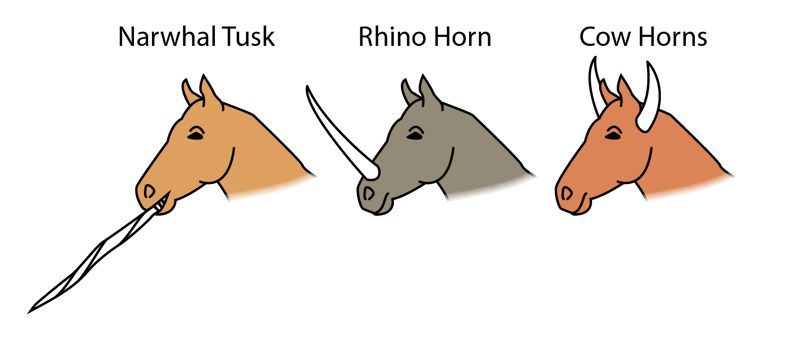
Unicorns are famous mythical creatures. They look like horses but have one long horn on their heads. Stories about unicorns date back thousands of years. These creatures often symbolize purity and magic. People believed unicorns had healing powers. The horn was a special, powerful tool. These legends grew in Europe and Asia. They shaped how people imagined horses with horns.
Symbolism Of Horns
Horns carry strong meanings in many cultures. They often represent strength and power. Some tribes saw horns as a connection to the divine. Animals with horns were thought to have special energy. This made horns a sign of protection. In stories, a horned horse symbolized bravery and wisdom. These ideas made horns important symbols, but horses naturally do not have them.
Credit: www.thetech.org
Frequently Asked Questions
Why Don’t Horses Grow Horns Like Other Animals?
Horses evolved without horns due to their unique genetics and survival strategies. They rely on speed and agility instead of horns for defense.
Are Horse Ancestors Known To Have Had Horns?
No, horse ancestors never had horns. Their evolutionary path favored other traits like strong legs and keen senses over horns.
Do Any Horse Breeds Have Horn-like Features?
No horse breeds have true horns. Some breeds may have small bony protrusions, but these are not functional horns.
How Do Horses Protect Themselves Without Horns?
Horses use speed, group behavior, and powerful kicks to defend against predators. Their agility helps them escape danger effectively.
Conclusion
Horses do not have horns because their bodies evolved differently. Horns help some animals fight or protect themselves. Horses rely on speed and strength instead. Their strong legs and sharp senses keep them safe. Nature gave horses the tools they need to survive.
Understanding why helps us appreciate these amazing animals more. It shows how each creature fits its own world. Simple, natural, and perfectly designed. That’s why horses don’t grow horns.