
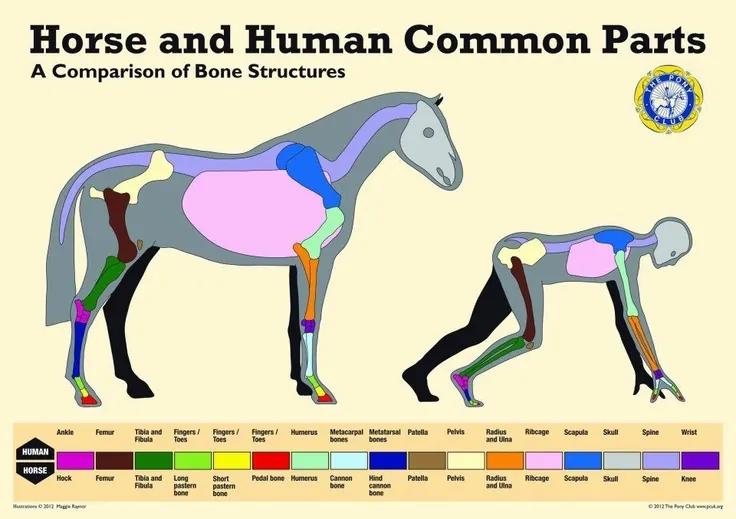
Horses can and do break their legs, but the reason people often think they can’t is that a severe fracture usually results in a permanent injury that prevents the animal from standing or walking. Because a horse carries its entire body weight on four slender limbs, it relies on these legs to circulate blood and maintain mobility. If a horse can’t bear weight on a limb, it faces secondary health complications that often make recovery impossible.
Why horses break their legs
| Cause | How common | How to confirm it | Fix it yourself? |
|---|---|---|---|
| Soft tissue strain | Very common | Heat or swelling | Yes with care |
| Hoof abscess | Common | Localized pulsing heat | Yes with care |
| Stress fracture | Occasional | Persistent lameness | No |
| Ligament tear | Occasional | Noticeable leg drop | No |
| Joint infection | Rare | Severe heat and pain | No |
| Complete bone break | Rare | Leg instability | No |
These categories serve as a baseline for assessment, but the severity often hides in the horse’s behavior. A horse that shifts weight constantly or refuses to bear any pressure on a specific limb is signaling an emergency that transcends simple soreness.
When you notice heat, always compare it to the corresponding leg. A subtle temperature rise might indicate a minor strain, but intense, localized heat often points to a deeper infection or abscess.
If a horse shows sudden, non-weight-bearing lameness, don’t force movement or attempt to “walk it off.” This can turn a manageable soft tissue injury into a permanent structural failure.
Always look for symmetry in the limbs. If the horse stands with a dropped fetlock or an unusual angle, the internal support structures have likely been compromised. In these cases, the damage is internal, and any delay in professional intervention significantly reduces the chances of a full recovery.
Understanding soft tissue strains
Most lameness in horses stems from soft tissue injuries rather than broken bones. A strain occurs when the tendons or ligaments supporting the lower leg are overstretched during exercise or play. You’ll typically notice heat, mild swelling, or a slight change in how the horse places its foot on the ground.
If you suspect a strain, the first step is to stall rest the horse to prevent further movement. Cold hosing the affected area for 15 to 20 minutes can help reduce inflammation. If the horse is still lame after two days of rest, you must contact a veterinarian.
Never attempt to use human pain medication, as these can be toxic to equines. If the horse stops eating or shows signs of distress, this is a medical emergency that requires immediate professional help.
Identifying hoof abscesses
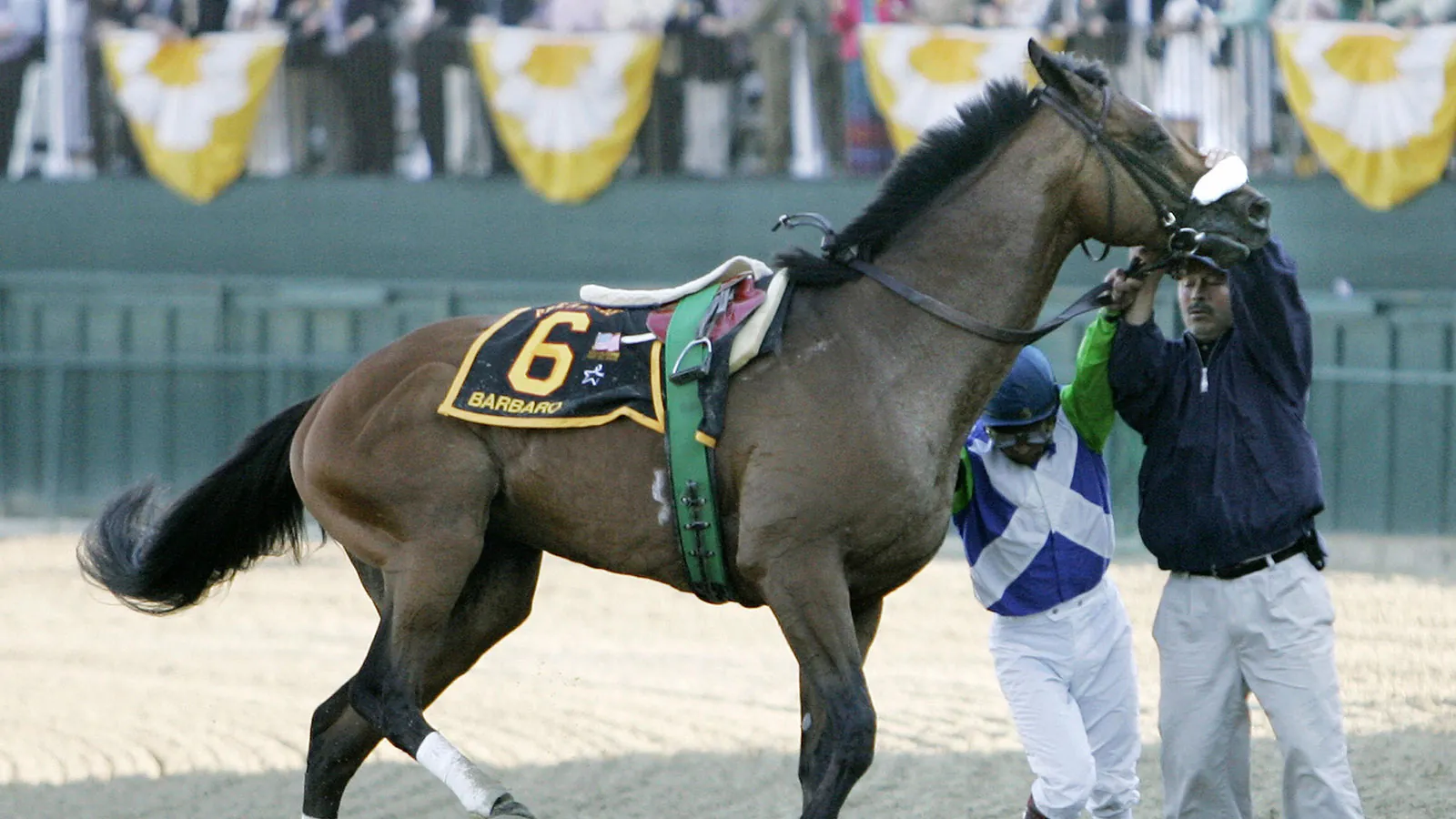
Hoof abscesses are a frequent cause of sudden, severe lameness that mimics the symptoms of a broken leg. An abscess is a pocket of infection inside the hoof capsule, often caused by bacteria entering through a small crack or puncture. The pressure from the trapped infection causes intense pain, making the horse reluctant to put any weight on the foot.
You can often confirm an abscess by feeling for a strong, bounding pulse in the digital artery at the back of the pastern. If you find this pulse, the horse will likely need a professional farrier or veterinarian to open the sole and drain the infection.
Once the abscess drains, the relief is usually instant. If the horse has a fever or the swelling travels up the leg, you must stop all home treatment and call a vet. The American Association of Equine Practitioners provides detailed guidance on how vets evaluate these conditions to determine the source of pain.
Recognizing catastrophic bone fractures
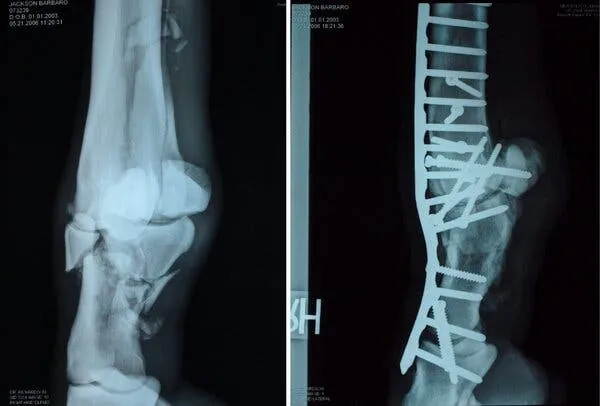
A complete bone fracture is a rare but devastating event where the structural integrity of the limb fails. Unlike smaller animals, a horse can’t easily rest a broken leg while the bone heals because the remaining limbs will quickly fail under the extra pressure. This condition is often indicated by a limb that hangs at an unnatural angle or fails to bear any weight at all.
If you see a limb that looks unstable or “floppy,” don’t move the horse. Moving a horse with a fracture can cause the bone to pierce the skin, leading to a life-threatening infection. Keep the horse calm and confined to a small, safe area while you wait for a vet to arrive. This is never a DIY situation, and the outcome depends entirely on the location and severity of the break.
Rare limb complications
- Joint infections: These occur when bacteria enter a joint capsule, leading to extreme swelling and an inability to bend the limb.
- Sesamoiditis: This is an inflammation of the bones behind the fetlock joint, often seen in high-performance horses.
- Navicular syndrome: This involves chronic pain in the heel area, usually showing as a short, choppy stride over time.
- Fractures of the coffin bone: These are small cracks inside the hoof that require specialized imaging to diagnose correctly.
If you suspect any of these, you need a veterinarian to perform diagnostic imaging. Never ignore a change in gait, as early intervention is the only way to prevent a minor issue from becoming permanent.
What a professional fix requires
Fixing a horse’s leg injury typically involves a combination of rest, specialized shoeing, or medical intervention. A simple strain might only require a few weeks of stall rest and controlled walking, which costs little beyond your time and patience. However, a major injury can require professional farrier services or surgical intervention, which is significantly more expensive.
Total costs and recovery times depend on whether the injury involves bone, tendon, or hoof structures, so you should always ask your veterinarian for a clear diagnosis before starting any treatment.
Frequently asked questions
Can a horse survive a broken leg?
A horse can only survive a fracture if the break is minor and located in a spot that allows for immobilization. Most complete fractures result in euthanasia because the animal’s weight makes healing impossible without causing severe, chronic pain or secondary issues like laminitis in the other limbs.
Why do horses need to stand to sleep?
Horses have a specialized “stay apparatus” that allows them to lock their joints and sleep while standing. This mechanism is an evolutionary trait that helps them escape predators quickly. If a horse can’t stand, it loses this natural defense and suffers from exhaustion and muscle damage.
How long does a tendon injury take to heal?
A tendon injury usually takes between 6 to 12 months to heal, depending on the severity of the fiber damage. Horses require a long, gradual rehabilitation program to ensure the tissue regains enough strength to support their weight. Rushing this process almost always leads to a re-injury.
Is it safe to give a horse aspirin?
It isn’t safe to give a horse human aspirin or other household pain relievers without a veterinarian’s explicit instruction. These medications can cause severe gastric ulcers, kidney failure, or internal bleeding in horses. Always use only the anti-inflammatory drugs prescribed specifically for your horse by a licensed professional.
What happens if a horse lies down too much?
If a horse lies down for more than a few hours, it risks developing muscle damage and pressure sores from its own body weight. This is why horses are designed to stand most of the time. If your horse is lying down frequently, it’s a sign of extreme pain or illness.
Does a horse know when its leg is broken?
A horse understands that its leg is painful and will naturally try to avoid putting weight on it. However, they don’t understand the mechanics of a bone break and may continue to move if they’re startled or stressed. This instinct to move is exactly why you must keep an injured horse quiet.
Conclusion
When a horse suffers a serious injury, it’s a heartbreaking situation for everyone involved. Because their survival depends on staying mobile, veterinarians must carefully weigh the animal’s quality of life before deciding on a treatment plan. If you’re ever around these beautiful creatures, you’ll see why they’re so carefully protected by their owners.