What to Do If You Find a Tick on Your Horse, Finding a tick on your horse can be alarming. You might wonder what to do next and how to keep your horse safe.
Ticks carry diseases that can seriously harm your horse’s health. But don’t worry knowing the right steps to take can protect your horse quickly and effectively. You’ll learn exactly what to do if you find a tick, how to remove it safely, and ways to prevent future tick bites.
Keep reading to make sure your horse stays healthy and comfortable.
Identifying Ticks On Horses
Ticks are small parasites that can attach to horses and cause health problems. Spotting ticks early helps keep your horse safe. Knowing what ticks look like and where they hide is important. This section explains how to identify ticks on horses. It covers common types of ticks and the usual places they attach.
Common Tick Species
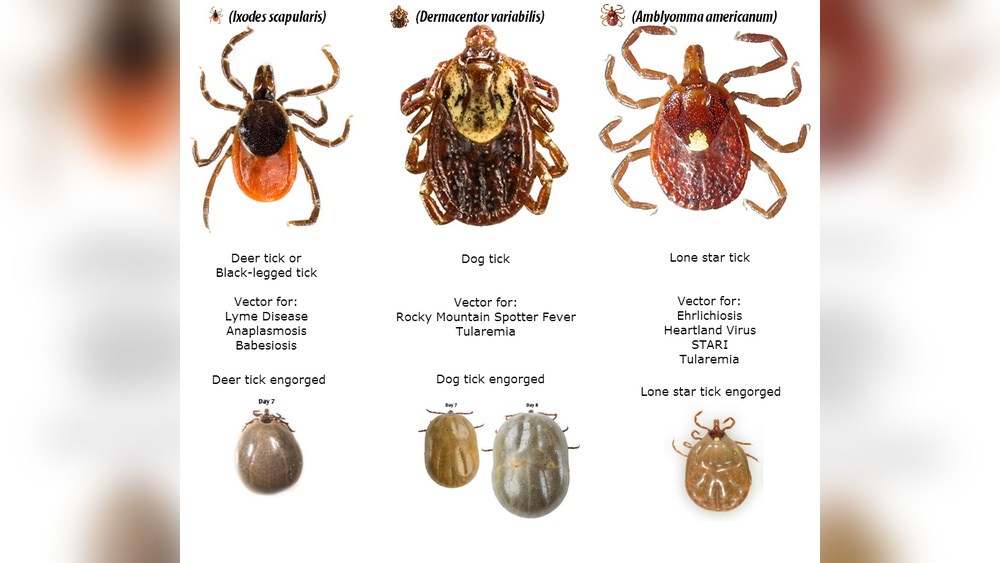
Several tick species can affect horses. The most common is the deer tick. It is small and brown with a round body. The American dog tick is larger and has white markings. The lone star tick is named for a white spot on its back. Each tick species can carry different diseases. Recognizing the type helps in taking proper care.
Tick Attachment Sites
Ticks prefer warm, hidden spots on horses. They often attach behind the ears. The mane and tail areas are common places too. Ticks also hide under the horse’s legs. Check around the groin and belly carefully. These areas offer warmth and easy access to blood. Regularly inspect these sites to catch ticks early.

Credit: vetster.com
Safe Tick Removal Techniques
Removing a tick from your horse safely is important. Incorrect removal can cause infection or leave parts of the tick embedded. Use the right tools and follow clear steps to protect your horse’s health. Calm and careful removal helps reduce risks.
Tools You Need
- Tweezers with fine, pointed tips
- Tick removal tool or tick hook
- Gloves to protect your hands
- Antiseptic solution or rubbing alcohol
- Small container or sealable bag
- Magnifying glass (optional)
Step-by-step Removal Process
- Wear gloves to avoid direct contact with the tick.
- Use tweezers or a tick removal tool to grasp the tick close to the skin.
- Pull the tick straight out with steady, even pressure. Avoid twisting or jerking.
- Place the tick in a container or bag for disposal or identification.
- Clean the bite area with antiseptic or rubbing alcohol.
- Wash your hands thoroughly after removal.
- Observe the horse for any signs of irritation or illness in the next days.
Aftercare For Your Horse
After removing a tick from your horse, proper care is crucial. This helps prevent infection and keeps your horse comfortable. Watch your horse closely and clean the bite area carefully. Early action can stop problems before they start.
Cleaning The Bite Area
Use clean water and mild soap to wash the spot. Gently remove any dirt around the bite. Avoid scrubbing hard as it can irritate the skin. Pat the area dry with a soft cloth. Applying an antiseptic can help kill germs. Keep the bite clean for several days.
Monitoring For Symptoms
Check the bite site daily for redness or swelling. Look for any signs of pain or heat. Notice if your horse acts tired or loses appetite. Watch for unusual behavior like limping or stiffness. Contact a vet if symptoms appear or worsen. Early detection is key to quick recovery.

Credit: www.youtube.com
Preventing Tick Infestations
Preventing tick infestations is the best way to keep horses safe. Ticks carry diseases that harm horses. Taking simple steps stops ticks from attaching and spreading illness. It protects your horse’s health and comfort. Regular care and smart habits reduce tick risks.
Pasture Management
Keep pastures short by mowing often. Ticks hide in tall grass and bushes. Removing leaf litter and weeds lowers tick places. Clear brush around fences and gates. Avoid overgrown areas where ticks live. Rotate pastures to reduce tick buildup. Dry, sunny areas have fewer ticks. Good drainage helps keep ticks away.
Protective Gear And Treatments
Use fly sheets and masks made for horses. They act as barriers against ticks. Apply tick repellents designed for horses. Follow label instructions carefully. Check your horse daily for ticks. Remove ticks promptly with proper tools. Regular grooming also helps find ticks early. Talk to your vet about vaccines and treatments. Some medicines protect horses from tick bites and illness.
When To Contact A Veterinarian
Finding a tick on your horse can be worrying. Removing the tick quickly is important. But knowing when to contact a veterinarian is crucial too. Some ticks carry diseases that need medical care. Watch your horse closely after tick removal. Certain signs mean your horse needs a vet’s help fast.
Signs Of Infection
Check the bite area for redness or swelling. Warm skin or pus may mean infection. Your horse might scratch or rub the spot. A bad smell or oozing could also appear. Fever or lethargy shows the body is fighting illness. Loss of appetite or unusual behavior are warning signs. These symptoms require prompt veterinary attention.
Tick-borne Diseases In Horses
Ticks can transmit dangerous diseases to horses. Lyme disease causes fever, lameness, and weakness. Anaplasmosis leads to fever, swelling, and weight loss. Equine piroplasmosis affects red blood cells, causing anemia. Early diagnosis and treatment improve recovery chances. A vet can run tests to identify the disease. Never delay contacting a vet if symptoms appear.
Credit: www.horsehealthproducts.com
Frequently Asked Questions
What to Do If You Find a Tick on Your Horse
How Do I Safely Remove A Tick From My Horse?
Use fine-tipped tweezers to grasp the tick close to the skin. Pull upward steadily without twisting. Clean the area with antiseptic after removal. Avoid crushing the tick to prevent infection.
What Are Common Signs Of Tick-borne Diseases In Horses?
Watch for fever, lethargy, loss of appetite, and lameness. Swelling or sensitivity near the bite may also occur. Early detection helps in effective treatment of tick-borne diseases.
Can Ticks Cause Long-term Health Issues In Horses?
Yes, ticks can transmit diseases like Lyme disease and anaplasmosis. These illnesses may cause chronic symptoms if untreated. Regular tick checks and prompt removal reduce risks significantly.
How Often Should I Check My Horse For Ticks?
Check your horse daily during tick season, especially after pasture time. Focus on the head, neck, belly, and legs. Frequent inspections help catch ticks early and prevent infections.
Conclusion
Finding a tick on your horse needs quick action. Remove the tick carefully with tweezers or a tick remover. Clean the bite area with antiseptic. Watch your horse closely for signs of illness. Regularly check your horse to prevent tick problems.
Keep your horse’s environment clean and free of tall grass. Staying alert helps protect your horse’s health. Small steps make a big difference in tick control. Act fast and stay calm to keep your horse safe. What to Do If You Find a Tick on Your Horse.