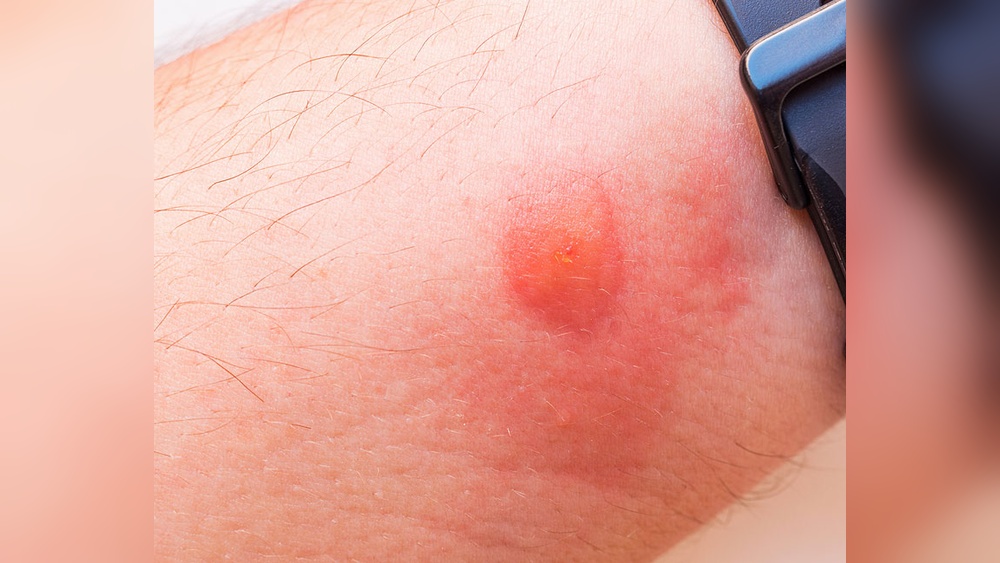
Have you ever felt a sharp, painful bite while outdoors and wondered what just bit you? If a horse fly is the culprit, you might be curious—or even worried—about what that bite means for your health.
What happens if a horse fly bites you can be more than just a momentary sting. Understanding the effects and how to handle them can make a big difference in your comfort and safety. Keep reading to find out why these bites hurt so much, what symptoms to watch for, and how you can protect yourself next time you’re outside.
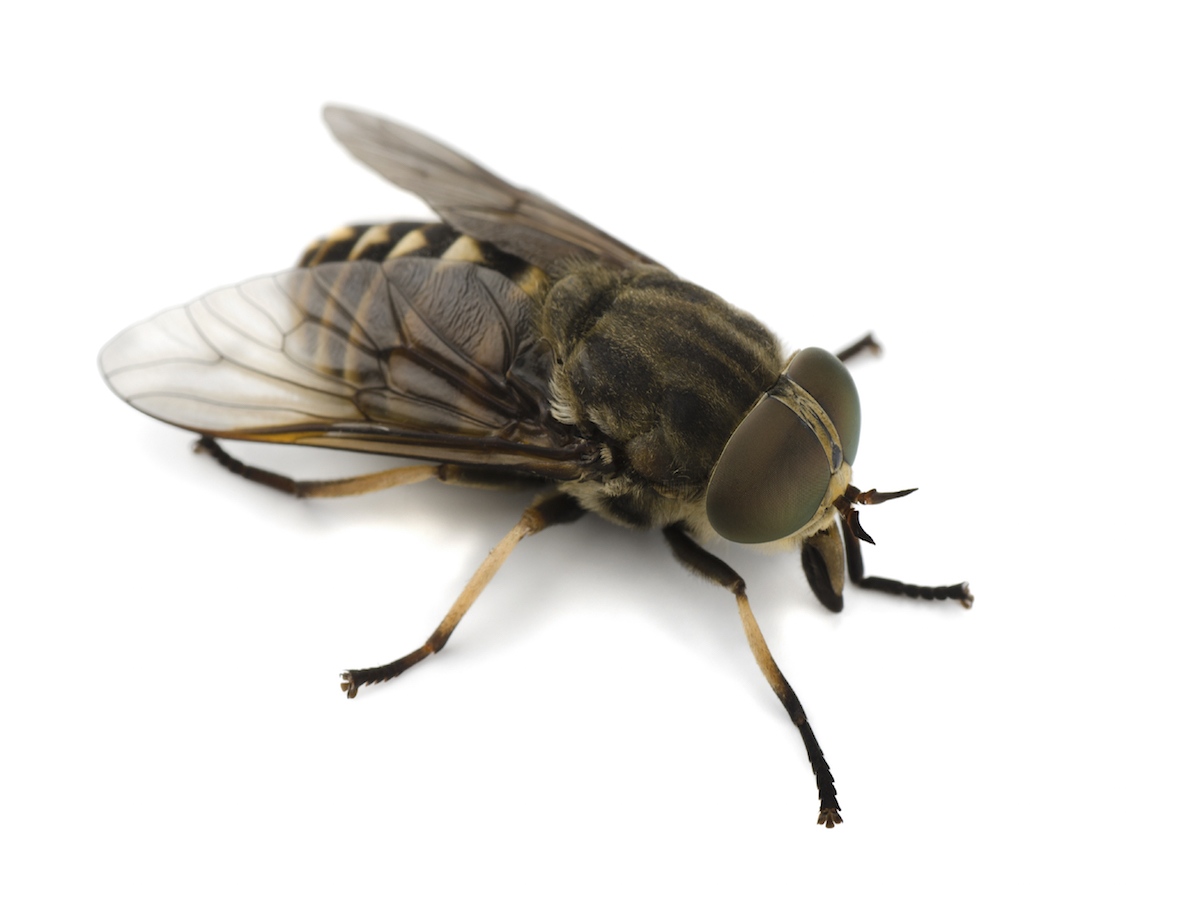
Credit: www.pestworld.org
Horse Fly Behavior
Horse flies are known for their painful bites and aggressive nature. Understanding their behavior helps explain why their bites hurt so much. These flies are active during warm months and often found near water and animals. Their behavior centers on finding food and suitable places to live.
Habitat And Activity
Horse flies live mostly near lakes, rivers, and marshes. They prefer wet areas because their larvae grow in mud or wet soil. These flies are most active during daylight, especially on sunny, warm days. They rest on plants and rocks when not flying. Horse flies can fly fast and are hard to catch.
Feeding Habits
Only female horse flies bite. They need blood to develop their eggs. Their mouthparts cut the skin to drink blood. The bite can be painful and cause swelling. Male horse flies feed on nectar and plant juices. Females seek animals or humans for blood meals. They can bite multiple times if disturbed.
:max_bytes(150000):strip_icc()/Health-GettyImages-1573538421-5050cf289a1b4fb68a6eb3360a32a0ee.jpg)
Credit: www.health.com
How Horse Fly Bites Occur
Horse fly bites happen quickly but cause strong pain. These flies need blood to lay eggs. They use a special way to bite and feed. Understanding how horse fly bites occur helps to avoid them.
Biting Mechanism
Horse flies have sharp mouthparts. They cut the skin like tiny scissors. This opens a wound for blood. Their saliva stops blood from clotting. The fly then sucks the blood through the wound. This process causes pain and swelling.
Target Areas On Humans
Horse flies often bite exposed skin. Arms, legs, and neck are common targets. They prefer areas where skin is thin. Bites usually happen outdoors near water or fields. Wearing long clothes can reduce bites.
Immediate Reactions To Bites
Horse fly bites cause quick and noticeable reactions. These insects have strong mouthparts that cut the skin. Their bite often leads to discomfort right away. Understanding these immediate symptoms helps in managing the bite better.
Pain And Swelling
The bite usually causes sharp pain at once. The pain can feel like a small cut or sting. Swelling often follows the pain around the bite site. This swelling may last for several hours or more. The size of the swollen area varies by person.
Redness And Itching
Redness appears quickly and surrounds the bite. The skin may look irritated and inflamed. Itching starts soon after the bite and can be intense. Scratching the bite can make symptoms worse. Keeping the area clean helps reduce redness and itching.
Potential Allergic Responses
Horse fly bites can cause different allergic reactions in people. The body’s immune system may respond to the bite’s saliva. These responses range from mild to severe. Understanding these reactions helps in managing symptoms properly.
Many people experience only mild reactions. Others may face more serious issues that need quick attention.
Mild Allergies
Mild allergic reactions include redness and swelling around the bite. The area might feel itchy or warm. Small bumps or hives can appear near the bite site. These symptoms usually go away within a few days. Over-the-counter creams can help reduce discomfort. Mild reactions rarely cause lasting problems.
Severe Allergic Reactions
Some individuals may have severe allergic responses. These include intense swelling that spreads beyond the bite. Trouble breathing or swelling of the face may occur. Dizziness or a rapid heartbeat can signal a serious reaction. Such symptoms need immediate medical care. Severe reactions can be life-threatening without prompt treatment.
Risk Of Infection
Horse fly bites can cause more than just pain and itching. There is a real risk of infection. These insects have strong mouthparts that tear the skin. This creates an open wound. Germs can easily enter through this break in the skin. The risk is higher if the bite is scratched a lot.
Bacterial Contamination
Horse flies often carry bacteria on their bodies. Their bites can introduce these bacteria into the skin. Dirt and bacteria from the environment can also get into the wound. This can lead to bacterial contamination. The bacteria multiply and cause an infection. This can make the bite area red, swollen, and painful.
Signs Of Infection
Watch the bite closely after it happens. Signs of infection include increasing redness and warmth. The area may swell and feel tender. Pus or other fluids might come out. Fever can also occur if the infection spreads. Seek medical help if these signs appear. Early treatment stops the infection from getting worse.
Long-term Effects
Horse fly bites cause immediate pain and irritation. Most bites heal quickly. Yet, some bites lead to long-term effects. These effects can impact skin health and overall comfort. Understanding these issues helps you take better care of your skin after a bite.
Scarring And Skin Damage
Horse fly bites break the skin. Scratching the bite can worsen damage. Deep bites may leave scars or dark spots. Skin can become rough or thick in the affected area. Scars may fade slowly or remain visible for years. Protecting the skin reduces the chance of lasting marks.
Secondary Complications
Bites can cause infections if not cleaned well. Bacteria enter through the broken skin. Infections cause redness, swelling, and pain. Sometimes, infections need medical treatment or antibiotics. Allergic reactions might cause severe swelling or rash. Watch for signs of infection or allergy after a bite.
Treatment Options
Horse fly bites can cause pain, swelling, and itching. Treating these bites quickly helps reduce discomfort and prevents infection. Several treatment options exist, ranging from simple home remedies to medical care. Knowing these options helps you manage symptoms effectively.
Home Remedies
Clean the bite area with soap and water. This removes dirt and reduces infection risk. Apply a cold pack or ice wrapped in cloth. It helps lower swelling and numbs the pain. Use over-the-counter creams like hydrocortisone or calamine lotion. These soothe itching and calm inflammation.
Take an antihistamine pill to reduce allergic reactions. Avoid scratching the bite to prevent wounds or infections. Keep the skin dry and wear loose clothes over the bite. Rest and drink plenty of water to support healing.
When To Seek Medical Help
Seek medical care if swelling spreads beyond the bite area. Visit a doctor if you develop a fever or chills. Watch for signs of infection like redness, warmth, or pus. Consult a healthcare provider if pain worsens or does not improve. Also, seek help if you have trouble breathing or feel dizzy. These may be signs of a severe allergic reaction.
:max_bytes(150000):strip_icc()/GettyImages-1164988201-0ac306e40f6249aa842e9d7eebefe5c1.jpg)
Credit: www.verywellhealth.com
Prevention Tips
Preventing horse fly bites helps avoid pain and infections. Taking simple steps reduces your chances of getting bitten. These prevention tips keep you safe during outdoor activities.
Protective Clothing
Wear long sleeves and pants to cover your skin. Choose light-colored clothes to make horse flies less attracted. Thick fabric blocks their sharp mouthparts. Hats with wide brims also protect your face and neck. Consider insect-repellent sprays on your clothes for extra defense.
Avoiding High-risk Areas
Horse flies like wet, marshy, and wooded places. Avoid these spots during warm, sunny days when flies are active. Stay away from livestock and animal waste areas. Use screened tents or shelters to keep flies out. Plan outdoor activities in open, breezy places where flies struggle to fly.
Frequently Asked Questions
What Are The Symptoms Of A Horse Fly Bite?
A horse fly bite causes sharp pain, redness, swelling, and itching. Some people may develop blisters or allergic reactions. The bite breaks the skin, leading to minor bleeding and irritation.
How Dangerous Is A Horse Fly Bite To Humans?
Horse fly bites are usually painful but not dangerous. However, they can cause infections if untreated or if the wound is scratched. Allergic reactions are rare but possible and may require medical attention.
Can Horse Fly Bites Transmit Diseases?
Yes, horse flies can transmit diseases to animals, but human transmission is rare. They may carry bacteria that cause infections if the bite wound is contaminated. Proper wound care reduces infection risk.
How To Treat A Horse Fly Bite Effectively?
Clean the bite area with soap and water immediately. Apply ice to reduce swelling and use antiseptic cream to prevent infection. Avoid scratching to minimize irritation and speed up healing.
Conclusion
Horse fly bites can cause pain and swelling quickly. The bite may itch or feel hot for days. Some people might get an allergic reaction. Cleaning the bite helps stop infection. Using ice can reduce swelling and ease pain. Avoid scratching to prevent more problems.
Watch for signs like fever or spreading redness. Seek medical help if symptoms get worse. Knowing how to treat bites keeps you safe outdoors. Stay calm and take simple steps to heal fast.