
You should immediately move to a safe distance and assess the wound for signs of infection if a horse bites you. Most minor nips cause bruising, but broken skin requires prompt cleaning and medical evaluation to prevent complications.
Understand why a horse bites
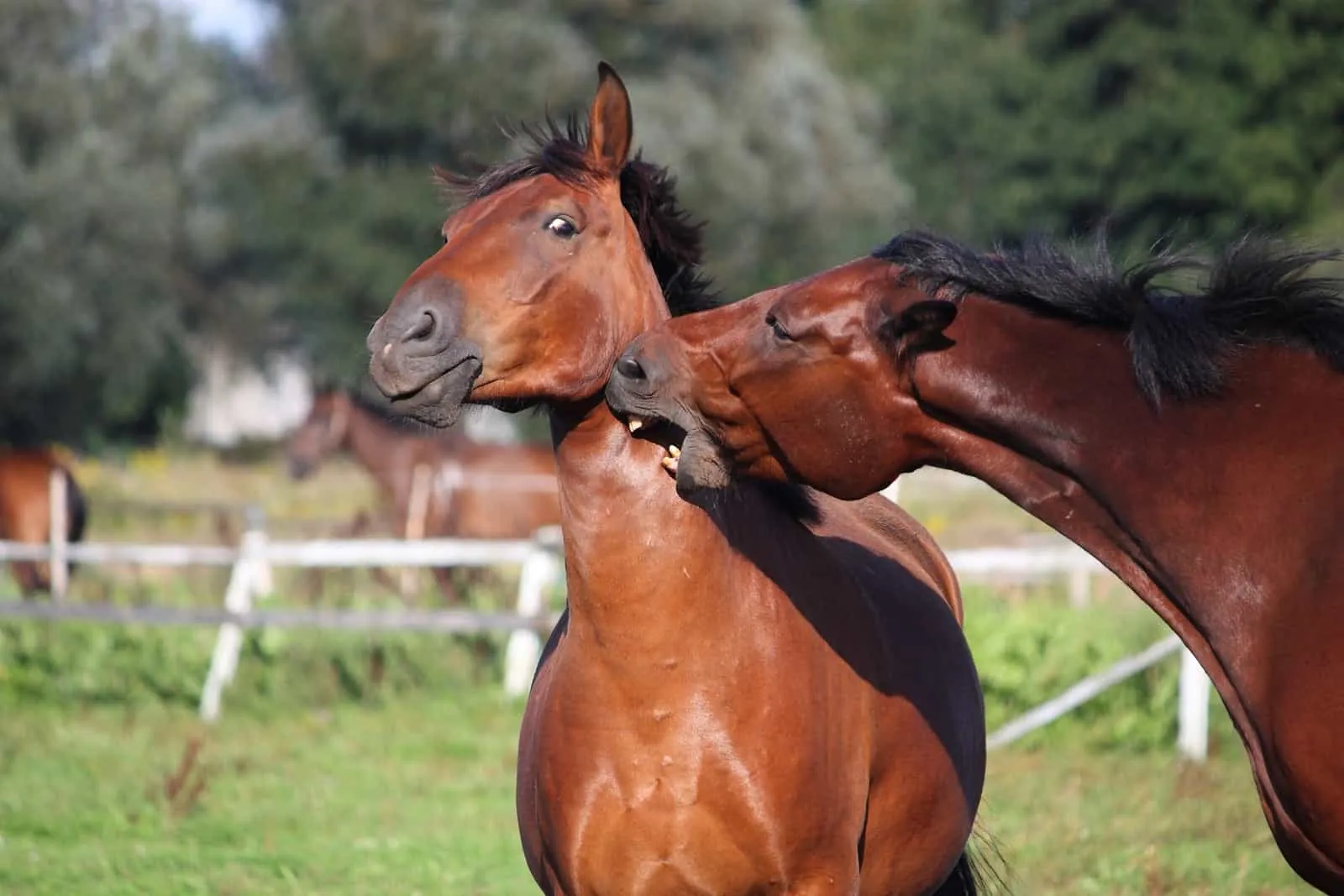
Horses are large, powerful animals that use their mouths to explore or defend themselves. A horse may bite because it’s frustrated, feeling defensive, or trying to establish dominance in a herd hierarchy. When a human is in the wrong place during these interactions, a bite can occur quickly.
The most common reason for a bite is a lack of clear boundaries during feeding or grooming. If a horse learns that biting results in receiving a treat or getting space, it will repeat the behavior. Another factor is pain; a horse with an ill-fitting saddle or dental issues may lash out because it’s uncomfortable.
It’s vital to recognize that horses have strong jaws capable of crushing bone. Even a “playful” nip can cause deep tissue damage or severe bruising. Always observe the horse’s ears and tail before approaching. If the ears are pinned back or the tail is swishing aggressively, keep your distance to avoid an injury.
Clean the wound thoroughly
Your first priority after being bitten is to remove yourself from the horse’s reach. Once safe, inspect the bite area closely. If the skin is broken, wash the wound immediately with mild soap and clean, running water for at least five minutes to reduce the risk of infection.
After washing, apply a sterile bandage to keep the area clean while you arrange for medical care. Don’t ignore a bite that has broken the skin, as horse mouths contain bacteria that can lead to serious infections. According to the Centers for Disease Control and Prevention, animal bites often require professional assessment to determine if antibiotics or a tetanus booster are necessary.
This advice is for minor surface wounds only. If the bite caused a deep puncture, heavy bleeding that won’t stop, or if you can’t move a limb, seek emergency medical help immediately. Don’t attempt to treat severe trauma yourself.
Seek professional medical evaluation
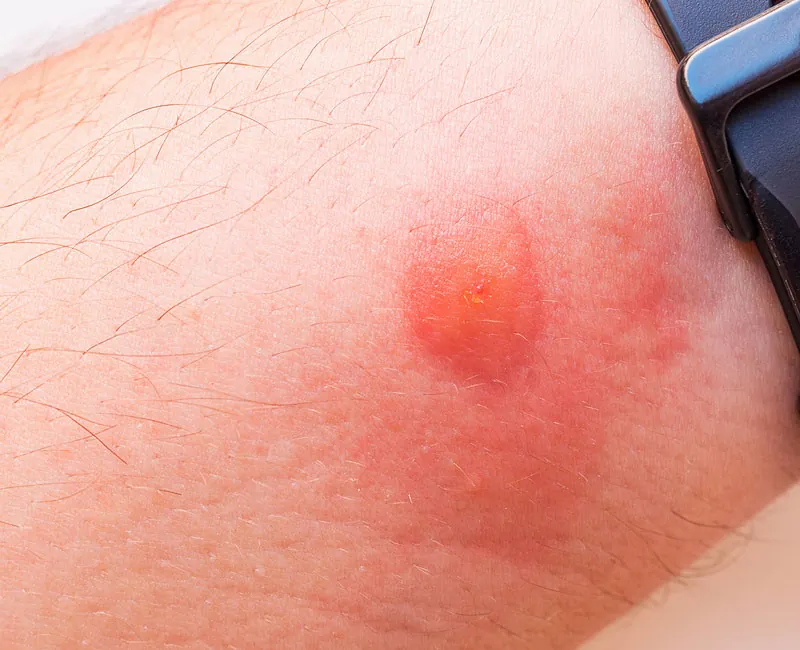
If the bite is deep, shows signs of redness, or if you haven’t had a tetanus shot in the last ten years, you should consult a medical professional to determine if a booster is required. Deep bites can introduce bacteria into joints, tendons, or bone, which can cause long-term damage if left untreated.
A doctor will likely clean the wound again using clinical-grade antiseptic and may prescribe a course of antibiotics. They will also verify your vaccination status. If you’re uncertain about your last tetanus booster, bring your medical records or mention the date of your last shot to the healthcare provider.
This step isn’t for those who think a simple bandage is enough. If you have underlying health conditions like diabetes, your risk for complications is higher, and you should see a doctor even for a small bite. Don’t wait for symptoms of infection like fever or swelling to appear before taking action.
Manage pain and monitor recovery
If the wound is minor and the skin isn’t broken, you can manage the pain with a cold compress. Apply an ice pack wrapped in a clean cloth to the bruised area for 15 minutes every two hours to reduce swelling. Keep the area elevated if possible to minimize throbbing.
Monitor the bite site closely over the next 48 to 72 hours. If you notice increasing pain, warmth around the site, red streaks spreading from the wound, or if you develop a fever, these are signs that the bite has become infected. Contact your doctor immediately if these symptoms appear, as they indicate that simple home care is no longer sufficient.
This process is for healthy adults. If the injured person is a child or an elderly individual, they should be evaluated by a medical professional regardless of the wound’s size. Don’t rely on home remedies like herbal salves or ointments, as these can trap bacteria inside the wound.
Avoid common mistakes after a bite
Don’t punish the horse after the bite, as this often increases the animal’s aggression and risks further injury to you or others. Retaliation confuses the horse, who can’t associate your physical reaction with their previous action.
Avoid using hydrogen peroxide or alcohol on a fresh wound, as these chemicals can damage healthy tissue and slow the natural healing process. Stick to sterile saline or mild soap to preserve the cells needed for closure.
Never try to “tough it out” if the bite is deep; waiting for the pain to go away on its own can lead to systemic infections. Deep tissue trauma often hides debris that requires professional irrigation.
Don’t ignore a bite just because it seems small; horse teeth can leave deep, narrow punctures that are perfect environments for bacteria to grow. These wounds seal over quickly, trapping pathogens inside. Always prioritize drainage and observation over simply covering the site with a bandage.
Prevent future horse biting incidents
To keep yourself safe, you must establish clear rules for how you interact with horses. Never offer treats by hand, as this teaches the horse to associate your hands with food. If you must give a treat, place it in a bucket or on the ground.
When you hand-feed, you inadvertently blur the boundaries between affection and appetite. A horse that learns to nip for a snack will eventually do so regardless of whether you’re holding food. By using a bucket, you force the horse to wait for the reward in a designated spot, which reinforces patience rather than demanding behavior.
| If you’re doing this | Do this instead | Why |
|---|---|---|
| Feeding by hand | Use a bucket or pan | Prevents biting for treats |
| Approaching from behind | Approach at the shoulder | Keeps you in the horse’s sight |
| Ignoring warning signs | Back away slowly | Prevents escalation of aggression |
| Punishing the horse | Walk away calmly | Stops the cycle of fear |
Consistency is your most effective tool. If you allow a horse to mouth your sleeve once, you have signaled that physical contact with your clothing is acceptable. Always maintain a neutral, professional distance until the horse shows it can remain calm and respectful of your personal space.
Frequently asked questions
How long does it take for a horse bite to heal?
Minor bruises typically fade within 7 to 10 days, assuming the skin remains intact. If the skin is broken and requires medical treatment, healing depends on the depth of the wound and your immune response. Always follow your doctor’s specific advice on wound care, as complications can double the recovery time.
Is it safe to use a tetanus shot after a horse bite?
Yes, it’s necessary to confirm your tetanus status after any animal bite that breaks the skin. Tetanus bacteria can live in soil and horse environments, making the risk of infection real. If it has been a significant amount of time since your last booster, a medical provider will recommend a new dose to ensure you’re fully protected.
What happens if I don’t clean a horse bite?
Failure to clean the wound allows bacteria from the horse’s mouth to colonize the puncture, which can lead to cellulitis or abscesses. These infections can spread quickly through your tissues, causing severe pain, fever, and the potential need for surgical intervention. Proper cleaning is the most effective way to lower your risk of these serious health outcomes.
Should I report a horse bite to anyone?
If the horse belongs to a boarding facility or a public stable, you should report the incident to the owner or manager immediately. This helps them identify behavioral issues with the horse and prevents others from being injured. If the bite occurred in a public setting or involved an unfamiliar horse, local animal control may need to be notified for health safety tracking.
Can I use over-the-counter creams on the bite?
Avoid using creams or ointments on a deep or bleeding bite until a doctor has examined it, as these can trap bacteria inside the wound. Once a medical professional has cleaned and assessed the injury, they may suggest specific topical treatments. Stick to sterile gauze and medical tape to cover the area until you receive professional guidance on further care.
Conclusion
Building trust after a painful experience takes patience, so don’t rush back into the stall if you’re feeling nervous. Spend some quiet time nearby just observing your horse’s body language from outside the fence. You’ll eventually feel more confident, and you’ll find that your bond remains stronger than ever before.