
Horse gram is a protein-rich legume known botanically as Macrotyloma uniflorum, and it’s a crop traditionally grown in India to feed livestock and as a staple food for rural populations. It’s safe for most people to consume as part of a balanced diet. You can confirm its identity by looking for its characteristic small, flattened, oval-shaped seeds, which are usually reddish-brown or dark brown in color.
Identifying horse gram traits
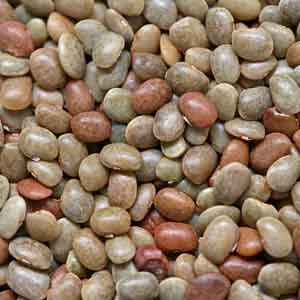
When you look at this legume, you’re likely trying to distinguish it from other common beans or lentils. Its appearance and behavior in cooking are specific to its high fiber content and hard seed coat.
| What you notice | What it usually means | What to do first |
|---|---|---|
| Very hard seed coat | Raw, dry state | Soak for 8-12 hours |
| Strong, earthy aroma | Natural legume scent | Rinse thoroughly before use |
| Dark brown, oval shape | Standard mature seed | Check for debris or stones |
| Slow to soften | High fiber content | Use a pressure cooker |
| Thick cooking liquid | High starch and fiber | Use as a soup base |
| Slight bitter aftertaste | Natural tannin content | Roast seeds before boiling |
The seed coat is exceptionally resilient, acting as a protective barrier that preserves the nutrient density of the legume for long periods. If the beans remain pebble-like after an hour of boiling, don’t assume they’re spoiled. This resistance is a hallmark of the variety, signaling that the structural integrity of the fiber remains intact.
You can verify the quality by checking for a uniform, matte finish on the seed surface. A shiny or polished appearance often indicates that the beans have been processed or treated, which can interfere with the natural softening process.
When the beans are authentic and raw, they should feel dense and heavy in your palm. If you find a mix of colors, sort them manually to ensure even cooking times, as variations in size will cause some beans to remain crunchy while others turn to mush.
Why it serves as a protein source
The primary reason this plant is valued in regions like southern India is its high protein density. It provides a significant source of plant-based protein for people who don’t eat meat. You can confirm the nutritional value by comparing it against other pulses; it’s a significant source of plant-based protein.
Beyond the raw numbers, horse gram functions as a complete nutritional anchor because of its amino acid profile. It provides essential building blocks that many other legumes lack in similar concentrations. This density makes it a staple for sustained energy during physically demanding work.
When you rely on this pulse for protein, consider the bioavailability of those nutrients. Cooking the seeds thoroughly is essential to breaking down complex starches that otherwise inhibit protein absorption.
If you’re new to this legume, start by using it in small portions. If you experience digestive discomfort, increase your water intake while eating it. A common mistake is failing to soak the seeds long enough. This makes them difficult to digest and increases cooking time significantly. If you soak them for less than 8 hours, the seeds will remain tough.
Digestive benefits of the fiber
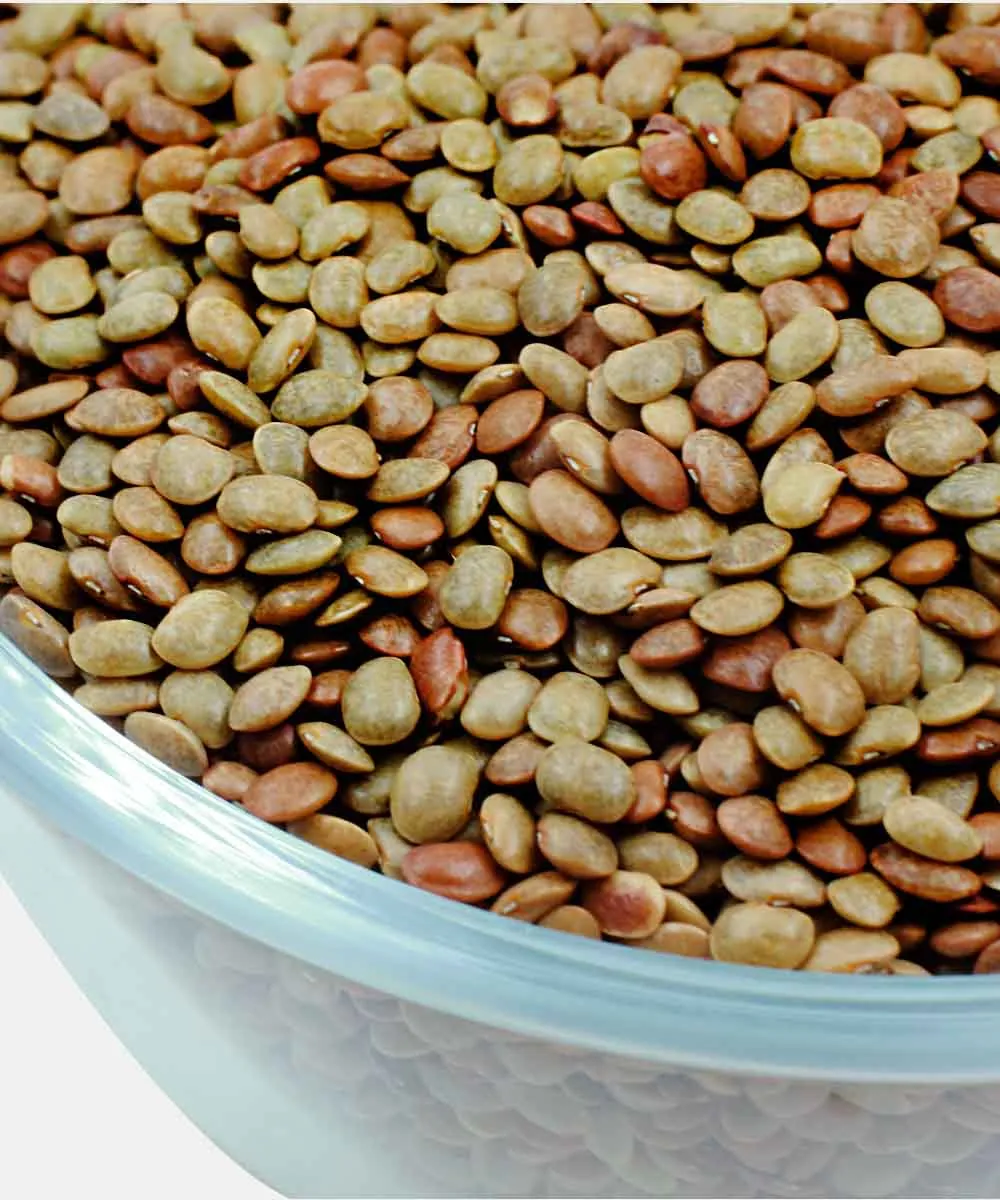
This legume is famous for its high fiber content, which aids digestion and keeps you full for longer. The fiber acts as a bulk-forming agent in your gut, encouraging regular transit.
To get the best results, you must cook the seeds until they’re completely soft. If the seeds remain crunchy, the complex starches and dense fiber may cause bloating or gas.
You can tell the fiber has been prepared correctly when the seed shell splits easily under light pressure. If the shell stays intact after boiling, it’s still too hard for easy digestion.
If you have a sensitive stomach, don’t eat a large serving on your first try. Start with a small half-cup portion to see how your body reacts.
This gradual introduction allows your digestive system to acclimate to the increased fiber intake. If you experience discomfort, increase your water consumption alongside the legume. Proper hydration is essential for fiber to move through your system effectively, preventing the very digestive sluggishness you’re trying to resolve.
Differences in culinary use
Unlike common lentils that cook quickly, this legume requires specific preparation to make it palatable. It’s typically boiled into a thick soup or sprouted before cooking to reduce the cooking time. You can tell this apart from other beans by the cooking time; while a standard green lentil takes 20 minutes to soften, this legume takes 45-60 minutes in a pressure cooker to become tender.
If you don’t have a pressure cooker, you must boil it for at least 90 minutes. Don’t try to skip the soaking step, as it’s the only way to soften the tough outer shell.
Soaking also leaches out anti-nutrients that can interfere with digestion. If you find the taste too strong, roast the dry seeds in a pan for 5 minutes before you add water. This change in method makes the flavor nuttier and less earthy.
When preparing horse gram for stews, use the remaining cooking liquid as a base. It carries a concentrated, savory depth that water alone can’t provide. If the broth remains too thin, mash a small portion of the cooked beans against the pot wall to thicken the consistency naturally.
When to seek medical advice
You should stop using this legume and speak with a professional if you experience certain reactions. While it’s a natural food, some people have underlying sensitivities.
Persistent abdominal pain or severe bloating after eating may indicate that your system is struggling to break down the complex starches found in horse gram. If these symptoms persist beyond the initial adjustment period, consult a gastroenterologist.
Signs of an allergic reaction, such as hives, swelling, or difficulty breathing, require immediate medical attention. These symptoms can escalate quickly and should never be ignored.
Changes in kidney function are a concern if you have a known history of kidney stones. Because this legume contains oxalates, high consumption may exacerbate existing conditions. Always monitor your output and comfort levels.
If you’re taking medication for blood pressure, check with your doctor first. Some legumes can interact with specific treatments, potentially altering their efficacy.
If you have a diagnosed metabolic condition, don’t add new legumes to your diet without checking with your primary care provider. They can provide advice based on your specific health requirements.
Related guides
- What is the Meaning of Horse Gram: Benefits and Uses Explained
- Is It Safe to Eat Horse Gram During Pregnancy: Essential Facts Revealed
- Why Don’T Horses Sit Down: Surprising Facts Revealed
Frequently asked questions
Is horse gram the same as lentils?
No, it’s a separate species from common lentils. While they’re both legumes, this plant has a much harder seed coat and a higher fiber content than standard red or green lentils.
How long should I soak horse gram?
You should soak the seeds for at least 8 to 12 hours. Soaking reduces the cooking time and makes the seeds easier to digest by softening the tough outer shell.
Can I eat horse gram every day?
You can eat it daily if it fits your overall dietary goals and you tolerate the fiber well. Most people find that small to moderate portions are best to avoid digestive issues like bloating.
Does it help with weight loss?
It may assist with weight management because its high fiber and protein content can help you feel full for longer periods. It isn’t a miracle cure, but it’s a nutrient-dense addition to a balanced, calorie-controlled diet.
Is it safe for people with diabetes?
It’s often recommended for those monitoring blood sugar because it has a lower glycemic index compared to refined grains. Always consult your doctor before making significant changes to your diet to manage a medical condition.
How do I know if it has gone bad?
You should discard the seeds if they have a musty smell, visible mold, or if they have been stored in a damp place. Check the package for an expiration date, which is usually 12-18 months from the date of harvest when stored in a cool, dry pantry.
Can I sprout it before eating?
Yes, sprouting is a common method to improve digestibility and reduce cooking time. Soak the seeds for 12 hours, drain the water, and leave them in a covered bowl for another 12-24 hours until small white tails appear.
Conclusion
Adding this hearty legume to your pantry is a simple way to boost your daily nutrition. You’ll find it’s quite versatile in soups or lentil stews, so don’t be afraid to experiment with different spices. It’s a wonderful, healthy ingredient that’s definitely worth keeping on hand for your next home-cooked meal.