The Mongol Empire changed history in many ways. But one thing made their conquests possible: their horses. Mongol warriors rode thousands of miles across Asia and Europe, winning battles and creating the largest land empire ever. Yet, few people know exactly what kind of horses they used, how these animals helped them, and why Mongol horses were so unique. If you want to understand Mongol power, you need to know about their horses.
Mongol horses were not just animals; they were partners. Every Mongol warrior relied on his horse for speed, endurance, and survival. These horses faced freezing winters, scorching summers, and endless grasslands. They could run for days, carry heavy loads, and survive on simple grass.
Many experts say Mongol horses were the secret behind the empire’s success.
In this article, you’ll learn about the types of horses the Mongols used, their characteristics, how they were bred and trained, and why they were so effective. You’ll see comparisons with other famous horse breeds and find out how Mongol horses shaped history. By the end, you’ll know more about these amazing animals and their important role in the Mongol world.
The Mongol Horse: Origins And Characteristics
The main horse used by the Mongols was the Mongolian horse. This breed developed over centuries in the harsh climate of Mongolia. Mongolian horses are small, stocky, and tough.
Physical Features
Mongolian horses stand about 12–14 hands high (48–56 inches at the shoulder). This is shorter than most European war horses. But their bodies are strong and muscular. Their legs are thick, and their hooves are hard. Mongolian horses have big heads, short necks, and thick manes. Their coats come in many colors: brown, black, gray, white, chestnut, and even spotted.
They look simple, but their build is perfect for the steppe—the vast, open grasslands of Mongolia. Mongolian horses can survive freezing winters (often -40°F) and hot summers. Their thick coats protect them from cold, wind, and snow.
Unique Abilities
Mongolian horses are famous for their endurance. They can travel up to 25–30 miles a day without rest. In emergencies, they have been known to run up to 100 miles in one day. They graze while moving, needing no special feed or care. This allowed Mongol armies to travel fast and far, carrying their own food on horseback.
Another key ability is their hardiness. Mongolian horses rarely get sick, and they heal quickly from injuries. They can find grass under snow, dig it out with their hooves, and live outside year-round. Unlike European horses, which often need stables and extra food, Mongolian horses survive with minimal help.
Temperament
Mongolian horses are independent. They live in herds and are not always friendly to people. But Mongols learn to handle them from childhood. Mongolian horses are not as “trained” as Western horses; they can be stubborn and wild. Still, they are loyal to their riders and will keep going even in tough conditions.
How Mongols Bred And Raised Their Horses
Mongol society revolved around horses. Every family owned many horses—sometimes hundreds. They bred them carefully to keep their strength and endurance.
Traditional Breeding Practices
Mongols let their horses breed naturally. Herds roam free on the steppe, and only the strongest horses survive. Mongol families mark their horses and check their health, but do not interfere much. This natural selection produces tough, healthy animals.
When choosing breeding animals, Mongols look for:
- Endurance: Horses that can run long distances.
- Strength: Able to carry heavy loads and riders.
- Health: Resistance to disease and injury.
- Temperament: Calm but independent.
Older Mongols teach children how to care for horses. Young Mongols learn to ride by age three or four. They help with herding, milking, and training.
Herd Management
Mongol herds are big—often 100 or more horses. Horses graze freely and return to their home area. Mongols use whistling, singing, and calling to manage their herds. They do not use fences or stables.
Horses are grouped by age, gender, and use. Stallions lead herds, mares provide milk, and young horses are trained for riding. Mongols move their herds with the seasons, following the best grass. This keeps the horses healthy and strong.
Credit: www.discoveraltai.com
Horse Training And Equipment
Training Mongol horses was simple but effective. Mongols did not use the heavy saddles or armor seen in Europe. Instead, they used light, practical gear.
Training Methods
Mongol children start riding early. By age four or five, they can control a horse. Training focuses on:
- Balance: Learning to ride without stirrups first.
- Speed: Encouraging horses to run fast.
- Obedience: Teaching basic commands.
- Endurance: Horses learn to keep moving for long periods.
Unlike Western methods, Mongol training is gentle. They do not break horses harshly. Horses keep their wild nature but learn to trust their riders.
Riding Equipment
Mongol riding gear is designed for speed and comfort:
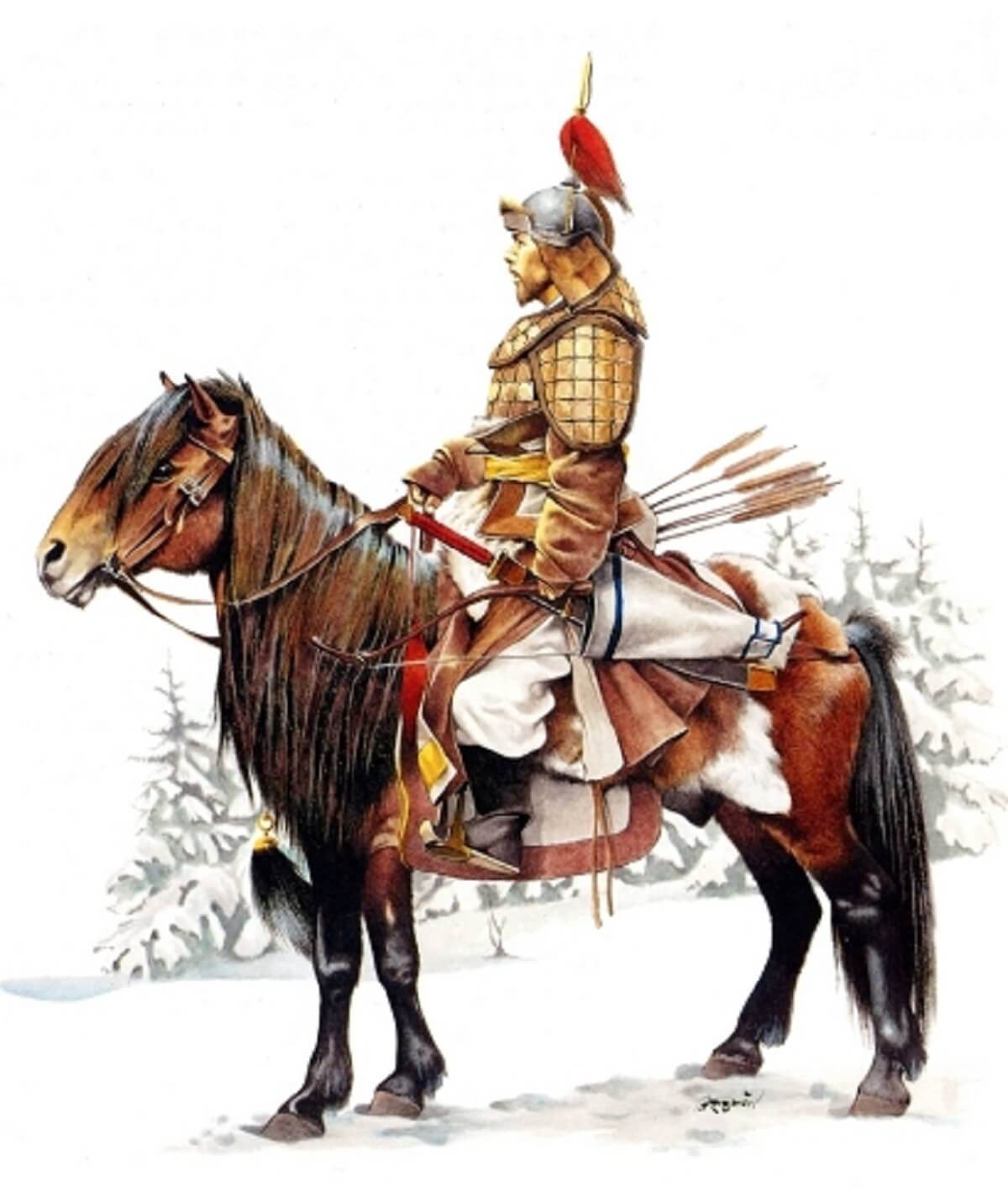
- Saddles: Small, wooden, and light. They allow the rider to move easily.
- Bridles: Simple leather straps, sometimes decorated.
- Stirrups: Short, helping riders stand up while shooting arrows.
- Reins: Made from horsehair or leather.
Mongols rarely use bits. Horses respond to gentle pressure and voice commands. This lets riders control their horses with one hand—freeing the other for weapons.
Weapons And Mobility
Mongol warriors carried bows, arrows, swords, and lances. Their horses let them shoot arrows while riding at full speed. The combination of light gear and skilled horses made Mongols very mobile. They could attack quickly, retreat, and surround enemies.
The Role Of Horses In Mongol Warfare
Horses were the heart of Mongol warfare. Every Mongol soldier had multiple horses. This allowed them to travel farther and faster than any other army.
Mobility And Logistics
Mongol armies carried few supplies. Each warrior had three to five horses. When one horse tired, the rider switched to another. This kept horses fresh and let armies cover huge distances.
Mongols could move up to 120 miles in three days—much faster than European armies. They needed no supply trains; their horses carried food, water, and gear.
Battle Tactics
Mongol tactics depended on horses. Warriors formed cavalry units, attacking in waves. They used feigned retreats—pretending to flee, then turning to attack. Horses allowed Mongols to surround enemies, shoot from a distance, and escape danger.
Mongol archers could shoot accurately while riding. Their horses were trained to run in all directions, even sideways. This confused enemy troops and gave Mongols an advantage.
Communication
Mongols used horses to send messages. They created a pony express system called “Yam.” Riders delivered messages across the empire, using relay stations and fresh horses. This let Mongol leaders coordinate armies and rule distant lands.
Comparison With Other Famous Horse Breeds
Many armies used horses, but Mongol horses were unique. Here’s how they compare with other famous breeds.
| Breed | Height (hands) | Weight (lbs) | Endurance | Speed | Care Needs |
|---|---|---|---|---|---|
| Mongolian Horse | 12–14 | 600–800 | Very High | Moderate | Low |
| Arabian Horse | 14–15 | 800–1000 | High | High | Moderate |
| European Warhorse (Destrier) | 15–17 | 1200–1500 | Moderate | Low | High |
| Thoroughbred | 15–17 | 1000–1200 | Moderate | Very High | High |
Mongolian horses are smaller, but their endurance is unmatched. Arabian horses are famous for speed and stamina in desert conditions. European warhorses are much bigger, bred for carrying armored knights and fighting in heavy battles. Thoroughbreds are bred for racing, not warfare.
Mongol horses needed less care. They could survive on grass alone, while European horses needed grain and stables. This made Mongol armies more flexible and able to move faster.
Real-life Examples
When Mongol armies invaded Europe in the 13th century, local knights were shocked. Their big warhorses could not match the speed and agility of Mongol cavalry. Mongol horses could cross rivers, climb mountains, and run for days. European horses tired quickly and needed rest.
In the Middle East, Mongol horses competed with Arabians. Both breeds were fast, but Mongols relied on endurance. Their horses could keep going even after long marches.
The Mongol Horse In Everyday Life
Mongol horses were not only for war. They played a big role in daily life.
Transportation
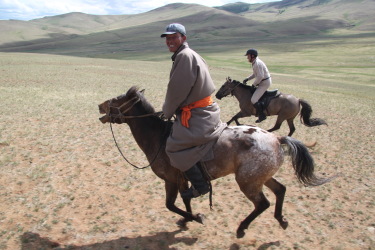
Every Mongol family used horses for travel. People rode horses to visit neighbors, herd animals, and move homes. Horses carried goods, milk, and even children. In Mongol culture, walking was rare; everyone rode.
Food And Milk
Mongols used horses for milk. Mare’s milk is made into airag (fermented drink), a popular food in Mongolia. Horses were sometimes eaten during emergencies, but milk was more important.
Festivals And Sports
Mongol horses are part of Naadam, a yearly festival. Races test the speed and stamina of young horses. Mongols also play games like “buzkashi” (a kind of polo) and practice archery from horseback.
Spiritual Importance
Horses are sacred in Mongol culture. Many songs, poems, and legends honor horses. Mongols believe horses have spirits and bring luck. Riders often pray before races and battles.
Genetics And Modern Studies
Modern science has studied Mongol horses. DNA tests show they are one of the oldest breeds in the world.
Genetic Diversity
Mongolian horses have high genetic diversity. This means they are not inbred and have many unique traits. Their genes help them survive harsh weather and disease. Mongol horses are related to ancient breeds from Central Asia.
Recent Research
Studies show Mongolian horses have special genes for:
- Cold tolerance
- Hard hooves
- Disease resistance
- Efficient digestion
These traits make them perfect for the steppe. Mongolian horses are still bred in traditional ways, keeping their genetic strengths.
Conservation
Mongolian horses are not endangered. There are about 3 million Mongolian horses today. However, some experts warn that modern breeding and imports might change their traits. Mongols work to protect their traditional horses.
Famous Mongol Horses In History
Many Mongol leaders had favorite horses. These animals became legends.
Genghis Khan’s Horses
Genghis Khan owned hundreds of horses. He chose the fastest and strongest for battles. His horses helped him escape danger and win key fights. Some stories say Genghis Khan’s favorite horse saved his life in battle.
The Messenger Horses
Mongol messengers used special horses for speed. These horses could run from Mongolia to China in days, crossing mountains and rivers.
War Horses
Mongol generals like Subutai and Jebe relied on their horses for strategy. They planned battles based on how far their horses could go.

Credit: commons.wikimedia.org
Mongol Horses In The Expansion Of The Empire
The Mongol Empire grew because of its horses. Mongol armies crossed Asia, the Middle East, and Eastern Europe. Their horses made this possible.
Conquest Of China
Mongol horses helped Genghis Khan invade China. They crossed deserts and mountains, carrying supplies and soldiers. Chinese armies had bigger horses, but Mongol horses were faster and tougher.
Invasion Of Russia And Europe
In the 13th century, Mongol armies rode to Russia, Hungary, and Poland. Their horses let them move quickly, surprising enemies. European knights could not catch them.
| Region | Distance Covered (miles) | Time Taken | Horse Survival Rate (%) |
|---|---|---|---|
| China | 1,500 | 3 months | 95 |
| Russia | 2,000 | 5 months | 90 |
| Europe | 1,800 | 4 months | 92 |
Horse survival rates were high, showing their toughness. Mongol horses rarely died from exhaustion or disease.
Expansion To The Middle East
Mongol horses crossed deserts and mountains to reach Persia, Iraq, and Syria. Their ability to survive with little water and food helped them succeed.
Mongol Horse Management During Campaigns
During campaigns, managing thousands of horses was a challenge. Mongols developed smart systems.
Rotating Horses
Each warrior had several horses. Mongols rotated them, keeping each horse fresh. Horses were tied in groups, so riders could switch quickly.
Feeding And Watering
Mongols planned routes where grass and water were available. They avoided areas with little food. Horses grazed while moving, saving time.
Medical Care
Mongols knew basic horse medicine. They treated wounds with herbs and bandages. Old warriors taught young riders how to care for sick horses.
Credit: www.mongolia-travel-and-tours.com
Non-obvious Insights Beginners Often Miss
Many people think Mongol horses were just “small ponies,” but this misses their real strengths.
- Multiple Horses Per Warrior: Mongol soldiers did not ride one horse all the time. By rotating horses, they kept their animals healthy and extended their range. This is why Mongol armies could march so far, so fast.
- Horses as Mobile Supply Units: Mongol horses carried not just riders, but food, water, and gear. Each horse was a mobile supply unit. This meant Mongol armies did not need slow supply trains, making them more flexible.
- Training for Archery: Mongol horses were trained to run smoothly, allowing riders to shoot arrows accurately even at full speed. This skill was rare and gave Mongols a big advantage in battle.
- Survival Skills: Mongol horses knew how to find food under snow, cross rivers, and avoid predators. This made them reliable in every environment.
The Legacy Of Mongol Horses
Even today, Mongolian horses are famous for their toughness. They are used in sports, festivals, and daily life. The Mongol Empire’s success is still studied by military historians, and horses are seen as a key factor.
Modern Mongolia
In modern Mongolia, horses are a symbol of freedom and tradition. Young people learn to ride, and families still breed horses using ancient methods.
International Recognition
Mongolian horses are recognized as a unique breed. Some are exported to other countries for racing and endurance sports. They are studied by geneticists and animal experts.
Cultural Heritage
Songs, stories, and art in Mongolia honor the horse. The Mongol horse is a national icon, appearing on coins and stamps.
Frequently Asked Questions
What Breed Of Horse Did The Mongols Use?
The Mongols mainly used the Mongolian horse. This breed is small, tough, and has high endurance. It developed in the harsh climate of Mongolia and is still used today.
How Many Horses Did Each Mongol Warrior Have?
Each Mongol warrior usually had three to five horses. This allowed them to rotate mounts, keeping them fresh and increasing their travel range.
Were Mongol Horses Faster Than European Horses?
Mongol horses were not as fast as some European breeds in short sprints, but their endurance and stamina were much better. They could travel long distances at a steady pace, which was more important for the Mongol army.
How Did Mongol Horses Survive Extreme Weather?
Mongol horses have thick coats for cold weather and can find grass under snow. Their hard hooves and strong bodies help them survive both freezing winters and hot summers. They live outside year-round and need little care.
Are Mongol Horses Still Used Today?
Yes, Mongolian horses are still bred and used in Mongolia. They play a big role in festivals, sports, and daily life. Modern Mongols value their horses and keep traditional breeding methods.
Mongol horses are more than animals—they are a living link to history. Their strength, endurance, and spirit helped the Mongols create an empire, and their legacy continues today. If you want to learn more about Mongolian horses, visit Wikipedia for detailed information. Mongol horses remind us that sometimes, the smallest creatures can change the world.