
Knights on horseback are one of the strongest images from the Middle Ages. Most people imagine a powerful warrior charging into battle with shining armor and a proud horse. But what horses did knights actually ride? Were they all giant warhorses, or did they use different types?
Understanding the real story behind the horses of knights reveals much about medieval warfare, social class, and even breeding practices. Let’s explore the world of knightly horses, from famous breeds to their training, care, and the myths that still surround them.
The Role Of Horses In A Knight’s Life
Horses were more than just transportation for knights. They were vital partners in war, tournaments, and daily life. The right horse could mean the difference between victory and defeat. Knights didn’t just use one horse for everything—they had several, each with a special purpose.
Horses also showed a knight’s wealth and status. The best horses were expensive and required special care.
Types Of Horses Used By Knights
Many people believe all knights rode huge, armored horses. In reality, knights used different types of horses for different tasks. Here are the main types:
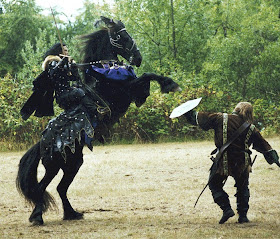
Destrier
The Destrier is the most famous knight’s horse. It was used mainly in battle and tournaments. Destriers were strong, muscular, and trained to handle the noise and chaos of combat. They were not as big as some modern breeds but were powerful and agile. Only the wealthiest knights could afford a true Destrier.
Courser
The Courser was a lighter, faster horse. Knights often used Coursers for battle because they were quick and easy to maneuver. They cost less than a Destrier but were still valuable. Coursers were popular for raids and when speed was important.
Rouncey
The Rouncey was the everyday horse for most knights and their squires. It was a general-purpose horse, used for travel, messenger work, and sometimes in combat. Rounceys were less expensive and more common, making them the backbone of many armies.
Palfrey
The Palfrey was not a warhorse but was prized for comfort. Knights, and especially noblewomen, rode Palfreys for travel and ceremonies. These horses were smooth to ride, making long journeys easier.
Sumpter Horse
The Sumpter horse carried equipment and supplies. It was not for riding in battle but was essential for moving armor, tents, and food.
Credit: historicalhussies.blogspot.com
What Made A Good Knight’s Horse?
Not every horse was suitable for a knight. Several important qualities separated an ordinary horse from a true warhorse.
- Strength: Knights in armor were heavy. A warhorse needed the muscle to carry both rider and armor without tiring quickly.
- Temperament: Warhorses could not be easily frightened. They needed to stay calm during loud, confusing battles.
- Training: Horses learned special moves like charging, turning quickly, and even kicking or biting on command.
- Endurance: Long campaigns required horses that could travel far and recover quickly.
One detail that surprises many beginners: medieval warhorses were not as huge as people think. Most stood about 15 to 16 hands high (about 1.5 to 1.6 meters at the shoulder), similar to today’s riding horses.
Famous Medieval Horse Breeds
Some breeds are strongly linked with knights and their battles. While breeding was not as scientific as today, several types became famous for their use by knights.
Andalusian
The Andalusian, from Spain, was prized for its agility and bravery. It was often used by knights in tournaments and later in cavalry.
Friesian
The Friesian comes from the Netherlands. Its strength and striking black color made it popular with knights, especially in Northern Europe.
Percheron
The Percheron, from France, was sometimes used as a warhorse thanks to its size and stamina. Over time, it became more of a draft horse.
Irish Hobby
The Irish Hobby was a lighter, fast horse used for quick raids. It was favored by knights who needed speed over raw power.
Arabian
The Arabian was not a European breed, but the Crusades brought Arab horses to Europe. Their endurance and intelligence influenced many later breeds.
Credit: www.pitara.com
How Knights Trained Their Horses
Training a warhorse took years. Knights and their squires started working with young horses, teaching them to follow commands and ignore distractions. Training included:
- Desensitization: Horses learned to stay calm in crowds, around loud noises, and near weapons.
- Obedience: Warhorses responded to leg pressure, voice, and even the movement of the rider’s body.
- Battle Movements: Horses practiced charging, stopping suddenly, and turning sharply.
- Armored Riding: Horses got used to carrying the extra weight of armor and sometimes wore their own protective gear.
A beginner often misses how much time and patience this process took. A fully trained warhorse was as valuable as the armor or weapons a knight carried.
Equipment For Knightly Horses
Knights’ horses wore special gear, some for protection, some for decoration.
- Saddle: High-backed saddles helped knights stay on during combat.
- Bridle and Reins: These gave the knight control, even in the chaos of battle.
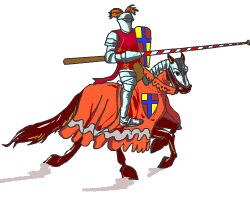
- Barding: This was armor for the horse, made from leather, metal, or cloth. Not all horses wore barding—it was heavy and expensive.
- Caparisons: Colorful cloths covered the horse, showing the knight’s colors or coat of arms.
Here’s a comparison of common horse armor types:
| Armor Type | Material | Purpose | Weight (Approx.) |
|---|---|---|---|
| Barding | Metal | Protects body | 20-35 kg |
| Chamfron | Metal/Leather | Protects face | 2-5 kg |
| Caparison | Cloth | Decoration, minor protection | 2-4 kg |
Knights And Their Horses In Battle
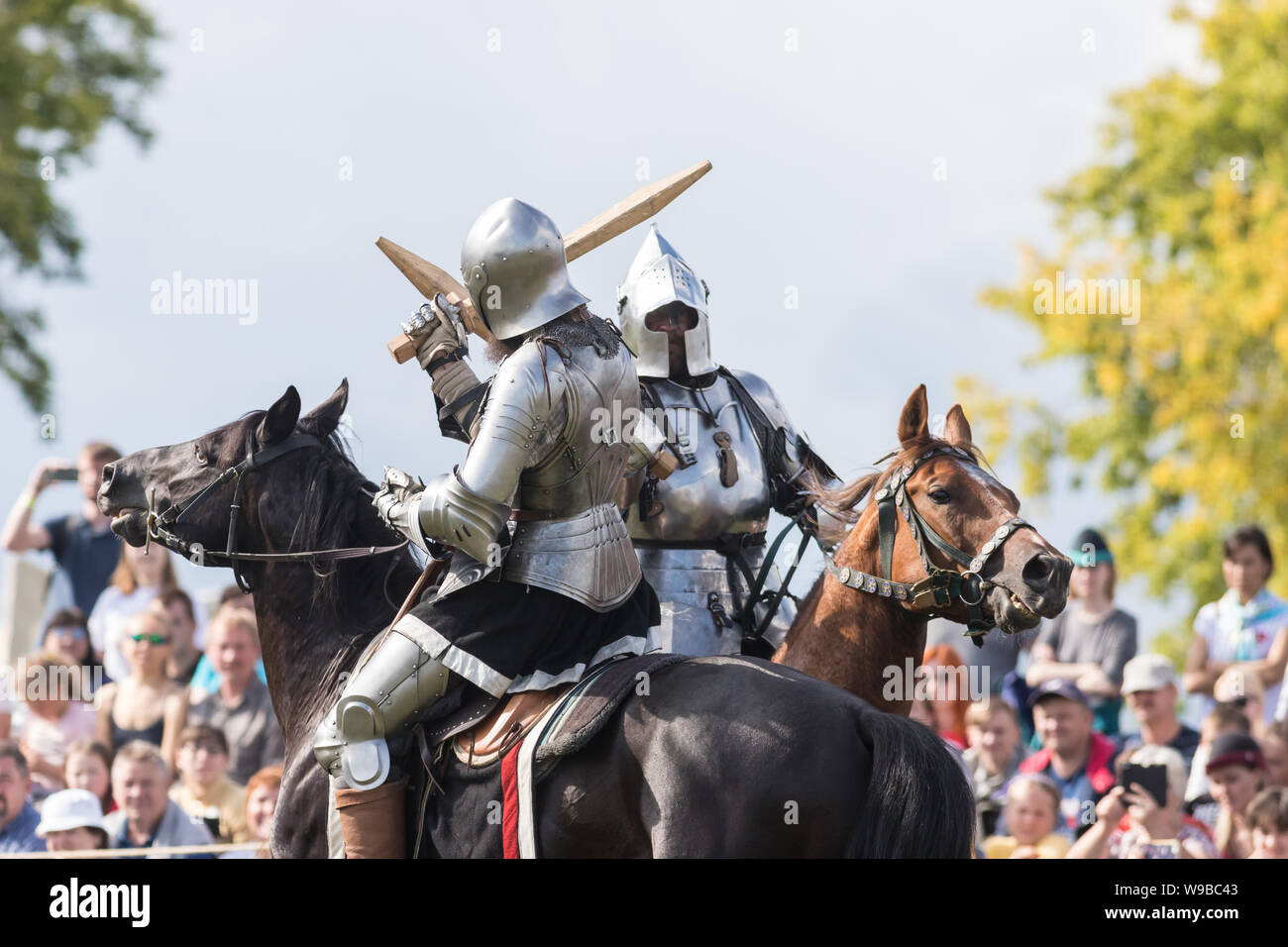
The image of a knight charging on horseback was real—but it was not always the main way of fighting. Knights sometimes fought on foot, especially if their horse was killed or the terrain was rough. On open fields, cavalry charges could break enemy lines.
Horses were trained to push into crowds and even trample enemies if needed.
Many battles were decided by the discipline and training of both knight and horse. At the Battle of Hastings (1066), Norman knights used their horses to attack and retreat quickly, confusing the enemy. In contrast, at the Battle of Agincourt (1415), muddy ground made cavalry charges difficult, showing that horses were powerful but not unstoppable.
Here’s how different types of knightly horses compared for battle:
| Horse Type | Battle Use | Speed | Cost |
|---|---|---|---|
| Destrier | Main charge, tournaments | Medium | Very high |
| Courser | Raids, flanking | High | High |
| Rouncey | Support, travel | Medium | Medium |
Caring For A Knight’s Horse
A knight’s horse was a major investment. Proper care was essential to keep it healthy and ready for action.
- Feeding: Warhorses needed more food than regular horses, especially grains and hay.
- Shoeing: Blacksmiths made iron shoes to protect hooves from rough roads.
- Grooming: Daily brushing kept the horse’s coat clean and free of sores.
- Rest: After long rides or battles, horses needed time to recover.
Knights usually had grooms or squires to help with these tasks. Losing a horse to sickness or injury could be a disaster—sometimes worse than losing a weapon.
Horses In Tournaments And Pageantry
Knights didn’t just use their horses for war. Tournaments were public events where knights showed off their skills. Horses played a big part in the spectacle. In jousts, the horse had to run straight and steady while the knight aimed his lance.
Parades and ceremonies also featured richly decorated horses, emphasizing the knight’s wealth and status.
A detail often missed: knights sometimes borrowed or rented special horses for tournaments if they could not afford their own. This practice helped more people take part in the games.
Myths Vs. Reality: The Truth About Knightly Horses
Movies and stories often exaggerate the size and armor of medieval horses. Here’s what’s true—and what’s not:
- Size: Most warhorses were not giants. They were similar in size to today’s riding horses, not modern draft breeds.
- Armor: Full metal armor for horses was rare and used mainly in tournaments, not everyday battle.
- Breeds: The modern image of a “knight’s horse” often comes from later breeds, not the true medieval types.
The real advantage of a knight’s horse was its training and partnership with the rider—not just its size or armor.
How Horses Shaped Knighthood
The bond between knight and horse was central to the idea of knighthood. A knight’s status depended as much on his horse as on his sword or armor. Horses made knights mobile, powerful, and feared on the battlefield. They also influenced the economy—breeding and raising warhorses was big business in medieval Europe.
Even today, phrases like “mounted knight” or “chivalry” remind us of the close link between horse and knight. This partnership shaped European history for centuries.
Frequently Asked Questions
What Was The Most Common Horse Used By Knights?
The Rouncey was the most common horse for knights and their squires. It was affordable, versatile, and used for travel, daily tasks, and sometimes in battle.
Did Knights Always Ride Huge Horses?
No, most medieval warhorses were not as large as modern draft horses. They stood around 15-16 hands high and were valued more for strength and training than sheer size.
How Did Knights Care For Their Horses During Campaigns?
Knights brought squires and grooms to feed, groom, and care for their horses. They made sure to rest the animals, provide good food, and protect them from injury or sickness.
Did Horses Wear Armor In Battle?
Some horses wore armor called barding, especially in tournaments or against well-armed enemies. However, full metal armor was rare due to weight and cost.
Where Can I Learn More About Medieval Horses And Knights?
For more in-depth information, visit the Wikipedia page on the Destrier and other trusted history sources.
The world of knights and their horses is full of fascinating details. By looking beyond myths, we see how important and skilled these animals really were. The partnership between knight and horse shaped not just battles, but the very idea of knighthood that still captures our imagination today.
Credit: www.alamy.com