
When horses break a leg, the prognosis is often guarded because their weight, anatomy, and inability to lie down for long periods make healing complex. Veterinarians must immediately stabilize the limb to prevent further damage to soft tissues. If the fracture is catastrophic or non-repairable, humane euthanasia is the standard medical decision to prevent prolonged suffering.
Understanding the medical reality
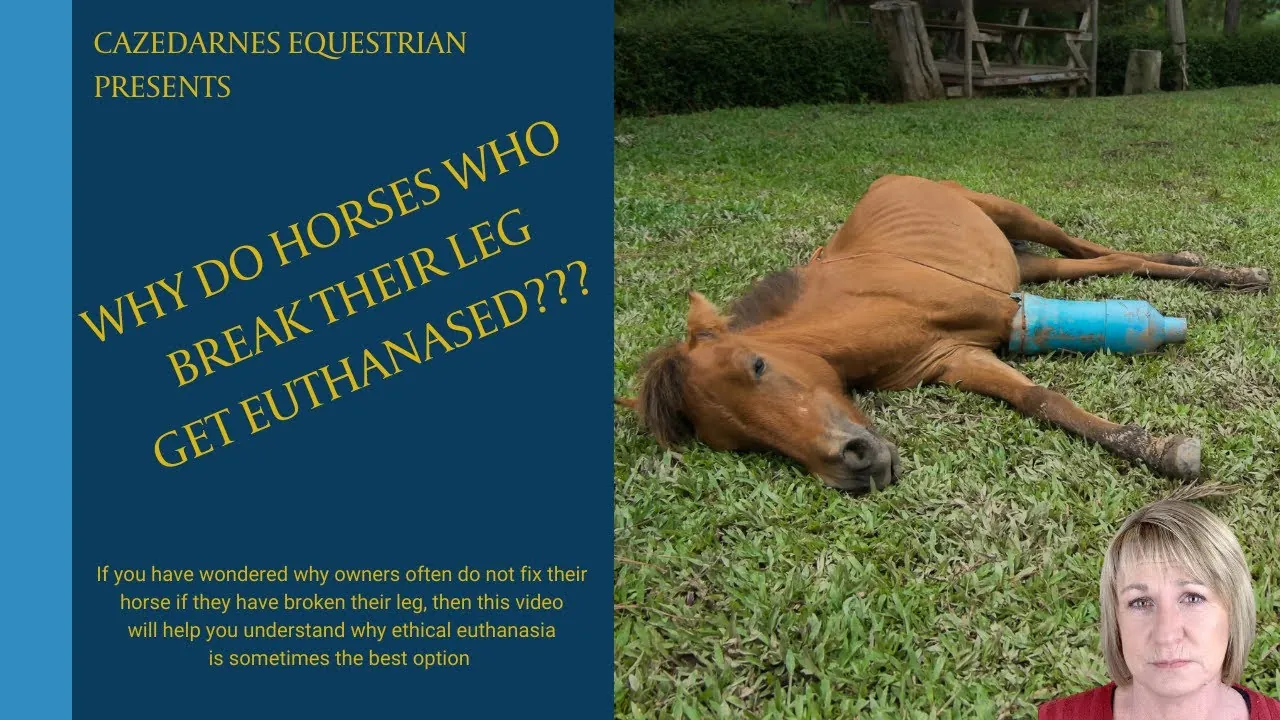
The primary challenge is the horse’s immense body weight, which rests on four limbs that must support the animal’s entire mass. When a bone fractures, the animal can’t easily shift its weight to avoid putting pressure on the broken limb. This causes the bone fragments to displace, often piercing the skin or damaging the blood supply that keeps the bone cells alive.
A common mistake owners make is attempting to move the horse before a veterinarian arrives. This often causes a simple, clean fracture to become a complex, compound break. Always keep the animal calm and stationary until professional help arrives to apply a specialized splint or cast.
Steps for stabilizing a suspected fracture
-
Contact a licensed equine veterinarian immediately to report the injury and describe the horse’s behavior. Don’t administer any pain medication unless the vet explicitly tells you which drug and what dosage is safe for this specific animal.
-
Keep the horse as still as possible in a small, enclosed area or a trailer to prevent them from moving on the injured limb. If the horse is in a pasture, try to restrict their movement gently without forcing them to walk. Movement often causes a simple fracture to become a compound one, which significantly complicates surgical repair.
-
Observe the limb for signs of bleeding, swelling, or bone protrusion, but don’t attempt to clean or wrap the wound yourself. Improper bandaging can act as a tourniquet, cutting off circulation and causing irreparable damage to the leg tissue. If you must manage a bleed, apply only light, non-constricting pressure with a clean cloth until professional help arrives.
-
Assist the veterinarian in stabilizing the limb using American Association of Equine Practitioners guidelines for emergency splinting. The goal is to stabilize the limb to prevent further trauma to the soft tissues and blood vessels surrounding the bone. This stabilization is vital to protect the soft tissues and blood vessels surrounding the bone from further trauma.
-
Prepare the horse for transport to a specialized equine hospital if the vet determines that surgical repair is a viable option. You’ll need a trailer with a ramp and enough space for the horse to maintain its balance without standing on the injured leg.
If the horse is visibly distressed and sweating, keep them in the shade to prevent overheating while waiting for the vet. A calm horse is less likely to bolt or shift weight, which preserves the integrity of the fracture site.
Timeline for recovery and assessment
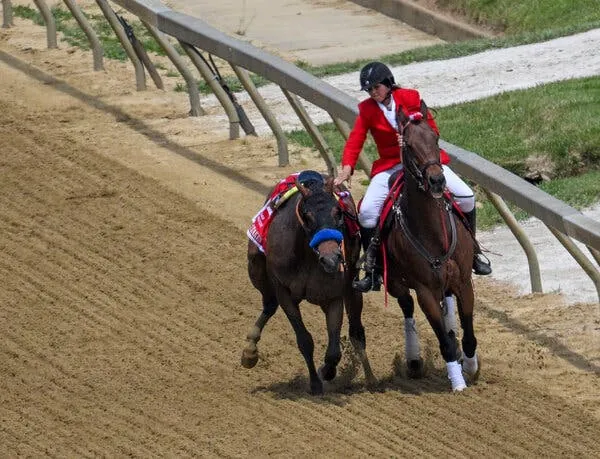
The time needed for recovery varies based on the fracture type, the horse’s age, and the quality of post-operative care. While some minor stress fractures heal with months of stall rest, severe breaks require intensive surgical intervention and long-term rehabilitation.
| Situation | How long | What changes it | What to watch for |
|---|---|---|---|
| Minor stress fracture | 4–6 months | Age and bone density | Lameness returning |
| Surgical repair | 6–12 months | Location of break | Infection at site |
| Non-repairable injury | Immediate | Severity of damage | Uncontrollable pain |
Radiographs serve as the primary tool for assessing progress during these windows. Your veterinarian will typically schedule these scans at specific intervals to monitor bone density and the alignment of any internal hardware.
If the horse shows no signs of improvement after the expected rest period, consult your surgeon to determine if the bone has failed to fuse correctly. You should also watch for secondary complications, such as laminitis in the opposing limb. Because the horse shifts its weight to compensate for the injury, the healthy leg often faces extreme stress. Early detection of heat or pulsing in the good foot is critical.
Signs of healing and recovery
Successful healing is visible when the horse begins to bear weight on the limb comfortably during hand-walking. You’ll notice a reduction in swelling and a return to normal weight distribution across all four hooves. The veterinarian will use radiographs to confirm that the bone callus is forming correctly and that the internal hardware, if used, remains secure.
Watch for the horse to shift its weight naturally while standing at rest. A recovering horse often displays a relaxed posture, dropping its head and lowering its neck, rather than holding tension in the shoulder or back. This physical ease suggests the pain cycle is finally breaking.
If the horse remains non-weight-bearing or develops a fever, this often signals a serious infection or implant failure. In these cases, the animal is at risk of developing laminitis in the opposite, healthy leg due to the constant, excessive weight-bearing load. Monitor the healthy hoof for increased heat or a pounding digital pulse.
Mistakes that ruin recovery
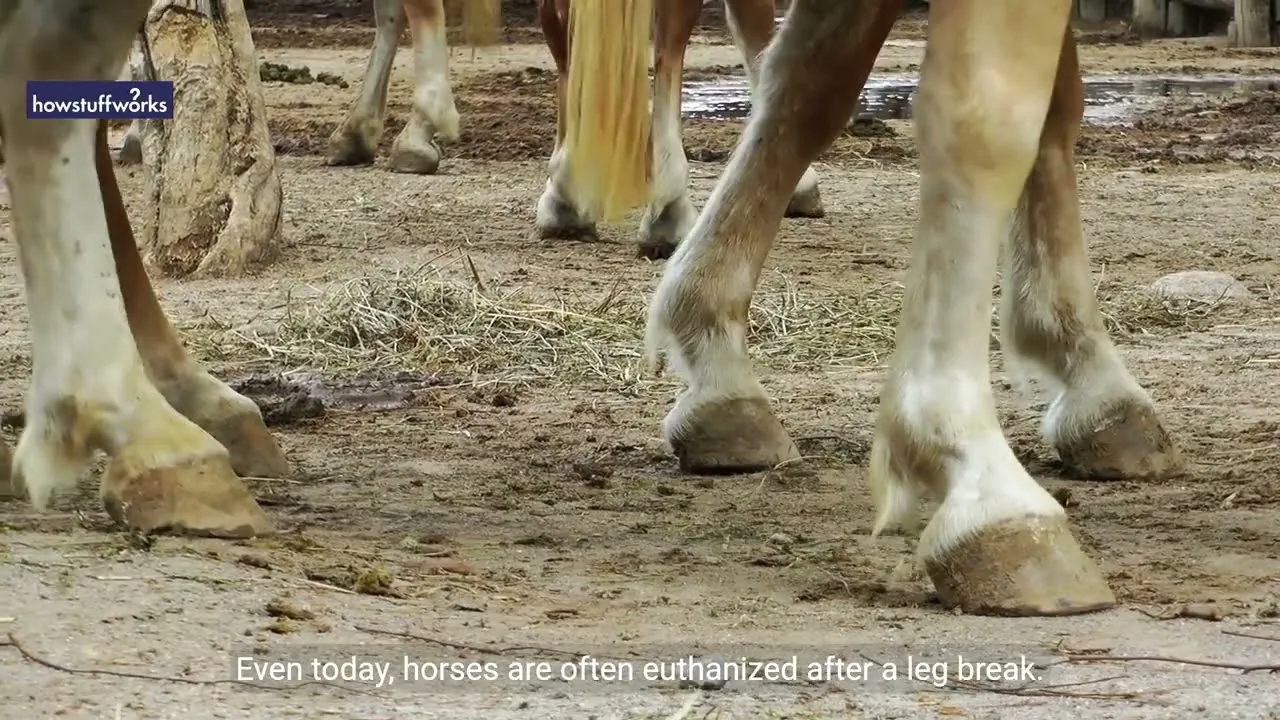
Forcing early movement is the most common path to failure. Moving a horse too soon after surgery can cause internal pins or plates to snap under the animal’s massive weight. Always follow the specific stall rest protocol provided by your surgeon. Even a few steps in the wrong direction can undo months of healing, turning a successful procedure into a permanent injury.
Ignoring localized heat often masks a developing crisis. A sudden increase in warmth around a bandage or cast frequently indicates an underlying infection or a deep pressure sore. Check the area daily with a light touch. Contact your vet immediately if the horse appears sensitive or shows new signs of distress. Early intervention is the only way to prevent a minor irritation from becoming a systemic infection.
Poor diet management creates a hidden burden. Reducing activity levels without adjusting calorie intake leads to rapid weight gain, which puts dangerous extra pressure on the recovering limb. Work with a nutritionist to ensure the horse receives enough minerals for bone repair without gaining excess weight. A lighter frame is essential for long-term structural success.
Frequently asked questions
Can a horse survive a broken leg?
Yes, a horse can survive a broken leg if the fracture is clean and located in a position that allows for surgical stabilization. The success rate depends heavily on the severity of the break and whether the bone has pierced the skin. If the fracture causes total loss of blood supply to the hoof, the outlook is poor, and humane euthanasia is often the only compassionate choice.
How much does it cost to fix a broken leg?
The cost varies widely based on the complexity of the surgery, and specialized procedures requiring long-term hospitalization are significantly more expensive than basic care. You should check your current equine insurance policy, as many providers have specific caps on surgical coverage. Always ask your veterinary hospital for a written estimate before starting any treatment plan to understand the full financial commitment required.
Why is a broken leg so dangerous for a horse?
The danger stems from the horse’s anatomy, as they’re heavy animals that require constant movement to maintain proper blood circulation. When a horse can’t put weight on a leg, they risk developing laminitis in the healthy legs, a painful and often fatal condition. Additionally, horses struggle to remain recumbent for long periods, which leads to muscle damage and respiratory issues.
Is it safe to transport a horse with a broken leg?
It’s only safe to transport the horse if the limb has been properly splinted and stabilized by a veterinarian to prevent further bone displacement. You must use a trailer that allows the horse to maintain its balance without putting weight on the injured leg. If the horse is panicked or the fracture is unstable, transport may cause a clean break to become irreparable.
What happens if the horse can’t stand?
If the horse can’t stand, the outlook is extremely poor because they can’t support their own weight or maintain internal organ function. Horses are designed to spend the vast majority of their lives standing; prolonged recumbency leads to pressure sores and severe muscle damage. In almost all cases where a horse can’t stand due to a fracture, veterinarians recommend euthanasia to end the animal’s suffering.
Conclusion
While these injuries are heartbreaking, researchers are constantly developing new surgical techniques and support systems to improve recovery outcomes. If you’re ever around a horse with a suspected injury, don’t hesitate to call your veterinarian immediately. It’s always better to be safe, as quick action can truly make a difference.