
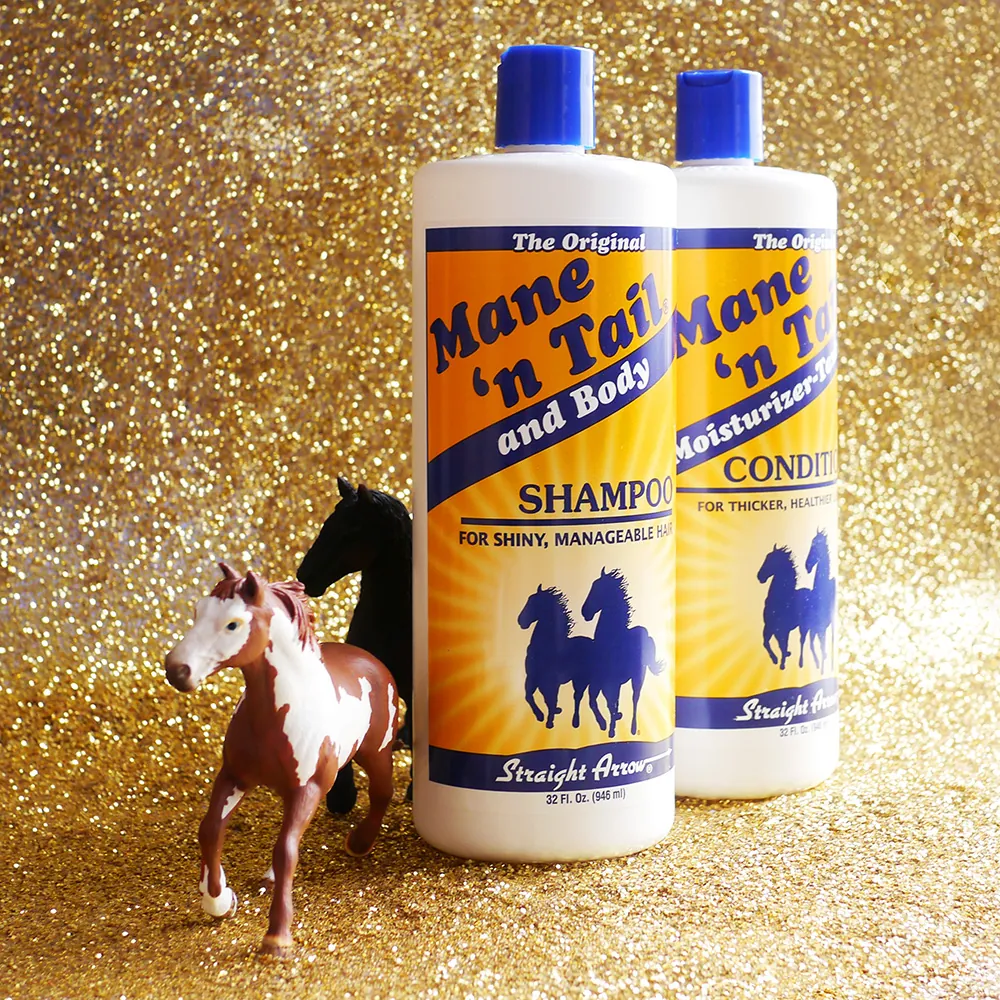
The primary reason owners use these products is that the benefits of horse shampoo include deep cleaning power and a pH balance suited for thick, coarse hair.
Common types of horse shampoo
| Shampoo type | Best for | Example |
|---|---|---|
| Whitening | Brightening light-colored coats | Purple-tinted brightening wash |
| Medicated | Soothing itchy, irritated skin | Antifungal tea tree wash |
| Moisturizing | Dry hair and skin | Oatmeal conditioning wash |
| Concentrated | Removing heavy mud buildup | High-foaming deep clean |
| Two-in-one | Quick, routine maintenance | Detangling shampoo combo |
These categories serve different functional needs based on your horse’s environment and coat condition. Choosing the right base is essential because the wrong formula can strip natural oils or leave behind residue.
For example, a two-in-one product works best for a quick touch-up after a light ride. However, these formulas often lack the deep-cleaning agents required to remove stubborn, caked-on mud from a pasture-kept horse.
Always consider the pH balance of the product before application. If you notice your horse’s coat looking dull after a wash, you may be using a concentrated cleaner too frequently. Switch to a moisturizing option for routine grooming sessions to restore shine and maintain skin health. This adjustment prevents the hair shaft from becoming brittle or prone to breakage during the shedding season.
Whitening shampoo for light coats
Whitening formulas are designed to remove yellow stains from grey, pinto, or white horses. These products use optical brighteners that reflect light to make the coat appear cleaner and brighter after a single bath.
- Removes stubborn manure or grass stains from white hair.
- Enhances the natural shine of a light-colored coat.
- Includes brightening agents that neutralize yellow tones.
If your horse has sensitive skin, test the shampoo on a small patch of the leg before applying it all over. For a horse with a full-body coat, use approximately 4 ounces of product diluted in a 2-gallon bucket of water. This ensures even coverage without leaving a residue that might attract more dust.
Medicated shampoo for skin health
Medicated shampoos are formulated to treat common skin issues like rain rot, scratches, or fungal growth. These products often contain active ingredients like chlorhexidine or tea tree oil to help manage bacterial load on the skin surface.
- Reduces itching caused by insect bites or minor allergies.
- Supports the healing of small scrapes or skin irritations.
- Cleanses the area to prevent further bacterial buildup.
According to the University of Minnesota Extension, keeping the skin clean is vital for preventing the spread of contagious fungal infections. Always leave medicated suds on the coat for the time listed on the bottle, usually 5 to 10 minutes, before rinsing thoroughly. If you see open sores that don’t improve after two washes, contact your veterinarian.
Moisturizing shampoo for dry hair
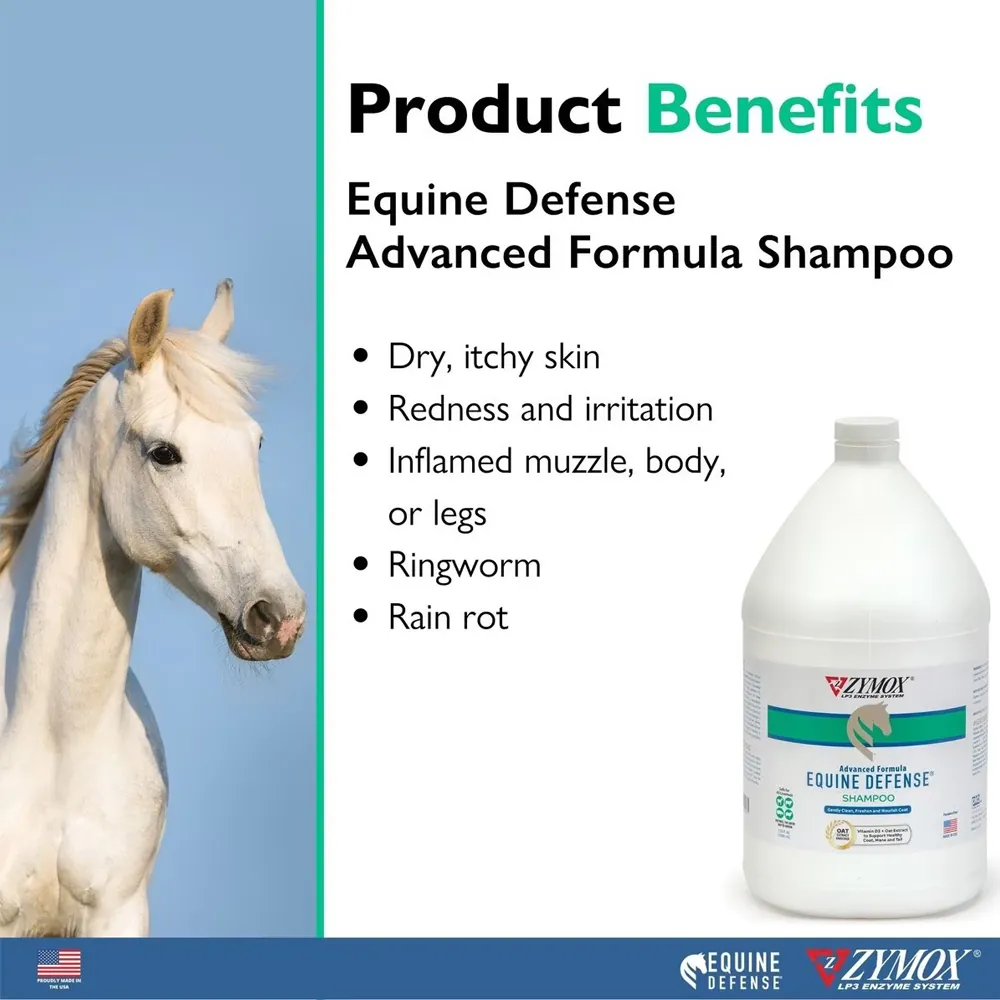
Moisturizing washes are best for horses living in dry climates or those with brittle, thinning manes. These formulas prioritize humectants and natural oils to hydrate the hair shaft from root to tip.
- Softens coarse or sun-damaged manes and tails.
- Prevents hair breakage during the grooming process.
- Adds a protective layer to lock in natural moisture.
This option isn’t for horses with extremely oily skin, as the added conditioning agents might weigh the hair down. If you notice your horse’s coat feels greasy after drying, you’re using too much product; rinse thoroughly until the water runs clear to ensure no film remains.
Concentrated shampoo for heavy duty cleaning
Concentrated formulas are built for deep cleaning and removing layers of dried mud or stable muck. These are powerful soaps that break down tough organic matter quickly, which saves time during a full grooming session.
- Cuts through thick grease and heavy dirt buildup.
- Requires less product per bath than standard formulas.
- Lathers easily even in cold water conditions.
A common mistake is using undiluted concentrate directly on the horse’s back, which can cause skin dryness or irritation. Always mix the recommended amount in a bucket first. If you’re washing during winter months, use warm water to help the soap penetrate the hair and keep the horse comfortable.
Other varieties of horse shampoo
- Detangling shampoo: These contain silicone-based ingredients to help slide through knots. They’re perfect for horses with long, thick tails that tangle easily after being in the field.
- Hypoallergenic shampoo: These are fragrance-free and dye-free, designed for horses that react to common chemicals. Use these if you notice hives or redness after using standard soaps.
- Scented grooming shampoo: These focus on odor control, masking the smell of sweat or stable bedding. They’re best for show horses that need to look and smell fresh for events.
Choosing the right product for your horse
To decide which product you need, look at your horse’s current coat condition and the environment where they live. If the horse has visible skin flaking or dry hair, choose a moisturizing formula to restore hydration. If the horse is prone to fungal issues or lives in a damp, muddy pasture, a medicated shampoo is the better choice for preventing infection.
For horses with light hair that stains easily, a whitening shampoo is the standard tool for keeping them show-ready. These products are generally not interchangeable; picking one with strong chemicals for a horse with sensitive skin can cause more harm than good. You can usually combine a base cleaning shampoo with a separate detangler, but avoid mixing multiple active-ingredient shampoos at the same time.
Frequently asked questions
Can I use human shampoo on my horse?
You should avoid using human shampoo, as the pH level of human skin is different from that of a horse. Human products are often too acidic, which can strip away the natural protective oils of the horse’s coat and lead to dryness or skin irritation.
How often should I wash my horse?
Most horses only need a full bath once every few weeks, or as needed for shows. Bathing too often, especially with strong soap, removes the natural oils that keep the coat healthy and waterproof; aim for once a month unless the horse is very dirty.
Is it safe to shampoo a horse in cold weather?
It’s safe to wash a horse in cold weather only if you have access to warm water and a heated wash stall. If you can’t dry the horse completely before returning them to a cold environment, you risk them catching a chill or developing respiratory stress.
What happens if I don’t rinse the shampoo out?
Leaving soap residue on a horse’s coat can cause severe itching, skin rashes, and hair loss. The trapped chemicals will attract dust and dirt, causing the horse to become dirty again much faster than if they had been rinsed properly.
Does it matter if I use warm or cold water?
Warm water is always better, as it helps the shampoo dissolve and penetrate the hair more effectively than cold water. Cold water can cause the horse to tense up, and it often results in the soap not lathering or rinsing away as well.
How much shampoo do I need for a full bath?
You typically need 4 to 6 ounces of shampoo mixed into a large bucket of water for a full-sized horse. Always follow the specific dilution instructions on the bottle, as the concentration varies significantly between different brands and types of equine wash.
Can I use these products on the horse’s face?
You should avoid using any shampoo near the horse’s eyes or nostrils to prevent irritation. Instead, use a damp, clean sponge with plain water to wipe the face area, as the skin there’s very thin and sensitive to soap chemicals.
Conclusion
Start by brushing off all loose dirt and debris before wetting the coat, as this makes the shampoo work much faster. Once you begin, apply the mixture starting at the neck and working toward the tail, watching for the rinse water to run completely clear. If you notice your horse shaking, rubbing their skin, or developing bumps after a bath, stop using the product immediately and contact your veterinarian.