
Progressive Equine Services And Hoof Care
Horses have been integral to human society for millennia, serving as partners in agriculture, transportation, sports, and recreation. As our understanding of equine health advances, the importance of progressive equine services and hoof care has become increasingly clear. Modern equine professionals are combining tradition with cutting-edge science to address the unique needs of each horse, aiming for improved performance, longevity, and welfare.
The evolution of hoof care is particularly notable. Once regarded as a simple maintenance task, hoof care now encompasses a holistic view of the horse’s biomechanics, environment, and health. Today’s progressive equine services bring together veterinarians, farriers, nutritionists, and advanced diagnostics to deliver customized, evidence-based solutions for every hoof and horse. This article explores the current landscape of progressive equine services, the innovations shaping hoof care, and how to select the right professionals for your horse’s needs.
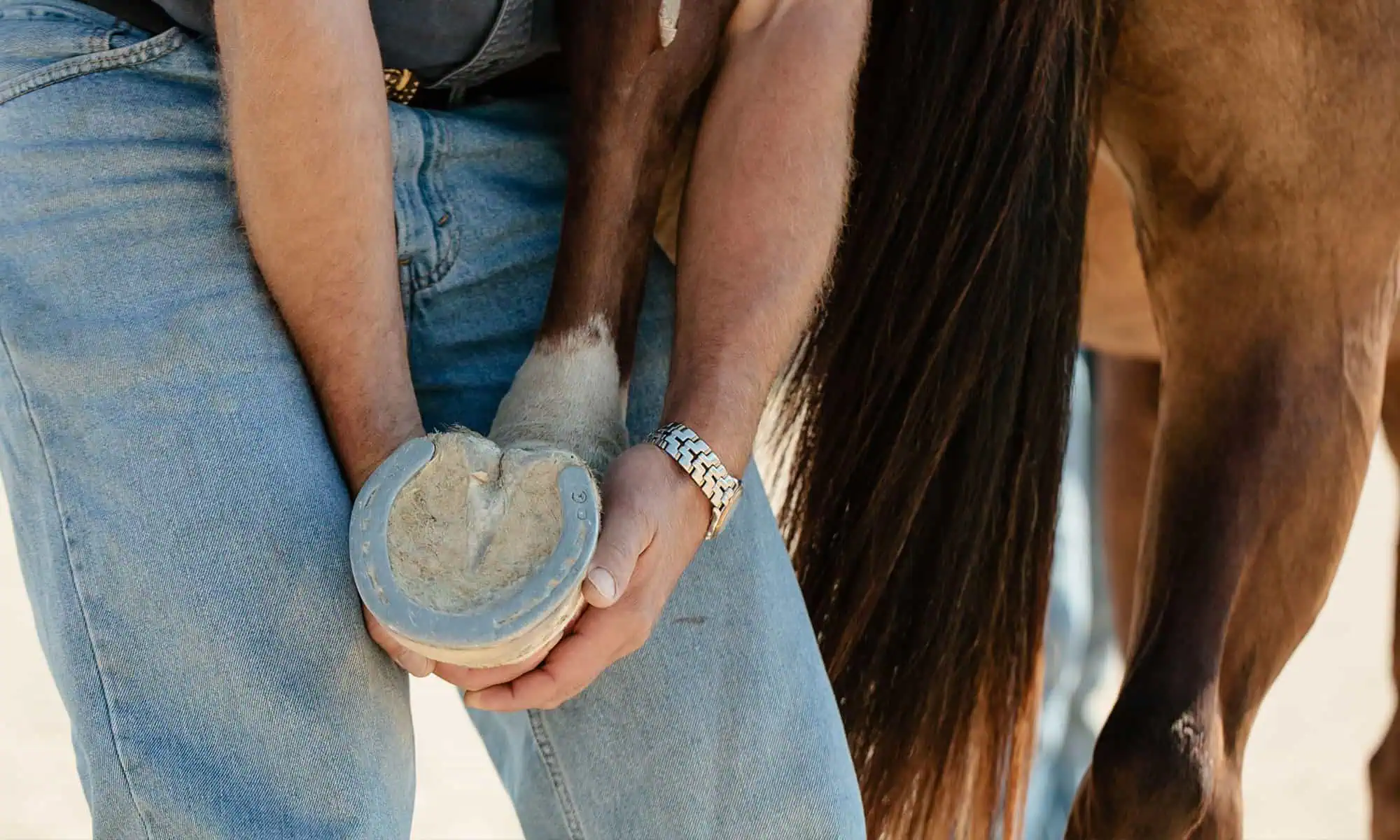
Credit: www.anokaequine.com
Key Takeaways
- Progressive equine services integrate traditional horsemanship with evidence-based veterinary and farriery techniques.
- Advanced hoof care focuses on prevention, early diagnosis, and individualized treatment.
- Collaboration between veterinarians, farriers, and nutritionists is essential for optimal equine health.
- Modern diagnostics and materials are transforming therapeutic hoof care.
- Real-world case studies illustrate the benefits of progressive approaches.
- Owners should select professionals with proven expertise, continuing education, and transparent communication.
The Modern Landscape Of Equine Services
Equine services have evolved beyond traditional veterinary and farriery roles to encompass a multidisciplinary approach. This section provides an overview of how modern equine care is structured and the roles of various professionals.
The Shift Toward Integrated Equine Care
Historically, equine care was segmented, with veterinarians handling medical needs and farriers focusing on hooves. Today, integrated care teams are the norm for high-performance and companion horses alike. This shift is driven by:
- Increased recognition of the connection between hoof health and overall wellness.
- The complexity of modern equestrian disciplines, which demand peak performance and injury prevention.
- Advances in diagnostics and treatment modalities that require specialized knowledge.
Integrated teams now include:
- Equine veterinarians with advanced certifications
- Certified farriers experienced in therapeutic shoeing
- Equine nutritionists who tailor diets to support hoof and musculoskeletal health
- Physical therapists specializing in equine rehabilitation
The Role Of Evidence-based Practice
Progressive equine services emphasize evidence-based practice, using the latest research to guide decisions. This includes:
- Utilizing peer-reviewed studies to inform treatment protocols
- Participating in ongoing professional development
- Leveraging technology for early detection of issues
According to the American Association of Equine Practitioners (AAEP), horses under integrated care experience fewer lameness episodes and have longer athletic careers than those receiving only basic maintenance.
Case Example: Integrated Care In Dressage Horses
A prominent dressage stable in Florida implemented a collaborative approach, involving monthly joint consultations between their vet, farrier, and trainer. Over two seasons, the stable reported a 40% reduction in hoof-related lameness and improved competition results. This real-world example highlights the measurable impact of progressive, team-based care.

Credit: progressivehoofcare.org
Innovations In Hoof Care
Modern hoof care is undergoing a revolution, with new materials, diagnostic methods, and treatment philosophies reshaping the field.
Advanced Materials And Tools
Traditional horseshoes were made from iron or steel. Today, farriers and veterinarians have access to:
- Composite shoes for shock absorption and weight reduction
- Glue-on shoes for horses with compromised hoof walls
- Flexible hoof boots for therapeutic and trail use
These innovations allow for tailored support and protection, especially for horses with chronic conditions.
Example: In my experience, switching an arthritic gelding to flexible composite shoes resulted in visibly improved movement and less post-exercise soreness within two weeks.
Diagnostic Imaging And Analytics
Progressive hoof care uses digital radiography (X-rays), thermal imaging, and pressure mapping to assess hoof balance, angles, and internal structures. These technologies enable:
- Early identification of laminitis, navicular disease, and other pathologies
- Customization of trimming and shoeing plans based on objective data
- Monitoring of treatment progress with quantifiable metrics
Pro Tip: Always ask your farrier and veterinarian if they use or collaborate with clinics that offer advanced imaging for complex cases.
Therapeutic Shoeing And Corrective Trimming
Therapeutic shoeing addresses specific issues such as:
- Laminitis support (e.g., heart-bar shoes)
- Navicular syndrome relief (e.g., egg-bar shoes)
- Angular limb deformities in foals
Corrective trimming, guided by radiographs and gait analysis, restores proper balance and function. This approach minimizes the risk of chronic lameness and maximizes comfort.
Data-driven Table: Traditional Vs. Progressive Hoof Care
| Aspect | Traditional Hoof Care | Progressive Hoof Care |
|---|---|---|
| Materials | Steel/Iron Shoes | Composite, Glue-on, Flexible Boots |
| Diagnostics | Visual Assessment | X-rays, Thermal, Pressure Mapping |
| Treatment | Standard Shoeing | Custom Therapeutic Solutions |
| Team Involvement | Farrier Only | Farrier, Vet, Nutritionist |
| Outcome Tracking | Observation | Quantitative Metrics |

Credit: www.americanfarriers.com
Preventative Strategies For Optimal Hoof Health
A cornerstone of progressive equine services is prevention. Proactive measures reduce the incidence of lameness and costly interventions.
Balanced Nutrition
Hoof quality is closely linked to diet. Essential nutrients include:
- Biotin: Shown to improve hoof hardness and growth (source: National Research Council)
- Zinc and copper: Crucial for keratin formation
- Amino acids: Building blocks for connective tissue
Equine nutritionists analyze forage and supplement as needed, minimizing the risk of deficiencies that lead to brittle or cracked hooves.
Environmental Management
The horse’s environment has a profound impact on hoof health. Key factors include:
- Moisture control: Excess wetness leads to soft, infected hooves; dryness causes cracks.
- Clean bedding: Reduces exposure to bacteria and ammonia, preventing thrush and white line disease.
- Regular turnout: Encourages natural hoof wear and blood flow.
Routine Hoof Care And Monitoring
Consistent hoof care routines include:
- Daily picking to remove debris and check for injuries.
- Trim/shoeing every 4-6 weeks to maintain balance.
- Immediate attention to heat, swelling, or lameness.
Early intervention is crucial. For example, a mild hoof bruise, if ignored, can progress to an abscess requiring weeks of rest.
Case Study: Preventing Laminitis In Ponies
A pony rescue in the UK adopted a strict regimen of diet control, regular trimming, and exercise. Over 12 months, the incidence of laminitis dropped by 70%, demonstrating the effectiveness of preventative strategies when consistently applied.
Therapeutic And Corrective Hoof Care Approaches
When problems arise, therapeutic and corrective hoof care restores comfort and function. This section details common conditions and intervention strategies.
Managing Laminitis
Laminitis, an inflammation of the laminae in the hoof, requires urgent action:
- Immediate veterinary assessment for pain management and diagnostics
- Corrective trimming to realign the coffin bone
- Therapeutic shoeing (heart-bar, wedge pads) to offload damaged structures
Long-term management includes diet control and regular monitoring. According to AAEP, horses receiving integrated care have a higher rate of recovery and return to work.
Addressing Navicular Syndrome
Navicular syndrome affects the navicular bone and associated soft tissues. Progressive treatments include:
- Egg-bar or wedge shoes to alter forces on the heel
- Shock-absorbing pads to reduce concussion
- Rehabilitation exercises to strengthen supporting muscles
Early diagnosis using digital imaging improves outcomes significantly.
Correcting Angular Limb Deformities In Foals
Foals with angular limb deformities benefit from:
- Frequent, incremental trimming to guide growth
- Specialized shoes or extensions for severe cases
- Nutritional optimization to support healthy bone development
Warning: Always consult a veterinarian or equine orthopedic specialist before attempting corrective trimming in foals.
Data Table: Common Conditions And Therapeutic Options
| Condition | Signs | Therapeutic Approach |
|---|---|---|
| Laminitis | Heat, lameness, bounding pulse | Corrective trimming, heart-bar shoes, pain management |
| Navicular Syndrome | Chronic heel pain, shortened stride | Egg-bar shoes, pads, physical therapy |
| White Line Disease | Separation at hoof wall, crumbly horn | Debridement, topical treatments, supportive shoeing |
| Thrush | Foul odor, black discharge | Hoof cleaning, antiseptics, dry bedding |
| Hoof Abscess | Sudden severe lameness, swelling | Drainage, poulticing, pain relief |
Selecting The Right Equine Professionals
Choosing qualified professionals is essential for effective, progressive hoof care. Here’s how to identify and collaborate with the best.
Credentials And Continuing Education
Look for professionals with:
- Formal certifications (e.g., American Farrier’s Association, International Hoof-Care Summit)
- Regular attendance at workshops and conferences
- Membership in reputable organizations (e.g., AAEP, American Farrier’s Association)
Ask potential farriers and veterinarians about their continuing education and familiarity with current research.
Communication And Collaboration
Effective professionals:
- Communicate openly about findings and recommendations
- Collaborate with other team members (vets, trainers, nutritionists)
- Provide written records of treatments and plans
Pro Tip: Request a sample treatment plan or report to assess a professional’s thoroughness and clarity.
Evaluating Track Record And Client References
Reputable practitioners will:
- Share case studies or references upon request
- Provide before-and-after images or data from previous cases
- Have a positive reputation in local or online equine communities
Research online reviews and ask for recommendations from other horse owners.
Example: Choosing A Farrier For A Sport Horse
A competitive eventing stable in California trialed three farriers before selecting one who provided digital gait analysis, referenced current research, and worked closely with their veterinarian. The result: improved performance and reduced time lost to injury.
Technologies And Tools Transforming Hoof Care
Emerging technologies are revolutionizing hoof diagnostics, treatment, and ongoing care.
Digital Radiography And 3d Imaging
Portable digital X-rays provide instant, detailed images of the hoof’s internal structures. This technology enables:
- Accurate diagnosis of fractures, abscesses, and conformational issues
- Precise planning for corrective trimming and shoeing
- Documentation for monitoring progress over time
3D printing is also being explored for custom orthotics and shoeing solutions, especially in research settings.
Pressure Mapping And Gait Analysis
Pressure-sensitive mats and wearable sensors offer quantitative data on:
- Weight distribution across the hoof during movement
- Asymmetries that may indicate pain or compensation
- Effectiveness of therapeutic interventions
This data supports evidence-based modifications to trimming and shoeing.
Mobile Apps And Digital Record-keeping
Modern equine apps allow owners and professionals to:
- Track hoof care schedules and treatments
- Share images and data among team members in real time
- Set alerts for follow-up appointments or medication
Cloud-based records enhance communication and continuity of care.
Comparison Table: Traditional Vs. Tech-enhanced Hoof Care Tools
| Tool/Technique | Traditional Approach | Modern/Tech Approach |
|---|---|---|
| Hoof Examination | Visual, manual palpation | Digital X-ray, thermal imaging |
| Gait Evaluation | Observation by eye | Pressure mapping, video analysis |
| Record Keeping | Paper logs | Cloud-based apps, photo documentation |
| Shoe Fabrication | Hand-forged steel | Composite, 3D-printed orthotics |
Real-world Examples Of Progressive Hoof Care In Action
Case studies bring to life the tangible benefits of progressive equine services.
Warmblood Show Jumper Rehabilitation
A top-level warmblood show jumper developed chronic heel pain diagnosed as early-stage navicular syndrome. By integrating:
- Digital radiography for diagnosis
- Egg-bar shoeing for support
- Physical therapy for muscle strengthening
- Nutritional adjustments to reduce inflammation
The horse returned to competition within six months and sustained soundness for two seasons.
Rescue Horse Hoof Restoration
A neglected draft mare arrived at a rescue with severe overgrowth and white line disease. The rescue’s team:
- Debrided infected tissue
- Applied composite glue-on shoes
- Implemented a biotin-rich diet
Within four months, the mare’s hooves showed significant regrowth, and she was able to participate in light trail riding.
Pro Tip: Document Your Own Success Stories
Keep a record of your horse’s hoof condition, treatments, and outcomes. This helps track progress, inform future decisions, and provides valuable data for your care team.
Cost, Value, And Return On Investment In Progressive Hoof Care
Investing in progressive equine services can have significant long-term benefits, both financially and in terms of horse welfare.
Upfront Vs. Long-term Costs
While advanced diagnostics and therapeutic shoeing may incur higher initial expenses, they often reduce long-term costs by:
- Preventing chronic lameness
- Minimizing lost training or competition time
- Avoiding expensive emergency treatments
A 2026 survey by the Equine Veterinary Journal found that owners who invested in integrated hoof care spent 25% less annually on major medical interventions compared to those who relied on traditional, reactive care.
Value Beyond The Bottom Line
The benefits of progressive hoof care extend to:
- Improved horse comfort and longevity
- Enhanced athletic performance
- Greater owner satisfaction and peace of mind
Owners report stronger bonds with their horses when proactive care leads to fewer health crises.
Example: Cost Comparison Table
| Service Type | Average Upfront Cost | Estimated Annual Savings (Fewer Emergencies, Lost Time) |
|---|---|---|
| Traditional Farriery | $60-100 per trim/shoe | N/A |
| Integrated Progressive Care | $120-300 per visit (includes diagnostics, team consults) | $500-1,500 |
| Therapeutic Shoeing | $200-500 per application | $1,000+ |
Note: Costs vary by region and horse needs; consult local professionals for specific pricing.
Value Of Education And Owner Involvement
Owners who educate themselves and actively participate in their horse’s hoof care see better outcomes. Attending clinics, reading reputable sources, and engaging with the care team fosters a culture of prevention and early intervention.
For further reading, see this overview by Wikipedia: Equine Hoof.
Frequently Asked Questions
What Are The Main Differences Between Traditional And Progressive Hoof Care?
Traditional hoof care typically involves routine trimming and shoeing using standard materials and methods, often performed by a farrier working independently. Progressive hoof care integrates the latest research, advanced diagnostics, and a team approach involving veterinarians, nutritionists, and other specialists.
This results in individualized treatment plans, early detection of problems, and a stronger emphasis on prevention.
How Often Should A Horse’s Hooves Be Trimmed Or Shod Under Progressive Care?
In progressive hoof care, the interval is tailored to each horse’s needs, but most horses benefit from trimming or shoeing every 4-6 weeks. Factors such as age, workload, hoof growth rate, and environment may alter the schedule. Regular reassessment using objective data (e.
g. , digital measurements) helps optimize timing and results.
What Qualifications Should I Look For In A Progressive Farrier Or Equine Service Provider?
Look for formal certifications from recognized organizations, evidence of ongoing continuing education, and membership in professional associations. Ask about experience with your horse’s breed or discipline, and request case studies or references. Progressive providers are open to collaboration and value transparent communication.
Are There Risks Associated With New Hoof Care Materials Or Technologies?
While modern materials and technologies are generally safe, improper application or lack of experience can lead to complications. Always ensure your team includes professionals trained in the use of advanced tools, and monitor your horse closely for any signs of discomfort or adverse reactions.
Discuss all options with your veterinarian before making changes.
How Can I Monitor My Horse’s Hoof Health Between Professional Visits?
Daily observation and cleaning are key. Look for changes in hoof shape, cracks, heat, odor, or lameness. Consider keeping a hoof diary with photos and notes. Mobile apps can help track appointments and flag issues for your care team. Early communication with your farrier or veterinarian is essential if concerns arise.
As the world of equine care continues to advance, owners and professionals alike have unprecedented resources to support the health and performance of their horses. By embracing progressive, evidence-based hoof care and fostering strong partnerships with skilled providers, you can ensure your horse enjoys a lifetime of comfort, soundness, and achievement.