
When you own or care for a horse, you quickly learn that their health depends on much more than feeding and exercise. One area often overlooked is the horse’s teeth. Unlike humans, horse teeth continue growing throughout their lives. If their teeth are not properly cared for, horses can suffer pain, lose weight, or even become dangerous to ride. Fixing horse teeth is not just about solving problems—it’s about preventing them. This guide will help you understand how to fix horse teeth, when to call a professional, and how to keep your horse comfortable and healthy for years.
Understanding Horse Teeth
Horses have a unique dental system. Adult horses usually have 36–44 teeth. Their teeth keep growing, and the chewing motion naturally grinds them down. However, because horses often eat softer food than in the wild, their teeth can develop sharp edges or uneven surfaces. These problems can cause pain, difficulty eating, and behavior changes.
Even though horses’ teeth are built to last for decades, their environment plays a huge role in dental health. Wild horses spend hours every day grazing on tough, fibrous grasses, which helps wear their teeth evenly. Domestic horses, on the other hand, often eat softer feeds and spend less time chewing.
This leads to uneven tooth wear and dental issues that rarely affect wild horses.
Types Of Horse Teeth
- Incisors: At the front, used for cutting grass. Horses have 12 incisors—six on the top, six on the bottom. These are the teeth you see when a horse grabs a mouthful of hay.
- Canines: Mostly in males, for defense. These are often called “tushes” and can be sharp. Not all horses have them, and they are more common in geldings and stallions.
- Premolars and molars: At the back, for grinding food. These are large, flat teeth that do most of the chewing. Horses have 12 premolars and 12 molars.
Each type of tooth plays a different role. Problems with any one type can affect how a horse eats and behaves.
Common Dental Problems
- Sharp edges: Can cut the cheeks or tongue, causing sores and infections. Horses may start avoiding hard food or chewing on one side.
- Hooks and ramps: Uneven wear creates points that can dig into the gums or roof of the mouth, making chewing painful.
- Wave mouth: The teeth form a wave pattern, making grinding food difficult. This often results from years of uneven wear.
- Step mouth: One tooth grows longer than others, preventing the jaw from moving smoothly.
- Missing teeth: Can affect chewing, leading to food packing into empty spaces and causing gum disease.
- Overgrown teeth: Can make eating difficult, especially if a tooth grows into an opposing gum.
Many of these issues are not visible unless the mouth is examined carefully. Often, horses adapt by changing how they chew, so the problem may go unnoticed for a long time.
Signs Your Horse Needs Dental Care
Recognizing dental problems early is important. Horses often hide pain, so owners must watch for subtle signs.
- Dropping food: Known as “quidding.” You may find wads of chewed hay or grass on the ground near the horse’s feeder.
- Bad breath: Signals infection or decay. A foul odor can mean there is a tooth abscess or rotting food trapped in the mouth.
- Weight loss: Despite normal feeding. If a horse cannot chew properly, it cannot get all the nutrition from its food.
- Head tossing: Especially when riding. This can be a sign of mouth pain from the bit pressing against sharp teeth.
- Excessive salivation: More than usual. Drooling can be a sign that chewing is painful or difficult.
- Swelling: Around the jaw or face. Swelling may indicate an abscess or other dental infection.
- Reluctance to accept the bit: Behavior change. The horse may toss its head, open its mouth, or refuse to move forward.
If you notice any of these signs, your horse may need dental attention. Some horses show only small changes in eating habits or attitude, so always be alert for anything unusual.
How To Fix Horse Teeth: Step-by-step
Fixing horse teeth is called floating. Floating means smoothing the sharp edges and correcting uneven surfaces. This is not a job for amateurs; it requires knowledge, experience, and proper tools. However, knowing the process will help you understand what happens during dental care.
Step 1: Preparation And Safety
Before floating, the horse is usually sedated. This makes the process safer for both horse and handler. A mouth speculum is used to keep the mouth open. Sedation helps prevent the horse from moving suddenly, which could cause injury to itself or the person working.
The area should be clean, quiet, and free from distractions.
Step 2: Examination
The dentist or veterinarian examines the mouth with a light. They check for:
- Sharp points
- Loose teeth
- Signs of infection
- Uneven surfaces
- Broken or fractured teeth
- Areas where food is stuck
Some dental professionals use mirrors or even small cameras to see far back in the mouth. They may also gently move the jaw to feel for abnormal motion or sounds.
Step 3: Floating
Using specialized rasps (manual or powered), the dentist smooths the sharp edges. They remove hooks, ramps, and correct any uneven wear. The process can take 30–60 minutes, depending on the horse.
Manual floats are hand tools, while power floats use electricity or batteries. The choice depends on the horse’s needs and the dentist’s preference. The goal is to create a smooth, even surface so the horse can chew comfortably.
Step 4: Final Check
After floating, the dentist checks the mouth again to ensure all problems have been fixed. Sometimes, dental issues need more than one session, especially if they are severe.
They may rinse the mouth to remove debris and ensure there are no sharp points left. If extractions or more advanced procedures are needed, the dentist will create a plan for follow-up care.
Step 5: Recovery
Most horses recover quickly after dental work. They may drool or show mild discomfort, but this usually passes within a day.
Some horses might eat slower for the first meal or avoid hard foods briefly. Always provide soft food and plenty of water right after dental work. Monitor your horse for any unusual behavior, and contact your vet if you notice ongoing problems.
Tools Used In Equine Dentistry
Proper tools are essential for safe and effective dental care. Here are the most common:
- Dental floats: Metal files for smoothing. These come in different shapes to reach all areas of the mouth.
- Power floats: Electric versions for faster work, especially useful for hard-to-reach or very uneven teeth.
- Speculum: Device to keep mouth open. Allows the dentist to see and work safely.
- Headlamp: Provides light for examination, crucial for seeing the back teeth.
- Dental picks: For cleaning and checking, especially useful for removing food stuck between teeth.
Each tool serves a specific purpose, and improper use can hurt the horse. Using the wrong tool or technique may cause pain, fractures, or damage to the gums.
Manual Vs Power Floating Tools
Here’s a comparison of manual and power floating tools:
| Tool Type | Speed | Precision | Comfort for Horse | Risk Level |
|---|---|---|---|---|
| Manual Float | Slower | High | Less noise | Lower |
| Power Float | Faster | Very high | Can vibrate | Higher (if misused) |
Manual floats are quieter but take more time. Power floats are efficient but require careful handling. Power tools can remove too much tooth if not used properly, and they generate heat, so regular cooling or breaks are needed to avoid hurting the horse.
Professional Vs Diy Horse Dental Care
Many horse owners wonder if they can fix their horse’s teeth themselves. While basic checks are possible, dental floating should be done by a qualified veterinarian or an equine dentist. Let’s look at the differences:
| Aspect | Professional Care | DIY Care |
|---|---|---|
| Safety | High | Low |
| Experience | Years of training | None or minimal |
| Equipment | Specialized tools | Basic tools |
| Risk of injury | Low | High |
| Results | Reliable | Unpredictable |
DIY dental care can lead to injuries, missed problems, and even death in rare cases. Professional care is always best. Even well-meaning owners can cause harm if they do not understand horse anatomy or use improper techniques.
How Often Should Horse Teeth Be Checked?
Routine dental care is the key to preventing bigger problems. Here are general guidelines:
- Young horses (2–5 years): Every 6 months. This is a period of rapid tooth growth and change.
- Adult horses (5–20 years): Once a year. Most horses do well with annual checks.
- Older horses (20+ years): Every 6 months, sometimes more often. Seniors may lose teeth or develop new problems quickly.
These intervals can change depending on the horse’s needs, diet, and history. Horses with a history of dental issues may need more frequent checks, while some may go longer between floats if their teeth stay healthy.
Common Mistakes In Horse Dental Care
Many owners make mistakes when it comes to horse dental health. Avoiding these will save your horse pain and keep your vet bills lower.
- Skipping regular checks: Dental problems build up quietly. By the time you notice, the issue may be serious.
- Assuming all horses are the same: Each horse has unique dental needs. Age, breed, and diet all affect tooth health.
- Ignoring subtle signs: Horses often hide pain. Watch for small changes in eating or attitude.
- Trying to float teeth without training: Causes injuries. Even simple mistakes can lead to broken teeth or infections.
- Not using sedation: Increases stress and risk. Sedation keeps the horse calm and safe.
- Over-floated teeth: Removing too much tooth can cause problems. Horses need enough surface to chew properly.
One insight many beginners miss is that even young horses can have serious dental issues. Another is that older horses may need more frequent checks due to missing teeth or slow chewing. Also, dental issues can affect more than eating—poor dental health can lead to colic or choke, both of which are medical emergencies.

Credit: vetmed.illinois.edu
Age And Dental Care Needs
This table shows how dental needs change with age:
| Age Group | Common Issues | Recommended Action |
|---|---|---|
| Foals (0–2 yrs) | Retained baby teeth | Check at weaning |
| Young (2–5 yrs) | Sharp points, changes | Float every 6 months |
| Adult (5–20 yrs) | Hooks, ramps | Annual floating |
| Senior (20+ yrs) | Missing teeth, slow chewing | Check every 6 months |
Foals should have their mouths checked for problems like retained “caps” (baby teeth that don’t fall out). For seniors, missing teeth can lead to uneven wear on the remaining teeth, so more frequent dental care is often needed.
Preventing Dental Problems
Prevention is always better than cure. Here’s how to keep your horse’s teeth healthy:
- Schedule regular dental checks: Don’t wait for problems.
- Feed roughage: Hay and grass help grind teeth naturally. Chewing fibrous food encourages even tooth wear.
- Watch for signs: Even small changes matter. Early detection saves money and pain.
- Use qualified professionals: Don’t risk DIY. Professionals can spot problems before they get serious.
- Check younger horses early: Problems start young. Early intervention can prevent lifelong issues.
Horses in the wild eat rough food that wears their teeth evenly. Domestic horses eat softer food, so dental care is more important. Adding a bit of chopped hay or allowing more grazing time can help replicate the natural chewing action.
Credit: midwestvetdental.com
What To Expect After Dental Work
After floating, most horses feel better quickly. Sometimes, they may:
- Show mild discomfort
- Drool more than usual
- Refuse hard food for a day
These effects usually pass within 24–48 hours. If your horse shows signs of pain or refuses to eat, contact your vet.
It’s a good idea to watch your horse’s eating and drinking closely for a few days after dental work. Some horses may need soft or soaked food for the first meal. If there is swelling, bleeding, or ongoing discomfort, a follow-up visit may be needed.
The Role Of Diet In Horse Dental Health
Diet affects how quickly horse teeth wear down. Horses fed soft pellets, grains, or processed foods may develop dental problems faster than those fed hay or grass.
- Hay and grass: Encourage natural grinding and even tooth wear.
- Pellets and grains: Less chewing, faster tooth growth. These feeds do not require as much chewing, so teeth may grow unevenly.
If possible, offer your horse roughage as the main food. This helps maintain healthy teeth and reduces the need for frequent floating. Mixing different types of hay or allowing access to pasture can improve both digestion and dental health.
Some owners also provide safe chewing toys or branches (like willow or apple wood) to encourage natural chewing. Always check with your vet before adding anything new to your horse’s diet.
Dental Care For Performance Horses
Performance horses—such as racehorses or show jumpers—have special needs. Their bits and bridles can cause extra pressure on the mouth. Dental problems can lead to poor performance, pain, and even dangerous behavior.
- Check performance horses more often. Dental pain can directly affect training and competition results.
- Ensure bits fit correctly and don’t cause sores. A poorly fitted bit can rub against sharp teeth or cause ulcers.
- Watch for subtle changes in behavior or eating. Even a slight drop in performance can signal a dental issue.
Ignoring dental health in performance horses can cost you time, money, and even your horse’s well-being. Many trainers schedule dental checks before major events to ensure their horses are comfortable.
When To Call A Vet Or Dentist
Always call a professional if you notice:
- Sudden weight loss
- Blood in the mouth
- Swelling or heat
- Severe behavior changes
- Difficulty eating
Dental emergencies are rare but can happen, such as a fractured tooth or severe infection. Quick action can save your horse from serious harm.
Infections in the mouth can spread quickly, leading to serious complications like sinus infections or even systemic illness. If in doubt, it’s always safer to call your vet.

Credit: www.smile-fx.com
Non-obvious Insights For Beginners
Many beginners believe dental care is only needed when a horse shows pain. In reality, most dental issues build up over months or years. By the time a horse shows symptoms, the problem is often severe.
Another insight: floating is not a one-time fix. Horses need regular dental care throughout their lives, even if they seem healthy.
Also, remember that dental problems can sometimes cause unexpected issues, like resistance to training, head shaking, or even recurring colic. Regular dental care supports not just eating, but the horse’s overall comfort and performance.
Costs And Finding A Good Equine Dentist
Dental care costs vary. Basic floating can cost $80–$250 per session in the US. Complicated cases can cost more. Look for professionals with:
- Veterinary training
- Experience with horses
- Good reviews from other owners
Ask your vet for recommendations, and never trust anyone without proper training. The cheapest option is rarely the best—poor dental work can lead to expensive and painful problems.
Some areas have certified equine dental technicians, but always check their credentials and ask about their experience.
Innovations In Horse Dental Care
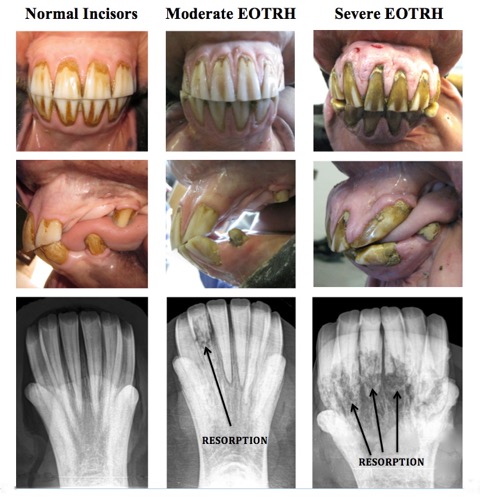
Modern tools and techniques have made dental care safer and more comfortable. Sedation, power floats, and digital records help professionals provide better care. Some vets now use x-rays to check for hidden problems.
Advanced imaging allows vets to see inside the teeth and jaw, finding issues that would otherwise go unnoticed. Digital charts help track changes over time, making it easier to spot patterns or new problems.
For more information about equine dental innovations, visit American Association of Equine Practitioners.
Frequently Asked Questions
How Do I Know If My Horse Has Dental Problems?
Watch for signs like dropping food, bad breath, weight loss, and reluctance to take the bit. Regular checks by a professional are the best way to catch problems early.
Is It Painful For Horses To Have Their Teeth Floated?
With proper sedation, floating is not painful. Horses may feel mild discomfort afterward, but this usually passes quickly. Never try to float teeth without sedation and training.
Can I Fix My Horse’s Teeth Myself?
No. Dental floating requires skill, training, and specialized tools. DIY attempts can cause serious injury. Always use a qualified veterinarian or equine dentist.
How Often Should My Horse’s Teeth Be Floated?
Most adult horses need floating once a year. Young and older horses may need checks every six months. Your vet can advise based on your horse’s age and health.
What Happens If Dental Problems Are Ignored?
Ignored dental problems can lead to pain, weight loss, infection, dangerous behavior, and even death. Regular dental care is essential for all horses.
Proper dental care is a key part of horse health. By understanding how to fix horse teeth, scheduling regular checks, and trusting professionals, you protect your horse’s comfort, performance, and happiness. Remember, prevention saves pain and money. If you care for a horse, make dental health a priority—not just a reaction to problems.
Your horse will thank you with better health and a brighter spirit.
1 thought on “How to Fix Horse Teeth: Expert Tips for Optimal Equine Health”