
Many people are surprised the first time they see a horse lying down. Horses are large, strong animals, and most of us imagine them always standing, ready to run. But if you spend enough time around horses, you’ll see them flat on their sides, sometimes sleeping so deeply that they don’t notice you coming near.
Is this normal? Is it safe? Why do horses lay down, and should you ever be worried when you find one in this position? Understanding this behavior can help horse owners, riders, and anyone who loves horses to better care for these amazing animals.
The Basics: Normal Reasons Horses Lay Down
It’s completely normal for horses to lie down from time to time. While they are famous for sleeping standing up, lying down serves important purposes for their health.
Rest And Deep Sleep
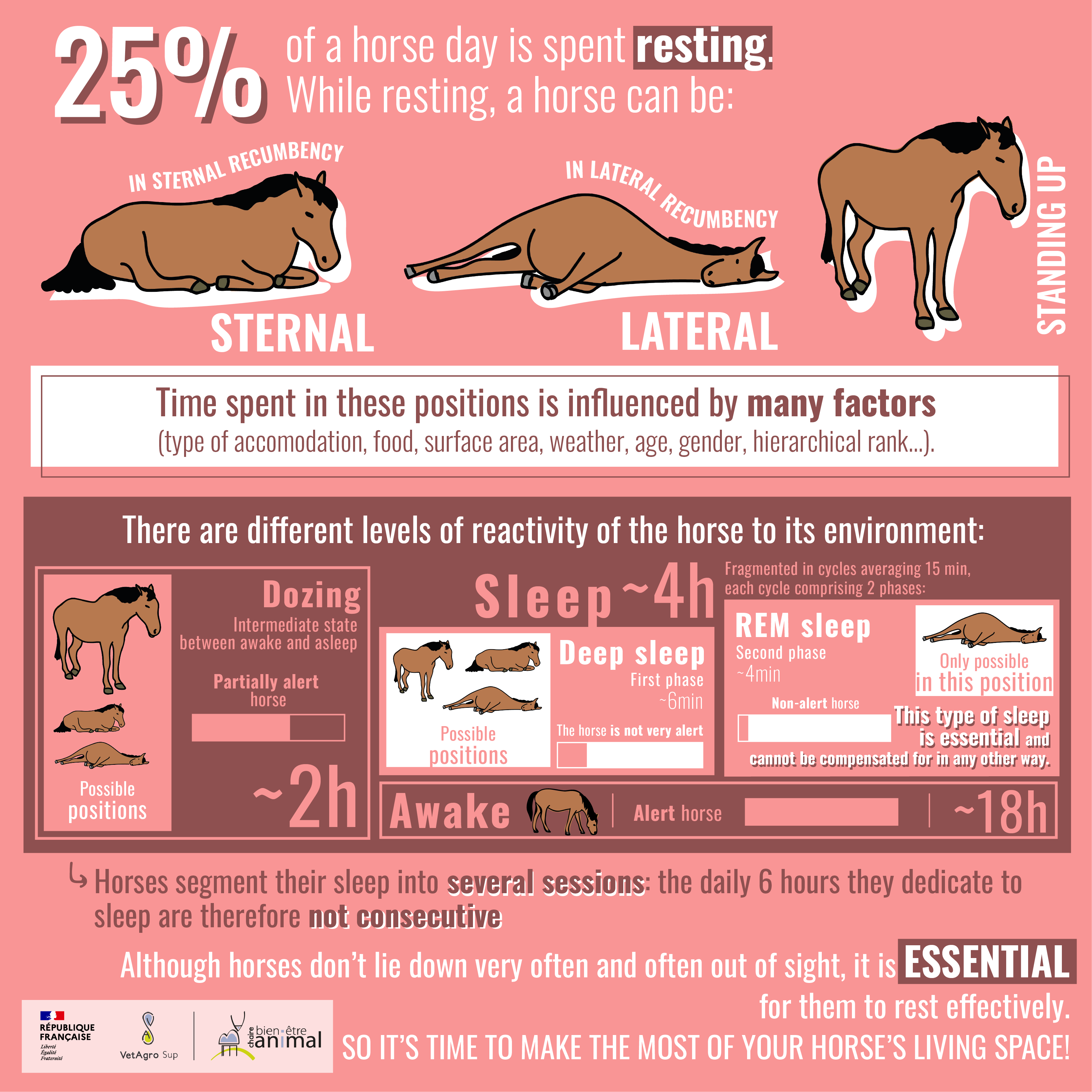
Horses can doze while standing because of a unique “stay apparatus” in their legs, which lets them lock their joints and rest without falling. But this standing sleep is light. For deep sleep, called REM (Rapid Eye Movement) sleep, horses need to lie down. REM sleep is vital for brain health and body repair, just as in humans. Most horses need at least 30 minutes to 2 hours of REM sleep every day. Without it, they become tired, less alert, and sometimes even stumble.
Comfort And Relaxation
Lying down isn’t just for sleep. Horses also lie down to relax, especially when they feel safe. In a peaceful pasture, you may see several horses lying close together, soaking up the sun. It’s a sign they trust their environment and companions.
This is more common in groups, where one or two horses stay standing to keep watch while others rest.
Age And Individual Differences
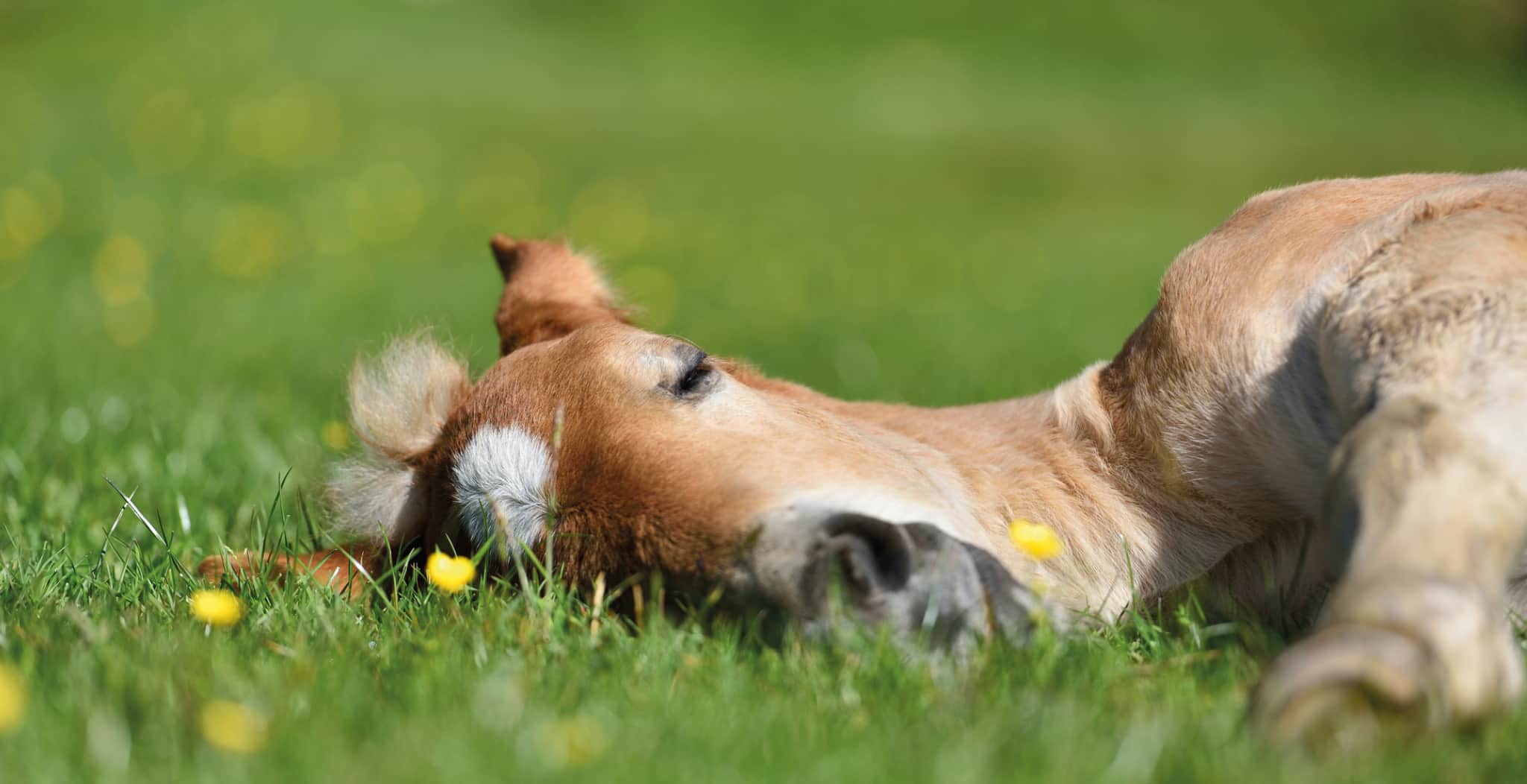
Foals (young horses) spend much more time lying down than adults. They may sleep up to half the day on their sides. Older horses, or those with joint pain, may lie down less often, or find it harder to get up. Some breeds and individuals also have their own habits — it’s not unusual for certain horses to enjoy a daily nap.
Horse Biology: Why Standing Isn’t Always Enough
Many people believe that horses never need to lie down, but this is not true. Their bodies are designed for both standing and lying rest, and both are important.
The Stay Apparatus
The stay apparatus is a system of tendons and ligaments in the horse’s legs. It lets them stand for long hours without much muscle effort. This adaptation evolved because, in the wild, horses needed to be ready to run from predators at any moment. It’s a great way to rest, but it only allows for light sleep.
Rem Sleep And Lying Down
Horses must lie flat (usually on their side) to reach REM sleep. During REM, the brain is very active, and the body’s muscles relax completely. Because a horse can’t lock its legs in this state, lying down is the only way to safely get this deep rest.
If a horse is deprived of REM sleep for several days, it may even collapse while standing.
Short Rest, Not Long Stretches
Horses rarely lie down for long periods. Most of their naps last just 15-30 minutes at a time. Lying down for hours can be dangerous, as their heavy bodies put pressure on organs and muscles, reducing blood flow.
Credit: www.streamz-global.com
Environmental Factors: What Encourages Horses To Lay Down
Horses need certain conditions to feel safe enough to rest on the ground.
Safety In Numbers
In the wild and in domestic herds, one or two horses usually remain standing and alert while others lie down. This “sentinel” system helps protect the group from danger. Horses kept alone may lie down less because they feel more vulnerable.
Weather And Comfort
Sunny, warm days often encourage horses to lie down and sunbathe. Soft ground, like deep bedding or grass, also helps. Mud, rocky surfaces, or cold, wet weather make lying down less comfortable. In stables, thick straw or shavings bedding gives horses a safe, soft spot to rest.
Human Influence
Horses kept in busy, noisy environments may avoid lying down because they don’t feel safe. Calm, quiet surroundings encourage more normal rest patterns. If a horse never lies down, it may be a sign of stress or discomfort in its environment.
When Lying Down Is A Warning Sign
While it’s normal for horses to lie down now and then, sometimes it can signal a problem.
Colic And Pain
Colic is a common digestive problem in horses. A horse with colic may lie down, roll, get up and down repeatedly, or seem restless. Unlike a horse simply resting, a colicky horse often appears anxious or in pain. Colic can be life-threatening, so if you see these signs, contact a vet immediately.
Illness Or Injury
Sick or injured horses may lie down more than usual. They might struggle to stand, seem weak, or lie for longer periods. Horses with muscle, nerve, or joint problems may find it hard to get up. Watch for other signs, like sweating, rapid breathing, or loss of appetite.
Exhaustion Or Sleep Deprivation
If a horse is often deprived of REM sleep — for example, because of stress, pain, or a poor environment — it can become dangerously tired. Some horses may collapse suddenly during the day. This is rare but serious, and needs a vet’s attention.
Dangerous Lying Down: Comparison Table
Here’s how normal lying down compares to warning signs you should watch for:
| Normal Lying Down | Warning Signs |
|---|---|
| Short naps (15-30 min) | Lying down for hours |
| Relaxed posture, easy breathing | Labored or fast breathing, sweating |
| Gets up easily when disturbed | Struggles or can’t get up |
| Lies down in a calm, safe place | Rolling, restless, anxious |
If you see warning signs, take them seriously and call a veterinarian.
How Often Do Horses Lay Down?
Most healthy adult horses spend only a small part of each day lying down.
- On average, horses lie down for 2-3 hours per day in total, usually in short periods.
- Foals may lie down much more, sometimes for half the day.
- Some horses rarely lie down if they do not feel safe or comfortable.
Lying Down Patterns: Group And Individual Differences
In herds, horses often take turns resting. Some prefer to lie down during certain times, such as late morning or early afternoon. Others may do so at night, especially in stables where they feel secure.
Risks Of Lying Down Too Long
While short naps are healthy, lying down for long periods can be risky for horses.
Pressure On Organs And Muscles
Horses are heavy animals, and their own weight can cause problems when lying flat. Blood flow to muscles and organs can be reduced, leading to pain or even damage. After a long time down, a horse may have trouble standing or may limp for a while.
Compartment Syndrome
If blood flow is restricted for too long, compartment syndrome can develop. This is a serious condition where pressure builds up in muscles, causing tissue damage. It’s rare but can happen if a horse is trapped or very sick.
Respiratory Issues
Lying flat for a long time can put pressure on a horse’s lungs, making breathing harder. This risk is higher for overweight or older horses.
Data Table: Risks Of Extended Lying Down
Here’s a look at how long is generally safe for a horse to lie down, and when problems may start:
| Time Lying Down | Risks |
|---|---|
| Less than 1 hour | Safe, normal rest |
| 1-3 hours | Usually safe, but monitor |
| Over 4 hours | Risk of muscle, organ, or nerve damage |
| Stuck for 6+ hours | High risk of serious health issues |
Tips For Healthy Horse Rest
Horse owners can do several things to help their horses rest safely and comfortably.
- Provide a safe environment: Horses need to feel secure to lie down. Keep their pasture or stable peaceful and free from sudden noises.
- Use soft bedding: In stables, deep bedding helps horses rest comfortably and reduces the risk of injuries when getting up or down.
- Allow herd contact: If possible, let horses live with friends. Horses in groups are more likely to lie down, as they rely on each other for security.
- Monitor health: Watch for changes in lying patterns. If a horse suddenly lies down more (or less) than usual, check for signs of illness or pain.
- Ensure enough space: In small stalls or crowded fields, horses may avoid lying down. Give them enough room to stretch out safely.
Non-obvious Insights
- Some horses “fake” sleep standing up: They may appear to nap but don’t get REM sleep. Over time, this can make them tired and cranky.
- Older horses might avoid lying down: Stiffness or arthritis can make getting up difficult, so these horses may miss out on deep sleep. Special bedding or gentle exercise can help.
How To Tell If A Lying Horse Is Okay
It’s natural to worry if you see a horse lying flat. Here’s what to look for:
- Relaxed breathing: A content horse breathes slowly and evenly.
- Ears and eyes: Calm, relaxed horses have soft eyes and ears that may twitch gently.
- No signs of pain: Resting horses don’t groan, roll violently, or keep getting up and down.
- Gets up easily: Healthy horses usually stand up quickly when approached.
If a horse is lying down but seems alert, responsive, and gets up when needed, it’s usually fine.
Credit: chaire-bea.vetagro-sup.fr
Myths And Misunderstandings
There are many misunderstandings about horses lying down. Let’s clear up a few:
- Myth: Horses never lie down.
Fact: All horses lie down sometimes, especially for deep sleep.
- Myth: A lying horse is always sick.
Fact: Most of the time, it’s normal. Only worry if there are other signs of distress.
- Myth: Horses can sleep standing up all the time.
Fact: They need to lie down for REM sleep.
Comparing Horses And Other Animals
It’s interesting to see how horses compare to other animals when it comes to rest.
| Animal | Can Sleep Standing? | Needs to Lie Down for REM? | Average Daily Sleep |
|---|---|---|---|
| Horse | Yes | Yes | 2-5 hours (short naps) |
| Cow | Yes | Yes | 4 hours |
| Dog | No | Yes | 12-14 hours |
| Human | No | Yes | 7-9 hours |
Horses are unique in that they can sleep both standing and lying down, but just like us, they need a quiet, safe place for deep rest.

Credit: www.streamz-global.com
What To Do If You Find A Horse Lying Down
If you discover a horse on the ground, take a moment to observe before reacting.
- Watch quietly: Check for normal breathing, relaxed posture, and signs of comfort.
- Approach calmly: Don’t startle the horse. Speak softly and let it know you’re there.
- Check for injury: Look for wounds, swelling, or signs of distress.
- Gently encourage standing: If the horse stays down too long, try to get it up. If it can’t stand or seems sick, call a veterinarian.
- Record patterns: If a horse starts lying down more than usual, keep a log to share with your vet.
When To Worry
Call for help if you see:
- Difficulty standing
- Rolling or thrashing
- Heavy sweating or rapid breathing
- Refusing food or water
- Lying flat for more than an hour without moving
Real-life Examples
- Sunny Pasture Nap: In a stable in Kentucky, a group of Thoroughbreds lies down together in the sun while a few stand watch. They get up quickly when approached, showing they’re healthy and confident.
- Colic Emergency: A horse in a riding school lies down, gets up, and rolls repeatedly, sweating and biting at its side. The owner calls the vet, who diagnoses colic and treats it promptly.
- Aging Horse Needs Help: A 25-year-old mare stops lying down because her joints hurt too much. With extra bedding and joint supplements, she begins to nap again and seems more rested.
Practical Tips For Horse Owners
- Observe daily: Spend time watching your horses, so you know what’s normal for each one.
- Make changes slowly: If you add a new horse to the group or change stabling, watch for changes in rest patterns.
- Keep bedding clean: Dirty, wet bedding discourages horses from lying down.
- Provide turnout: Horses with access to pasture are usually more relaxed and willing to lie down.
- Check for hazards: Remove sharp objects or obstacles from areas where horses rest.
Frequently Asked Questions
Why Do Horses Sleep Standing Up?
Horses have evolved to sleep standing up using a system called the stay apparatus. This lets them rest lightly and be ready to run from danger. However, for deep REM sleep, they must lie down.
How Can I Tell If My Horse Is Lying Down Too Much?
If your horse lies down for long periods, struggles to get up, or shows signs of pain or distress, it may be a problem. Healthy horses usually only nap on the ground for short times.
Is It Dangerous If My Horse Never Lies Down?
Yes, if a horse never lies down, it can miss out on REM sleep. Over time, this can cause tiredness, poor health, and even collapse. Check if the environment feels safe and comfortable, and consult a vet if you’re concerned.
Do Older Horses Need Special Care To Help Them Lie Down?
Older horses may avoid lying down due to stiffness or pain. Extra bedding, joint supplements, and gentle exercise can help. Always watch for signs of discomfort or trouble getting up.
Can Weather Affect How Much My Horse Lies Down?
Absolutely. Horses often lie down more in warm, sunny, and dry conditions. Wet, cold, or muddy environments make lying down less appealing. Make sure your horse has a comfortable, dry place to rest.
Horses are fascinating in the way they balance rest and alertness. Understanding why they lie down, and knowing what’s normal, helps you support their health and happiness. With careful observation and good care, you can ensure your horse gets the rest it needs, both standing and lying down. For more information about horse behavior, the Wikipedia page on horse behavior is a reliable resource.