
Canada is a country deeply linked with horses. From the open prairies to urban riding schools, horses have shaped Canadian culture, sport, and even the economy. But just how many people ride horses in Canada today? The answer is more complex than you might think.
This article explores the numbers, the trends, and what riding means to Canadians of all backgrounds. Whether you’re curious about the popularity of equestrian sports or want to understand the horse industry’s true size, you’ll find a full picture here.
The History Of Horse Riding In Canada
Horses arrived in Canada with European settlers in the 17th century. For centuries, they were essential for transportation, farming, and building the country. The famous Canadian Horse breed, known for strength and endurance, became a national symbol. By the 20th century, machines replaced horses on farms and in cities. Still, riding did not disappear. Instead, it shifted toward sport, leisure, and tradition.
Today, riding is enjoyed by people from all provinces, rural and urban areas alike. The history of horses in Canada explains why riding is not just a sport—it’s a part of everyday life for many. This connection helps explain why so many Canadians are still involved with horses, even in modern times.
Estimating The Number Of Horse Riders In Canada
Finding the exact number of horse riders is challenging. There is no single registry of everyone who rides. Instead, we must look at different sources: government statistics, equestrian organizations, sports associations, industry reports, and surveys. Each source gives a piece of the puzzle.
National Surveys And Reports
The Canadian Equestrian Industry Profile Study (last published in 2010 by Equine Canada) estimated that there were about 963,500 people involved with horses in Canada. This figure included owners, riders, coaches, breeders, and volunteers.
However, not all these people are active riders. Some care for horses or are involved in other ways. The study suggested that about 454,000 people identified as regular riders, using horses for recreation, sport, or work. More recent updates are rare, but most experts believe the numbers have remained stable or declined only slightly.
Provincial Data
Each province has its own horse culture. For example, Alberta and Saskatchewan have the highest number of horses and active riders per capita. In contrast, provinces like Quebec and Ontario have large populations and many clubs, but a lower percentage of riders.
Here’s an overview of the estimated rider population by province, based on government and industry sources:
| Province | Estimated Horse Riders | Population (Millions) |
|---|---|---|
| Ontario | ~125,000 | 15.6 |
| Quebec | ~95,000 | 8.8 |
| Alberta | ~85,000 | 4.7 |
| British Columbia | ~60,000 | 5.4 |
| Saskatchewan | ~32,000 | 1.2 |
| Other Provinces/Territories | ~57,000 | 8.2 |
These are estimates, but they show that horse riding is popular across all of Canada.
Equestrian Canada Membership
Equestrian Canada is the main governing body for equestrian sport. It manages over 80,000 annual members, including competitive and recreational riders. However, not every rider is a member. Many riders, especially those who ride for leisure or on farms, are not registered with any official organization.
Riding Schools And Lessons
Another way to estimate is by looking at riding schools. Canada has about 1,200 riding schools (as of 2022) offering lessons to children and adults. If each school teaches 100 riders a year, that’s 120,000 people. Some schools have hundreds of students, especially in larger cities.
Trail Riders And Recreational Use
Trail riding is one of the most popular ways Canadians interact with horses. Parks, ranches, and tourism operators report thousands of annual trail riders. These include both locals and tourists. Many Canadians also ride horses on private farms or rural land, often without formal lessons or club membership.
Summary Table: Sources And Rider Estimates
To help clarify, here’s a summary of main data sources and what they estimate:
| Source | Estimated Riders | Notes |
|---|---|---|
| Industry Study (2010) | ~454,000 | All regular riders |
| Equestrian Canada | ~80,000 | Registered members |
| Riding Schools | ~120,000 | Annual students |
| Trail Riding & Tourism | ~30,000 | Annual trail riders |
The best estimate is that between 400,000 and 500,000 people regularly ride horses in Canada. This makes horse riding more popular than many other sports.

Credit: ohioline.osu.edu
Who Rides Horses In Canada?
Understanding the numbers is only part of the story. Who are these riders? Horseback riding in Canada is highly diverse, cutting across age, gender, location, and background.
Age Groups
Riders range from young children to seniors. Many start with pony rides or lessons as early as age 5. The most active group is usually girls and women aged 10–35, especially in English riding disciplines like jumping and dressage. However, Western riding, trail, and ranch work attract all ages, including many adults and seniors.
Gender
Horse riding is one of the few sports where women outnumber men. Estimates suggest that over 75% of riders in Canada are female. This is especially true in riding schools and competitive disciplines. Men are more common in ranching, rodeo, and Western traditions, but the overall trend is clear.
Urban Vs. Rural
Riding is popular in both rural and urban areas. In rural Canada, horses are part of daily life for many families. In cities, people ride at commercial stables, public riding schools, or take lessons. Urban riders often travel outside the city for trail riding or competitions.
Socioeconomic Background
Horseback riding can be expensive, especially for those who own their own horse. Costs include boarding, feed, veterinary care, equipment, and lessons. However, many people ride without owning a horse, using lesson horses or rental stables. This makes riding more accessible than many assume, though challenges remain for lower-income Canadians.
Cultural Diversity
Canada’s Indigenous peoples have a long history with horses, especially in Western provinces. Today, many Indigenous youth programs use horses for healing and cultural connection. Immigrants and newcomers are also discovering riding, with some organizations focused on making horses more accessible to all.
Types Of Horse Riding In Canada
Not all riding is the same. Canadians enjoy many styles, each with its own traditions and equipment.
English Riding
English riding includes disciplines like show jumping, dressage, eventing, and hunter classes. This style is common in competitions and riding schools, especially in Ontario and Quebec. Riders use a smaller saddle and reins, focusing on control and precision.
Western Riding
Western riding has roots in ranch work and cowboy traditions. It includes reining, barrel racing, cutting, and rodeo events. Western riding is especially popular in Alberta, Saskatchewan, and British Columbia. The saddle is larger, and the style is more relaxed.
Trail Riding
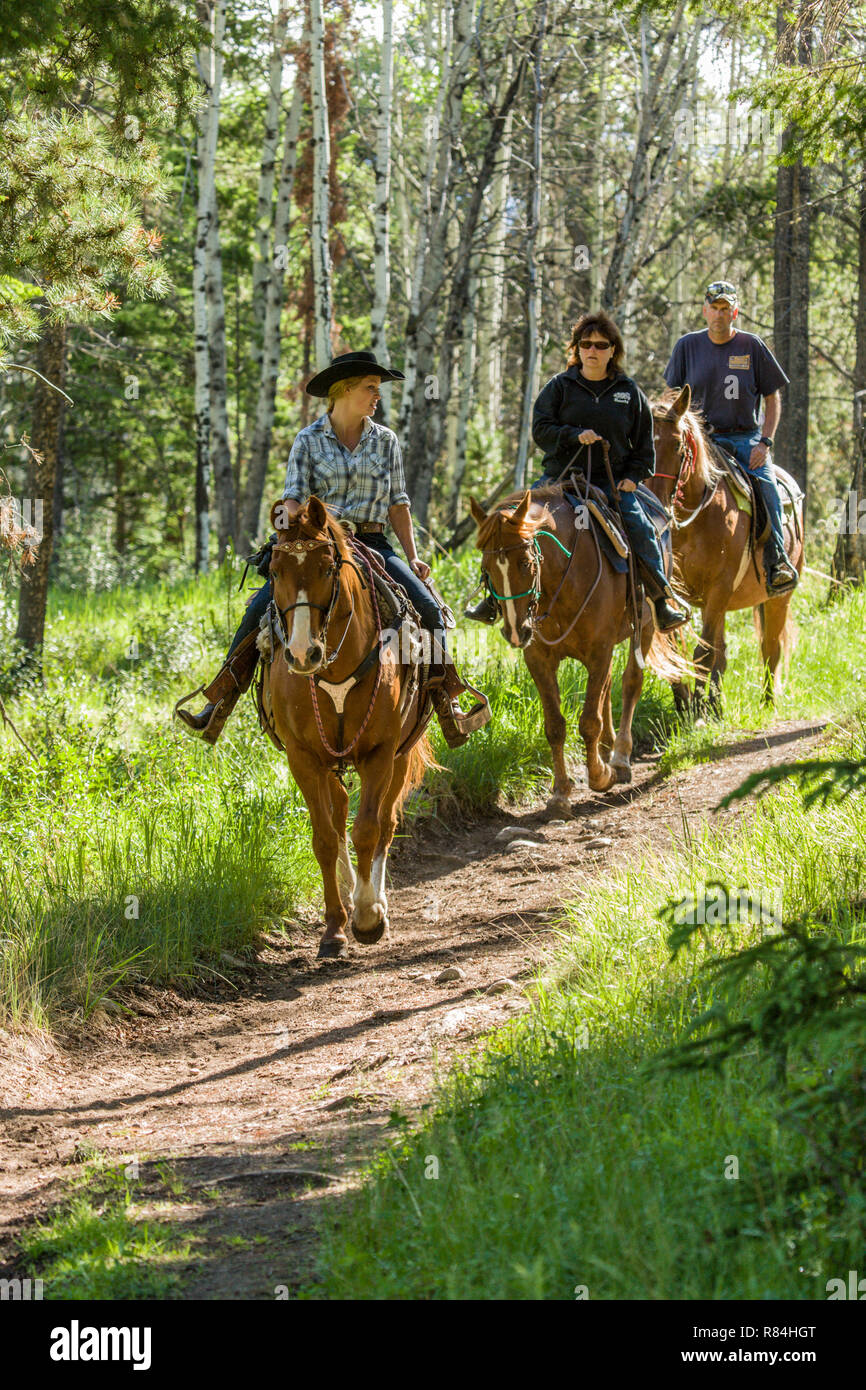
Trail riding is about enjoying nature. Canadians ride in forests, mountains, and along beaches. Trail riding is popular in every province, attracting both beginners and experienced riders.
Other Disciplines
Some riders enjoy endurance riding, vaulting (gymnastics on horseback), driving (horse-drawn carriages), or therapeutic riding for people with disabilities. Racing, especially Standardbred and Thoroughbred, also attracts many participants and fans.
Credit: www.alamy.com
The Economic And Social Impact Of Horse Riding
Horse riding is not just a hobby—it’s a large part of Canada’s economy and society.
Economic Impact
The horse industry in Canada is worth over $20 billion per year, according to industry studies. This includes breeding, training, competitions, tourism, and horse care. Riding schools, tack shops, veterinarians, farriers (horse shoers), and transport companies all depend on the horse sector.
Job Creation
Tens of thousands of Canadians work in jobs connected to horses. This includes trainers, stable hands, event organizers, feed suppliers, and more. Many of these jobs are in rural communities.
Tourism
Horseback riding is a key part of tourism, especially in the Rocky Mountains, national parks, and ranches. Many tourists come to Canada to experience riding in beautiful landscapes. Trail rides, cattle drives, and ranch vacations are popular attractions.
Community And Wellbeing
Riding brings people together. Many small towns have riding clubs or host rodeos and fairs. Therapeutic riding centers help people with physical or mental challenges. For many, horses offer friendship, responsibility, and a deep connection with animals.
How Canadians Access Horse Riding
Not everyone owns a horse, but there are many ways to get involved.
Riding Schools And Lesson Programs
Most beginners start at a riding school. These offer group or private lessons, usually with trained instructors and gentle horses. Some schools focus on competition, others on recreation.
Leasing Or Part-boarding
Many riders lease a horse or arrange part-boarding. This means sharing the cost and care of a horse with its owner. It’s a good way to ride regularly without the expense of full ownership.
Trail Rides And Rentals
Tourism operators and ranches offer guided trail rides for people with no experience. These are popular for families and visitors.
Horse Ownership
Owning a horse is a big commitment. It requires access to land, stabling, and significant time and money. Still, about 150,000 Canadians own one or more horses.
Clubs And Associations
Joining a riding club or association connects people with others who share their interests. Many clubs organize local shows, trail rides, or clinics.
Trends In Horse Riding Participation
Horse riding is changing. Here are some of the main trends shaping the future:
1. Aging Rider Population
Many horse owners and riders are getting older. Younger people face barriers like cost, time, and city living. Some clubs are working to attract youth with new programs.
2. Urbanization
As more Canadians live in cities, they have less access to horses. Riding schools near cities are adapting, but land and costs are challenges.
3. Rising Costs
Horse keeping is expensive. Feed, land, and vet care prices are rising. Some families are choosing less costly activities for their children.
4. Growth Of Therapeutic And Recreational Riding
Therapeutic riding (for people with disabilities) and recreational trail riding are growing. These programs reach people who might not have tried horses otherwise.
5. Technology And Social Media
Young riders use social media to share their experiences and learn about horses. Online communities help people connect and find opportunities.
6. Focus On Welfare
There’s a growing emphasis on horse welfare and responsible care. Riders are more aware of animal health, safety, and ethical treatment.
Horse Riding Vs. Other Popular Sports In Canada
How does horseback riding compare to other sports in Canada? Here’s a quick look at participant numbers:
| Sport | Estimated Regular Participants |
|---|---|
| Ice Hockey | ~500,000 |
| Horse Riding | ~450,000 |
| Soccer | ~850,000 |
| Figure Skating | ~350,000 |
| Golf | ~1.3 million |
Horse riding is more popular than some people realize—especially compared to more “mainstream” sports.
Common Challenges For Horse Riders
While riding is rewarding, it’s not always easy. Here are some of the main challenges:
- Cost: Expenses for lessons, equipment, and care are high.
- Access: Urban riders may need to travel far to find stables.
- Weather: Canada’s winters can make riding difficult, except at indoor arenas.
- Time Commitment: Horses require daily care, which is hard for busy people.
- Safety: Riding has risks, and injuries do happen.
Riders often find creative ways to overcome these barriers—like sharing horses, volunteering at stables, or joining group programs.
The Role Of Horses In Canadian Culture
Horses have a special place in Canada’s heart. They are part of history, art, and even the national identity. The Royal Canadian Mounted Police (RCMP) are famous for their horses. Many communities celebrate with rodeo, parades, and horse fairs.
Horses appear in Canadian literature, film, and television. For example, the popular TV show Heartland (set in Alberta) has inspired many to try riding. Horses are also important to Indigenous cultures, symbolizing strength and freedom.
Environmental And Ethical Considerations
Modern horse riding faces questions about sustainability and animal welfare.
Land Use
Horses need land for grazing and riding. As cities grow, farmland and open spaces shrink. Some stables have closed because of real estate pressure. Protecting trails and green spaces is important for the future of riding.
Horse Welfare
Responsible riders focus on good care, proper training, and ethical treatment. Canadian law protects horses from cruelty, but not all horses receive equal care. Animal welfare groups encourage education for all owners and riders.
Eco-friendly Practices
Many stables are adopting greener practices, like composting manure, using solar power, and protecting waterways. Trail riding groups often volunteer to clean and maintain natural areas.
How To Start Horse Riding In Canada
If you’re interested in joining the world of Canadian horse riding, here’s how you can start:
- Find a Local Riding School: Look for accredited schools with qualified instructors. Most welcome beginners of all ages.
- Book a Lesson or Trail Ride: Try a group lesson or guided trail ride to see if you enjoy it.
- Learn Horse Safety: Basic safety is essential. Listen to your instructor and wear a helmet.
- Consider Leasing: If you want more time with horses, ask about leasing or part-boarding.
- Explore Clubs and Events: Many communities have riding clubs, shows, and social events.
- Volunteer: Many stables welcome volunteers to help with horse care in exchange for riding time.
- Stay Informed: Read books, watch videos, and join online forums to keep learning.
Non-obvious Insights For Beginners
- You Don’t Need to Own a Horse: Many people believe horse riding is only for owners. In reality, leasing, part-boarding, or riding school horses are the most common ways to participate.
- Skill Progression Is Not Linear: Beginners often expect to improve steadily. Progress can be slow and sometimes frustrating. Every rider has “plateaus,” but patience and regular practice lead to breakthroughs.
The Future Of Horse Riding In Canada
Horse riding in Canada faces both challenges and opportunities. The number of riders may not be growing rapidly, but the sport is adapting. New programs aim to reach youth, newcomers, and people with disabilities. There’s a focus on affordability, accessibility, and inclusion.
With Canada’s vast spaces and strong horse culture, riding is likely to remain a key part of the country’s lifestyle. The industry is also working to ensure that horses are cared for ethically and that riding is safe and welcoming for all.
For those who love horses, the future is bright—though it may look different from the past.
Frequently Asked Questions
How Many People Ride Horses In Canada?
About 450,000 people ride horses regularly in Canada. This includes riders of all ages and experience levels, from children in riding schools to adults on farms and ranches. The number comes from industry studies, riding organizations, and government reports.
Is Horse Riding More Popular In Some Provinces?
Yes, horse riding is especially popular in Alberta, Saskatchewan, and rural Ontario. These provinces have more land, ranches, and a strong tradition of horseback activities. However, riding is common across all provinces, including in urban areas.
How Much Does It Cost To Start Riding Horses In Canada?
The cost depends on how you get involved. Riding lessons can cost $40–$80 per session, while leasing a horse might be $200–$400 per month. Owning a horse is more expensive, with total costs (including board, feed, and care) often reaching $5,000–$10,000 or more per year.
Are There Programs For People Who Can’t Afford A Horse?
Yes, many riding schools offer lesson programs where you don’t need to own a horse. Some clubs and charities have scholarships or low-cost options for youth and newcomers. Volunteering at stables is another way to get involved with horses at a lower cost.
Where Can I Find More Information About Horse Riding In Canada?
You can visit the official website of Equestrian Canada for resources, school listings, and up-to-date news about equestrian activities across the country.
Horse riding in Canada is a tradition, a sport, and a way of life for hundreds of thousands. Whether you’re a beginner or a lifelong horse lover, there’s a place for you in this community—one that values connection to animals, land, and each other.

Credit: www.workaway.info