
Learning how to say horse in Spanish opens up a world of communication, culture, and connection. Whether you’re traveling, studying, or simply curious, knowing this word helps you understand stories, songs, and even everyday conversations. Horses play a major role in Spanish-speaking cultures, from traditional fiestas to famous literature. But the Spanish language is rich, with different words and expressions that can mean “horse” depending on the context. Let’s explore these, and see how a simple word can carry history, emotion, and practical use.
The Main Spanish Word For Horse
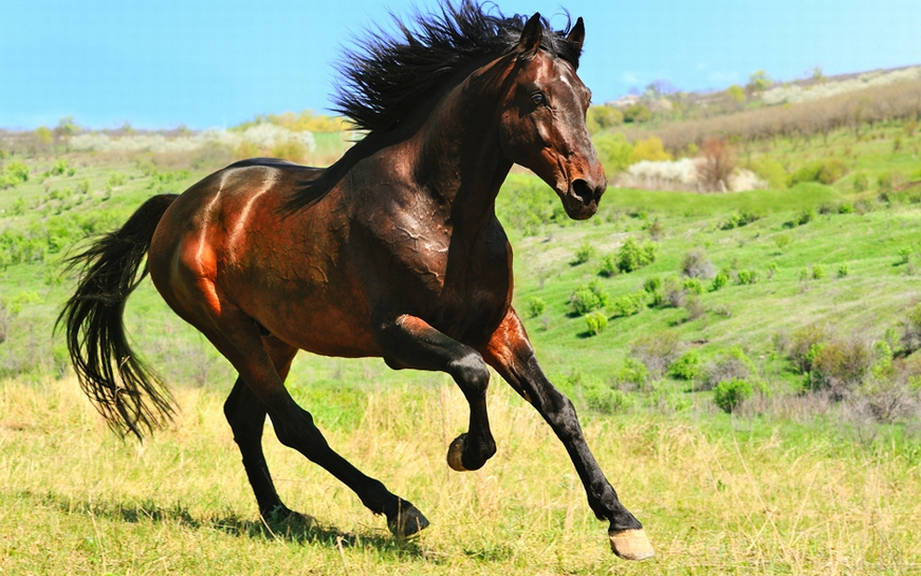
The most common translation for horse in Spanish is caballo. This noun is used in almost every situation where you refer to the animal itself. If you walk through the countryside in Spain or Latin America, you might hear someone say, “Mira el caballo”—which means, “Look at the horse.”
Pronunciation And Usage
The word caballo is pronounced as [kah-BAH-yoh]. The double “ll” sounds like a “y” in most Spanish dialects. In some regions, especially Argentina and Uruguay, the “ll” is pronounced like a soft “sh” sound.
You can use caballo in sentences such as:
- “Tengo un caballo negro.” (“I have a black horse.”)
- “El caballo corre rápido.” (“The horse runs fast.”)
Gender And Plural Forms
Spanish nouns have gender. Caballo is masculine, so you say el caballo for “the horse.” The plural is caballos:
- “Los caballos están en el campo.” (“The horses are in the field.”)
For a female horse, the word changes to yegua. This distinction is important if you want to be specific:
- “La yegua es fuerte.” (“The mare is strong.”)
Regional Variations And Synonyms
Spanish is spoken in more than 20 countries. While caballo is universal, local slang and expressions exist.
Common Alternatives
- Yegua – Used for a female horse (mare).
- Potros – Refers to young horses (foals or colts).
- Jaca – An old term, mostly in Spain, meaning a small horse or pony.
- Penco – Used in Argentina for an old, tired horse.
Comparing Horse Terms Across Countries
Here is a comparison of the main terms for “horse” in various Spanish-speaking regions:
| Country | Main Word | Common Alternatives |
|---|---|---|
| Spain | Caballo | Jaca, Yegua, Potro |
| Mexico | Caballo | Potros, Yegua |
| Argentina | Caballo | Penco, Potro |
| Colombia | Caballo | Yegua, Potro |
| Chile | Caballo | Potros, Yegua |
Common Expressions With Horse In Spanish
The word caballo appears often in Spanish idioms and expressions. These phrases show how horses are woven into daily life and culture.
Popular Sayings
- A caballo regalado no se le mira el diente.
- Literal: “Don’t look at a gift horse’s teeth.”
- Meaning: Be grateful for gifts, don’t be picky.
- Montar a caballo
- To ride a horse.
- Caballo de batalla
- Literal: “War horse.”
- Meaning: A main argument or core topic.
- Caballo loco
- Crazy horse; used to describe someone wild or unpredictable.
Cultural Insights
Many Spanish-speaking countries use horses in festivals, sports, and daily work. For example, in Mexico, charros (horsemen) are central to national identity. In Spain, horses are part of the famous Feria de Abril and Andalusian traditions.
Spanish Grammar Tips: Using Horse Correctly
Knowing the word is not enough; using it correctly in sentences is key.
Definite And Indefinite Articles
- El caballo – The horse (specific)
- Un caballo – A horse (any)
Adjectives And Agreement
Spanish adjectives change to match the noun in gender and number:
- “Un caballo grande” (A big horse)
- “Dos caballos blancos” (Two white horses)
- “La yegua hermosa” (The beautiful mare)
Talking About Horse Activities
You’ll often hear caballo used with verbs like:
- Montar (to ride)
- Cuidar (to care for)
- Alimentar (to feed)
Examples:
- “Me gusta montar a caballo.” (“I like to ride horses.”)
- “Ellos cuidan a los caballos.” (“They take care of the horses.”)
Horse In Spanish Literature And History
Horses are more than animals in Spanish culture—they are heroes, symbols, and legends.
Famous Literary Examples
- Don Quixote’s horse is named Rocinante. This name means a worn-out horse, but also carries honor and pride.
- In Latin American poetry, the horse is often a symbol of freedom and power.
Historical Importance
Spanish explorers brought horses to the Americas in the 16th century. This changed life for indigenous people, who quickly learned to ride and care for horses. Today, horses are part of rural life, festivals, and sports.
Horse-related Professions And Vocabulary
If you want to talk about horse-related jobs or activities in Spanish, here are key terms:
- Jinete – Rider or horseman
- Herrero – Farrier (someone who shoes horses)
- Entrenador de caballos – Horse trainer
- Veterinario equino – Equine veterinarian
Example Sentences
- “El jinete monta el caballo en la competencia.” (“The rider mounts the horse in the competition.”)
- “El herrero cuida las herraduras del caballo.” (“The farrier takes care of the horse’s horseshoes.”)
Differences Between Horse And Related Animal Terms In Spanish
Spanish has unique words for different types of horses and related animals. This is important for clarity, especially in farming, sports, or storytelling.
| English Term | Spanish Term | Notes |
|---|---|---|
| Horse | Caballo | Male, general term |
| Mare | Yegua | Female adult horse |
| Foal | Potro/Potra | Young horse (male/female) |
| Pony | Pony/Jaca | Small horse; “jaca” is old-fashioned |
| Donkey | Burro | Not a horse, but often confused |
| Mule | Mula | Hybrid of horse and donkey |
Learning How To Use ‘caballo’ In Conversation
It’s not just about knowing the translation. You need to practice using caballo in real situations. This helps you sound natural and confident.
Sample Dialogues
Let’s look at a simple conversation:
- Juan: “¿Tienes un caballo?”
- Marta: “Sí, tengo dos caballos y una yegua. ¿Te gusta montar?”
- Juan: “Me encanta montar a caballo en el campo.”
Translation:
- Juan: “Do you have a horse?”
- Marta: “Yes, I have two horses and a mare. Do you like to ride?”
- Juan: “I love riding horses in the countryside.”
Practical Tips
- Listen to native speakers. Pay attention to how they use caballo and related words.
- Practice making sentences. Try describing a horse you’ve seen or tell a story.
- Ask about local expressions. Some regions use unique terms, so learning them helps you connect.

Credit: www.youtube.com
Horse-related Activities And Sports In Spanish-speaking Countries
Horses are central to many sports and activities in the Spanish world.
Popular Horse Sports
- Equitación – Equestrian sports
- Charrería – Mexican rodeo
- Cabalgata – Group horseback riding (often in festivals)
- Polo – Played in Argentina, Spain, and other countries
Famous Events
- In Spain, the Feria de Abril features parades with decorated horses.
- In Argentina, polo is a national sport, and horses are prized.
- In Mexico, charrería showcases skilled riders and horsemen.
Using Horse In Spanish For Travel And Tourism
If you travel to a Spanish-speaking country, knowing how to say and use caballo is practical.
Useful Phrases For Travelers
- “¿Dónde puedo montar a caballo?” (“Where can I ride a horse?”)
- “Quiero reservar un paseo a caballo.” (“I want to book a horseback ride.”)
- “¿Cuánto cuesta la excursión a caballo?” (“How much is the horse tour?”)
Safety And Etiquette
When riding or caring for horses in Spanish-speaking countries:
- Always ask permission before touching a horse: “¿Puedo tocar el caballo?”
- Follow local rules and advice for safety.

Credit: www.wikihow.com
Advanced Usage: Metaphors And Symbolism
Spanish uses caballo in many metaphorical ways. These can be poetic or used in daily conversation.
Symbolic Meanings
- Caballo as a symbol of freedom, strength, and nobility.
- In politics, caballo de batalla is a main argument or policy.
- In art and music, horses represent adventure and romance.
Non-obvious Insights
Many beginners miss that caballo can appear in contexts that aren’t about animals. For example, in chess, the knight is called caballo. So “caballo” also means “knight” in the chessboard:
- “El caballo mueve en forma de L.” (“The knight moves in an L shape.”)
Another subtle point: In Spanish card games, the caballo card represents a mounted figure, not always a real horse.
Comparing ‘horse’ In Spanish To Other Romance Languages
Learning Spanish often leads to comparisons with other languages like French, Italian, and Portuguese. The word for horse is similar, but not identical.
| Language | Word for Horse | Pronunciation Guide |
|---|---|---|
| Spanish | Caballo | [kah-BAH-yoh] |
| French | Cheval | [shuh-VAL] |
| Italian | Cavallo | [kah-VAH-loh] |
| Portuguese | Cavalo | [kah-VAH-loo] |
This similarity comes from Latin roots. If you speak one Romance language, learning the others is easier.
Credit: www.ouinolanguages.com
Misconceptions And Common Mistakes
When learning Spanish, people often make mistakes with caballo and its related words.
Mistakes Beginners Make
- Using caballo for a female horse instead of yegua.
- Confusing caballo with burro (donkey) or mula (mule).
- Pronouncing the “ll” incorrectly; sometimes saying “caballo” as “kaballo” instead of “kah-BAH-yoh.”
- Forgetting to match adjectives in gender and number.
How To Avoid Errors
- Always check the gender: Caballo (male), yegua (female).
- Practice pronunciation with audio tools.
- Listen to how locals use the words in context.
Horse In Spanish Art, Music, And Pop Culture
Horses are celebrated in Spanish music, movies, and art.
Famous Songs And Movies
- The song “El Caballo Blanco” is popular in Mexico, telling the story of a legendary white horse.
- In flamenco, horses often appear in dance and lyrics.
Artistic Depictions
- Picasso’s Guernica features a horse as a symbol of suffering and chaos.
- Spanish films like “El Caballo del Mago” showcase the magic and mystery of horses.
Learning Resources For ‘caballo’ And Spanish Animal Vocabulary
If you want to go further, there are resources that help you master caballo and other animal words.
Recommended Tools
- Language apps: Duolingo, Babbel, and Memrise offer vocabulary practice.
- Spanish dictionaries: Look for animal sections.
- YouTube channels: Search for “Spanish vocabulary animals” for pronunciation and usage.
External Reference
For a deeper look at horses in Spanish culture and language, visit the Wikipedia page on Horses in Spanish culture.
Frequently Asked Questions
What Is The Correct Way To Say Horse In Spanish?
The most common and correct word is caballo. For a female horse, use yegua.
How Do You Pronounce ‘caballo’?
Pronounce it as [kah-BAH-yoh]. The “ll” sounds like a “y” in most regions.
Are There Other Words For Horse In Spanish?
Yes, depending on the context. Potros means young horses, jaca is an old term for pony, and penco can mean an old, tired horse.
How Is ‘caballo’ Used In Expressions?
It appears in idioms like “A caballo regalado no se le mira el diente” and in phrases for riding or caring for horses.
Can ‘caballo’ Mean Something Besides The Animal?
Yes. In chess, caballo means “knight.” In card games, it’s a mounted figure. Sometimes it’s used in metaphors and poetry.
Spanish is a language of color, history, and culture. Learning how to say horse—and use it well—connects you to people, stories, and traditions across the world. Whether you want to travel, read, or simply chat, knowing words like caballo is a step toward fluency and understanding.