Have you ever wondered how horses get the protein they need to stay strong and healthy? Protein is essential for your horse’s muscles, coat, and overall energy.
But unlike humans, horses can’t just eat a steak or a protein shake. So, how exactly do they get their protein? Understanding this can help you make smarter choices for your horse’s diet and wellbeing. Keep reading to discover the simple secrets behind your horse’s protein intake and how you can support their health every day.
Protein Needs For Horses
Horses need protein for many body functions. Protein helps build muscles, repair tissues, and keep the immune system strong. Knowing the right amount of protein for your horse is important. Different horses need different amounts based on age, work, and health.
Feeding the right protein helps horses grow well and stay healthy. Too little protein can cause problems. Too much protein can also create waste and stress the kidneys. Careful balance is key for good horse nutrition.
Role Of Protein In Growth
Protein helps young horses grow strong bones and muscles. It supports cell repair and new tissue formation. Pregnant and nursing mares also need more protein. Protein helps keep their foals healthy and growing fast.
Daily Protein Requirements
Daily protein needs vary by horse type. A light-work horse needs less protein than a racehorse. Growing foals and pregnant mares need the most protein. Quality sources like alfalfa hay, soybean meal, and grains provide good protein.
Signs Of Protein Deficiency
Protein deficiency shows in many ways. Poor growth in young horses is one sign. Thin coat, weak muscles, and slow healing are others. Horses may seem tired or lose weight. Watch for these signs to adjust their diet quickly.
Natural Protein Sources
Horses need protein to build muscles, repair tissues, and stay healthy. Natural protein sources come from plants. These sources are easy for horses to digest and provide essential nutrients. Understanding natural protein helps in choosing the right feed.
Forages And Grasses
Forages and grasses make up most of a horse’s diet. They contain moderate protein levels. Fresh grass is high in protein during spring and early summer. As grass grows older, protein levels drop. Horses get protein by chewing and digesting these plants slowly. Good quality forage supports strong muscles and good health.
Legumes And Alfalfa
Legumes like alfalfa have more protein than regular grasses. Alfalfa is rich in essential amino acids. It is a favorite among horse owners. Feeding alfalfa boosts protein intake naturally. It also provides calcium and energy. Horses enjoy the taste of legumes, making feeding easier.
Pasture Grazing Benefits
Pasture grazing offers fresh, natural protein all day. It encourages natural eating habits and movement. Grazing improves digestion and nutrient absorption. Horses choose a mix of plants, balancing protein intake. Access to pasture reduces the need for extra supplements. It keeps horses happy and healthy.
Concentrate Feeds
Concentrate feeds are an important source of protein for horses. They contain more nutrients than regular forage like grass or hay. These feeds help meet horses’ higher protein needs. Especially for active, growing, or working horses, concentrates provide essential nutrients.
Concentrate feeds come in different forms. They vary in protein levels and energy content. Choosing the right concentrate helps keep horses healthy and strong.
Grain-based Proteins
Grains like oats, barley, and corn offer protein and energy. Oats are easier to digest and have moderate protein. Barley and corn provide more energy but less protein. These grains supply amino acids, which build muscle and repair tissue.
Grain-based proteins often lack some essential amino acids. So, they work best when combined with other protein sources.
Commercial Horse Feeds
Commercial feeds mix grains with added vitamins and minerals. They balance protein and energy for different horse needs. These feeds often include soybean meal or alfalfa, rich in protein. They save time and reduce guesswork in feeding.
Labels show protein percentage and ingredients. This helps owners pick feeds suited to their horse’s activity level and health.
Balancing Energy And Protein
Protein and energy must match a horse’s workload and growth. Too much protein wastes money and can harm kidneys. Too little energy slows protein use and weakens muscles.
Good feeding plans combine forage and concentrates. This balance supports muscle building and keeps horses fit. Regular monitoring helps adjust feed for changing needs.

Credit: thehorse.com
Supplements And Additives
Supplements and additives can help horses get the protein they need. These products offer extra protein beyond what regular feed provides. They support muscle growth, repair, and overall health. Choosing the right supplement depends on the horse’s age, activity level, and diet. Understanding options and risks helps keep horses safe and healthy.
Protein Supplements Options
Common protein supplements include soybean meal, alfalfa pellets, and linseed meal. These are rich in essential amino acids. Commercial protein powders and pellets are also popular choices. They mix easily with regular feed. Some supplements come with added vitamins and minerals. This supports overall nutrition along with protein intake.
When To Use Supplements
Use supplements for horses with high energy demands. Performance horses and growing foals often need extra protein. Horses recovering from illness or injury can benefit too. Supplements help when forage or grain lacks enough protein. Always check your horse’s current diet before adding supplements.
Risks Of Over-supplementing
Too much protein can harm a horse’s health. It may cause kidney stress and digestive issues. Over-supplementing wastes money and can create imbalances. Watch for signs like weight gain or loose stools. Consult a vet to find the right protein amount. Balance is key for safe supplementation.
Feeding Strategies For Growth
Feeding strategies for growth play a key role in helping horses build strong muscles and stay healthy. Protein is essential for their development, especially during early life and training. Proper nutrition supports bone strength, muscle repair, and overall energy.
Adjusting the diet based on the horse’s age and activity level ensures the right amount of protein. Regular monitoring helps catch any issues before they become serious. This balanced approach promotes steady growth and peak performance.
Feeding Young Horses
Young horses need more protein for muscle and bone growth. Their diet should include high-quality forage and protein-rich feeds. Protein from alfalfa or specially made pellets works well. Small, frequent meals help with digestion and nutrient absorption. Avoid sudden diet changes to prevent stomach problems.
Adjusting Diet For Performance
Active horses require more protein to repair muscles after work. Increase protein in their diet during training or competition periods. Use balanced feeds with amino acids to support muscle recovery. Monitor energy levels and adjust feed types to meet their needs. Proper hydration aids protein use in the body.
Monitoring Weight And Muscle
Track your horse’s weight regularly to ensure healthy growth. Check muscle tone and body condition for signs of proper nutrition. Use a weight tape or scale for accuracy. If weight or muscle is low, increase protein and calories. Consult a vet or nutritionist for personalized advice.
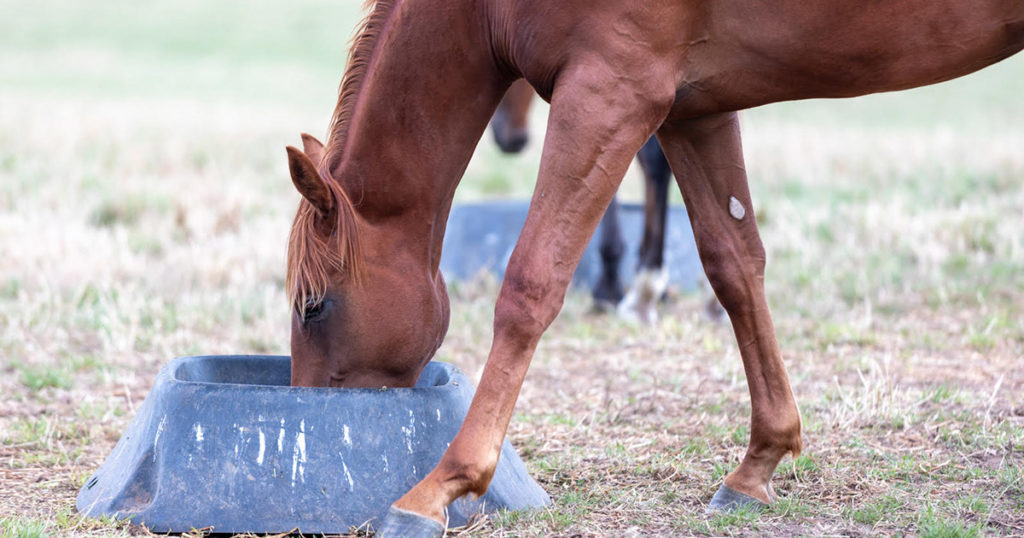
Credit: optimequine.com
Common Protein Myths
Many myths exist about how horses get protein. These myths can confuse horse owners. Knowing the facts helps in feeding horses right. Protein is vital, but not all ideas about it are true.
High Protein Equals Faster Growth?
Some believe giving horses too much protein makes them grow faster. This is not true. Excess protein does not speed up growth. Horses need balanced nutrition for healthy development. Too much protein can stress their bodies. Feeding the right amount is better than overfeeding.
Plant Vs. Animal Protein
People often wonder if horses need animal protein. Horses are herbivores. They get all protein from plants. Grasses, hay, and legumes provide enough protein. Animal protein is not necessary or natural for horses. Plant protein is easier for horses to digest and use.
Protein And Kidney Health
There is a myth that high protein harms horse kidneys. Research shows normal protein levels do not damage kidneys. Problems happen only with extreme protein amounts. Healthy horses process protein well. Balanced diets support kidney health and overall wellness.

Credit: thehorse.com
Frequently Asked Questions
How Do Horses Naturally Obtain Protein?
Horses get protein mainly through their diet. They consume grasses, legumes, and hay rich in protein. These plant sources provide essential amino acids needed for muscle repair and growth.
What Are The Best Protein Sources For Horses?
Good protein sources include alfalfa, clover, soybean meal, and commercial horse feeds. These contain balanced amino acids, supporting healthy muscle and tissue development.
How Much Protein Do Horses Need Daily?
Protein needs vary by age, activity, and health. On average, adult horses require 10-14% protein in their diet for maintenance and performance.
Can Horses Get Protein From Grains?
Yes, grains like oats and barley provide some protein. However, they are primarily energy sources and should be balanced with forage for adequate protein.
Conclusion
Horses get protein mainly from their food. Good sources include hay, grass, and grains. Protein helps build strong muscles and keeps horses healthy. Owners should provide balanced meals to meet protein needs. Watching your horse’s diet helps avoid health problems.
Always choose quality feed for the best results. Proper protein intake supports energy and overall well-being. Feeding right makes horses happy and active. Simple care leads to strong, healthy horses every day.