
Yes, horses can help many people manage attention-deficit/hyperactivity disorder symptoms when equine-assisted activities are used as part of a broader treatment plan. Riding and horse care require sustained focus, physical movement, and calm emotional regulation, which can complement—but never replace—standard ADHD care such as medication, behavioral therapy, and educational support. The right program depends on the person’s age, symptom severity, and whether they need riding instruction, groundwork, or therapy led by a licensed professional.
Key Takeaways

- Equine-assisted activities may improve focus, impulse control, and emotional regulation for some people with ADHD.
- Horseback riding and stable work provide physical movement, routine, and immediate sensory feedback.
- Therapeutic riding and equine-assisted psychotherapy are different services; choose based on whether you need skill-building or mental-health treatment.
- Always keep current ADHD treatment in place and consult a qualified clinician before starting anything new.
- Costs, safety requirements, and provider credentials vary widely, so research programs carefully before enrolling.
How Horses May Help With ADHD
Equine-assisted activities engage multiple senses at once. The rhythm of a horse’s walk, the feel of a grooming brush, and the responsibility of preparing tack all demand present-moment attention. For a person with ADHD, that multisensory input can make it easier to stay on task than in a traditional classroom or office setting.
Horses also respond quickly to human body language and emotion. If a rider is anxious, distracted, or overly energetic, the horse may react by tensing up or refusing to move. That immediate, nonverbal feedback can help someone with ADHD notice their own internal state and adjust it in real time. Over time, this may support better self-awareness and emotional regulation.
Caring for a horse builds predictable routines. Feeding, mucking stalls, and tacking up happen on a schedule, which can strengthen executive-function skills such as sequencing and follow-through. Completing these tasks also produces visible results, which can improve confidence and motivation.
Types of Equine-Assisted Programs
Not every horse program is the same, and the label matters when you’re looking for ADHD support.
- Therapeutic riding: Adapted horseback riding lessons taught by certified instructors, often with volunteers assisting. The focus is on riding skills, balance, coordination, and confidence.
- Hippotherapy: Physical, occupational, or speech therapy that uses the horse’s movement as a treatment tool, delivered by a licensed therapist.
- Equine-assisted psychotherapy (EAP): Ground-based or mounted sessions led by a licensed mental-health professional working with an equine specialist. The focus is emotional regulation, relationships, and behavior.
- Equine-assisted learning: Skill-building activities with horses that target life skills such as communication, leadership, and problem-solving, usually without a licensed therapist.
- Recreational riding and stable volunteering: Regular horse care and riding without a formal therapeutic structure, which can still provide routine and physical activity.
Benefits for Focus, Mood, and Behavior
Potential benefits reported by participants and clinicians include:
- Improved attention during structured, hands-on tasks
- Better impulse control through learning to give clear, calm cues to the horse
- Reduced anxiety and stress from time outdoors and animal interaction
- Increased self-esteem after mastering riding or horse-care skills
- Stronger social skills when working in a group lesson or stable environment
- More consistent sleep and energy levels from regular physical activity
These outcomes aren’t guaranteed. Research on equine-assisted interventions for ADHD is still developing, and results vary by individual, program quality, and how consistently someone participates.
What the Research Says
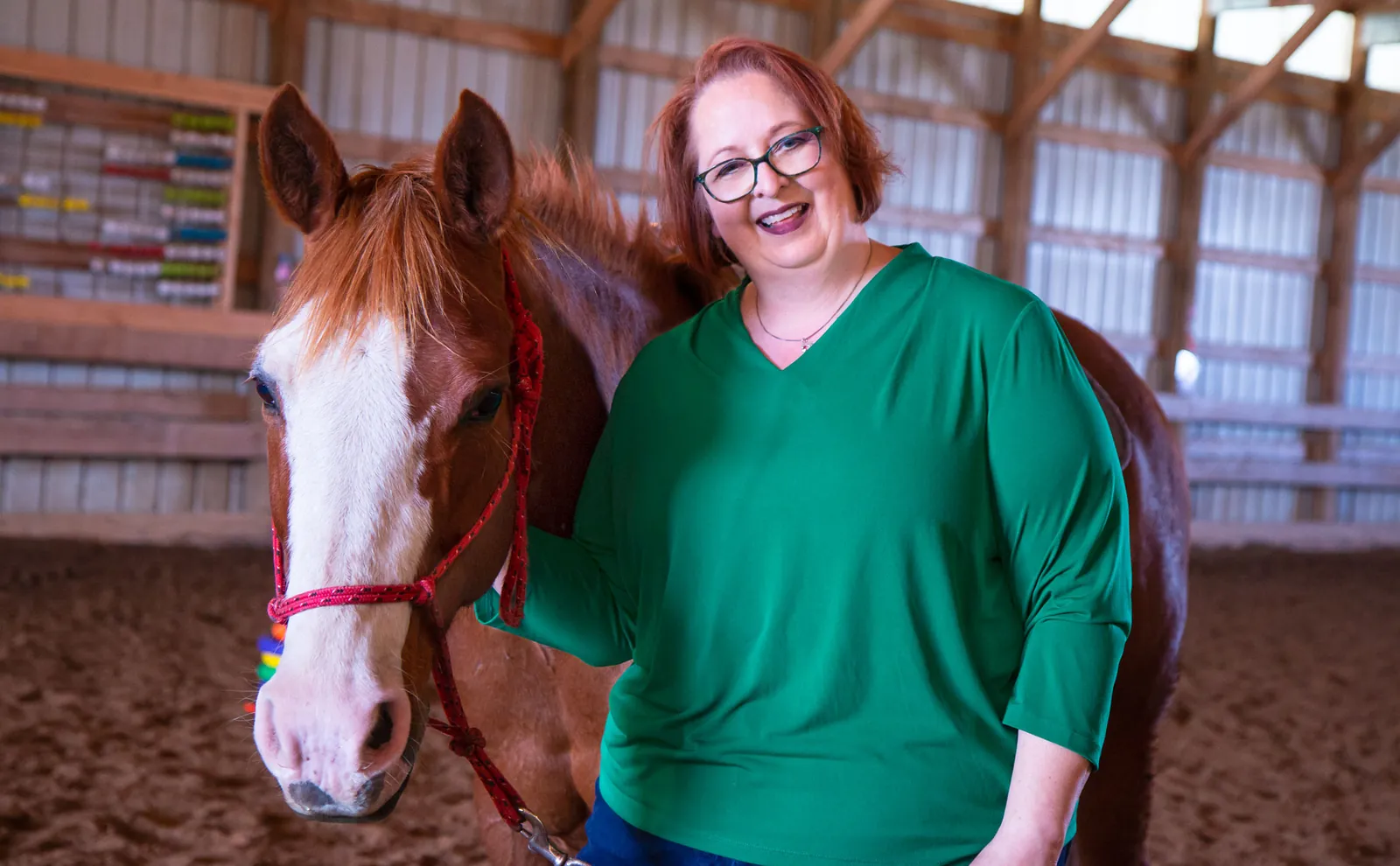
Studies on horses and ADHD are generally small, and many rely on parent or teacher reports rather than objective measures. Some findings suggest improvements in attention, social functioning, and hyperactivity after several weeks of therapeutic riding, while other reviews conclude that higher-quality trials are needed before firm conclusions can be drawn.
Because the evidence base is limited, equine-assisted activities should be viewed as a complementary option rather than a standalone treatment. The Centers for Disease Control and Prevention notes that ADHD is commonly managed with behavior therapy, medication, school accommodations, and parent training; horse programs don’t replace any of those elements.
Choosing the Right Program
Ask these questions before signing up:
- Is the instructor certified by a recognized body such as PATH International or a comparable national organization?
- For psychotherapy, is the leader a licensed mental-health professional?
- Does the program have experience working with participants who have ADHD or similar neurodevelopmental conditions?
- What safety measures are in place, including helmets, supervised mounting, and horse temperament screening?
- Can you observe a session or take a trial lesson before committing?
- What is the total cost per session, and are there scholarships or insurance options?
Visit the stable in person. Watch how staff interact with participants and horses, and note whether the environment feels calm and organized or chaotic and overwhelming.
Costs and Time Commitment
Expect a range of prices depending on the service type and region. Therapeutic riding lessons often run between $40 and $90 per session, while equine-assisted psychotherapy can cost significantly more because a licensed therapist is involved. Some programs offer financial aid, sliding-scale fees, or coverage through certain insurance plans or state waiver programs, but you should confirm this directly.
Time commitments usually involve weekly or biweekly sessions lasting 30 to 60 minutes, plus travel time to the facility. Stable volunteering may require a set number of hours per month. Consistency matters more than intensity; a regular short session is often more sustainable than an occasional long one.
Safety First
Horses are large, powerful animals, and riding always carries some risk of falls or injuries. Every rider should wear an ASTM/SEI-certified equestrian helmet and proper footwear. Programs should match participants with horses suited to their size, experience, and behavior, and volunteers or side-walkers should be available when needed.
People with ADHD may be more impulsive around animals, so clear rules and close supervision are essential. If a participant has a history of seizures, balance problems, or other medical concerns, a clinician should be consulted before mounting a horse. Ground-based programs may be a safer starting point for some individuals.
Combining Horses With Standard ADHD Care
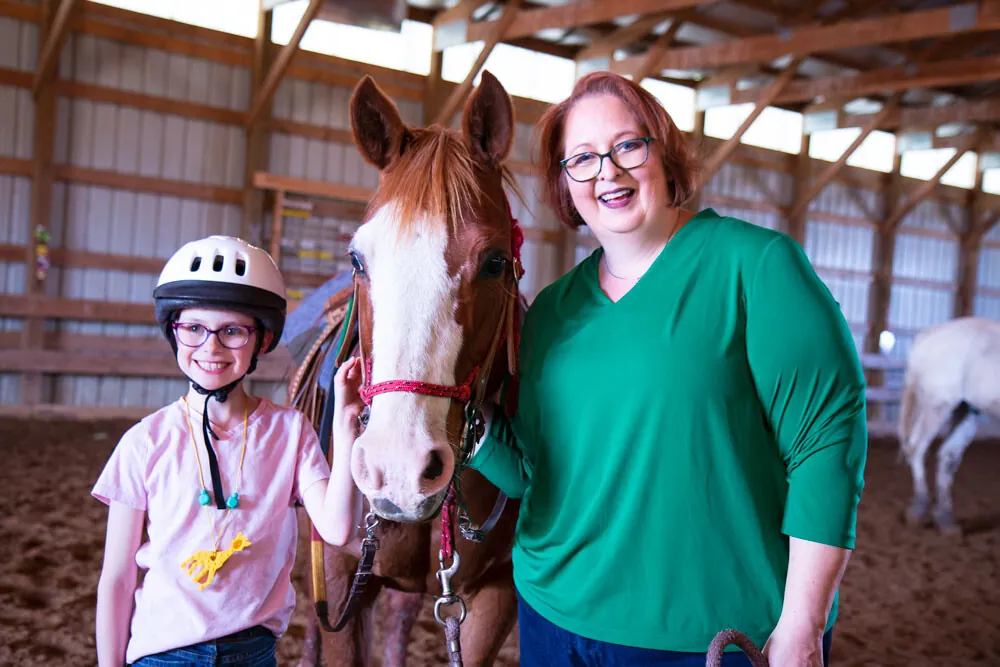
Equine-assisted activities work best as one part of a comprehensive plan. Continue any prescribed medication, therapy sessions, and school or workplace accommodations. Think of time with horses as a supplement that may make it easier to practice focus, patience, and self-regulation in other settings.
Tell your clinician or therapist that you’re exploring equine support. They can help you track whether symptoms such as inattention, impulsivity, or emotional outbursts are improving, and they can advise if the program should be adjusted or paused.
Frequently Asked Questions
Can horseback riding cure ADHD?
No. There’s no cure for ADHD, and riding can’t replace evidence-based treatments such as medication or behavioral therapy. It may help some people manage symptoms when used alongside standard care.
Is therapeutic riding covered by insurance?
Sometimes, but coverage varies by plan, state, and whether a licensed therapist delivers the service. Check with your insurer and the program directly before assuming reimbursement.
What age can someone start equine-assisted activities?
Many therapeutic riding programs accept children as young as four or five, while others set minimum ages based on safety and ability. Adults can participate at nearly any age, depending on health and program rules.
Do you need to own a horse?
No. Most therapeutic and recreational programs provide horses, tack, helmets, and instruction. Owning a horse is a major financial and time commitment and isn’t required to benefit.
How long before you notice benefits?
Some people feel calmer or more focused after a few sessions, while others need several weeks of regular participation. There’s no fixed timeline, and results vary widely.
What if someone is afraid of horses?
Ground-based equine-assisted learning or psychotherapy lets participants work with horses without riding. Starting with observation, grooming, or leading a horse can build confidence gradually.
Conclusion
Riding or working with horses may be a helpful addition to an ADHD management plan, but it isn’t a substitute for professional care. The best next step is to speak with your doctor or mental-health provider about whether equine-assisted activities fit your current treatment, then research local programs and ask about credentials, safety, and cost before booking a first visit.