
Equestrian horseback riding has fascinated enthusiasts for centuries, blending the elegance of horsemanship with the thrill of athletic competition and the serenity of outdoor exploration. Whether pursued as a recreational pastime, a professional sport, or a therapeutic practice, horseback riding offers a unique partnership between human and horse, demanding skill, patience, and respect.
Today, equestrian pursuits are more diverse and accessible than ever, with disciplines ranging from Olympic-level show jumping to gentle trail rides through scenic landscapes.
The world of equestrianism is rich in tradition, yet constantly evolving with new technologies, training methods, and safety standards. As interest in horseback riding grows globally, so does the need for reliable information on techniques, equipment, horse care, and ethical practices.
This comprehensive guide explores the multifaceted realm of equestrian horseback riding, offering actionable insights for beginners, seasoned riders, and those considering their first steps into this rewarding activity.
Key Takeaways
- Equestrian horseback riding encompasses a wide range of disciplines, from competitive sports to therapeutic and leisure activities.
- Success in riding depends on proper training, safety measures, and a deep understanding of horse behavior.
- Choosing the right horse breed, tack, and riding style is critical for achieving both enjoyment and performance.
- Horse welfare and ethical treatment are central to modern equestrian practice.
- Beginners and advanced riders alike benefit from structured lessons, ongoing education, and community involvement.
- The industry is supported by robust organizations, evolving gear technology, and global competitions.
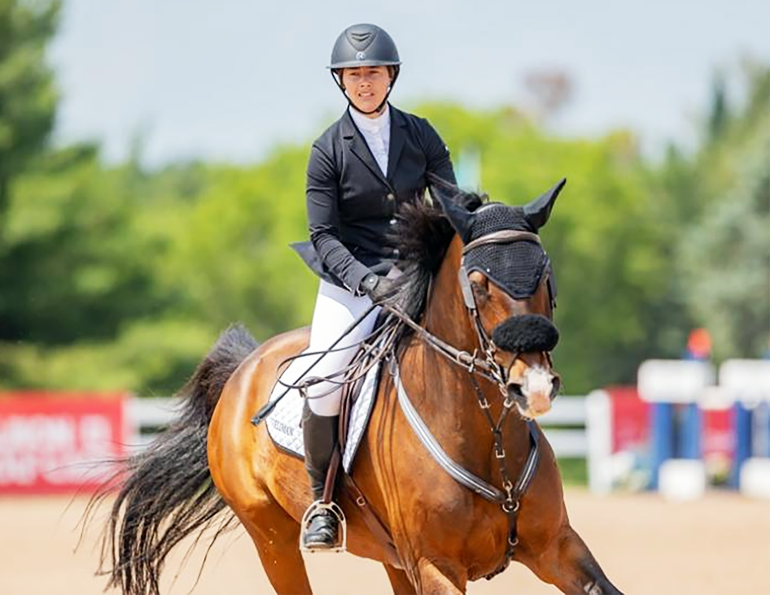
Credit: www.horsejournals.com
The Foundations Of Equestrian Horseback Riding
Equestrian horseback riding is both an art and a science, rooted in centuries-old traditions and modern advancements. Understanding its fundamentals is essential for anyone seeking to master the craft or simply enjoy its pleasures.
The History And Evolution Of Horseback Riding
Horseback riding originated over 5,000 years ago, with ancient civilizations using horses for transportation, warfare, and agriculture. Over time, riding became a structured activity, giving birth to disciplines like dressage, show jumping, and eventing. Today, equestrian sports are featured in the Olympic Games, with strict standards set by organizations such as the International Federation for Equestrian Sports (FEI).
Example: The first recorded horse races took place in ancient Greece around 700 BCE, evolving into today’s thoroughbred racing industry.
Core Principles Of Riding
Effective horseback riding centers on several principles:
- Balance: The rider must maintain equilibrium with the horse’s movement.
- Communication: Use of subtle cues (reins, legs, seat) to direct the horse.
- Trust: Building a partnership through consistent, kind interactions.
- Rhythm: Matching the horse’s gait for smooth, controlled motion.
In my experience, mastering these basics during my early lessons significantly improved both my confidence and my horse’s responsiveness.
Key Equipment And Tack
A typical riding setup includes:
- Saddle: English, Western, or specialty saddles for different disciplines.
- Bridle: Headgear for guiding the horse, with bit or bitless options.
- Helmet: Essential for safety, reducing head injury risk.
- Riding boots: Provide grip and protection.
Pro Tip: Always check equipment for wear and fit before riding. Ill-fitting tack can harm the horse and compromise safety.
Horse Breeds And Their Roles
Different breeds excel in various equestrian activities:
- Thoroughbred: Favored for racing and jumping.
- Quarter Horse: Known for agility in Western events.
- Warmbloods: Ideal for dressage and show jumping.
- Arabian: Renowned for endurance.
| Breed | Primary Discipline | Key Traits |
|---|---|---|
| Thoroughbred | Racing, Jumping | Speed, Athleticism |
| Quarter Horse | Western, Trail | Agility, Calm Temperament |
| Warmblood | Dressage, Jumping | Strength, Trainability |
| Arabian | Endurance, Pleasure | Stamina, Intelligence |
Understanding breed characteristics is critical for matching a horse to your riding goals.
Equestrian Disciplines: Styles And Sports
The equestrian world is divided into distinct disciplines, each with unique rules, equipment, and skills. Choosing a discipline depends on personal interest, physical ability, and access to resources.
English Riding Disciplines
English riding is characterized by a lighter saddle and refined techniques. Major disciplines include:
- Dressage: Known as “horse ballet,” focusing on precision and harmony.
- Show Jumping: Riders navigate a course of obstacles, testing agility and speed.
- Eventing: Combines dressage, jumping, and cross-country in a single competition.
Example: At the 2020 Tokyo Olympics, German rider Jessica von Bredow-Werndl scored 88.4% in dressage, highlighting the sport’s technical demands.
Western Riding Disciplines
Western riding developed from ranch work in North America, emphasizing comfort for long hours. Key disciplines are:
- Reining: Showcases the horse’s ability to perform patterns of circles, spins, and stops.
- Barrel Racing: A timed event where riders navigate barrels in a cloverleaf pattern.
- Cutting: Horse and rider separate a cow from the herd, demonstrating control and agility.
Recreational And Trail Riding
Many riders pursue horseback riding for leisure, exploring trails and nature parks. Trail riding requires:
- Sturdy tack
- Calm horses
- Knowledge of terrain
Pro Tip: Always carry a map, water, and first aid kit when trail riding, especially in remote areas.
Therapeutic Riding
Equestrian therapy, or hippotherapy, uses horseback riding to aid individuals with physical, emotional, or cognitive challenges. It’s endorsed by organizations such as the Professional Association of Therapeutic Horsemanship International (PATH Intl.).
Case Study: A 2018 study published in the Journal of Alternative and Complementary Medicine found that therapeutic riding improved balance and mobility in children with cerebral palsy.
Competitive Equestrian Sports
Beyond local shows, equestrian sports include international competitions:
- Olympics: Featuring dressage, jumping, and eventing.
- FEI World Equestrian Games
- National championships
| Discipline | Competition Level | Typical Equipment |
|---|---|---|
| Dressage | Olympic, Local, National | English saddle, Bridle |
| Show Jumping | Olympic, National | Jump saddle, Helmet |
| Reining | World, National | Western saddle, Split reins |
| Barrel Racing | Local, National | Barrel saddle, Protective boots |
Competitive riders must adhere to strict rules and ethical standards, ensuring fair play and horse welfare.

Credit: hvmag.com
Training And Skill Development
Achieving proficiency in horseback riding requires structured training and ongoing skill development. Both riders and horses benefit from progressive lessons, tailored exercises, and clear goals.
Beginner Training: Laying The Groundwork
New riders start with basic instruction:
- Mounting and dismounting safely
- Understanding horse behavior
- Learning the walk, trot, and canter
- Proper posture and balance
Lessons are often led by certified instructors, who provide feedback and ensure safety. Most riding schools require helmets and liability waivers.
Pro Tip: Beginners should ride under supervision until confident in controlling the horse in all gaits.
Intermediate And Advanced Techniques
As riders progress, they tackle:
- Jumping: Clearing obstacles with proper form.
- Advanced dressage movements: Pirouettes, flying changes.
- Western patterns: Spins, sliding stops.
Ongoing training involves:
- Video analysis
- Goal setting
- Fitness routines to improve strength and flexibility.
Example: In my experience, recording lessons and reviewing footage helped identify subtle posture errors and refine my technique.
Horse Training And Conditioning
Training isn’t limited to riders; horses need structured programs:
- Groundwork: Establishes respect and communication.
- Desensitization: Reduces fear of new stimuli.
- Fitness regimens: Cardiovascular and muscular conditioning.
Horses learn through repetition, patience, and positive reinforcement. Consult professionals for behavior issues or advanced training needs.
Coaching And Mentorship
A strong mentor accelerates learning. Top riders often work with coaches who:
- Develop personalized training plans
- Offer constructive criticism
- Guide competition strategy
Many equestrian centers offer group clinics, where riders benefit from peer support and shared experiences.
Continuing Education
Equestrian knowledge is ever-evolving. Riders stay current by:
- Attending workshops
- Reading industry publications
- Participating in online forums
Example: United States Equestrian Federation offers resources for riders of all levels.

Credit: en.wikipedia.org
Safety, Health, And Horse Welfare
Safety and welfare are fundamental to equestrian practice. Riders must protect themselves and their horses, addressing risks proactively.
Rider Safety Measures
Common safety precautions include:
- Wearing helmets
- Using appropriate footwear
- Inspecting tack before every ride
- Learning emergency dismounts
According to the Centers for Disease Control and Prevention (CDC), horseback riding carries a moderate injury risk, with most incidents involving falls or kicks.
Pro Tip: Enroll in a basic first aid course tailored to equestrian injuries.
Horse Health And Wellness
Maintaining horse health is a daily commitment:
- Balanced nutrition: Quality hay, grains, supplements.
- Regular veterinary care: Vaccinations, dental checks, deworming.
- Hoof care: Trimming and shoeing every 6-8 weeks.
- Mental stimulation: Prevents boredom and behavioral issues.
Warning: Neglecting hoof care can lead to lameness, a leading cause of lost riding time.
Ethical Treatment And Welfare Standards
Modern equestrianism emphasizes humane practices:
- Avoiding excessive force
- Using positive training methods
- Providing rest and socialization
Organizations like the Humane Society advocate for ethical treatment and enforce regulations at competitions.
Tack And Gear Safety
Equipment failure is a preventable risk. Routine checks include:
- Leather integrity
- Buckle security
- Saddle fit
- Bit condition
Example: When I tested a new saddle, a professional fitter ensured correct placement, preventing back discomfort in my horse.
Environmental And Biosecurity Concerns
Riders must consider:
- Manure management
- Disease prevention
- Safe transport protocols
Consult a veterinarian for biosecurity best practices, especially when competing or boarding at large facilities.
Choosing Your Horse And Tack
Selecting the right horse and equipment is crucial to riding success and enjoyment. This process is nuanced, balancing physical, mental, and practical factors.
Horse Selection Criteria
Key factors in choosing a horse include:
- Age and experience
- Temperament
- Health status
- Discipline suitability
Pro Tip: Work with a knowledgeable trainer when evaluating potential horses, using trial rides and veterinary checks.
Matching Tack To Discipline
Each riding style demands specific tack:
- Dressage: Deep-seated saddle, simple bridle.
- Jumping: Forward-seat saddle, adjustable stirrups.
- Western: Heavy saddle, split reins.
| Discipline | Saddle Type | Bridle Type |
|---|---|---|
| Dressage | Dressage saddle | Simple snaffle bridle |
| Show Jumping | Jump saddle | Figure-eight bridle |
| Western | Western saddle | Split rein bridle |
Proper tack enhances both performance and safety.
Sizing And Fit Considerations
Poorly fitted gear leads to discomfort and injury. Steps include:
- Measuring horse’s back and girth
- Trying multiple saddles
- Adjusting bridle length
Example: A saddle too narrow pinches the withers, while an oversized saddle slides, causing instability.
Buying Vs. Leasing Horses
Many riders debate whether to buy or lease. Leasing offers flexibility and lower upfront costs, while ownership provides long-term engagement.
- Leasing pros: Lower cost, try before buying, less commitment.
- Ownership pros: Full control, potential for resale, deeper bond.
Consult a professional for contract review and horse assessment.
Accessory Essentials
Beyond main tack, riders need:
- Protective boots
- Fly masks
- Blankets
- Grooming kits
Warning: Cheap gear may save money upfront but often lacks durability and proper fit.
Equestrian Facilities And Community
Successful riding depends on quality facilities and supportive communities. These resources foster growth, safety, and enjoyment.
Types Of Equestrian Centers
Facilities range from small stables to world-class arenas:
- Riding schools: Offer lessons and horse rentals.
- Boarding barns: House privately owned horses.
- Competition venues: Host events and clinics.
Example: The Kentucky Horse Park in Lexington, KY attracts over 500,000 visitors annually, serving as a hub for education and sport.
Boarding Options
Boarding arrangements include:
- Full board: Complete care, feeding, turnout.
- Partial board: Shared responsibilities.
- Self-care: Owner handles daily tasks.
Pro Tip: Inspect stalls, fencing, and paddocks for safety before committing to a facility.
Social And Educational Activities
Equestrian centers foster community through:
- Group lessons
- Trail rides
- Shows and competitions
- Volunteer programs
Participating builds confidence and expands knowledge.
Online Communities And Resources
Digital platforms provide support:
- Forums: Share tips, stories, and advice.
- Virtual clinics: Expert-led instruction.
- Social media groups: Connect with riders worldwide.
Example: Wikipedia: Equestrianism offers a comprehensive overview of disciplines and history.
Accessibility And Inclusion
Efforts are underway to make riding more accessible:
- Adaptive equipment
- Scholarships
- Diversity initiatives
Organizations like the Equestrian Diversity Alliance promote inclusive participation.
Horse Care: Daily Practices And Long-term Strategies
Proper horse care ensures longevity, performance, and well-being. Owners and riders share responsibility for meeting physical and psychological needs.
Feeding And Nutrition
Horses require:
- Quality forage (hay, pasture)
- Balanced grains
- Clean water
- Supplements (as needed)
Consult an equine nutritionist for personalized feeding plans.
Grooming And Hygiene
Routine grooming prevents skin issues and strengthens bonds:
- Brushing
- Hoof cleaning
- Bathing
- Fly control
Pro Tip: Groom before and after every ride to check for injuries or irritations.
Exercise And Turnout
Horses need regular movement:
- Riding
- Lunging
- Pasture turnout
Warning: Lack of exercise leads to obesity and behavioral problems.
Veterinary And Dental Care
Annual veterinary checkups are essential:
- Vaccinations
- Dental floating (filing teeth)
- Parasite management
Consult professionals for illness or injury, and never attempt medical procedures without training.
Mental Health And Enrichment
Horses are intelligent, social animals. Strategies for enrichment include:
- Toys
- Socialization with other horses
- Varied routines
Case Study: A study from the University of Pennsylvania found that horses with daily social interaction displayed fewer stress behaviors.
Equestrian Gear: Technology, Trends, And Maintenance
The gear industry has advanced rapidly, offering innovative solutions for comfort, performance, and safety. Understanding current trends and maintenance tips is vital.
Helmet Technology And Standards
Modern helmets feature:
- Impact-absorbing materials
- Ventilation systems
- Certifications (ASTM/SEI)
Pro Tip: Replace helmets every five years or after any impact.
Saddle Innovations
New saddles offer:
- Adjustable trees
- Pressure-distribution panels
- Lightweight designs
Example: The Wintec line of saddles uses synthetic materials for durability and easy cleaning.
Clothing And Boots
Riding apparel combines function and style:
- Breeches: Flexible, grippy fabric.
- Tall boots: Protect legs, provide stability.
- Show attire: Meets competition requirements.
Warning: Non-riding footwear increases accident risk.
Tack Maintenance
Routine care extends gear life:
- Clean leather with proper products
- Check for mold or dryness
- Store in climate-controlled areas
Pro Tip: Monthly tack checks prevent surprise failures during rides.
Emerging Trends
Recent trends include:
- Smart tack: Integrated sensors for performance monitoring.
- Eco-friendly gear: Recycled materials, sustainable production.
- Custom-fit equipment: Tailored to horse and rider.
Example: Smart bridles track rein tension and provide feedback via smartphone apps.
Equestrian Events And Organizations
The equestrian world is supported by local, national, and international events and organizations, each shaping standards, education, and competition.
Major Competitions
Prominent events include:
- Olympic Games
- FEI World Equestrian Games
- Rolex Kentucky Three-Day Event
- National rodeos
Example: The FEI World Equestrian Games attract riders from over 70 countries.
Governing Bodies
Key organizations oversee rules and safety:
- FEI: Sets international standards.
- United States Equestrian Federation (USEF)
- British Horse Society (BHS)
Membership often provides access to insurance, education, and competitions.
Local Clubs And Associations
Grassroots groups organize:
- Fun shows
- Educational seminars
- Community outreach
Pro Tip: Join local clubs to network and access resources.
Event Preparation
Competing requires:
- Fitness training
- Paperwork (registration, health certificates)
- Travel logistics
Warning: Improper preparation can lead to disqualification or horse stress.
Impact On Industry And Culture
Equestrian events drive economic activity and shape cultural values:
- Tourism
- Horse breeding
- Media coverage
Example: The Kentucky Derby generates over $400 million in economic impact annually (source: Louisville Tourism).
Frequently Asked Questions
What Is The Best Age To Start Horseback Riding?
Children as young as 4-6 years can begin with lead-line lessons, focusing on basic balance and confidence. Adults can start at any age, but should consult a physician before beginning, especially if they have pre-existing health conditions. Riding schools often tailor programs to age and physical ability.
How Do I Know If A Horse Is Suitable For Me?
A suitable horse matches your skill level, riding goals, and personality. Work with a trainer to evaluate temperament, training history, and health. Trial rides and veterinary checks are essential. The horse should feel comfortable, responsive, and calm during initial interactions.
What Are Common Mistakes Beginners Make?
Common errors include poor posture, inconsistent cues, neglecting safety gear, and attempting advanced skills too soon. Beginners often underestimate the importance of groundwork and overestimate their ability to control a horse. Structured lessons and patience are key to avoiding these pitfalls.
Are There Options For Riders With Disabilities?
Yes, many centers offer adaptive riding programs with specialized equipment, trained instructors, and gentle horses. Therapeutic riding is accessible to individuals with physical, sensory, or cognitive challenges. Organizations such as PATH Intl. Provide resources and certifications for inclusive instruction.
How Can I Reduce The Cost Of Horseback Riding?
Costs can be managed by leasing instead of buying, sharing lessons, volunteering at barns, and purchasing used gear. Joining local clubs may offer discounted rates. Some schools provide scholarships or work-exchange programs. Research options in your area and plan a realistic budget.
Equestrian horseback riding is a rewarding pursuit that combines athleticism, artistry, and partnership. Whether your goal is competitive excellence, leisure exploration, or personal growth, the journey is shaped by ongoing learning, responsible care, and community involvement. Embracing safety, ethical treatment, and innovation ensures a positive experience for both riders and horses, preserving the timeless appeal of equestrianism for generations to come.