
Yes, horses can be used in the desert, provided you have the right breed and proper support. If the horse isn’t acclimated to high heat, it will struggle to maintain its health. You should verify your horse’s hydration needs with a local veterinarian before you head out.
Desert riding conditions and horse suitability
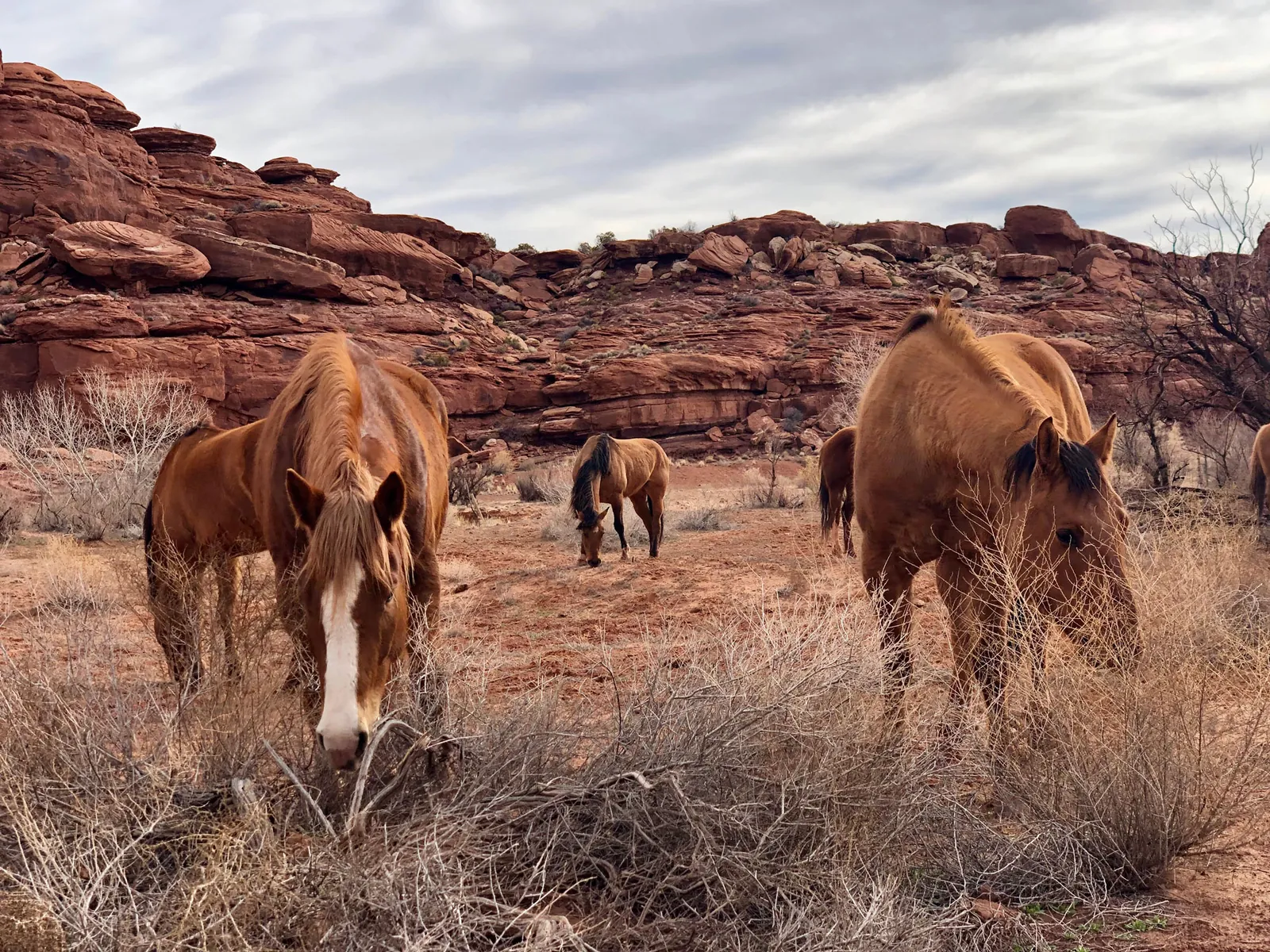
The ability to ride a horse in arid regions depends heavily on the specific environment and the animal’s physical preparation. While some breeds handle heat better than others, every horse requires careful management to prevent exhaustion and dehydration.
| Your situation | Answer | Why |
|---|---|---|
| Well-acclimated Arabians | Yes | High heat tolerance |
| Unconditioned draft horses | No | Prone to overheating |
| Short, morning rides | Yes | Avoids peak heat |
| All-day desert treks | Yes, with support | Requires constant water |
Horses evolved in temperate climates, so their cooling mechanisms are often taxed by the intense, dry solar radiation of a desert. You must monitor your horse’s capillary refill time and skin elasticity to gauge hydration levels before they show visible distress.
Even a seasoned Arabian can suffer if the ground surface temperature is too high. Hard-packed sand or rocky terrain radiates heat upward, which can quickly burn sensitive hooves and accelerate systemic fatigue. Always prioritize routes with natural shade or cooler, wind-swept ridges.
Physiological limits of desert travel
The primary factor deciding if a horse can perform in the desert is its ability to regulate body temperature. Horses dissipate heat through sweating, which is an efficient cooling mechanism but also a rapid path to dehydration. In extreme heat, a horse can lose up to 10 to 15 liters of fluid per hour, according to guidelines from the University of California, Davis. This loss must be replaced immediately to avoid organ failure.
Environmental factors like humidity, wind, and the availability of shade also change the risk profile. A horse that’s healthy in a temperate climate may still suffer in the desert if it isn’t used to the intensity of direct sun or the lack of ground cover. You must monitor the horse’s pulse and respiration rate to ensure they stay within safe limits for the activity level.
If the ambient temperature is below 85°F, you can ride for longer periods; if the temperature exceeds 95°F, you should limit activity to short, low-intensity sessions.
Best practices for desert equestrianism

If you decide to ride in the desert, you must prioritize the animal’s safety over the distance covered. Follow these steps to keep your horse stable and healthy during your time in the environment.
- Check hydration levels before you depart by ensuring the horse has access to clean, cool water. A horse should drink at least 5 to 10 gallons of water per day, depending on its size and the temperature.
- Schedule rides during cooler hours to avoid the mid-day sun, which typically hits its peak intensity between 12:00 PM and 4:00 PM. Riding during these hours significantly increases the risk of heat exhaustion.
- Monitor the horse’s gum color to check for signs of dehydration. If the gums are dry or tacky rather than moist and pink, you must stop and provide water immediately.
- Use light-colored, breathable gear to reflect sunlight and prevent the horse’s skin from overheating under the saddle. Synthetic materials are often cooler than heavy leather.
- Carry extra water for the horse in addition to your own supplies. You should aim for at least 2 gallons of emergency water per horse for every hour of planned travel.
Common mistakes in desert heat
Many riders assume that because horses are hardy animals, they can endure the same conditions as desert-native species. This mistake often leads to severe dehydration or heatstroke, which can be fatal if not treated by a professional quickly. The cost of this error is high, often resulting in permanent health damage or the loss of the animal.
You can avoid this by checking the horse’s capillary refill time every hour during a long ride. Press firmly on the gum above the upper teeth until the tissue turns white, then release. If the color doesn’t return within two seconds, your horse is likely dehydrated and needs an immediate break in the shade.
Don’t rely on the horse to signal thirst. By the time a horse stops drinking, the physiological damage has often already begun.
When to consult a professional in the desert
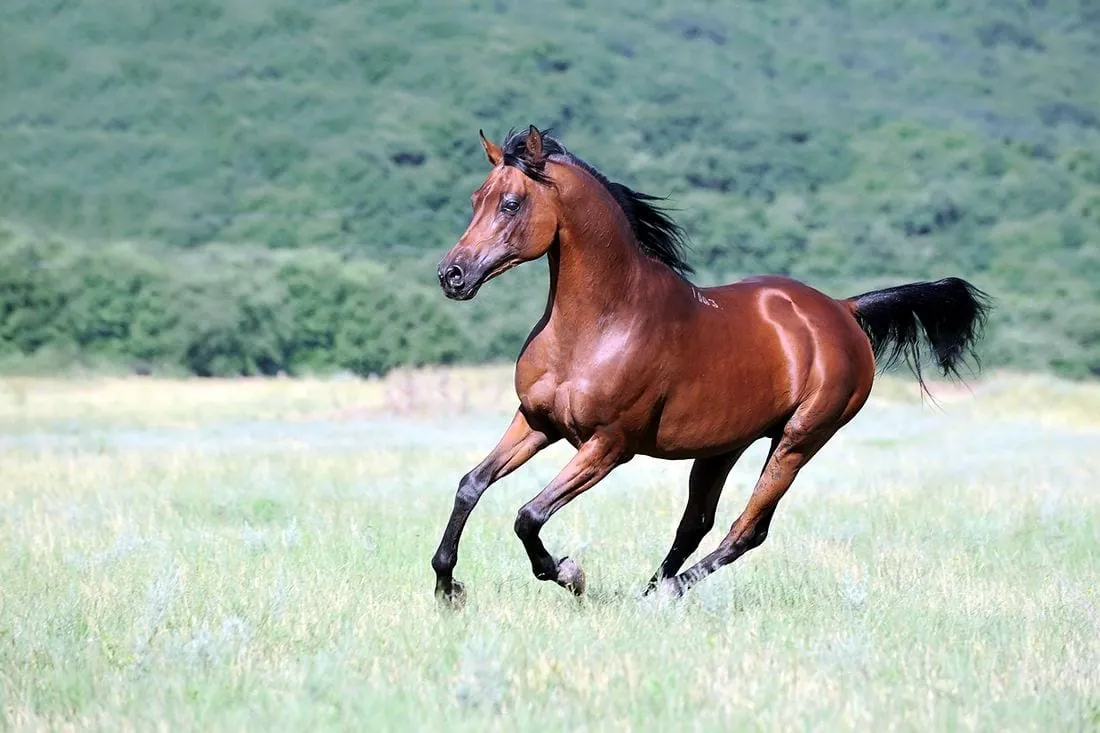
You must stop your activity and seek help if you notice signs of distress that don’t improve after a short rest in the shade. Professional intervention is required if you see any of the following:
- Excessive lethargy or refusal to move, which indicates severe exhaustion.
- Rapid, shallow breathing that doesn’t slow down after 15 minutes of rest.
- Signs of colic, such as rolling or looking at the flanks, which can be triggered by dehydration.
- Muscle tremors or staggering, as these are indicators of advanced heat exhaustion.
If you observe these signs, contact a local large-animal veterinarian or a specialized search and rescue team. Don’t attempt to force the horse to walk further, as this can lead to collapse.
Frequently asked questions
Can any horse survive in the desert?
No, not every horse is built for desert survival. While breeds like the Arabian are historically adapted to arid climates, heavier breeds often struggle to dissipate heat effectively. You should check with your local equine extension office to see if your specific horse breed is recommended for high-heat environments.
How much water does a horse need in the desert?
A horse needs at least 10 to 15 gallons of water daily in hot desert conditions. This amount increases based on the intensity of the work and the ambient temperature. Always provide access to salt blocks to help the horse maintain electrolyte balance, which aids in water retention.
Is it safe to ride in the desert during summer?
It’s generally not safe to ride in the desert during peak summer months unless you’re very experienced. The risk of heatstroke for both the rider and the horse is extreme when temperatures rise above 100°F. If you must ride, stick to the very early morning hours before the heat sets in.
How do I recognize heatstroke in my horse?
Heatstroke is indicated by a high heart rate that remains elevated after rest and a lack of sweating. If the horse stops sweating despite being hot, this is a medical emergency. Move the animal to a shaded area and apply cool water to its body while waiting for a veterinarian.
Does the desert terrain affect horse shoes?
Yes, the rocky and sandy terrain of the desert wears down horse hooves much faster than soft pasture. You should have a farrier inspect your horse’s shoes or hooves before and after your trip. Using high-quality boots or specialized shoes can prevent bruising and excessive wear on the soles.
How long can a horse go without water in the desert?
A horse should never go longer than 6 to 8 hours without water in desert conditions. Dehydration sets in rapidly, and once a horse stops drinking, its internal organs begin to suffer from the lack of fluid. Always carry enough water to sustain the horse for the duration of your planned trip.
Preparing for your desert ride
Start by assessing the current heat index in your specific desert location. If the forecast predicts temperatures that exceed your horse’s known comfort level, reschedule your ride for a cooler day.
The sign that you’re ready to proceed is having a clear, pre-planned route with verified water stops along the way. Map these points before you leave, ensuring each source is reliable and currently flowing.
Carry more water than you calculate for your needs, as desert evaporation rates often deplete supplies faster than anticipated. If your horse shows any sign of distress, such as labored breathing or excessive lethargy, stop immediately. Move to the nearest shade, offer small amounts of water, and seek professional veterinary support. Don’t attempt to push through to your destination if the animal’s recovery is slow.