
Killarney National Park is often considered the best place to ride horses in ireland because of its diverse terrain and well-maintained trail network. You’ll find that the country offers many scenic locations for equestrian activities, ranging from rugged coastal paths to historic woodland trails. These spots share a commitment to natural beauty, though they differ based on the landscape and the specific riding experience they provide to visitors.
Best places to ride horses in Ireland
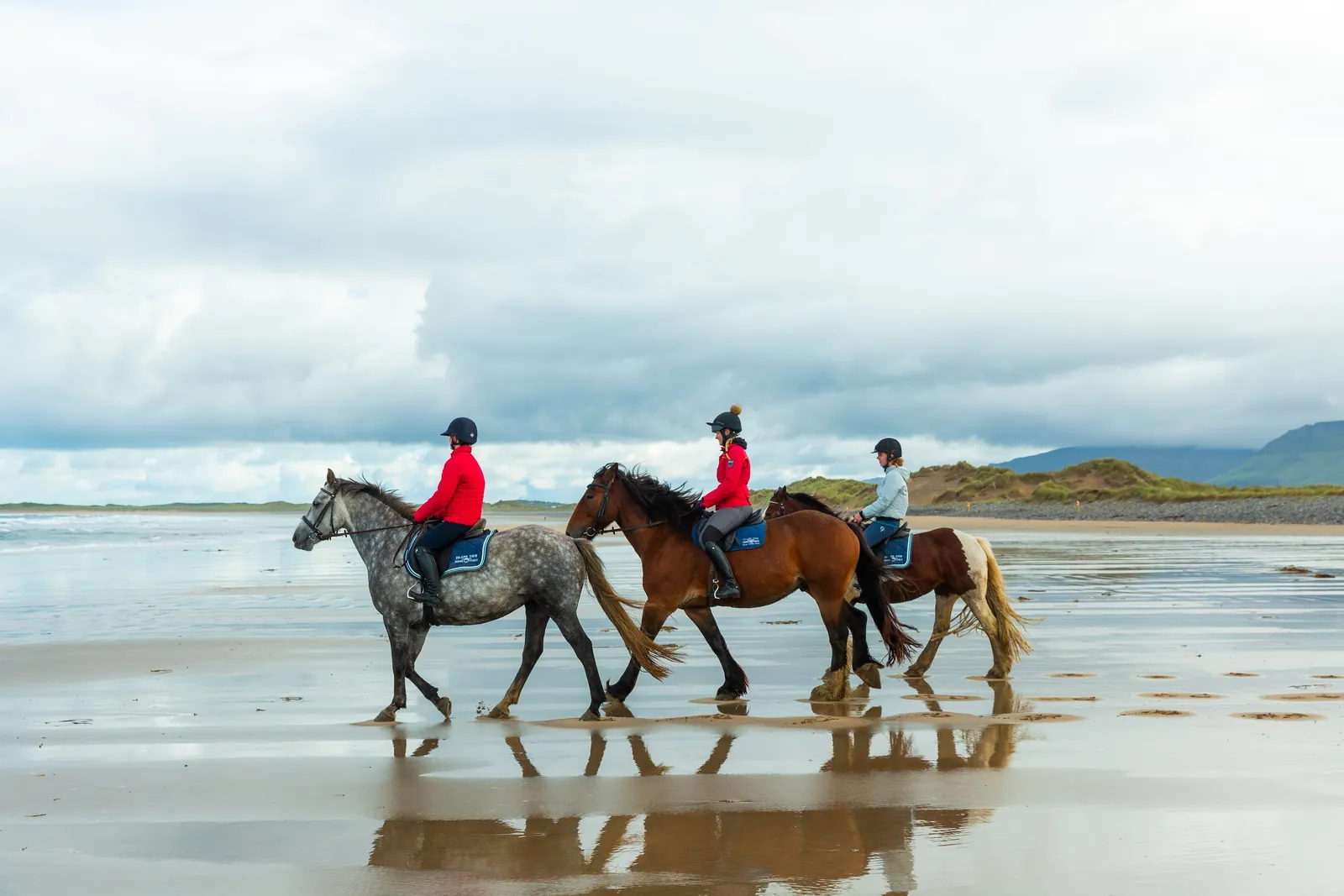
The following destinations offer high-quality riding experiences across varied environments, suitable for different skill levels and interests.
| Destination | Best For | Example |
|---|---|---|
| Killarney National Park | Mountain and lake views | Muckross Estate trails |
| Connemara National Park | Rugged mountain trekking | Diamond Hill base |
| Dingle Peninsula | Coastal beach riding | Inch Beach path |
| Wicklow Mountains | Forest and valley paths | Glendalough area |
| Burren National Park | Unique limestone terrain | Burren Way trails |
Killarney National Park
This expansive park in County Kerry is widely regarded as the best place to ride horses in ireland due to its protected status and variety of paths. It suits riders who enjoy historical scenery and well-marked trails that wind through ancient woodlands and past large lakes.
- Access to over 25,000 acres of protected landscape.
- Diverse trails ranging from flat lakeside paths to steep mountain tracks.
- Proximity to historic landmarks like Muckross House.
You should expect to find trails that are well-maintained by the National Parks and Wildlife Service, which manages the area to preserve its ecological health. If you’re a beginner, stick to the lower lakeside loops; if you’re an experienced rider, the higher mountain tracks offer more challenging elevation changes. A typical excursion involves a two-hour guided trek through the Yew Woods, starting at an elevation of about 60 meters above sea level.
Connemara National Park
Connemara National Park provides a wild, rugged experience that contrasts with the lush forests of the south. This location is ideal for riders who want to see the iconic Connemara pony in its native environment and enjoy panoramic views of the Atlantic coastline.
- High-altitude trekking with views of the Twelve Bens mountains.
- Opportunities to ride through expansive, open bogland and heath.
- Wildlife spotting, including wild goats and diverse bird species.
The terrain here is often uneven and rocky, which requires a sturdy horse and a rider comfortable with navigating natural obstacles. If you’re planning a trip, check the weather forecast daily, as high winds can make mountain trails dangerous. A common route takes riders toward the foothills of Diamond Hill, covering roughly 5 kilometers of open moorland. This area isn’t for those who prefer manicured paths or paved surfaces, as the ground remains natural and soft throughout the year.
Dingle Peninsula
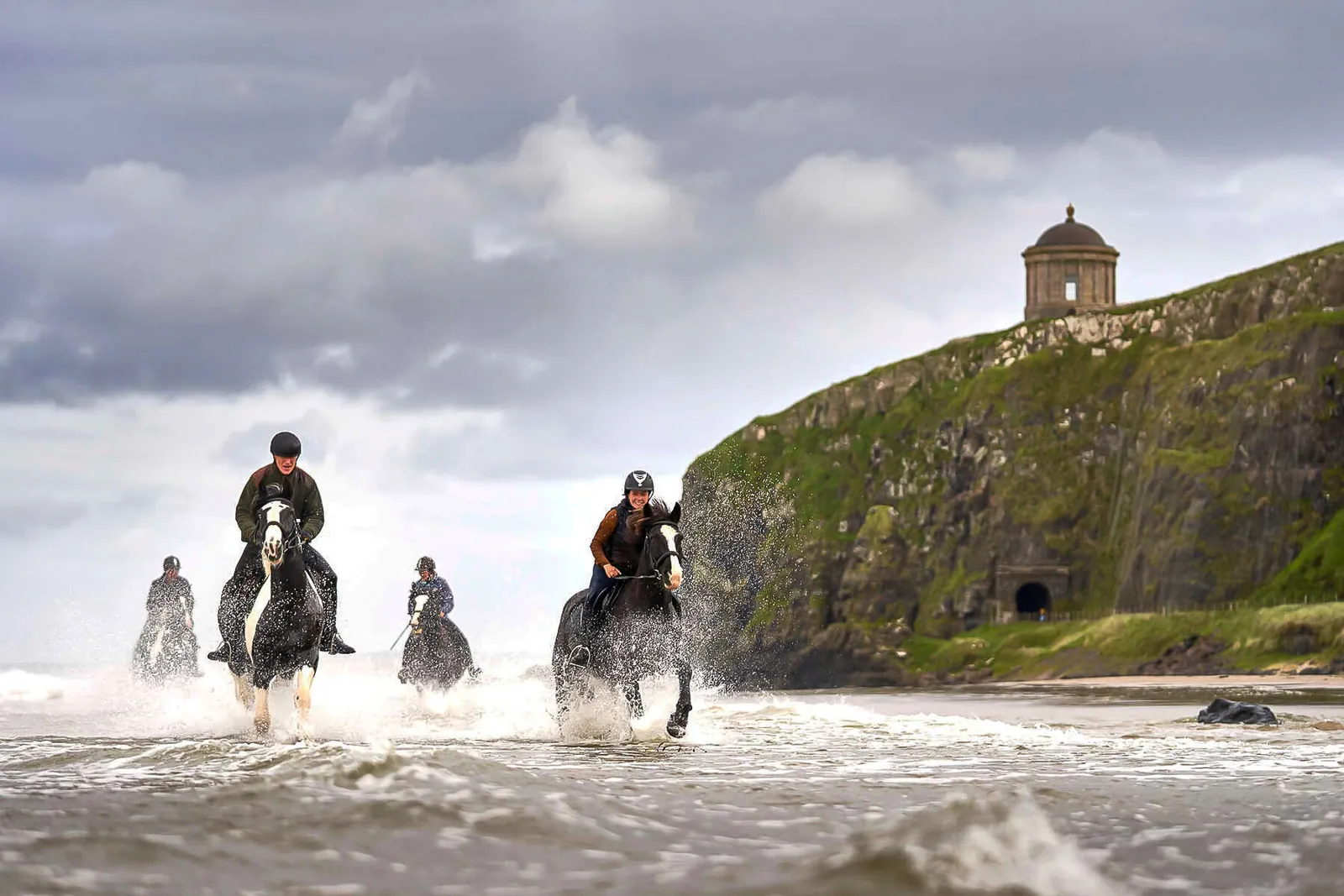
The Dingle Peninsula is the premier choice for those seeking the unique experience of riding across sandy beaches and through rolling green hills. It’s best suited for riders who want to combine ocean views with the charm of rural coastal villages in County Kerry.
- Long stretches of beach riding on soft, clean sand.
- Access to ancient cliff-top paths with Atlantic views.
- Small, quiet lanes that wind through traditional farming communities.
If you’re a beginner, look for a stable that offers slow, guided beach walks during low tide; if you’re advanced, inquire about faster trots along the shoreline. The experience is highly dependent on the tide schedule, which dictates when the sand is firm enough for horses.
A mistake people often make is failing to check local tide tables, which can cost you the chance to ride on the beach entirely. Always confirm the daily tide times with your local stable operator before booking your ride.
Wicklow Mountains
The Wicklow Mountains offer vast, hilly landscapes just a short distance from Dublin, making them a perfect escape for riders who want a wilderness feel without traveling across the country. This location is ideal for those who enjoy forest tracks and deep, glacial valleys.
- Extensive network of fire roads and forest trails.
- Dramatic scenery featuring waterfalls and historic monastic sites.
- Challenging terrain that accommodates both casual and endurance riding styles.
One limitation to consider is that some parts of the Wicklow Mountains are strictly protected for wildlife, meaning riders must stay on marked paths to avoid fines or ecological damage. If you’re a novice, book a short guided tour on established valley paths; if you’re experienced, look for longer routes that climb toward the mountain peaks. A standard outing might cover 10 kilometers of mixed forest and open mountain trail, taking about three hours depending on the pace.
Other notable riding destinations
- The Burren: This unique limestone landscape in County Clare offers a stark, lunar-like environment that’s fascinating for experienced riders who want to see rare flora and ancient stone structures.
- Donegal coast: Known for its dramatic cliffs and remote beaches, this area is perfect for riders who want to avoid crowds and experience the rugged, untamed beauty of the northern Irish coast.
- Westport and Clew Bay: This region provides a mix of coastal trails and mountain views, making it a great choice for families or groups with mixed riding abilities and interests.
How to choose your riding location
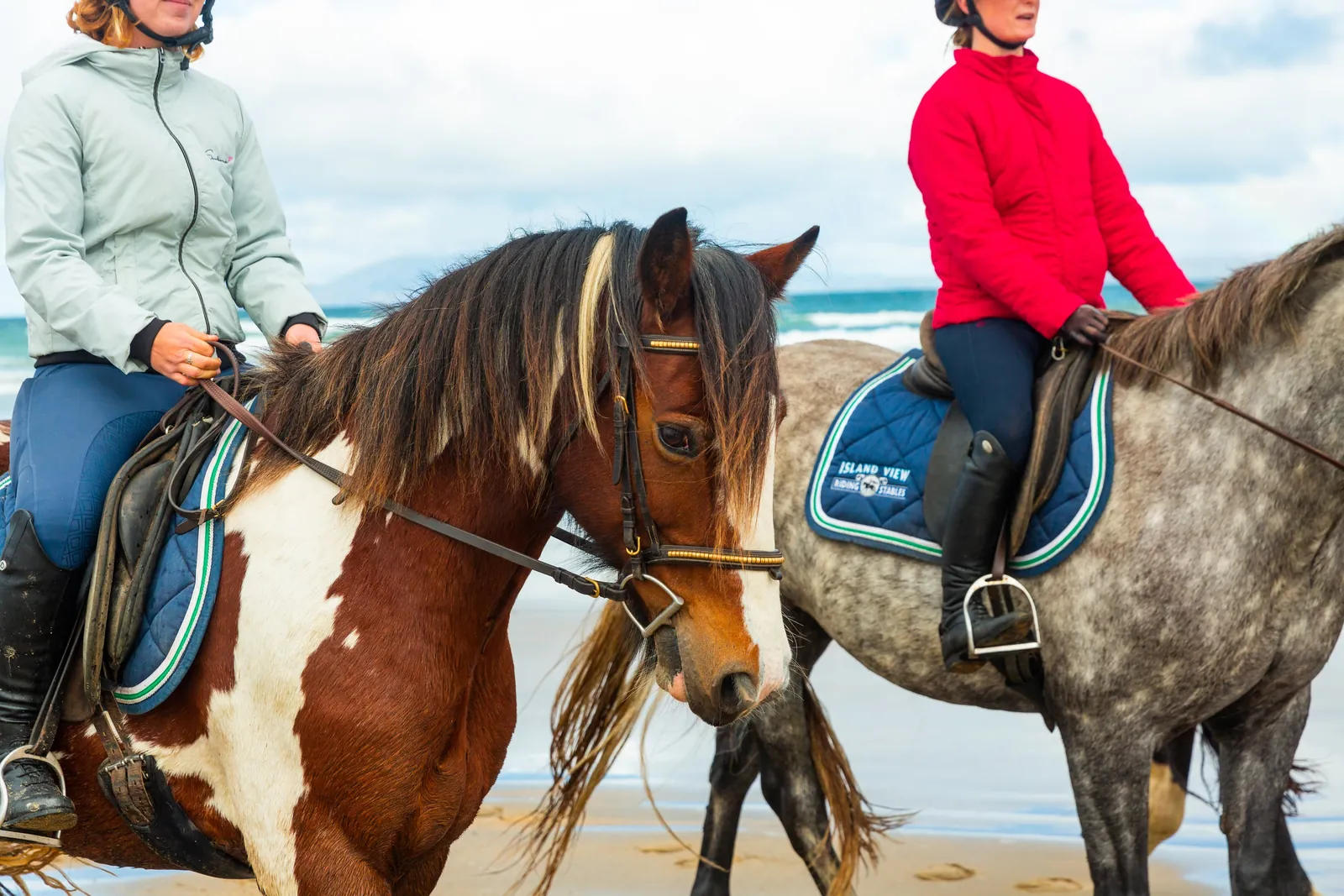
Deciding where to ride depends on three main factors: your previous experience, the type of scenery you prefer, and how much time you have. If you have never ridden before, choose Killarney National Park or the Dingle Peninsula, as these areas have many stables that specialize in guided, low-speed treks for beginners. If you’re an experienced rider looking for a challenge, Connemara or the Wicklow Mountains offer the elevation and terrain variety you likely want.
If you have only one day, pick the location closest to your accommodation to maximize your time in the saddle rather than in a car. These locations are distinct, and most riders pick one region for their trip rather than trying to combine multiple areas in a single visit.
Frequently asked questions
Can beginners ride horses in Ireland?
Yes, beginners can easily find guided treks at stables throughout the country. Most operators in popular spots like Killarney or Dingle provide calm, trained horses and guides who assist you throughout the entire ride.
How much does a horse ride cost?
The cost is generally inexpensive for a two-hour guided trek. This price varies based on the location, the duration of the ride, and whether the tour is private or part of a group.
Is it safe to ride horses in Ireland?
Riding is safe when you follow the instructions of your guide and stay on designated paths. Always wear a helmet and ensure your stable operator provides a safety briefing before you start your ride.
Do I need a license to ride horses?
No, you don’t need a license to go on a guided horse ride in Ireland. You only need to follow the rules provided by the stable staff and respect the local park regulations.
What should I wear for a ride?
You should wear long pants, such as jeans or leggings, and sturdy, closed-toe boots with a small heel. These items protect your legs from chafing and keep your feet secure in the stirrups.
What happens if it rains?
Riding continues in light rain, as the sport is common throughout the country regardless of weather. Most stables provide waterproof gear, but you should bring your own rain jacket just in case.
Does it matter what time of year I visit?
Yes, the riding experience changes with the seasons, as daylight hours are much longer in the summer. If you want to ride in the evening, book your trip between May and August to get the most daylight.
Conclusion
Start by checking the weather forecast for your chosen region 24 hours before your trip. You should expect to feel comfortable and confident if you follow the safety guidelines provided by your local stable. If you feel any physical pain or notice the horse acting unusually nervous, ask your guide to stop the ride immediately for your safety.