
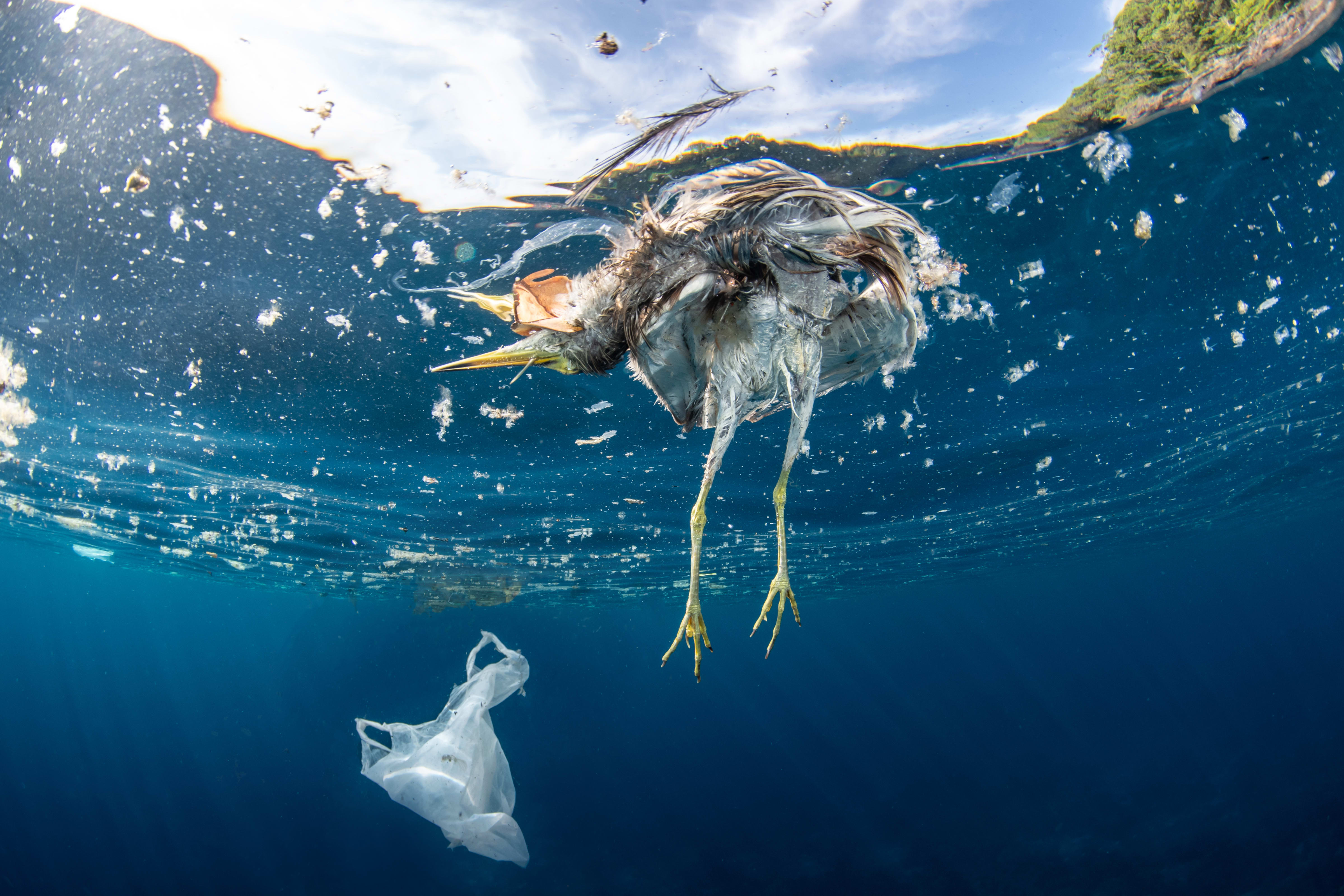
Have you ever thought about what happens to the plastic you throw away? Plastic in Our Oceans is Killing Marine Mammals,That plastic often ends up in our oceans, creating a deadly trap for marine mammals like whales, dolphins, and seals.
This isn’t just about dirty water it’s about lives being lost beneath the waves. If you care about the ocean and the creatures that call it home, you need to understand how plastic is killing marine mammals and what you can do to help stop it.
Keep reading to discover the hidden dangers lurking in the water and why your actions really matter.

Credit: repurpose.global
Scale Of Ocean Plastic Pollution
Plastic pollution in our oceans has reached an alarming scale. Millions of tons of plastic waste enter the seas every year. This pollution harms marine life, especially mammals like whales, dolphins, and seals. Understanding the scale helps us see the problem clearly. It also shows why urgent action is needed.
Plastic pieces range from large debris to tiny microplastics. These plastics spread across vast ocean areas, affecting habitats everywhere. The sources, types, and hotspots reveal the full extent of this crisis.
Sources Of Ocean Plastics
Most ocean plastics come from land. Trash from cities, rivers, and beaches often washes into the sea. Fishing gear lost at sea also adds to the pollution. Shipping and offshore industries contribute plastic waste too. Poor waste management allows plastic to escape into waterways. Rain and wind carry litter from land to ocean. Each source adds to the growing plastic problem in marine environments.
Types Of Plastic Waste Found In Oceans
Plastic waste in oceans appears in many forms. Common types include plastic bags, bottles, and food wrappers. Fishing nets and lines entangle animals and damage reefs. Microplastics, tiny plastic pieces, come from larger items breaking down. Microbeads from cosmetics and fibers from clothing also pollute waters. Each type poses unique threats to marine mammals and ecosystems.
Global Hotspots For Plastic Accumulation
Plastic does not spread evenly in oceans. Some areas collect more plastic than others. The Great Pacific Garbage Patch is the largest known hotspot. Other hotspots include the Indian Ocean and parts of the Atlantic. Coastal regions near big cities often see high plastic pollution. Ocean currents carry plastics to these zones. Hotspots become dangerous places for marine mammals and other wildlife.
Impact On Marine Mammals
Plastic pollution in oceans harms many marine mammals. These animals suffer in many ways. The impact is serious and growing. It affects their health, behavior, and survival. Understanding these effects helps us see the urgent need for action.
Ingestion And Starvation
Marine mammals often mistake plastic for food. They swallow plastic bags and pieces. This blocks their stomachs and causes pain. They feel full but get no nutrition. Starvation follows as they cannot digest real food well. Many die from hunger after eating plastic.
Entanglement And Injuries
Discarded fishing nets and plastic ropes trap marine mammals. Entangled animals struggle to swim or surface for air. This causes cuts, infections, and deep wounds. Some drown because they cannot escape. Injuries weaken them, making hunting and escaping predators hard.
Toxic Effects Of Microplastics
Microplastics enter the bodies of marine mammals through food and water. These tiny particles carry harmful chemicals. The toxins damage their organs and immune systems. Long-term exposure causes illness and lowers reproduction rates. This threat affects entire populations over time.
Species Most At Risk
Plastic pollution in oceans harms many marine mammals. Some species face higher risks due to their habits and habitats. These animals often mistake plastic for food or get trapped in debris. The damage can be deadly.
Whales And Dolphins
Whales and dolphins swallow plastic debris by mistake. Plastic blocks their stomachs, causing pain and starvation. They also get entangled in plastic nets and ropes. This can lead to injuries or drowning. Their long migrations expose them to many polluted areas.
Seals And Sea Lions
Seals and sea lions live near coastlines where plastic waste collects. They often get caught in discarded fishing gear. These plastics cut their skin or stop them from swimming. They also eat plastic, which harms their health. Young seals are especially vulnerable to these dangers.
Manatees And Dugongs
Manatees and dugongs feed on sea plants near the ocean floor. They accidentally consume plastic bags that look like food. These plastics block their digestive system, causing sickness. They also get trapped in floating plastic debris. Their slow movement makes escaping harder.
Credit: wwf.org.au
Current Efforts To Combat Plastic Pollution
Plastic pollution in oceans harms marine mammals deeply. Efforts to fight this problem are growing worldwide. Governments, communities, and tech experts work together. Each group uses different methods to reduce plastic waste. These efforts aim to protect ocean life and keep seas clean.
International Policies And Agreements
Many countries join forces to stop ocean plastic. They create rules to limit plastic use and waste. Treaties help track plastic pollution across borders. These agreements encourage safer waste disposal and recycling. They also promote research on ocean health and plastic impact. Cooperation between nations is key to success.
Community Clean-up Initiatives
Local groups organize beach and river clean-ups. Volunteers collect plastic trash before it reaches oceans. These events raise awareness about plastic pollution. Schools and businesses often join these efforts. Community work builds a sense of responsibility. It also inspires people to reduce plastic use daily.
Technological Innovations In Waste Management
New machines help sort and recycle plastic faster. Some devices capture plastic waste directly from water. Technology improves how we track and manage trash. Innovations focus on reducing plastic production and waste. These tools make recycling easier and more effective. Technology supports cleaner oceans and healthier marine life.
Role Of Individuals And Communities
Plastic pollution in oceans harms marine mammals deeply. Individuals and communities hold power to change this. Small actions add up to big impacts over time. Everyone can help protect sea life and their homes. Efforts focused on reducing plastic use and supporting ocean health matter most.
Communities joining hands create stronger waves of change. Education and awareness spread good habits. Together, people can push for cleaner seas and safer habitats for marine mammals.
Reducing Single-use Plastics
Single-use plastics cause much ocean pollution. Simple steps like using reusable bags and bottles help. Avoiding plastic straws and utensils lowers waste. These choices reduce plastic that ends up in water. Every plastic item not used saves marine life from harm.
Participating In Conservation Programs
Local clean-ups remove plastics from beaches and waterways. Volunteering at marine rescue centers supports injured animals. Joining groups focused on ocean health spreads awareness. Conservation programs teach people how to protect seas. Active participation strengthens community care for marine life.
Advocating For Stronger Regulations
Communities can demand laws that limit plastic pollution. Writing to leaders pushes for better waste management rules. Supporting bans on harmful plastics reduces ocean trash. Public voices encourage companies to choose eco-friendly options. Strong policies protect marine mammals from plastic dangers.

Credit: australian.museum
Future Strategies To Protect Marine Life
Protecting marine mammals from plastic pollution requires strong future strategies. These plans must reduce plastic waste and improve ocean health. Efforts focus on creating safer materials, better tracking systems, and teamwork across countries.
Developing Biodegradable Alternatives
Plastic that breaks down quickly can save marine life. Scientists work to make materials that do not stay in oceans for years. These alternatives reduce harm to animals that eat or get trapped in plastic. Businesses and governments support using these safer products widely.
Enhancing Ocean Monitoring Systems
Tracking plastic pollution helps protect marine mammals. New technology detects plastic waste in real time. Drones, satellites, and underwater sensors gather important data. This information guides cleanup efforts and alerts responders to danger zones.
Promoting Global Collaboration
Plastic pollution crosses borders and needs global action. Countries share knowledge and resources to fight this problem. International laws and agreements set rules to reduce plastic waste. Public awareness campaigns encourage people worldwide to change habits.
Frequently Asked Questions
Plastic in Our Oceans is Killing Marine Mammals
What Causes Plastic Pollution In Oceans?
Plastic pollution is mainly caused by improper waste disposal and littering. Single-use plastics and fishing gear often end up in oceans, harming marine life.
How Does Plastic Kill Marine Mammals?
Marine mammals ingest or get entangled in plastic debris. This leads to injury, starvation, suffocation, and often death.
Which Marine Mammals Are Most Affected By Plastic?
Dolphins, whales, seals, and sea otters are highly vulnerable. They mistake plastic for food or get trapped in plastic waste.
Can Plastic Pollution Harm Human Health?
Yes, plastics in seafood can introduce toxins to humans. Consuming contaminated marine animals may affect human health over time.
Conclusion
Plastic pollution harms marine mammals every single day. These animals suffer from ingestion, entanglement, and habitat damage. Protecting oceans means reducing plastic use and improving waste management. Small actions by many people can create big changes. Everyone shares the responsibility to keep marine life safe.
Clean oceans support healthy ecosystems and future generations. Let’s act now to stop plastic from killing marine mammals. The ocean needs our care and respect. Happy readinf Plastic in Our Oceans is Killing Marine Mammals.
A Day in the Life of a Marine Biologist :Insights