
A horse will typically experience digestive distress or colic when it eats meat because its biology is strictly designed for a plant-based diet. While a small, accidental bite might not cause immediate death, the animal’s gut isn’t built to break down animal proteins or fats. You should always monitor your horse closely if you suspect it has consumed non-plant matter, as serious complications can arise quickly.
Risks of what happens if a horse eats meat
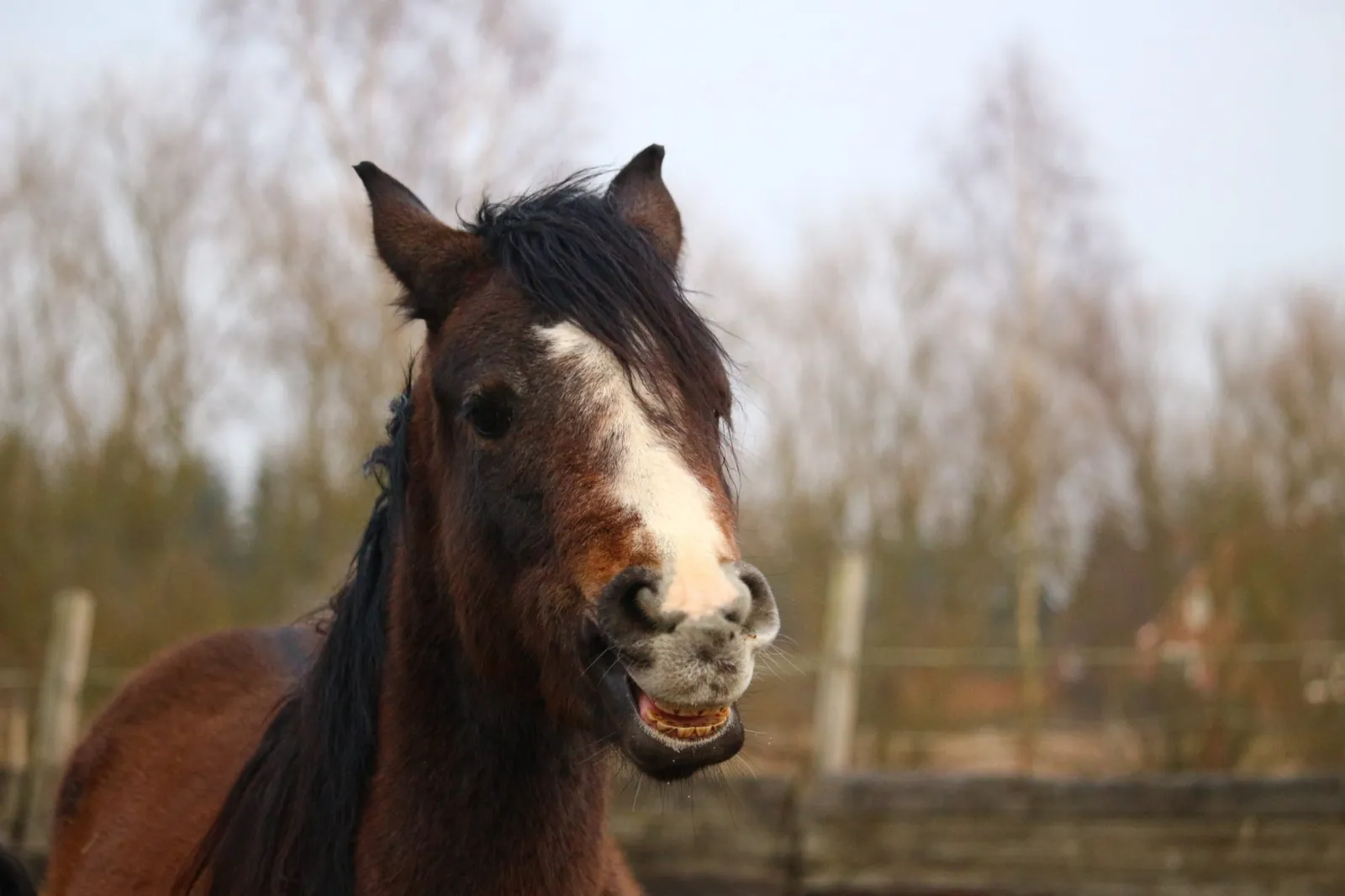
Horses are hindgut fermenters, meaning their digestive systems rely on specialized bacteria to break down fiber from hay, grass, and grains. Meat contains high levels of protein and fat that these gut microbes can’t process, leading to a dangerous imbalance. If the natural bacterial population in the cecum and colon is disrupted, the horse can suffer from severe gas, inflammation, and life-threatening blockages.
The anatomy of a horse is optimized for constant, small-volume grazing rather than the irregular digestion of complex animal tissues. When a horse consumes meat, it risks developing impaction colic, a condition where the digestive tract becomes physically blocked. According to the American Association of Equine Practitioners, colic is one of the most common causes of emergency medical intervention for horses and can be fatal if left untreated.
Because the equine cecum acts as a large fermentation vat, the introduction of foreign proteins triggers rapid, abnormal fermentation. This process releases excessive gases that stretch the intestinal walls, causing intense pain. Unlike omnivores, horses lack the stomach acidity and enzymatic pathways required to break down animal proteins safely. These proteins pass into the hindgut largely undigested, where they putrefy rather than ferment.
If the horse shows signs of discomfort after eating something unusual, don’t wait for the symptoms to pass on their own. Signs of pain include pawing at the ground, frequent rolling, looking at the flanks, or a loss of appetite. Contact a licensed veterinarian immediately if you notice these behaviors, as they indicate that the digestive process is failing. Early intervention is the only way to prevent severe systemic shock.
Situations where risks change
| Situation | What changes | What to do instead |
|---|---|---|
| Tiny accidental bite | Amount of protein | Watch for mild symptoms |
| Large quantity eaten | Risk of severe colic | Call veterinarian immediately |
| Existing gut issues | Sensitivity to changes | Prevent all access strictly |
| Young or old horse | Immune system strength | Monitor vital signs closely |
| Processed meat products | Presence of additives | Check for toxic ingredients |
A single bite of a sandwich might pass without notice, but the risk shifts significantly if the meat is seasoned. Garlic, onions, and high sodium levels are toxic to horses even in small amounts. If the item contained these, contact your vet regardless of the horse’s size.
When a horse consumes a large quantity, the primary danger is the sudden influx of protein and fat. This can overwhelm the hindgut’s delicate microbial balance, potentially triggering laminitis or severe impaction colic. Don’t wait for physical signs of distress to appear.
Horses with a history of gastric ulcers or metabolic syndrome are at higher risk. Their digestive systems are already compromised, making them less resilient to the inflammatory response meat can trigger. For these animals, even a trace amount is a medical emergency.
Finally, consider the source. Meat intended for human consumption often contains preservatives or nitrates. These additives can cause unpredictable reactions in equine physiology. Always verify the ingredients list if a horse gains access to human food, as the additives are often more dangerous than the meat itself.
How to manage a horse’s diet safely
Maintain a consistent diet based on high-quality forage, such as grass hay or pasture, to keep the hindgut bacteria healthy and stable. A stable gut environment prevents the digestive distress that often leads horses to seek out strange, non-plant substances.
Store all food, including pet food or kitchen scraps, in secure containers that horses can’t open or reach, even if they’re curious. Horses are opportunistic foragers, and a loose bag of feed can trigger dangerous dietary habits.
Check your pasture regularly for carcasses or animal remains, as horses sometimes chew on bones or dried tissue out of boredom or mineral deficiency. These items harbor pathogens that can cause severe illness or botulism if ingested.
Supplement with a salt block or mineral balancer if you suspect the horse is eating foreign objects due to a nutritional imbalance in the soil. Providing these minerals directly addresses the root cause of pica, or the craving for non-food items.
Keep the barn area clean and free of any leftover food items to ensure the horse only has access to its intended forage or grain.
Consult a nutritionist if your horse shows persistent interest in non-plant materials, as this behavior often signals an underlying need for specific vitamins. A professional can analyze your current hay to identify missing nutrients before the horse develops a habit of scavenging.
Common mistakes that endanger horses
Leaving dog or cat food in reach of the horse, which often contains meat and fat that can cause sudden digestive upset. These high-protein, high-fat mixtures overwhelm a horse’s hindgut fermentation process, potentially triggering laminitis or severe systemic inflammation.
Ignoring early signs of mild colic, which often leads to more severe, expensive, and life-threatening medical emergencies later on. Watch for restlessness, frequent lying down, or looking at the flanks. These behaviors are the horse’s way of signaling that their digestive tract is struggling to process an inappropriate meal.
Assuming that because a horse is a large animal, it can handle small amounts of “human food” or meat without any negative consequences. Size doesn’t equate to digestive flexibility. Even a small portion of processed meat can disrupt the delicate bacterial balance required for fiber digestion.
Failing to secure trash bins in areas where horses roam, as food waste is a primary source of accidental ingestion of meat.
Frequently asked questions
Can a horse survive after eating meat?
A horse can often survive if it only consumes a very small, accidental amount of meat, provided it doesn’t lead to a severe impaction. Most horses will simply experience mild indigestion or loose stools as the body tries to pass the foreign material. However, large amounts carry a high risk of lethal colic.
Is meat toxic to horses?
Meat isn’t technically classified as a poison, but it’s biologically incompatible with the horse’s digestive system. The danger comes from the inability to ferment the protein and fat, which causes a harmful shift in the gut microbiome. This shift triggers gas and inflammation, which are the primary drivers of medical emergencies.
What should I do if my horse ate a piece of jerky?
You should observe the horse for the next 24 to 48 hours for any signs of abdominal pain or changes in manure output. If the horse appears normal and continues to eat and drink, it will likely pass the small piece without incident. If it starts acting restless, call your veterinarian right away.
Why do horses sometimes eat meat?
Horses may chew on meat or bones due to severe nutritional deficiencies, boredom, or a natural curiosity about their environment. If you notice your horse frequently attempting to eat non-plant items, it’s important to review their mineral intake with a professional. Providing adequate forage can also reduce the desire to graze on inappropriate objects.
Does cooked meat cause different problems than raw meat?
Both cooked and raw meat pose similar risks because the horse’s gut isn’t equipped to handle the high density of animal fats found in either type. Cooked meat might be slightly easier to pass if the portion is tiny, but the risk of bacterial imbalance remains the same. Avoid feeding any animal-based products to horses.
Can meat cause long-term damage to a horse?
Persistent consumption of meat can lead to chronic digestive issues, including damaged gut lining and long-term changes to the bacterial population. While a single incident might be overcome, repeated exposure makes the horse more susceptible to colic and other inflammatory conditions. Always keep all animal-based products completely separated from the horse’s environment.
Conclusion
If your horse accidentally snacks on something meaty, don’t panic, but keep a very close eye on them over the next day. If you notice any signs of discomfort or unusual behavior, you shouldn’t wait to call your veterinarian. It’s always better to be safe than sorry when it comes to their health.