
The first priority when you suspect a horse is in pain is to contact your veterinarian immediately, as taking quick action when a horse suffers from colic can save your animal’s life.
Identifying horse colic symptoms and initial responses
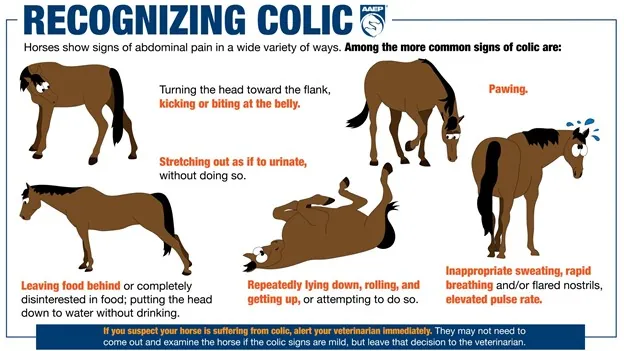
| What you notice | What it usually means | What to do first |
|---|---|---|
| Pawing at ground | Mild abdominal pain | Remove all feed |
| Rolling or thrashing | Severe abdominal pain | Ensure human safety |
| Looking at flanks | Discomfort in gut | Call your veterinarian |
| Stretching out | Urinary or gut pain | Monitor vitals closely |
| Sweating heavily | High pain levels | Monitor safely from a distance |
| Refusing to eat | Systemic distress | Check water intake |
Early detection relies on spotting subtle shifts in your horse’s baseline behavior. If your horse ignores a favorite treat or stands in an unusual, hunched posture, investigate immediately. These minor changes often precede the violent physical displays of advanced distress.
When you observe these signs, keep the horse in a safe, enclosed area. Avoid small stalls where a thrashing animal might trap itself or injure its legs against walls. If the horse is rolling, you must prioritize your own safety. Don’t attempt to hold a horse that’s violently throwing itself to the ground, as you risk being crushed.
Instead, clear the immediate area of buckets, heavy equipment, or other horses. If the animal remains standing, gentle walking can prevent further rolling while you wait for professional help. If the horse refuses to move, don’t force it. Watch for any change in breathing rate or gum color, as these indicate how quickly the condition is progressing.
When to remove food and water
If you notice signs of distress, you must remove all access to grain and hay immediately to prevent further impaction or gas buildup in the digestive tract. The horse may continue to drink small amounts of water unless it’s in extreme pain, but you should monitor this closely. If the horse is rolling, you must clear the area of obstacles to prevent injury to the animal or yourself.
The most common mistake owners make is waiting to see if the horse “gets better” before calling for help. This delay often results in a condition that could have been treated medically turning into a surgical emergency. If the horse is calm enough to stand, keep them moving at a slow walk to prevent them from throwing themselves down. If they’re too violent, keep them in a safe, padded, or grass-covered area.
According to the American Association of Equine Practitioners, you should record the horse’s heart rate, respiratory rate, and gum color to provide accurate data to the clinic. If the heart rate is consistently above 60 beats per minute, the situation is likely urgent.
Signs of impaction colic
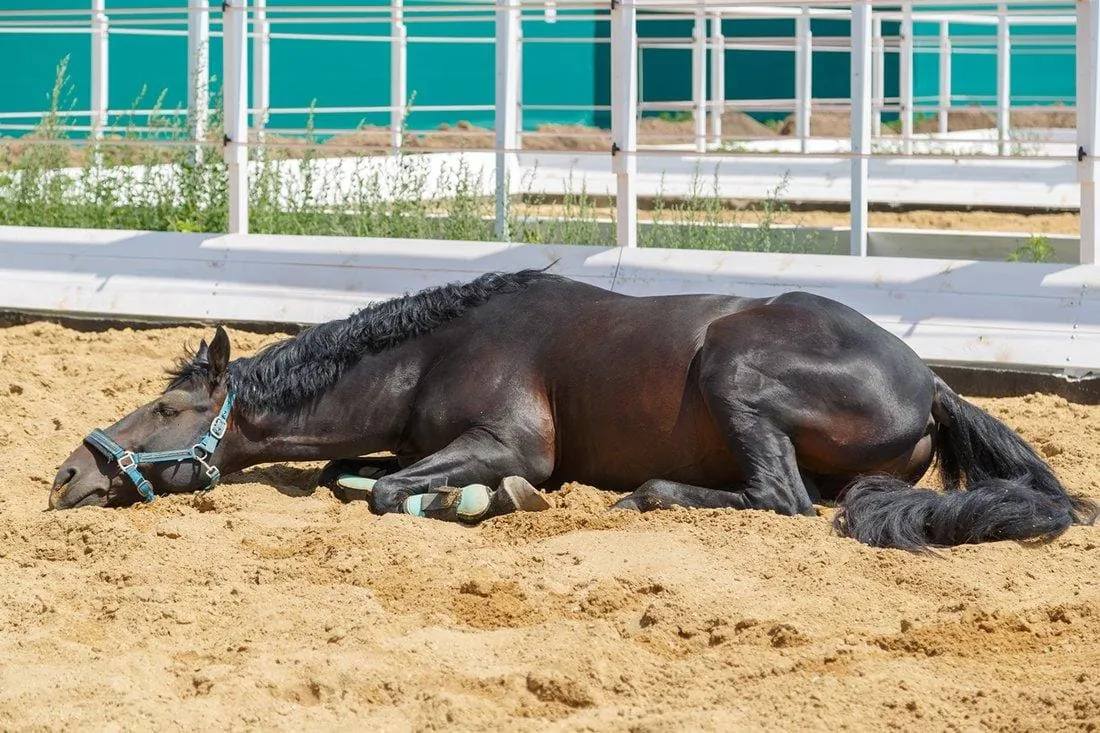
Impaction occurs when dry feed or foreign material creates a blockage in the intestines, often due to poor water intake or changes in diet. You can tell this apart from gas colic because the pain is typically lower-level and persistent rather than sharp and intermittent. The horse might spend a long time standing in a “sawhorse” stance, appearing to strain but producing little manure.
If you suspect impaction, don’t attempt to force-feed mineral oil or any other substance unless specifically directed by your vet. Doing so can cause the horse to inhale the liquid into their lungs, leading to pneumonia.
Instead, wait for the veterinarian to arrive, as they will use a nasogastric tube to safely administer fluids and lubricants. You’ll know the treatment is working when the horse begins to pass manure and their heart rate returns to the normal range of 28 to 44 beats per minute.
Identifying gas colic
Gas colic happens when fermentation in the hindgut produces excess gas, causing the intestines to stretch and distend. This often causes the horse to look at their sides frequently and behave in a restless, agitated manner. The pain is usually quite sharp, causing the horse to lie down and stand up repeatedly in a short period.
You can distinguish gas colic from impaction because the pain levels fluctuate significantly, often peaking and then subsiding for a few minutes. If the horse is moving around and seems somewhat comfortable between bouts of pain, it’s likely gas. If the horse remains in constant, intense agony that doesn’t respond to short walks, it may indicate a displacement or twist.
Listen closely to the horse’s belly for clues. In cases of gas, you may hear loud, pinging sounds or active gurgling, known as borborygmi, coming from the abdomen. Conversely, an absence of these sounds suggests a more serious blockage or a lack of motility.
Always avoid administering any pain medication without a vet’s express permission. Drugs like flunixin meglumine can mask symptoms, potentially hiding a surgical emergency and making a proper diagnosis impossible for your veterinarian.
When to call for emergency help
-
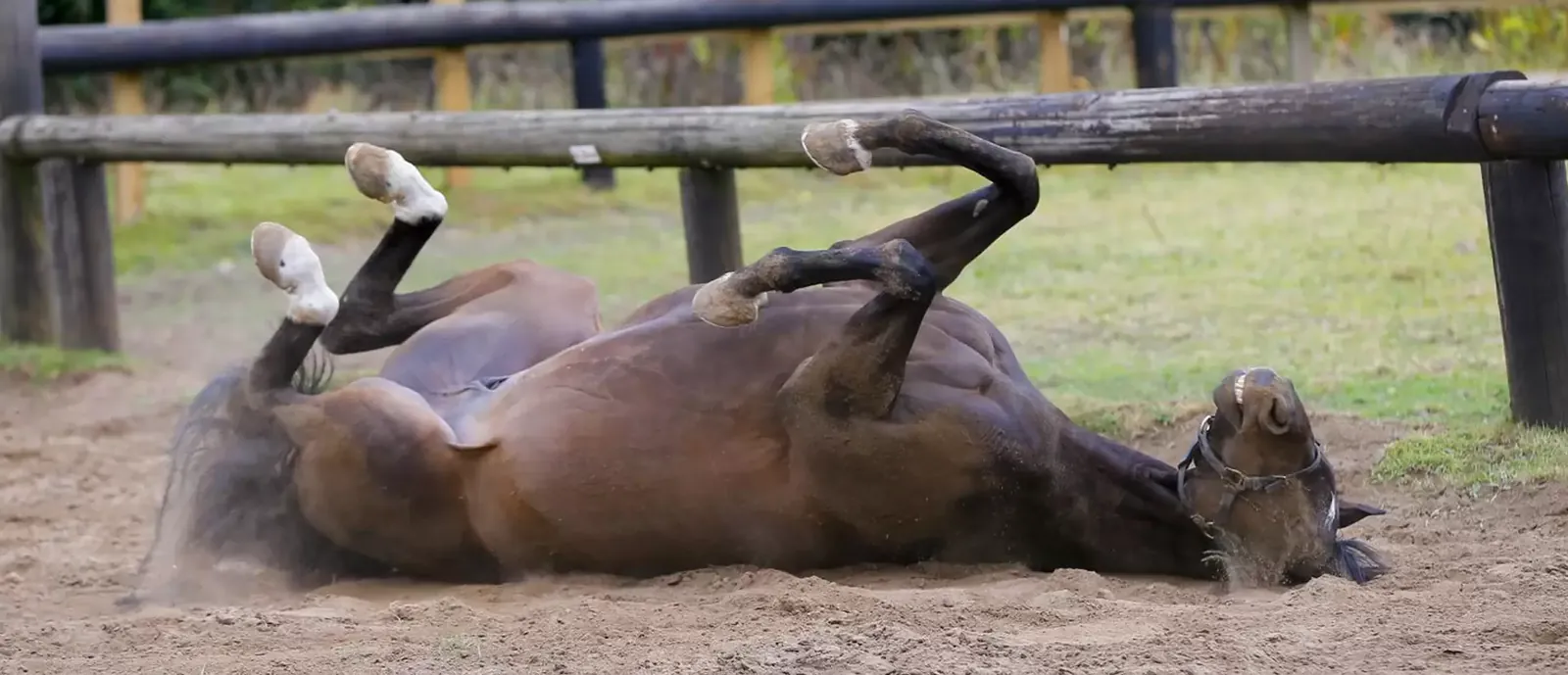
Persistent rolling: This indicates extreme pain and a high risk of intestinal displacement or rupture. If your horse can’t be kept on its feet, don’t force it to stand. Instead, clear the immediate area of obstacles to prevent self-injury while you wait for the vet.
-
Violent thrashing: If the horse is dangerous to handle, stop all interventions to protect yourself from injury. Your safety is the priority. Move away from the stall and monitor the animal from a distance where you remain out of reach of flailing limbs.
-
Heart rate over 60 bpm: This is a clear sign of significant cardiovascular stress requiring immediate medical intervention. A sustained high pulse indicates the body is struggling to maintain circulation.
-
Dark or purple gums: This suggests the horse is going into shock and needs rapid intravenous therapy. Healthy gums should be moist and pink. Any shift toward deep red, purple, or gray indicates a critical systemic failure.
If you encounter these signs, stop all home care. These cases require professional equipment that can’t be replicated in a stable.
Frequently asked questions
Is it safe to walk a horse with colic?
Yes, it’s safe to walk a horse as long as they’re calm enough to do so without injuring themselves or you. Walking prevents the horse from rolling and potentially twisting their intestines, but you should stop immediately if the horse becomes exhausted or too difficult to handle.
How long should I wait before calling the vet?
You should never wait to call the vet if you suspect colic, as early intervention significantly improves the survival rate. Call your veterinarian the moment you notice abnormal behavior, as they can help you decide if the situation requires an immediate visit or can be managed with observation.
Can I give my horse aspirin for pain?
No, you should never give human pain medications like aspirin or ibuprofen to a horse without a veterinarian’s explicit instructions. These drugs can cause severe stomach ulcers and kidney damage in horses, and they may mask the symptoms needed for a correct diagnosis of the underlying problem.
What happens if the horse refuses to walk?
If the horse refuses to walk, don’t force them, as this indicates they’re in too much pain to cooperate safely. Allow the horse to stand or lie down in a safe, soft area and focus on keeping them calm while you wait for the veterinarian to arrive.
Does it matter if the horse has had colic before?
Yes, a history of colic is a major risk factor, and you should treat every new episode as a potential emergency regardless of past experiences. Horses prone to impaction or gas may have underlying management issues that need to be addressed by your vet once the current crisis is resolved.
How much water should a colicky horse drink?
You should offer small amounts of fresh, clean water, but don’t force the horse to drink. If the horse is in severe pain, they will likely refuse to drink anyway, and forcing water can lead to choking or aspiration if they aren’t swallowing correctly.
Conclusion
Watching your horse recover is a relief, but don’t rush back into their normal routine too quickly. Keep a close eye on their appetite and manure output over the next few days. It’s a good idea to chat with your vet about adjusting their diet, as that’ll help prevent future discomfort.