
An adult horse needs a tetanus shot once every year to maintain immunity, though a veterinarian might suggest a different schedule based on your horse’s specific risk of injury. If you skip this annual dose, your horse loses its protection against the soil-borne bacteria Clostridium tetani. Leaving a horse unprotected for more than 12 months increases the risk of a fatal infection if they suffer a deep wound.
When a horse needs a tetanus shot

The schedule for your horse depends on their age, their history of previous vaccinations, and their exposure to potential injury. You should consult your local veterinarian to confirm the exact date for the next dose, as individual immunity levels vary.
| Horse status | Vaccination frequency | What shows it’s due |
|---|---|---|
| Healthy adult | Once every 12 months | Annual wellness visit |
| Unvaccinated foal | Three doses, 4 weeks apart | Age milestones |
| Pregnant mare | One month before foaling | Foaling preparation date |
| After deep injury | Immediate booster if last dose >12 months | Veterinarian clinical assessment |
| Aged or sick horse | Custom schedule by vet | Health status changes |
Risks of missing a tetanus dose
Missing your horse’s yearly booster allows their antibody levels to drop below the threshold needed to neutralize the toxins produced by tetanus bacteria. The first consequence is a weakened immune response, which happens gradually over several months after the previous protection expires. You won’t see this decline in your horse’s behavior or appearance, making it a silent but dangerous gap in their health.
Tetanus spores live in the soil everywhere, and they enter the body through small, contaminated wounds that often go unnoticed. If a horse isn’t current on their shots, the bacteria can multiply and release toxins that attack the nervous system.
Eventually, the horse will show severe symptoms like muscle stiffness, a “sawhorse” stance, and difficulty eating. According to the American Association of Equine Practitioners, tetanus is a highly fatal disease in horses, and once clinical signs appear, the chances of recovery are extremely low.
You must check your horse’s health records or consult your veterinarian to confirm the date of their last injection. Relying on memory is a common mistake that often leads to a dangerous lapse in coverage for the animal.
Signs a shot is overdue
-
Expired health records: The date on your vaccination log is more than 12 months in the past. Relying on memory is dangerous; if the paperwork is missing, assume the protection has lapsed.
-
Deep puncture wounds: A recent injury has occurred, and the last shot was administered over six months ago. Tetanus bacteria thrive in oxygen-deprived environments deep beneath the skin. If a wound is narrow and jagged, the risk is immediate.
-
Uncertain history: You purchased a new horse and the previous owner can’t provide a verifiable vaccination record. Without proof, you must treat the horse as unvaccinated to ensure safety.
-
Foaling preparation: A mare is within 30 days of her due date and hasn’t been boosted in the last year. This timing is critical to ensure the foal receives protective antibodies through the colostrum.
-
Upcoming surgery: A planned medical procedure is scheduled, and the horse’s status is currently unknown or expired. Surgical sites are prime targets for infection.
-
Change in environment: Moving to a new stable where the soil conditions or exposure risks are higher than your previous location.
Time and effort for vaccination
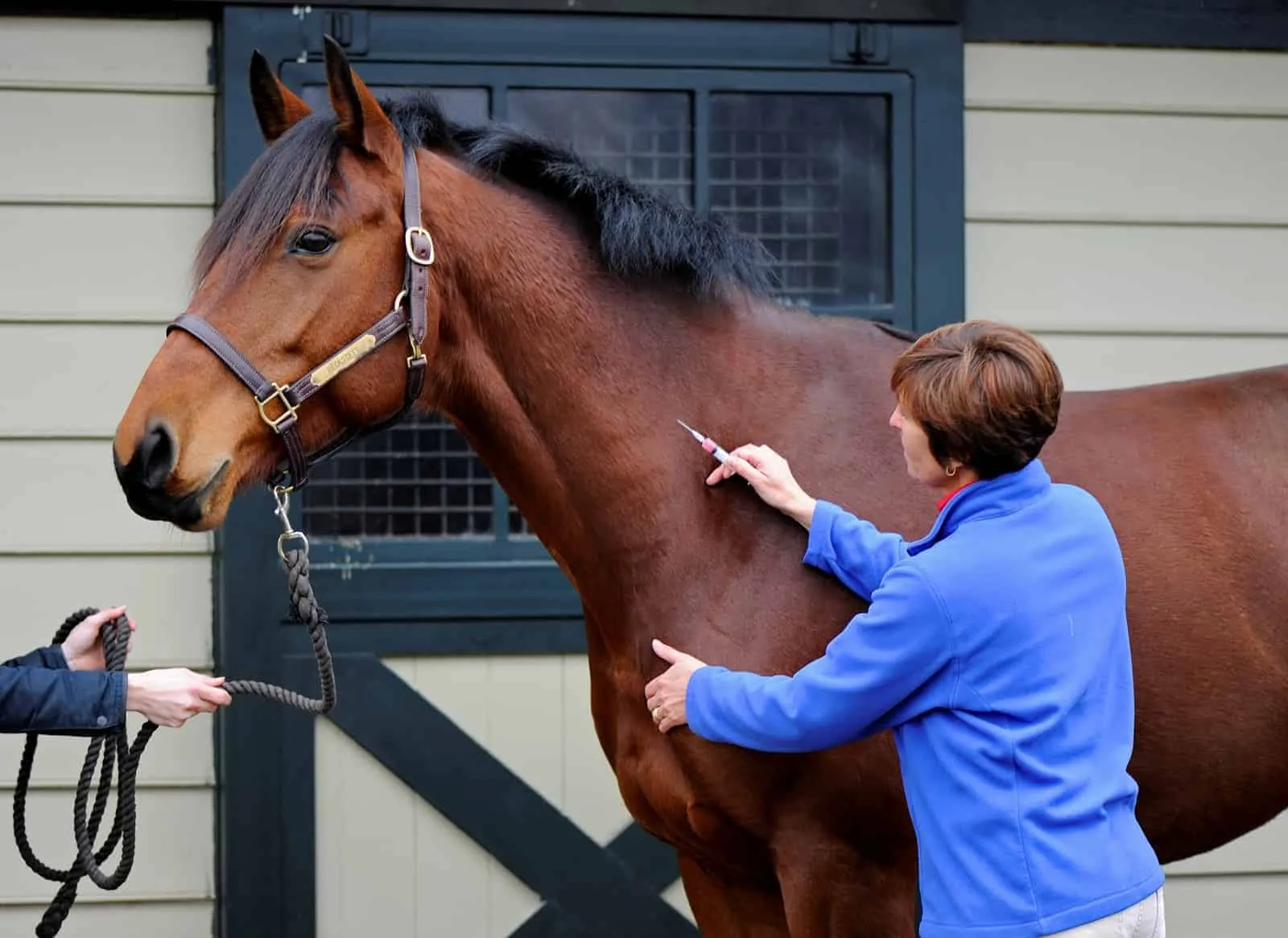
Scheduling a tetanus shot for your horse usually takes about 30 minutes, including the time it takes for your veterinarian to arrive and perform a brief physical exam. It isn’t just about the injection; the vet must ensure the horse is healthy enough to receive the vaccine. If your horse is already showing signs of illness, the vet may delay the shot, which is a necessary trade-off to avoid stressing an already compromised immune system.
The effort required from you is minimal, as it involves coordinating an appointment and holding the horse steady during the procedure. You’ll need to provide a clean, quiet area for the vet to work. While the cost varies by region and clinic, it’s generally an affordable part of routine care. You can find your local pricing by calling your regular equine practice or checking their official website for a list of standard farm-call fees.
Habits to maintain immunity
Keep digital records. Use a smartphone app or a dedicated folder to track the exact date of every injection. Consistent documentation prevents gaps in coverage that occur when relying on memory alone.
Sync with dental care. Schedule your annual tetanus booster at the same time as your horse’s yearly dental checkup to ensure neither is missed. This pairing creates a reliable calendar anchor that simplifies your barn management routine.
Check fencing regularly. Repairing sharp wires or protruding nails reduces the chance of puncture wounds that require emergency boosters. A clean environment minimizes the daily exposure to the bacteria that thrive in soil and rusted metal.
Update your vet. Notify your veterinarian immediately if your horse suffers a deep wound, even if you think the vaccination is current. They may recommend a supplemental dose to ensure the immune system responds fast enough to neutralize potential toxins.
Related guides
- Why Do Horses Need Shoes: Essential Protection Explained
- Why Do Horses Need Horseshoes: Essential Protection Explained
- Horses
Frequently asked questions
Can a horse survive tetanus without a shot?
Survival is extremely rare without a vaccination, as the disease is almost always fatal once symptoms begin. The mortality rate for unvaccinated horses that contract the bacteria is very high, often exceeding 80% even with intensive hospital care. Vaccination is the only reliable way to prevent this outcome.
How long does a tetanus shot last?
A standard tetanus toxoid vaccine provides effective immunity for 12 months in a healthy adult horse. While some individual horses might maintain higher antibody levels for slightly longer, you should never exceed the one-year interval without guidance from your veterinarian.
Is it safe to vaccinate a sick horse?
It isn’t recommended to vaccinate a horse that’s currently fighting an infection or showing signs of illness. The immune system is already under stress, and adding a vaccine may not produce the desired protection. Always have a veterinarian assess the horse’s temperature and general health before proceeding.
What happens if I miss the 12-month window?
If you miss the annual booster, your horse is at an increased risk of infection from environmental bacteria. You should contact your veterinarian immediately to schedule a catch-up dose. They will advise you on whether a single booster is sufficient or if a more complex series is required.
Does a horse need a shot after every wound?
A horse doesn’t need a shot after every small scratch, but they do need an immediate assessment if they have a deep or dirty puncture wound. If your horse hasn’t received a tetanus booster in the last 12 months, your vet may recommend a booster as a precaution.
How often does a foal need a tetanus shot?
A foal typically receives its first tetanus vaccine at 4 to 6 months of age, followed by a second dose 4 to 6 weeks later. A third booster is usually administered at 10 to 12 months of age to complete the primary series. Follow your vet’s specific schedule for your facility.
Ensuring your horse stays protected
Start by checking your horse’s medical records to find the date of their last tetanus injection. If the date is more than 12 months ago, call your local veterinarian to schedule an appointment as soon as possible.
If you notice a deep or dirty puncture wound, stop and call your vet immediately, as this requires urgent professional attention to prevent infection.
Even if your horse is current on their annual schedule, a fresh wound can bypass existing immunity. A veterinarian may administer a tetanus toxoid booster or antitoxin to provide an immediate surge of antibodies. This proactive step is crucial because tetanus bacteria thrive in low-oxygen environments, making deep, narrow punctures particularly dangerous. Always confirm your horse’s status before starting any wound treatment.