
Have you ever wondered why horses wear shoes? It might seem strange at first—after all, their hooves look tough enough on their own.
But just like your shoes protect your feet, horseshoes play a vital role in keeping a horse healthy and comfortable. If you care about horses or are curious about how they stay strong and active, understanding why horses need shoes will give you surprising insights.
Keep reading to discover the simple yet powerful reasons behind this age-old practice and how it helps horses perform their best every day.

Credit: www.horseandhound.co.uk
Horse Hoof Anatomy
Understanding horse hoof anatomy is key to knowing why horses need shoes. Hooves are not just hard parts; they are complex structures that support the horse’s entire body weight. Each hoof works like a shock absorber and a tool for movement.
Horses walk, run, and stand on these hooves every day. The health and shape of the hoof affect how well a horse moves and feels. Knowing the hoof’s parts and their roles helps explain the need for shoeing.
Structure Of The Hoof
The hoof has several important parts. The outer wall is hard and protects the inside. It grows constantly, similar to human nails. The sole is the bottom part that touches the ground. It is softer but still tough.
Inside the hoof, there is the sensitive laminae. This area connects the hoof wall to the bone and carries blood vessels and nerves. The frog is a V-shaped part on the bottom. It helps with traction and absorbs shock.
Function Of Hooves
Hooves support the horse’s weight and help with balance. They absorb shock from walking and running on hard surfaces. The hoof also protects the inner tissues from injury and infection.
Good hoof function keeps the horse comfortable and active. Weak or damaged hooves can cause pain and lameness. Shoes help protect hooves from wear and damage, especially on rough ground.
Credit: tributeequinenutrition.com
Challenges For Bare Hooves
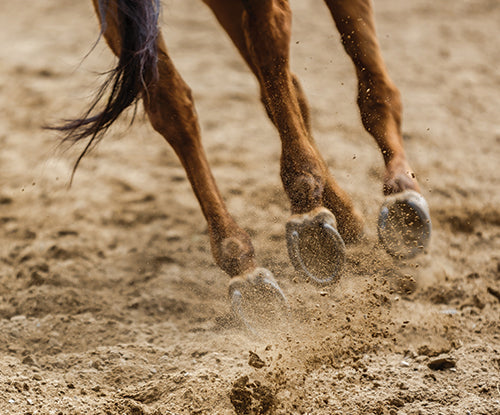
Horses have strong hooves built for walking and running. But bare hooves face many challenges every day. These challenges affect the horse’s comfort and health. Understanding these problems helps explain why horses often need shoes.
Terrain And Surface Impact
Hooves meet many types of ground. Hard surfaces like pavement can hurt bare hooves. Rough ground with rocks or gravel can cause pain. Soft, wet soil can make hooves weak and soft. Changing surfaces put stress on the hooves. Shoes help protect hooves from harsh terrain.
Wear And Tear
Bare hooves wear down quickly on hard or rough ground. Constant walking and running cause the hoof to thin. Thin hooves lose their natural strength and shape. Worn hooves can crack or split easily. Shoes add a layer of protection and support. They help hooves last longer and stay strong.
Injury Risks
Bare hooves are more likely to get hurt. Sharp rocks or debris can cause cuts or bruises. Hooves can chip or crack from hard impacts. Injuries cause pain and may lead to infection. Shoes provide a barrier that reduces injuries. They help horses stay safe and healthy.
Benefits Of Horse Shoes
Horse shoes offer many benefits that help horses stay healthy and strong. They protect the hooves and improve the horse’s ability to move safely. Shoes also support the horse’s overall hoof health. These benefits make horse shoes important for both working and riding horses.
Protection Against Damage
Horse shoes shield hooves from rough ground and sharp objects. They prevent cracks, chips, and excessive wear. Shoes help horses avoid injuries on rocky or hard surfaces. This protection keeps horses comfortable and able to work longer.
Enhanced Traction
Shoes provide better grip on slippery or uneven surfaces. They reduce slipping on wet grass, mud, or pavement. This added traction helps horses stay balanced and safe. It allows horses to perform well in different weather and terrain.
Support For Hoof Health
Horse shoes help maintain the shape of the hoof. They support weak or damaged hooves during healing. Shoes can correct hoof problems and improve walking comfort. This support encourages strong and healthy hoof growth over time.
Types Of Horse Shoes
Horses need different types of shoes for various reasons. Shoes protect their hooves from wear and injury. They also help horses perform better on different surfaces. Understanding the types of horse shoes helps in choosing the right one for each horse.
Some shoes are simple and work for most horses. Others are made for specific needs or special conditions. Materials can also vary to offer extra comfort or strength.
Standard Metal Shoes
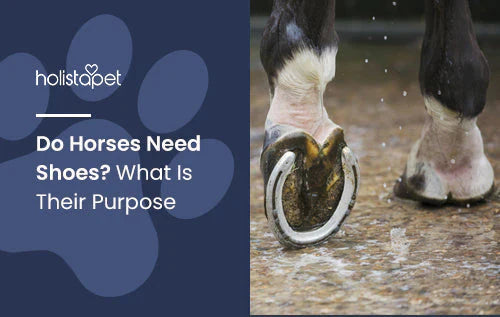
Standard metal shoes are the most common type. They are usually made of steel or aluminum. Steel shoes are strong and last a long time. Aluminum shoes are lighter and help horses move faster. These shoes fit the hoof perfectly and protect it from hard ground. Blacksmiths nail these shoes to the hoof, making sure they stay secure.
Specialized Shoes
Some horses need shoes designed for special tasks. Racing horses often wear lightweight shoes to increase speed. Horses with hoof problems may need shoes with extra support or padding. Trail horses might use shoes with studs for better grip on slippery paths. These shoes help horses stay healthy and perform well.
Alternative Materials
Shoes made from alternative materials are growing in use. Rubber and plastic shoes offer more cushioning and comfort. They reduce impact on hard surfaces and protect sensitive hooves. These materials are also lighter and quieter. Some horses prefer these shoes because they feel softer underfoot.
When Horses Need Shoes
Horses do not always need shoes. It depends on many things about their life and health. Knowing when horses need shoes helps keep them healthy and strong. Shoes protect their hooves from damage and pain. Some horses wear shoes all the time. Others only wear them sometimes. The choice depends on how the horse lives and works.
Workload And Activity
Horses that work hard need shoes more often. Horses that pull carts or carry heavy riders put more pressure on their hooves. Running or jumping on hard ground can wear hooves down quickly. Shoes give extra support and stop hooves from cracking. Horses used for light riding or walking may not need shoes at all.
Hoof Condition
Some horses have weak or soft hooves. These hooves can break or chip easily. Shoes help protect weak hooves and keep horses comfortable. If a horse’s hooves grow too fast or unevenly, shoes can help balance them. A farrier checks hooves and decides if shoes are needed.
Environmental Factors
Where a horse lives affects shoe needs. Hard, rocky, or rough ground wears hooves faster. Wet or muddy places make hooves soft and weak. Shoes protect hooves in tough environments. Horses that live on soft grass or sandy soil may not need shoes as much.
Shoeing Process
The shoeing process is essential to keep horses comfortable and healthy. It protects their hooves from wear and damage. Proper shoeing also improves their performance on different surfaces. The process includes fitting, applying, and maintaining the shoes. Each step must be done carefully by a skilled farrier.
Fitting And Application
The farrier starts by cleaning the horse’s hooves. This removes dirt and old shoe nails. Then, the farrier trims the hooves to the right shape and length. Proper trimming ensures the shoes fit well. The shoes are selected based on the horse’s needs and activities.
The farrier heats the shoe to shape it perfectly. After cooling, the shoe is nailed to the hoof. The nails are placed carefully to avoid pain or injury. Finally, the farrier smooths the edges and checks the fit. The horse should feel comfortable and balanced.
Maintenance And Replacement
Horseshoes need regular checks and care. The farrier inspects the shoes every 4 to 6 weeks. This schedule helps catch wear or damage early. Loose or worn shoes can cause hoof problems.
The farrier removes old shoes before they cause harm. New shoes are applied to keep the hooves protected. Daily hoof cleaning by the owner helps maintain shoe health. Proper maintenance extends the shoe’s life and keeps the horse happy.
Potential Downsides Of Shoes
Horseshoes protect hooves but come with some drawbacks. Shoes can cause problems if not used correctly. Understanding these downsides helps horse owners make better choices.
Risks Of Improper Shoeing
Improper shoeing can hurt a horse’s hooves and legs. Shoes that are too tight or loose cause discomfort. Poorly fitted shoes may lead to hoof cracks or infections. These problems affect a horse’s ability to walk or run well. Regular checks by a skilled farrier reduce these risks.
Natural Hoof Wear Considerations
Horses’ hooves wear down naturally on hard ground. Shoes stop this natural wear, which can change hoof shape. Without natural wear, hooves may become too long or weak. Some horses may develop soreness or imbalance. Understanding natural hoof needs helps decide if shoes are necessary.
Credit: www.holistapet.com
Frequently Asked Questions
Why Do Horses Need Shoes On Their Hooves?
Horses need shoes to protect their hooves from wear and damage. Shoes provide extra support and prevent injuries on hard surfaces. They also improve traction and comfort, especially for working or performance horses.
How Do Horse Shoes Protect Hoof Health?
Horse shoes shield hooves from excessive wear and cracking. They distribute weight evenly, reducing stress on hoof walls. Shoes also prevent injuries caused by rough terrain or hard ground, promoting overall hoof health.
When Should A Horse Be Fitted With Shoes?
A horse should be shod when its hooves wear down quickly or show signs of damage. Performance horses or those working on rough surfaces often need shoes regularly. A farrier can best determine the right timing for shoeing.
Can Horses Go Without Shoes Safely?
Some horses can go barefoot if they have strong, healthy hooves and soft terrain. However, many horses benefit from shoes for protection and support, especially during intense activities or on tough ground.
Conclusion
Horses wear shoes to protect their hooves from damage. Shoes help horses walk on rough or hard ground without pain. They also support hooves that need extra care. Wearing shoes can prevent injuries and keep horses healthy. Every horse’s needs are different, so a farrier decides when shoes are necessary.
Caring for a horse’s feet is important for its comfort and safety. Shoes are part of good hoof care, especially for working or riding horses. Proper shoeing helps horses perform better and stay strong.