
The cheapest place to get horse stall mats is often a local farm supply store or a regional tractor dealer, as these retailers avoid the high shipping costs associated with heavy rubber flooring. Because these mats typically weigh between 80 and 100 pounds each, ordering them online usually triggers expensive freight fees that erase any initial savings. You can find the best value by comparing local pickup prices against national chains like Tractor Supply Co. Or Fleet Farm.
Where to buy affordable horse stall mats
| Item type | Best for | Common example |
|---|---|---|
| Rubber stall mats | Long-term durability | 4×6 foot black mats |
| Interlocking mats | Preventing shifting | Interlocking edge rubber tiles |
| Stall mattress systems | Joint comfort | Multi-layer foam core |
| Recycled crumb mats | Budget projects | Pressed rubber debris |
Local farm supply stores
Local farm supply stores are the primary source for most horse owners because they keep inventory in stock for immediate pickup. These outlets often receive bulk shipments directly from manufacturers, allowing them to offer competitive pricing without individual shipping surcharges. If you live near a rural area, checking the inventory of a nearby branch is the fastest way to secure mats at a low price.
- They allow you to inspect the quality of the rubber before you pay.
- You save on freight costs by using your own truck or trailer.
- Most stores offer volume discounts if you buy enough to fill an entire 12×12 stall.
If you’re buying for a full barn, ask the manager about “pallet pricing” to see if they can lower the cost per unit. You should verify the thickness of the mats, as the standard for equine facility safety is typically 3/4 inch to ensure proper support and impact absorption.
National tractor and rural retailers
National retailers provide a consistent price point and wide availability across different states. These companies maintain large supply chains that keep costs stable, though they rarely offer free shipping for such heavy items. If your local shop is out of stock, these larger chains often have a central warehouse that can ship to the store for free pickup.
- They provide a standardized product that’s easy to replace if one mat is damaged.
- You can check real-time stock levels for your specific zip code on their websites.
- They frequently host seasonal sales during spring barn-cleaning months.
A common mistake is assuming that the cheapest advertised price includes delivery to your door. Always confirm if the online price is for “store pickup only,” as adding home delivery can sometimes double the total cost of your order.
Livestock equipment liquidators
Livestock equipment liquidators specialize in selling overstock or returned items from larger agricultural suppliers. These businesses often purchase damaged or discontinued inventory, which they pass on to the customer at a significant discount. If you don’t mind minor cosmetic blemishes like scuffs or uneven edges, this is often the most cost-effective route.
- They sell high-quality industrial mats at a fraction of retail prices.
- You can often find thicker, heavy-duty options meant for commercial dairy barns.
- They’re ideal for buyers who need a large quantity to cover multiple stalls.
This option isn’t for those who need a perfect, uniform look, as these mats are often sold in mixed lots. You must be prepared to transport them yourself, as liquidators rarely provide delivery services. Always measure your stall space before arriving, as these items are typically sold “as-is” with no returns allowed.
Used rubber conveyor belting
Used rubber conveyor belting is a popular alternative for owners looking to save money on large flooring projects. Many industrial facilities replace their belts every few years, and they often sell the used sections to local farmers or horse owners. These belts are incredibly durable and are often thicker than standard stall mats, providing excellent protection for your stall floor.
- They’re often much cheaper than new, purpose-built horse stall mats.
- The rubber is usually industrial-grade and designed for high-abrasion environments.
- You can cut them to fit irregular stall shapes with a heavy-duty utility knife.
This option isn’t for those who need a clean, uniform look, as these belts often have textured surfaces from years of industrial use. The thickness varies based on the original application, so you must measure the depth yourself to ensure it matches your specific stall requirements.
Other sources for stall flooring
- Online classifieds: Sites like Craigslist or Facebook Marketplace often feature owners selling leftover mats from barn renovations.
- Dairy supply distributors: These companies carry heavy-duty rubber products for milking parlors that work perfectly for horse stalls.
- Construction surplus yards: Check these locations for leftover rolls of rubber flooring or high-density foam underlayment.
How to choose the right stall mats
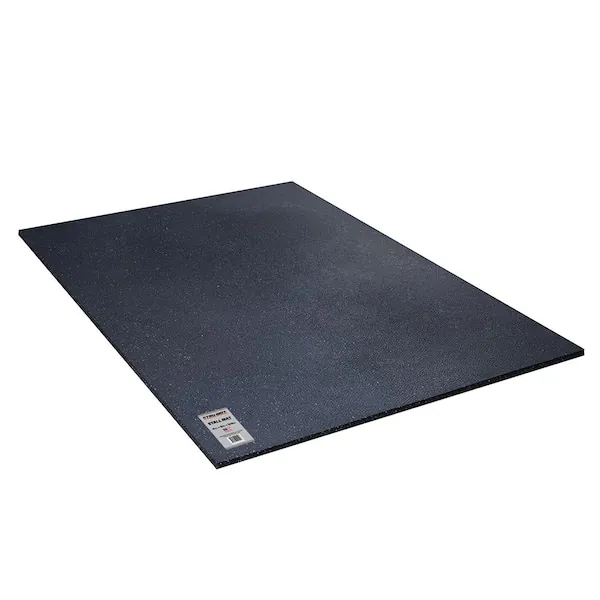
Choosing the right mats depends on your horse’s needs and your budget. If you have a horse that paces or paws at the ground, you need 3/4 inch thick vulcanized rubber, as thinner options will tear quickly under constant pressure. If you’re renovating a rental property on a tight budget, look for recycled crumb rubber mats, which are softer and cheaper but less durable.
For owners with horses that have joint issues, consider a stall mattress system that includes a foam core for extra cushioning. Regardless of the type, ensure you have a solid, level base like compacted stone dust underneath; mats placed on soft dirt will eventually sink and create uneven surfaces. You can safely combine different brands if they share the same thickness, but mixing different thicknesses will create tripping hazards for both you and your horse.
Related guides
Frequently asked questions
How much do horse stall mats usually weigh?
A standard 4×6 foot rubber stall mat weighs between 80 and 100 pounds, depending on its thickness and density. You should confirm the exact weight on the manufacturer’s product label before attempting to move them, as handling these alone can lead to back strain or injury if you don’t have proper lifting equipment.
Can I install horse stall mats by myself?
You can install them yourself if you have a helper to assist with the heavy lifting, but it’s physically demanding work. One person should slide the mat into place while the other guides the edges, as the friction of the rubber makes it difficult to adjust once it touches the floor.
How long should high-quality stall mats last?
High-quality 3/4 inch rubber stall mats typically last 10 to 20 years with proper maintenance and daily cleaning. Their lifespan depends on the quality of your base layer and how often you remove them for deep cleaning, as trapped moisture and ammonia can degrade the rubber from the bottom up over time.
Is it safe to use used conveyor belts for horses?
It’s safe to use used conveyor belts as long as you inspect them for metal wires or sharp protrusions that could injure a horse’s hoof. You must ensure the belt is made of solid rubber and not a fabric-reinforced material that could fray and create a tripping hazard during daily use.
What is the best way to clean stall mats?
The best way to clean them is by sweeping out debris daily and using a mild, horse-safe disinfectant once a week. You should periodically lift the mats to hose down the base layer underneath, as this prevents the buildup of ammonia and moisture that can cause hoof rot and respiratory issues.
How do I stop stall mats from shifting?
You can stop them from shifting by using interlocking mats or by tightly fitting your straight-edged mats against the stall walls. If the mats still move, you can use specialized rubber adhesive or heavy-duty fasteners designed for horse flooring to secure the edges to the base layer.
Does it matter if I choose recycled or virgin rubber?
It matters because virgin rubber is significantly more durable and resistant to tearing than recycled crumb rubber. If your horse spends most of their time in the stall, invest in virgin rubber to avoid the cost of replacing damaged mats every few years.
Conclusion
Start by measuring your stall dimensions to the nearest inch and checking the websites of local farm stores for their current inventory. You should expect to see the mats in stock and ready for pickup within 24 hours of your inquiry. If you find cracks or deep gouges in the rubber during inspection, stop and ask the store for a different piece to avoid future injury.