
The primary disadvantages of horse riding include the high risk of physical injury, the substantial financial commitment required for equipment and care, and the significant time investment needed for animal maintenance. These factors often surprise new riders who expect a simple hobby. While the sport provides unique physical benefits, the reality of managing a large, living animal creates a distinct set of burdens that don’t exist in other recreational activities.
Common risks and costs of horse riding
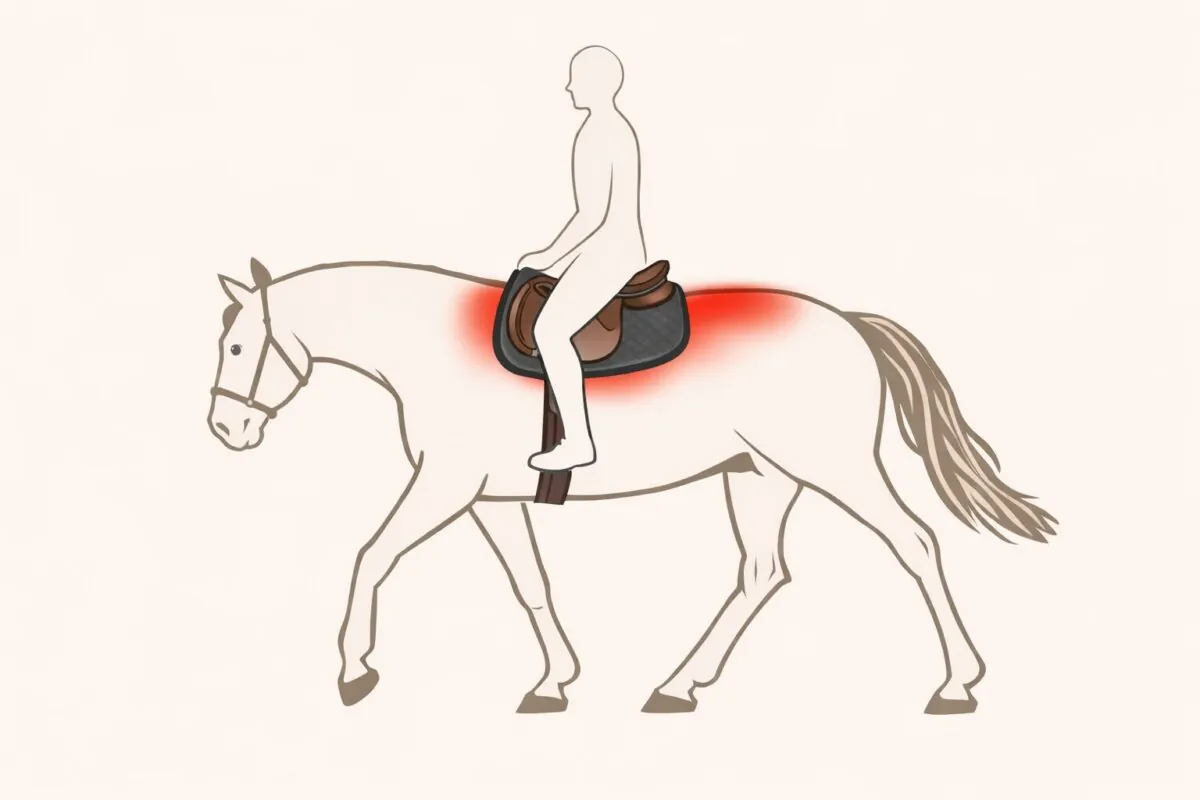
Every rider must weigh the benefits against these practical challenges. This table shows the main areas where riders face difficulties and the specific examples associated with each factor.
| Aspect of riding | Primary challenge | Typical real-world example |
|---|---|---|
| Personal safety | High injury risk | Falling during a jump |
| Financial burden | Ongoing maintenance costs | Monthly boarding fees |
| Time commitment | Daily animal care | Grooming and stall cleaning |
| Physical strain | Muscular fatigue | Chronic lower back pain |
| Skill acquisition | Long learning curve | Years to reach proficiency |
Physical injury risks and safety
The most significant concern for any equestrian is the potential for serious harm during a fall or a collision. Riders often face fractures, concussions, or soft tissue damage, especially when working with younger or less experienced horses. According to the Centers for Disease Control and Prevention, head injuries remain a leading cause of severe harm in the equestrian community.
- Falling from a height of five feet or more often results in significant impact trauma.
- Sudden movements can lead to muscle strains in the core, shoulders, and legs.
- Interaction with a large animal increases the risk of being crushed or stepped on.
If you’re a beginner, always ride in a controlled arena; if you’re experienced, you must still wear a certified helmet every time you mount. A common mistake is failing to check equipment before every ride, which can cost you your safety if a girth snaps mid-gallop.
Financial commitment for horse owners
Owning a horse requires a constant flow of capital that many underestimate at the start. Beyond the initial purchase price, you must budget for monthly stable fees, specialized feed, professional farrier visits every 6 to 8 weeks, and regular veterinary checkups. If you choose to board your horse, costs vary significantly depending on the facility’s location and the level of care provided.
- Equipment costs include saddles, bridles, and protective gear that require frequent replacement.
- Emergency veterinary bills can reach thousands of dollars without warning.
- Insurance premiums for both the animal and personal liability add to the annual total.
This hobby isn’t for those who want a low-cost activity. If you have a limited budget, consider taking weekly lessons at a local riding school instead of buying your own horse.
Time demands of animal management
Horses aren’t machines you can turn off when you’re finished riding. They require daily attention regardless of the weather, your schedule, or your health. You must allocate at least 90 minutes each day for basic tasks like mucking out stalls, grooming, and providing fresh water and hay.
- Training sessions require consistency to maintain the animal’s fitness and discipline.
- Travel to the stable is often necessary, adding significant time to your daily routine.
- Management of minor health issues requires you to be present for vet or farrier appointments.
The limit for most people is the ability to balance a full-time job with these intensive care requirements. If you can’t guarantee at least 10 hours of dedicated time per week, you’ll find it difficult to keep a horse healthy and happy.
Physical strain and long-term health
Riding requires intense engagement of the core muscles and legs, which can lead to specific physical discomforts. Many riders experience chronic lower back pain or hip tightness due to the repetitive motion of the horse’s gait. Unlike other sports, you can’t simply stop for a break if the animal is in the middle of a trail or a technical routine.
- Joint stress is common in the knees and ankles due to the weight placed in the stirrups.
- Posture correction requires constant mental focus, leading to physical fatigue after long sessions.
- Recovery time after a rigorous ride can take 24 to 48 hours for those not used to the strain.
If your body doesn’t recover quickly, you should limit your sessions to 30 minutes twice a week. Pushing through pain often leads to long-term joint issues that require professional physical therapy to resolve.
Other challenges for riders
- Environmental exposure: You must ride in extreme heat, cold, or rain, which tests your physical endurance and requires expensive, weather-proof clothing for both you and the horse.
- Limited facilities: Finding a stable with high-quality arenas and safe trails near your home is difficult, often forcing long commutes that consume your limited free time.
- Animal temperament: Dealing with an unpredictable horse can be mentally draining, as you must maintain calm and authority even when the animal is agitated or scared.
How to choose the right path
Deciding whether to pursue riding depends on your available time, your financial threshold, and your comfort with physical risk. If you have limited time and money, you should start with weekly lessons at a reputable local stable to see if the sport suits you.
If you have the resources but fear injury, look for schools that specialize in beginner-safe horses and emphasize safety gear. Combining these factors means you must accept that riding is a lifestyle, not just a weekend activity; if you can’t commit to the daily care of the animal, it’s best to remain a student rather than an owner.
Frequently asked questions
How long does it take to learn the basics?
It takes about 6 to 12 months of consistent weekly lessons to learn basic control and balance. This assumes you’re attending at least one 60-minute session every week with a certified instructor. If you only ride once a month, the time required to develop these skills will double or triple.
Is it safe for children to ride?
It’s safe for children only when they’re under constant supervision by a professional in a secure facility. You must ensure the child wears a certified ASTM/SEI helmet at all times. If the child isn’t ready to follow strict safety instructions, they shouldn’t be near horses.
How much does it cost to start?
You can start with a private lesson at a local riding school for a modest fee. This is the most cost-effective way to begin because you don’t need to buy your own horse or pay for boarding. If you decide to buy, the upfront costs are far more expensive.
What happens if I fall off?
You should immediately check for signs of head injury or severe pain before attempting to stand up. If you feel dizzy or have neck pain, don’t move and ask someone to call for emergency medical help. A fall can easily result in a concussion even if you wear a helmet.
Does it matter what gear I wear?
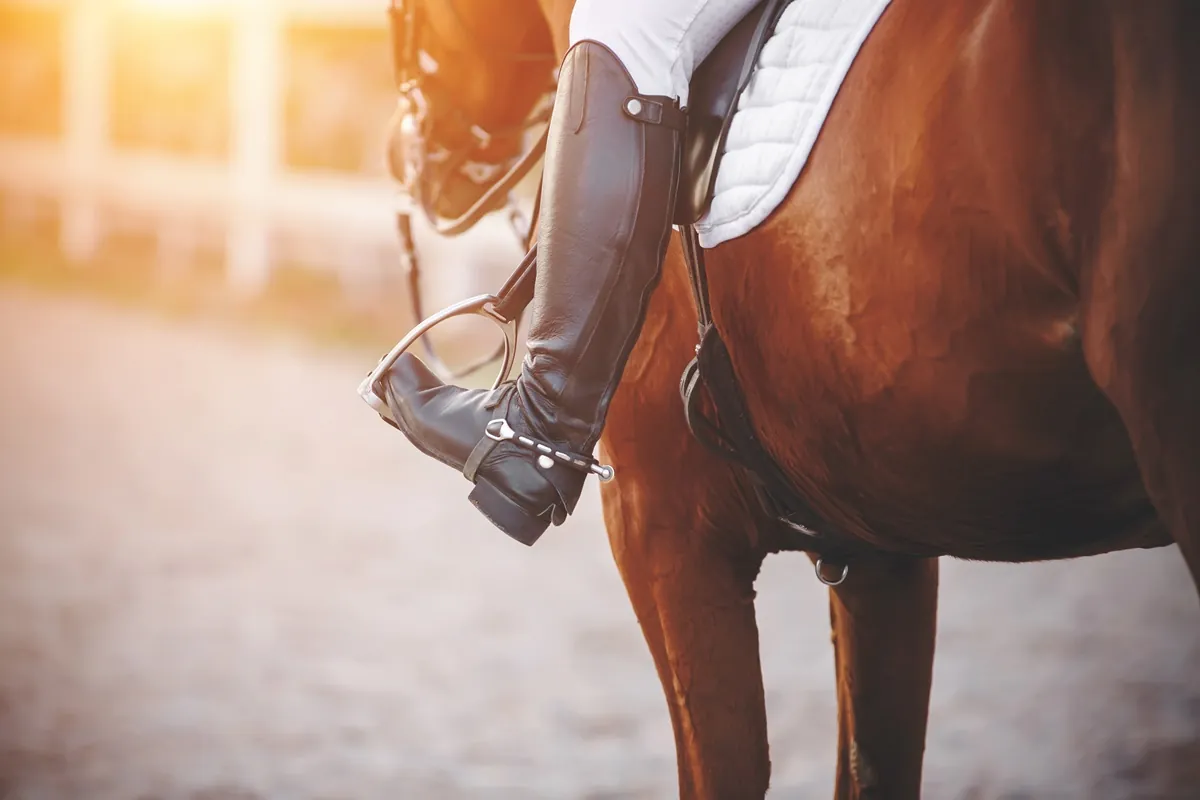
It matters significantly because proper boots with a heel prevent your foot from slipping through the stirrup. Wearing sneakers or sandals is a major safety hazard that can lead to being dragged if you fall. Always check with your instructor for the required safety standards for your specific area.
Can I ride if I have back pain?
You should consult with a medical professional before riding if you have existing back issues. The constant vibration and movement of the horse can worsen spinal conditions if you don’t have the proper core strength. If a doctor clears you, start with very short, gentle sessions.
Conclusion
Start by visiting a local stable to watch a few lessons from the sidelines. You’ll see if the physical demands and the environment match your expectations before you invest in any gear. If you notice yourself feeling anxious or if you experience sharp pain during your first observation or trial lesson, it’s time to stop and consider a different activity.