
You can start by finding a local trainer and scheduling an introductory lesson to learn the basics of working with cattle. This process of how to get started in cutting horses is relatively inexpensive compared to other equestrian disciplines, depending on your location and the facility’s rates. It’s an ideal pursuit for riders who enjoy precision, speed, and a deep partnership with their animal.
Getting started with cutting horses gear and training
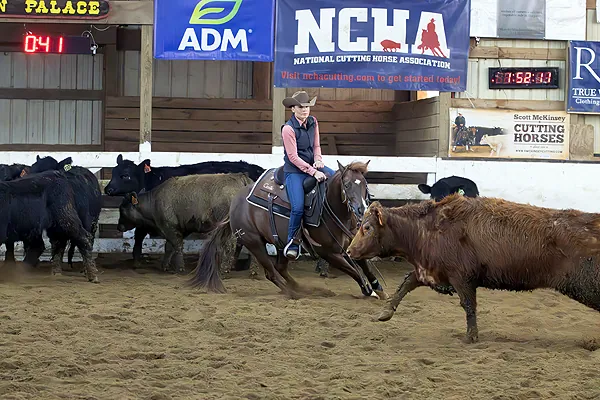
To begin your journey, you need specific equipment and access to a suitable horse. You can’t start without the right foundation, as safety and control are the most important factors when working with live cattle.
- Western Saddle: Use a well-fitted reining or cutting saddle that offers stability during quick, sharp movements.
- Safety Helmet: Always wear an ASTM/SEI-certified equestrian helmet to protect against falls.
- Appropriate Boots: Choose leather boots with a distinct heel to prevent your foot from sliding through the stirrup.
- Reliable Horse: Start on a seasoned “schoolmaster” horse that knows how to read cattle, as these animals are already trained for the sport.
- Protective Gear: Consider wearing a protective vest if you’re new to high-speed maneuvers.
You should never attempt this sport on a green or untrained horse, as this leads to dangerous accidents. If you need to find a reputable trainer, search for members of the National Cutting Horse Association to ensure they follow professional standards. While you can rent equipment at many barns, you’ll eventually need your own saddle for a consistent fit.
Steps for Training with Cattle
- Locate a professional trainer who specializes in cutting. They will provide the necessary cattle and a horse suited to your current skill level.
- Learn the basic seat and balance required for sudden stops and turns. Your trainer will show you how to keep your center of gravity deep in the saddle.
- Practice on a mechanical cow before moving to live animals. This helps you develop the rhythm of the sport without the unpredictability of a real calf.
- Work with a single, quiet calf once your trainer approves. You’ll learn how to “cut” the calf from the herd and maintain control as it tries to return.
- Focus on your horse’s signals rather than pulling on the reins. A well-trained cutting horse performs most of the work, and your job is to stay balanced and out of the way.
- Evaluate your progress after every session. If you feel overwhelmed, ask your trainer to slow the pace or return to the mechanical cow for more practice.
Careful: Never wrap the reins around your hands, as the quick movements of a horse can cause severe injury if you’re caught.
Tip: Watch professional competitions to see how top riders sit and move with the horse.
Situational Costs and Time Estimates
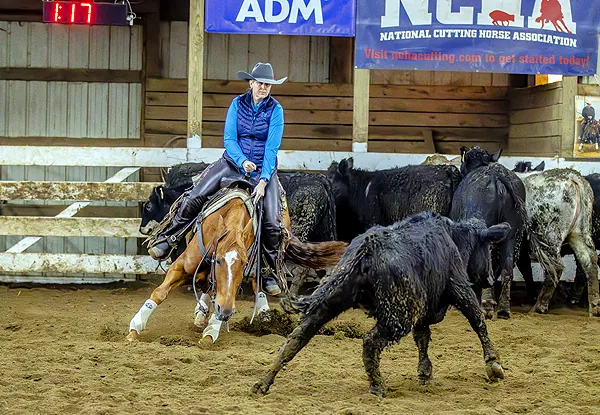
Training intensity varies significantly based on your goals and current riding experience. Starting slowly helps you build the necessary muscle memory without overworking your horse or yourself.
| Situation | Time/Cost | Differences | What to Watch |
|---|---|---|---|
| Intro Lesson | $150–$300 | Includes horse use | Your posture |
| Weekly Training | $600–$1,200/mo | Regular coaching | Horse fatigue |
| Leasing a Horse | $800–$2,000/mo | Full access | Feed and vet |
| Horse Ownership | $15,000+ | Total responsibility | Health records |
Expect these costs to fluctuate based on your local facility’s overhead and the availability of specialized cattle. High-quality practice cows are a premium resource, often billed separately from your trainer’s daily fee.
If you choose to lease, clarify whether the agreement covers routine farrier work or emergency medical bills. Unexpected veterinary visits can quickly double your monthly expenditure.
When moving toward ownership, factor in insurance premiums and boarding fees beyond the initial purchase price. These recurring overheads often exceed the cost of the horse itself within the first year. Always start with single lessons to see if the sport suits you before committing to a monthly lease or purchase.
Evaluating Your Progress and Success
A good result looks like a calm, focused horse that moves fluidly with the cow. You should feel your horse anticipating the calf’s movements while you remain relaxed and centered in the saddle. If you feel like you’re constantly fighting your horse for control, you’re likely working on a horse that’s too advanced for your current skill level.
Poor results often involve a horse that’s frantic or a rider who is too stiff. This usually happens when the rider loses their balance and tries to compensate by pulling on the reins, which confuses the animal. To prevent this, focus on your core strength and keep your eyes looking forward, not down at the cow. A professional trainer will help you identify these habits before they become permanent.
Rules and Aftercare Procedures
The sport follows strict welfare standards set by the National Cutting Horse Association regarding the humane treatment of cattle. These protocols ensure that cattle are handled with minimal stress, which keeps the animals responsive and healthy for future sessions.
After your session, ensure your horse is properly cooled down by walking them until their breathing returns to normal. You must also groom the horse to check for any soreness or heat in their legs, which could indicate a minor strain. Pay close attention to the tendons and joints, as the abrupt stops and turns inherent in cutting place significant stress on these areas.
Record your training sessions in a notebook to track what you improved. If you’re leasing or owning a horse, keep a detailed health log. If you suspect an injury, consult a licensed veterinarian immediately, as they’re the only ones qualified to diagnose equine health issues. Early detection of inflammation often prevents long-term performance setbacks.
Other Ways to Begin
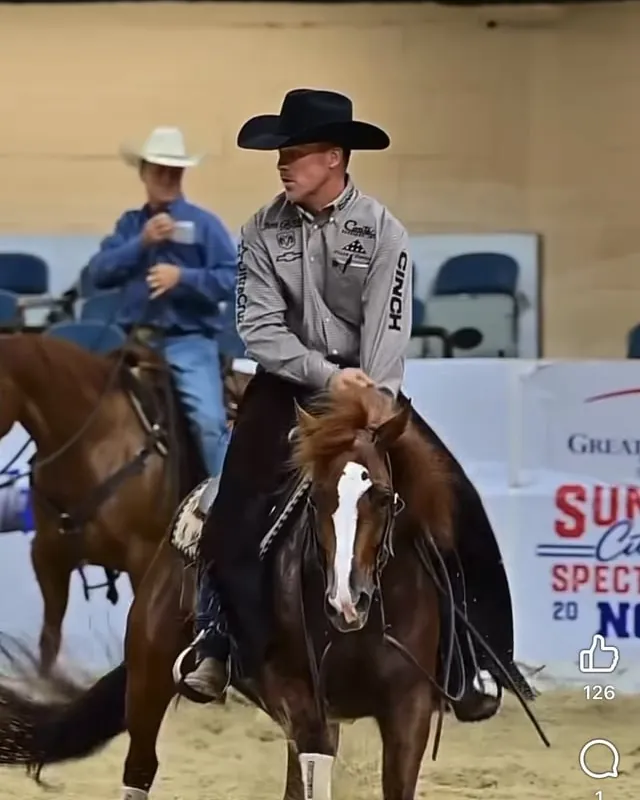
Group Clinics
These events allow you to learn alongside others at a lower cost per person. You get less individual attention, but you learn by watching others and hearing the trainer’s feedback for the whole group.
Auditing Sessions
If you aren’t ready to ride, you can pay a small fee to watch professional training sessions. This helps you understand the technical side of the sport without the physical risk or cost of riding.
Volunteering
Offer to help a local trainer with herd management or barn chores. This gives you free access to observe the process and build a relationship with a mentor who can eventually teach you to ride.
Frequently Asked Questions
How long does it take to learn the basics?
Most riders begin to feel comfortable after 10 to 15 private sessions, assuming you have previous riding experience. If you’re new to horses entirely, expect to spend several months learning basic horsemanship before you ever approach a cow. Consistency is the main factor that determines how quickly you progress.
Is it safe for beginners?
Yes, it’s safe if you work with a professional trainer and use a well-trained horse. The main risks involve falls or being caught in the equipment, which is why proper gear and supervision are required. Always tell your trainer about your experience level so they can choose a calm horse for you.
What happens if I fall off?
If you fall, stay still and wait for your trainer to reach you. They’re trained to assess the situation and ensure the horse is secured before moving you. Always check your helmet for damage after a fall, as the structural integrity is compromised once it has taken an impact.
Do I need to own a horse?
No, you don’t need to own a horse to get started. Most trainers offer “schoolmaster” horses for rent during lessons and clinics. Leasing a horse is the next step once you decide you want to pursue the sport more seriously without the long-term investment of ownership.
How much does a competitive horse cost?
A competitive horse is a significant investment, with costs varying based on its training, pedigree, and show record. The price varies based on the horse’s age and experience in the show pen. Most beginners should avoid buying a horse until they have spent at least one year training with a professional.
How often should I train?
Most beginners train once or twice a week to allow their muscles to recover and to process the lessons. If you train more often, you risk burning out both yourself and the horse. Focus on quality, not quantity, to ensure you’re building the correct habits.
Conclusion
Your journey doesn’t have to be perfect right away, so just focus on building that unique bond with your horse. Spend some time watching local competitions to see how the pros handle their cattle. You’ll find that it’s an incredibly rewarding experience once you’re finally ready to take your first turn.